Japan · Nara-ken
Where to Stay in Kashihara-shi, Nara-ken
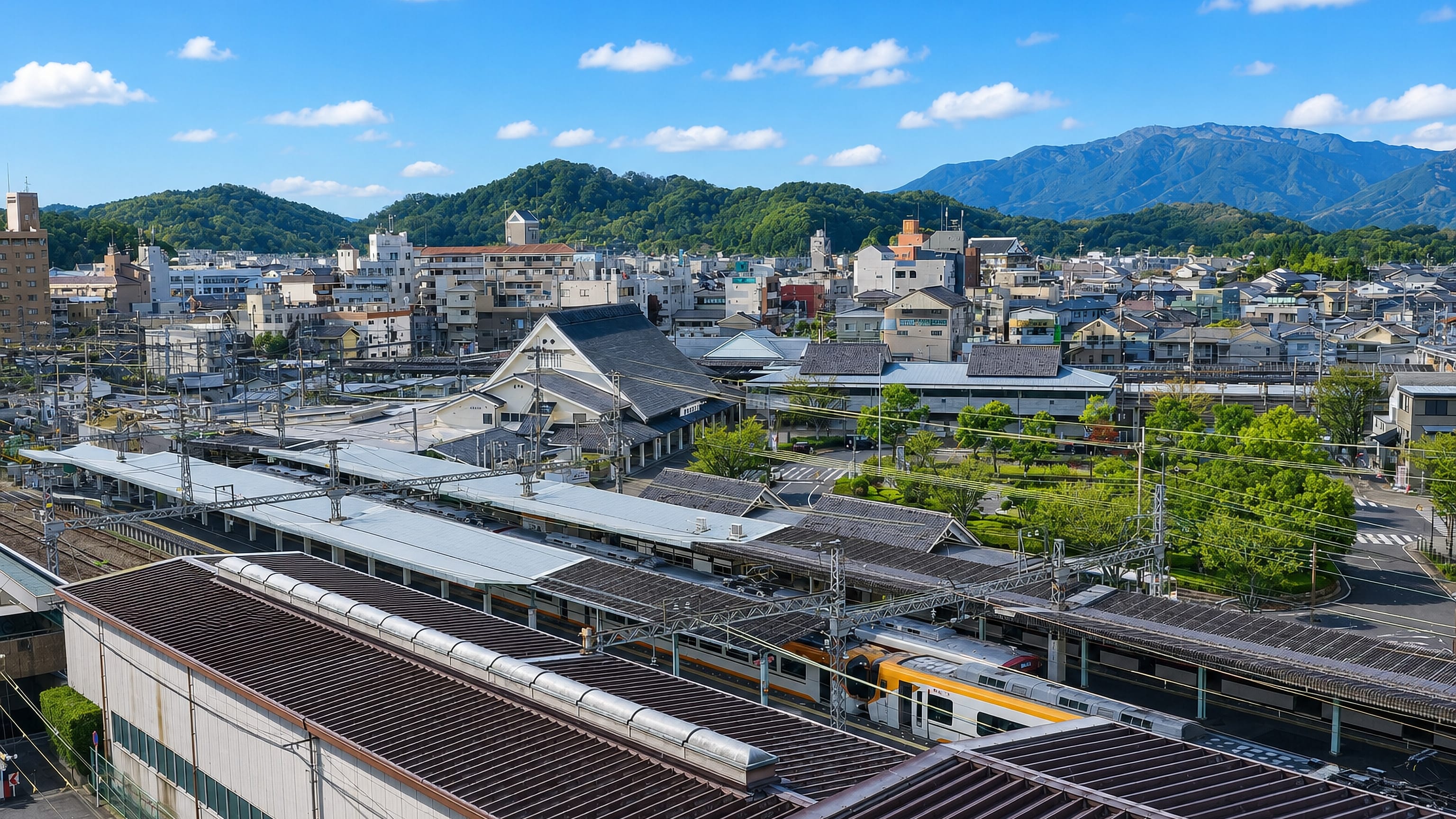
Kashihara occupies the north-western part of Nara Prefecture, where the Fujiwara-kyō palace ground lies open beneath the Yamato Sanzan.
Hotel links are affiliate links: booking through them may earn us a commission, at no extra cost to you. It never affects how places are ranked. How this works


Where to stay in Kashihara-shi
Where visitors usually base themselves, and why.
The choice in Kashihara runs between the Fujiwara-kyō ground and the Asuka side. A room near the Fujiwara Palace Site Museum puts the excavated capital and the Hon-Yakushi-ji temple ruins inside one unhurried morning, and the Kashihara City Museum of History takes over on the afternoons when weather closes the open sites down. That end suits a short stay.
Families weigh the same city differently, because the Kashihara City Insectarium and the Kashihara Children's Science Museum turn one day of archaeology into two that nobody at the table has to argue about. Asuka is the other pull. Beds taken towards that edge answer to Maruyama Kofun and the old capital country rather than to museum opening hours, while the Archaeological Institute of Kashihara sits between the two habits and serves either.
The Yamato Sanzan stay in view. If a single address has to cover everything, take the Fujiwara-kyō side and accept a short run out to Asuka each morning, since the hills make orientation easy from almost anywhere on the plain and nothing in the city is far from anything else. The Kashihara Site is the third name to plan around.
Find hotels in Kashihara-shi
Direct booking searches for these neighbourhoods.
The Fujiwara-kyō palace ground
The excavated capital, with the Fujiwara Palace Site Museum on hand to read itFind hotels in The Fujiwara-kyō palace groundTrips built around Maruyama Kofun and the Asuka countryTowards Asuka
Kashihara's quieter edge, where the listed sites continue past the city's own boundary. Beds are limited here, so book early.Find hotels in Towards AsukaFamilies splitting days between the Insectarium and the Museum of HistoryNear the city museums
Indoor alternatives to the excavations, useful when the plain is too hot to walkFind hotels in Near the city museumsHotel links are affiliate links: booking through them may earn us a commission, at no extra cost to you. It never affects how places are ranked. How this works
Things to do in Kashihara-shi
Ranked by global recognition; descriptions from Wikidata (CC0).
Museums & Galleries
2- The Museum, Archaeological Institute of Kashihara, Nara Prefecture
- Fujiwara Palace Site Museum
Castles & Historic Sites
3- Asuka
- Kashihara Site
- 坪井・大福遺跡
worth knowingacross 2 categories in Kashihara-shi
About Kashihara-shi
The record here is buried, not built.
What is Kashihara-shi known for?
Kashihara's headline names are excavations, the remains of Fujiwara-kyō, the Hon-Yakushi-ji temple ruins, and Maruyama Kofun, carried together with Asuka on the UNESCO World Heritage Tentative List as The Asuka and Fujiwara Imperial Capitals and Related Properties. Three hills frame all of it. The Yamato Sanzan give the plain its outline, and the Fujiwara Palace Site Museum is where the excavated capital is explained rather than merely walked over.
What are the main landmarks in Kashihara-shi?
Kashihara Site lends the city its own entry in the archaeological record. The Archaeological Institute of Kashihara holds the finds, the Fujiwara Palace Site Museum keeps to the palace ground itself, and the Kashihara City Museum of History carries the centuries that came after the capital moved on. Two collections ignore the ruins entirely.
The Kashihara City Insectarium and the Kashihara Children's Science Museum answer to a different kind of visitor, and between the two of them a wet afternoon in the city is easily accounted for.
What is the history of Kashihara-shi?
Two eras share one plain. The older belongs to Fujiwara-kyō, the imperial capital whose remains lie inside Kashihara and which, with Asuka, gives the UNESCO Tentative List entry its name: The Asuka and Fujiwara Imperial Capitals and Related Properties. Hon-Yakushi-ji survives as ruin.
Maruyama Kofun belongs to the same listed group, and between them these sites account for most of what has been dug, catalogued and put behind glass in the city. The municipality itself is young. Kashihara was constituted in 1956, long after the capitals it now looks after had passed out of use and into archaeology, and the institutions followed the excavations rather than the other way round.
The Archaeological Institute of Kashihara took the finds, the Fujiwara Palace Site Museum took the palace ground, and the Kashihara City Museum of History took the town's later record. Kashihara Site carries the city's name. Digging still sets the terms here, and on a plain under the Yamato Sanzan that has yielded this much, the past is read out of the soil rather than off the front of any standing building.
Where is Kashihara-shi?
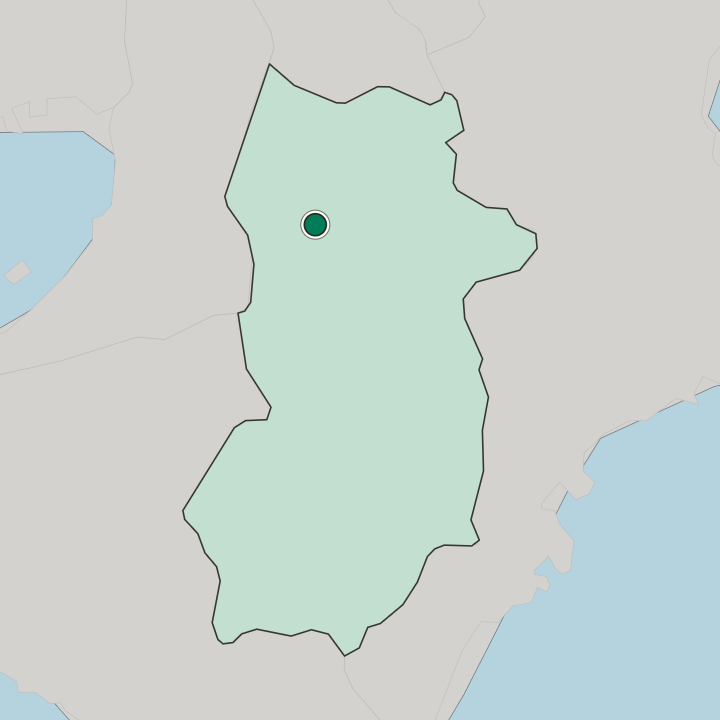
Flat ground, ringed by hills. Kashihara takes up a little under forty square kilometres in the north-western part of Nara Prefecture, and the Yamato Sanzan, the three hills that frame the plain, stand over the fields where Fujiwara-kyō was laid out. Asuka adjoins the city.
That flatness is exactly what made a gridded capital possible, and it is why the lines of the palace can still be traced across open ground rather than guessed at from under later streets.
What is the climate of Kashihara-shi?
Heat settles on the plain. Kashihara lies within the subtropical band, and the Yamato Sanzan close in on the flat ground tightly enough that warm air is slow to clear it, which the open excavations feel more than the streets do. Shade is scarce out there.
The Fujiwara-kyō ground and the Hon-Yakushi-ji ruins are unroofed visits, so the Fujiwara Palace Site Museum and the Kashihara City Museum of History are where a difficult afternoon ends up.
How do you get to Kashihara-shi?
Approaches cross open country. Kashihara stands in the north-western part of Nara Prefecture, so a journey from elsewhere in the prefecture runs over flat farmland until the Yamato Sanzan come up ahead. Asuka sits beside it.
Anyone moving between Asuka and the rest of Nara Prefecture passes the Fujiwara-kyō ground on the way, which is what makes the city a base for the whole listed group rather than a single stop on somebody else's itinerary.
Common questions
What is the best area to stay in Kashihara-shi?
The Fujiwara-kyō palace ground: Guests who want the palace site and Hon-Yakushi-ji on foot. Towards Asuka: Trips built around Maruyama Kofun and the Asuka country. Near the city museums: Families splitting days between the Insectarium and the Museum of History.
Good for
More cities in Nara-ken
Updated September 2026