Japan · Nara-ken
Where to Stay in Nara-shi, Nara-ken
Nara is the capital of Nara Prefecture, an old imperial seat whose temples and tame deer share the wooded ground of Nara Park.
Hotel links are affiliate links: booking through them may earn us a commission, at no extra cost to you. It never affects how places are ranked. How this works


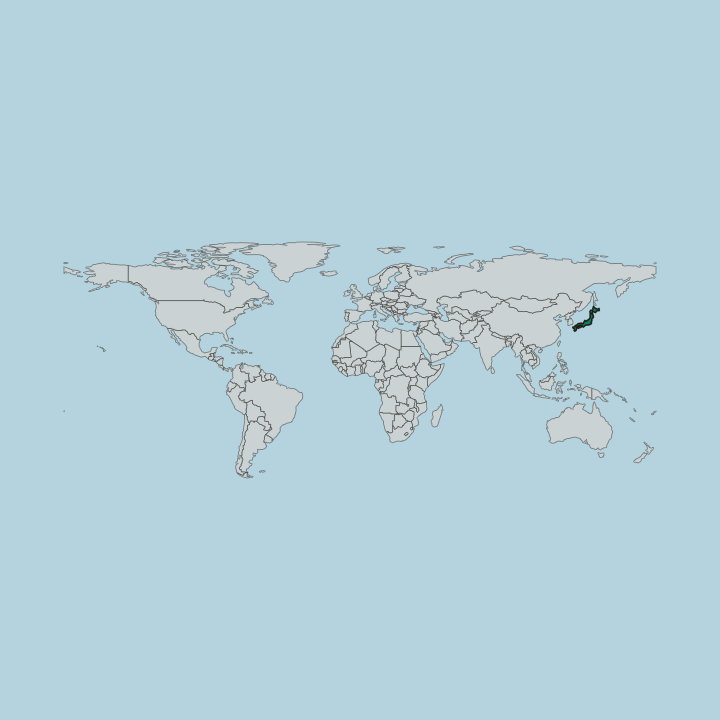
Where to stay in Nara-shi
Where the beds are, and what that means for the visit.
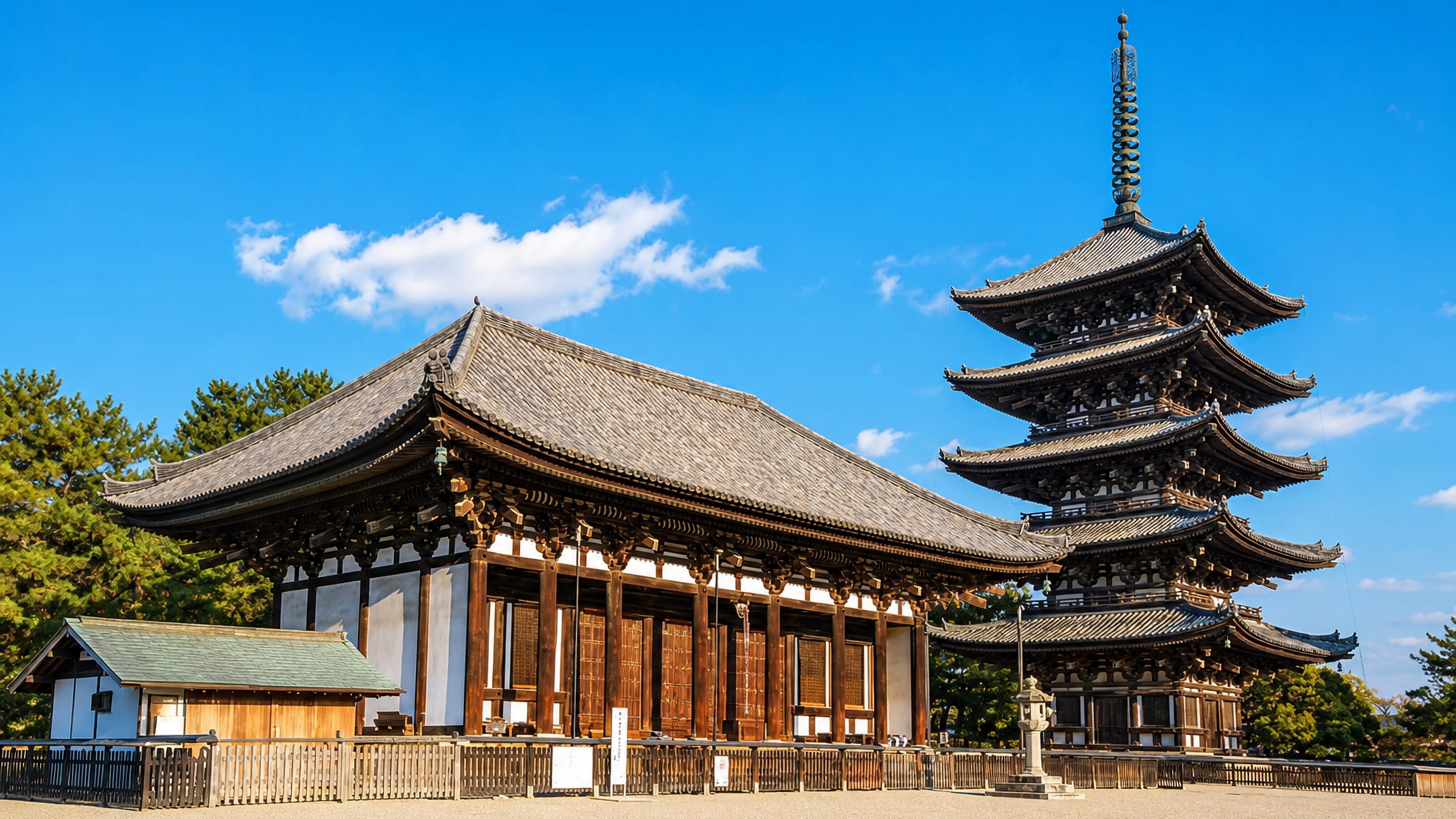
Nara divides between Nara Park and Naramachi, and the two produce different days. A room on the park side puts the deer, the Nara National Museum and the Kōfuku-ji National Treasure Hall inside a walk that requires no planning at all, with the Neiraku Museum near enough to fold into the same afternoon. That side goes first.
Naramachi suits a slower stay, its lanes of surviving townhouses holding the Naramachi Museum and the Nara Crafts Museum, and its kitchens still working long after the park has emptied. The palace ground is the third option. Beds towards the Nara Palace Site Museum and the Heijō-kyū Izanai-kan trade temple-walking for open excavated fields, and Tōshōdai-ji and the Saidai-ji Shūhōkan belong to that same stretch of the city rather than to the park.
Distances stretch out there. Anyone wanting one address for the whole visit should take Naramachi and walk up into Nara Park each morning, because the museums cluster tightly around the deer while the palace site is a deliberate outing that has to be planned into a day of its own.
Find hotels in Nara-shi
Direct booking searches for these neighbourhoods.
The Nara Park side
The park itself, with the Kōfuku-ji National Treasure Hall and the Neiraku Museum inside one walkFind hotels in The Nara Park sideEvenings in the old townhouse lanes after the deer park emptiesNaramachi
Surviving merchant houses around the Naramachi Museum and the Nara Crafts MuseumFind hotels in NaramachiVisitors whose plan is the Nara Palace Site Museum and Tōshōdai-jiTowards the Heijō palace ground
Excavated capital ground served by the Heijō-kyū Izanai-kan, well clear of the temple crowds. Rooms are few around here — worth securing early.Find hotels in Towards the Heijō palace groundHotel links are affiliate links: booking through them may earn us a commission, at no extra cost to you. It never affects how places are ranked. How this works
Things to do in Nara-shi
Ranked by global recognition; descriptions from Wikidata (CC0).
Museums & Galleries
3- Nara National Museum Heritage
- Nara Prefectural Museum of Art
- Neiraku Museum
Castles & Historic Sites
1- Nara-yama Tile Kiln Sites Heritage
Parks & Gardens
1- Nara Dreamland
worth knowingacross 3 categories in Nara-shi
About Nara-shi
Deer set the tone.
What is Nara-shi known for?
Nara Park keeps hundreds of them, tame enough to be fed and petted by anyone who wanders in, and the same park holds most of what brings people to the city at all. Naramachi is the other half. That quarter of old houses carries the Naramachi Museum, while the Tōdai-ji Museum, the Kasugataisha Museum and the Kōfuku-ji National Treasure Hall keep what the temples themselves cannot put on show.
What are the main landmarks in Nara-shi?
Museums outnumber everything. The Nara National Museum leads a field that includes the Nara Prefectural Museum of Art, the Nara City Museum of Art and the Irie Taikichi Memorial Museum of Photography Nara City, each taking a slice of the record that the temple treasuries never covered. Smaller houses fill the gaps.
The Sumi Museum, the Nara City Historical Materials Preservation House and the Nara University Museum keep to single subjects, and the Nara-yama Tile Kiln Sites sit well outside the usual circuit.
What is the history of Nara-shi?
Nara was a capital before it was a city. The Heijō palace ground survives only as excavation, explained by the Nara Palace Site Museum and the Heijō-kyū Izanai-kan, both built around an imperial seat whose halls went long ago. Kyoto overshadows it.
Many a hurried itinerary leaves Nara out on that account, and yet what the older capital left behind has come down in better order than the equivalent in Kyoto, gathered as it is inside Nara Park and quarters such as Naramachi. The municipality is a far later invention. Nara was constituted in 1898, an administrative act that drew a modern frame around temple grounds, a deer park and a merchant district that had all stood for centuries before anyone thought to draw it.
Naramachi shows the layering plainly. The Nara City Historical Materials Preservation House and the Naramachi Museum keep the townhouse record, while the Nara Municipal Buried Cultural Properties Research Centre works on everything that predates the standing walls, and the Nara Prison Museum covers a stretch of the city's past that the temples have nothing to say about.
Where is Nara-shi?
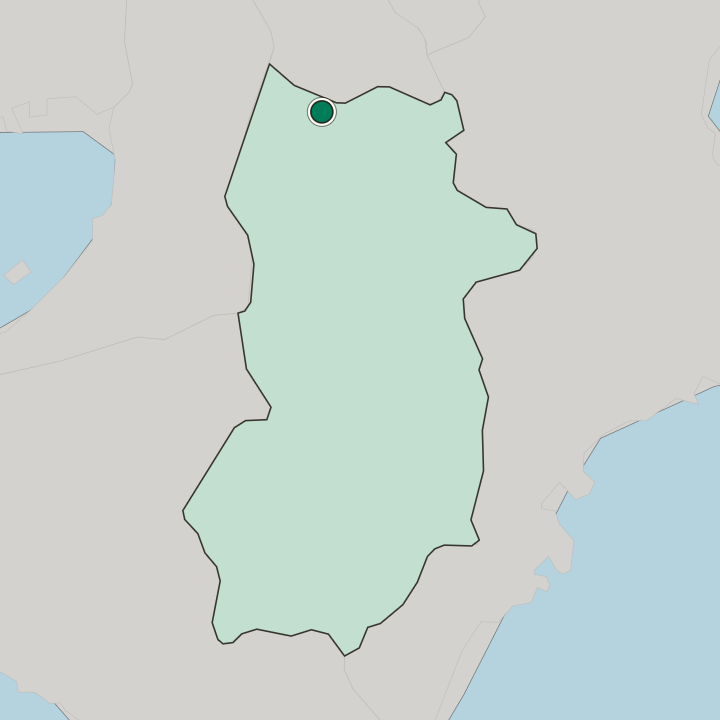
Most of the municipality is not the visitor's city. Nara covers a little over two hundred and seventy square kilometres in the northern part of Nara Prefecture, reaching up to the boundary with Kyoto Prefecture, and the largest city of the prefecture is nevertheless walkable at its core. Nara Park takes the centre.
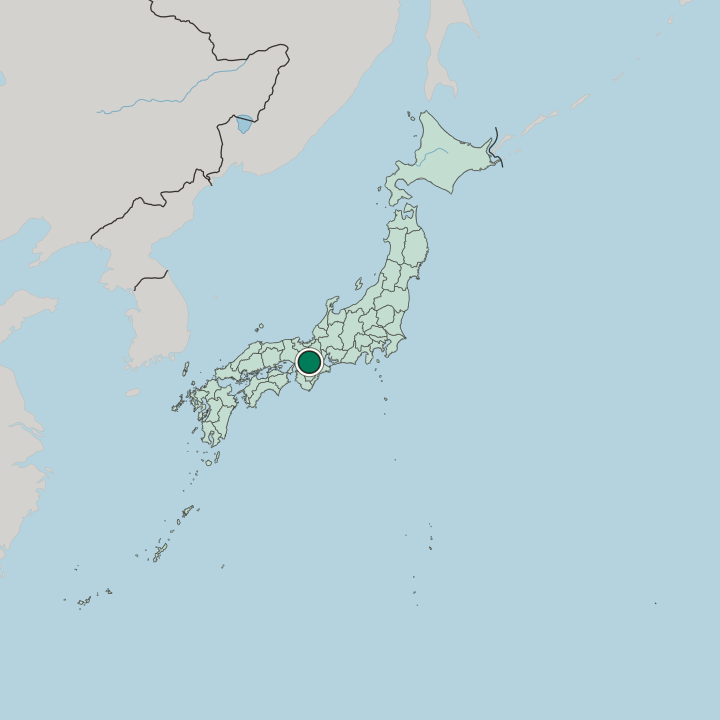
Naramachi presses against the park, so the whole of what a short stay needs sits inside a fraction of a municipality that runs on well past it into the Kansai region of Honshu.
What is the climate of Nara-shi?
Foliage keeps the calendar here. Nara lies within the subtropical band, and the trees of Nara Park mark the turn of a season more usefully than any figure a traveller might look up before booking. Deer stay out regardless.
When heat or rain spoils the park, the Nara National Museum, the Tōdai-ji Museum and the Neiraku Museum take the hours indoors without anyone having to leave the district.
How do you get to Nara-shi?
Nara stands in the northern part of Nara Prefecture, hard against the boundary with Kyoto Prefecture, which leaves it inside easy reach of the rest of the Kansai region. Most arrivals come from Kyoto. The city is routinely folded into a single day out of that neighbour, and Nara Park sitting so close to the middle of things is the reason a short visit still works.
Naramachi is the walk beyond it.
Common questions
What is the best area to stay in Nara-shi?
The Nara Park side: Guests who want the deer and the Nara National Museum before breakfast. Naramachi: Evenings in the old townhouse lanes after the deer park empties. Towards the Heijō palace ground: Visitors whose plan is the Nara Palace Site Museum and Tōshōdai-ji.
Good for
More cities in Nara-ken
Updated October 2026