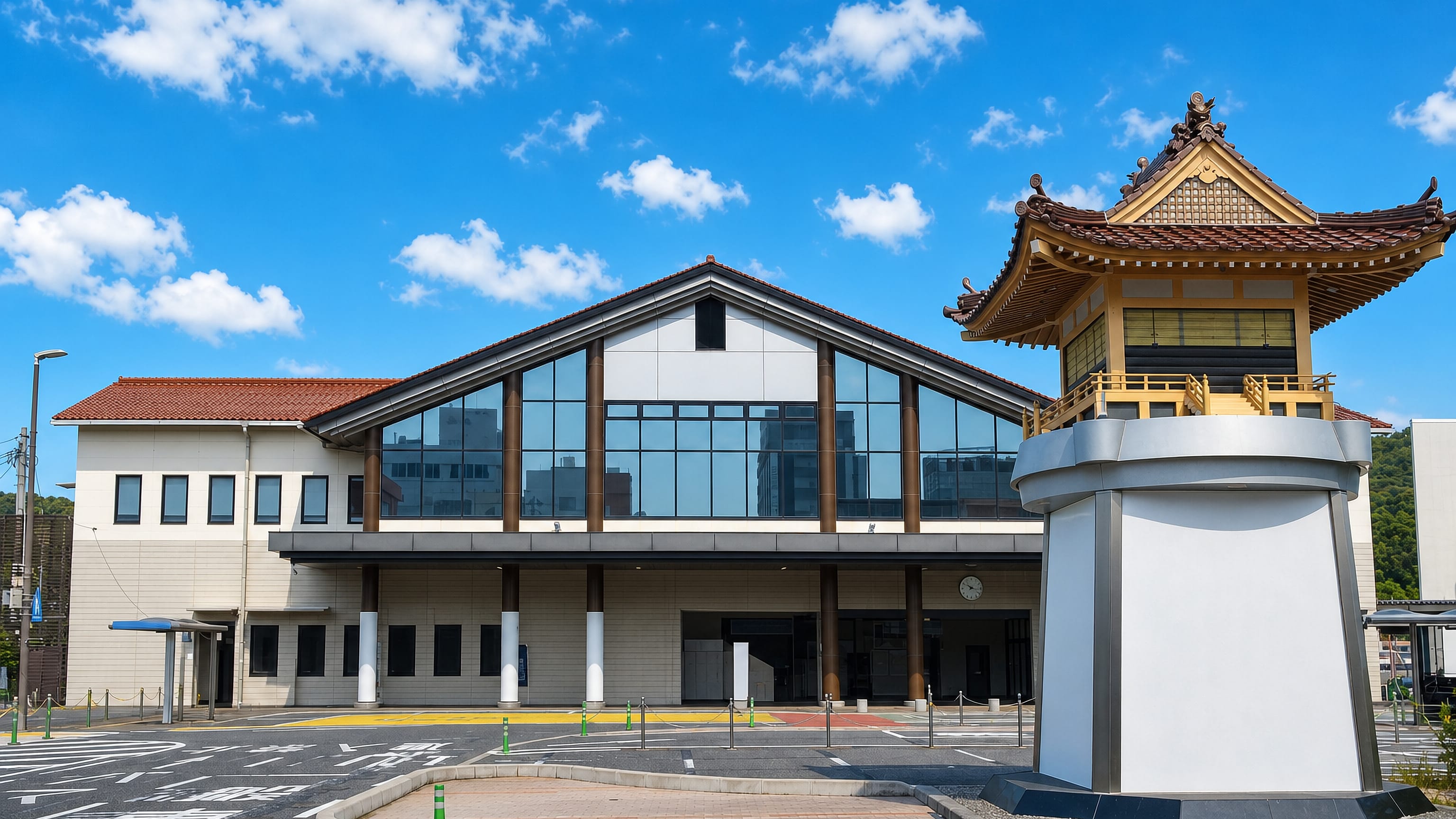
Japan · Shimane-ken
Where to Stay in Hamada, Shimane-ken
Hamada is a city in Shimane Prefecture, Japan, on the JR San'in Main Line, with Hamada Castle and Tatamigaura in Iwami among its sites.
Hotel links are affiliate links: booking through them may earn us a commission, at no extra cost to you. It never affects how places are ranked. How this works


Where to stay in Hamada
Where visitors usually base themselves, and why.
Hamada Castle and the ground at Tatamigaura pull in opposite directions. Beds under the castle ground put a traveller closest to the oldest part of the city, and the Hamada City Local History Museum collection sits on the same side to explain what the castle belonged to. The JR San'in Main Line runs through.
Anyone arriving by rail can stay near the line and reach Hamada Castle, the Hamada Children's Museum of Art, and the Sekishō Art Museum without a long transfer. Shimane Prefecture frames every option, and the distances between the castle, the Iwami sites, and the museums are the real variable in the choice. Iwami is the other choice.
Tatamigaura in Iwami, the Iwami-Adachi Museum, and Iwami Kokubun-niji spread the visit out across the Iwami side of the city, which covers a lot of ground for a place this size. Archaeology sits further out again. Sufu Kofun and the Shimokō temple ruins are the reason to take a base away from the centre, and a car matters more there than the timetable of the JR San'in Main Line.
You want the castle side for Hamada Castle and the museums, the Iwami side for Tatamigaura and the older ground.
Find hotels in Hamada
Direct booking searches for these neighbourhoods.
Hamada Castle ground
The castle ground holds the oldest built quarter, and Hamada City Local History Museum keeps the town's own record a short way from the walls.Find hotels in Hamada Castle groundvisits built around Tatamigaura in IwamiIwami side
Tatamigaura carries the Iwami name that also marks the Iwami-Adachi Museum and Iwami Kokubun-niji further along that side. Beds are limited here, so book early.Find hotels in Iwami siderail arrivals stopping at Hamada on the JR San'in Main LineJR San'in Main Line approach
The line drops travellers within reach of the Hamada Children's Museum of Art and the Sekishō Art Museum without needing a car.Find hotels in JR San'in Main Line approachHotel links are affiliate links: booking through them may earn us a commission, at no extra cost to you. It never affects how places are ranked. How this works
About Hamada
What is Hamada known for?
Art collections take up more of Hamada's register than anything else, with the Hamada Children's Museum of Art, the Iwami-Adachi Museum, and the Sekishō Art Museum all holding their own ground. The coast answers them. Tatamigaura in Iwami stands on the same register, and the Iwami name it carries reaches across several of the city's sites.
Deeper history survives in the ground. Sufu Kofun, the Shimokō temple ruins, and Iwami Kokubun-niji make up the archaeological end of the list, and Hamada City Local History Museum holds the local material that goes with them. Hamada Castle heads the rest.
What are the main landmarks in Hamada?
Nine entries make the list. Hamada Castle is the one that shares the city's name, and Sufu Kofun, the Shimokō temple ruins, and Iwami Kokubun-niji carry the record back well before it. Three art collections follow: the Hamada Children's Museum of Art, the Iwami-Adachi Museum, and the Sekishō Art Museum.
Hamada City Local History Museum takes the local material. Tatamigaura in Iwami closes the register on the natural side.
What is the history of Hamada?
The city dates from 1940. Everything older than that belongs to Iwami, the name still carried by Tatamigaura in Iwami, the Iwami-Adachi Museum, and Iwami Kokubun-niji, and it reaches much further back than the municipal record does. Shimane Prefecture is the frame around both stories.
Burial ground came first here. Sufu Kofun is the burial mound among them, and the Shimokō temple ruins mark a religious phase that left foundations rather than standing buildings. Iwami Kokubun-niji belongs to the same religious record.
Hamada Castle carries the later story. The castle gives the city its name, and what remains of it is read alongside the local collection held at Hamada City Local History Museum. Hamada City Local History Museum keeps the town's own record, and the Sekishō Art Museum stands on a different footing entirely. 1940 is when the modern municipality takes over, and the JR San'in Main Line is the route that ties the city to the rest of Shimane Prefecture.
Museums came last of all. The Hamada Children's Museum of Art, the Iwami-Adachi Museum, and the Sekishō Art Museum are the newest layer of a register whose deepest entries are a burial mound and two sets of ruins.
Where is Hamada?
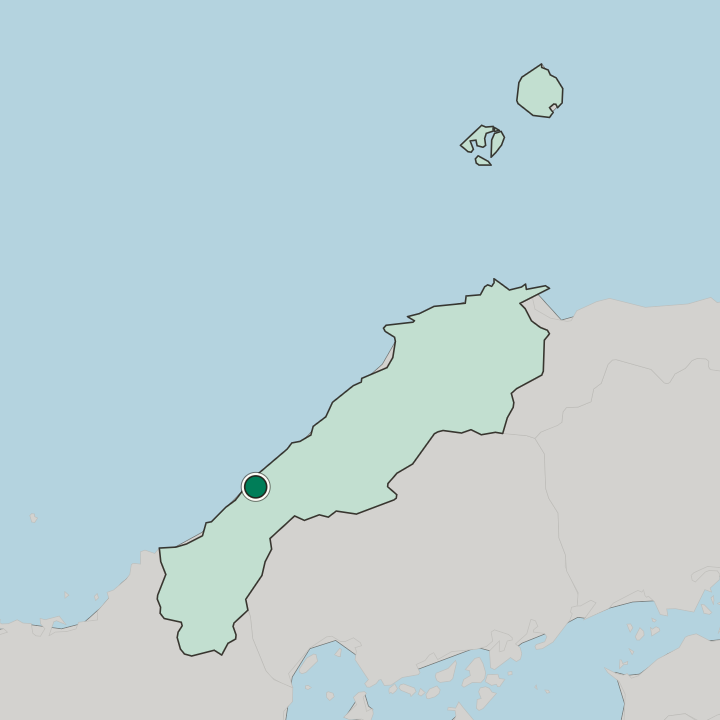
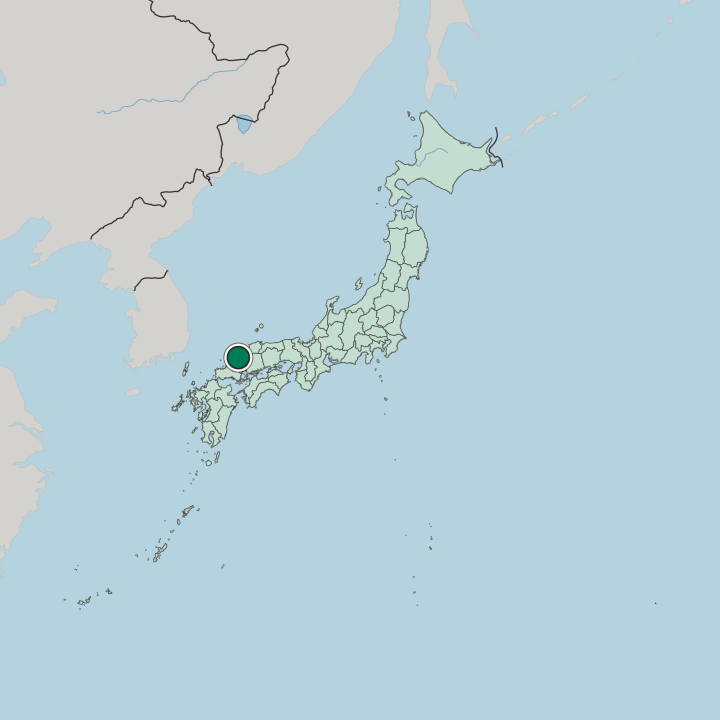
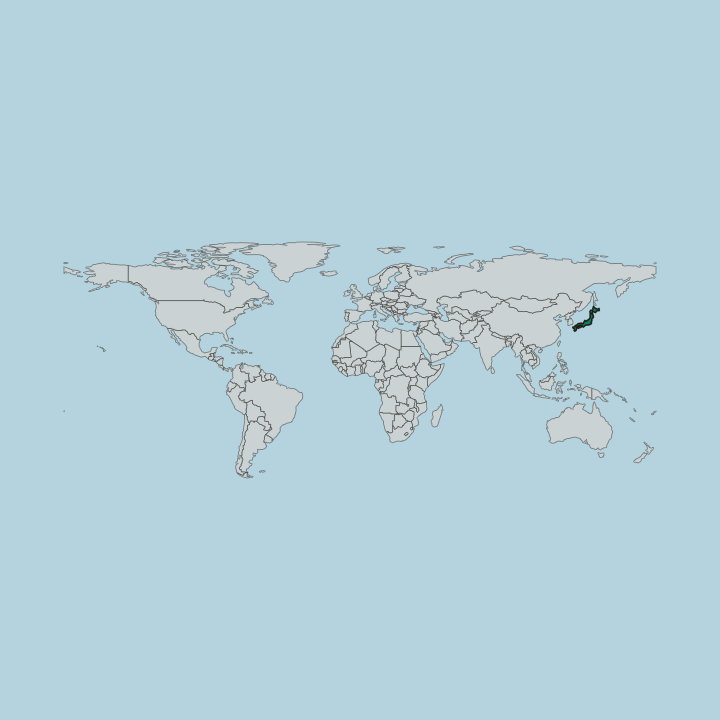
Shimane Prefecture holds the city. Hamada covers a wide stretch of ground for its size, running from the Iwami sites out to Sufu Kofun and the Shimokō temple ruins well away from the built centre. Tatamigaura in Iwami marks one edge of that spread.
The subtropical band of Japan runs through, and the ground between Hamada Castle, Iwami Kokubun-niji, and the Iwami-Adachi Museum is wide enough that no single walk links them.
What is the climate of Hamada?
Summer is the wet half of the year across this subtropical part of Japan, and Hamada takes it with the rest of Shimane Prefecture rather than in any way of its own. Winters run short. Indoor days go to the Hamada Children's Museum of Art, the Sekishō Art Museum, and the Iwami-Adachi Museum, while Sufu Kofun and Tatamigaura in Iwami want dry weather.
Hamada Castle is an outdoor visit in either case.
How do you get to Hamada?
The JR San'in Main Line is the way in. Trains on that route serve Hamada directly, which is what puts a Shimane Prefecture city of this size within reach of travellers who never intend to drive. The outlying sites are the exception.
Sufu Kofun, the Shimokō temple ruins, and Iwami Kokubun-niji are spread across a city of nearly seven hundred square kilometres, so a road plan matters as much as the timetable.
Common questions
What is the best area to stay in Hamada?
Hamada Castle ground: stays that open at the Hamada Castle site. Iwami side: visits built around Tatamigaura in Iwami. JR San'in Main Line approach: rail arrivals stopping at Hamada on the JR San'in Main Line.
Good for
More cities in Shimane-ken
Updated September 2026