Japan
Shimane-ken, Japan — Towns & Travel Guide
Shimane Prefecture traces the Sea of Japan coast of Honshu, the Land of the Gods, where Izumo Taisha and the Iwami Ginzan silver mine draw pilgrims.
Hotel links are affiliate links: booking through them may earn us a commission, at no extra cost to you. It never affects how places are ranked. How this works


Towns & cities in Shimane-ken
Pick a town or city — each links to where to stay.

 Japan
Japan
Matsue
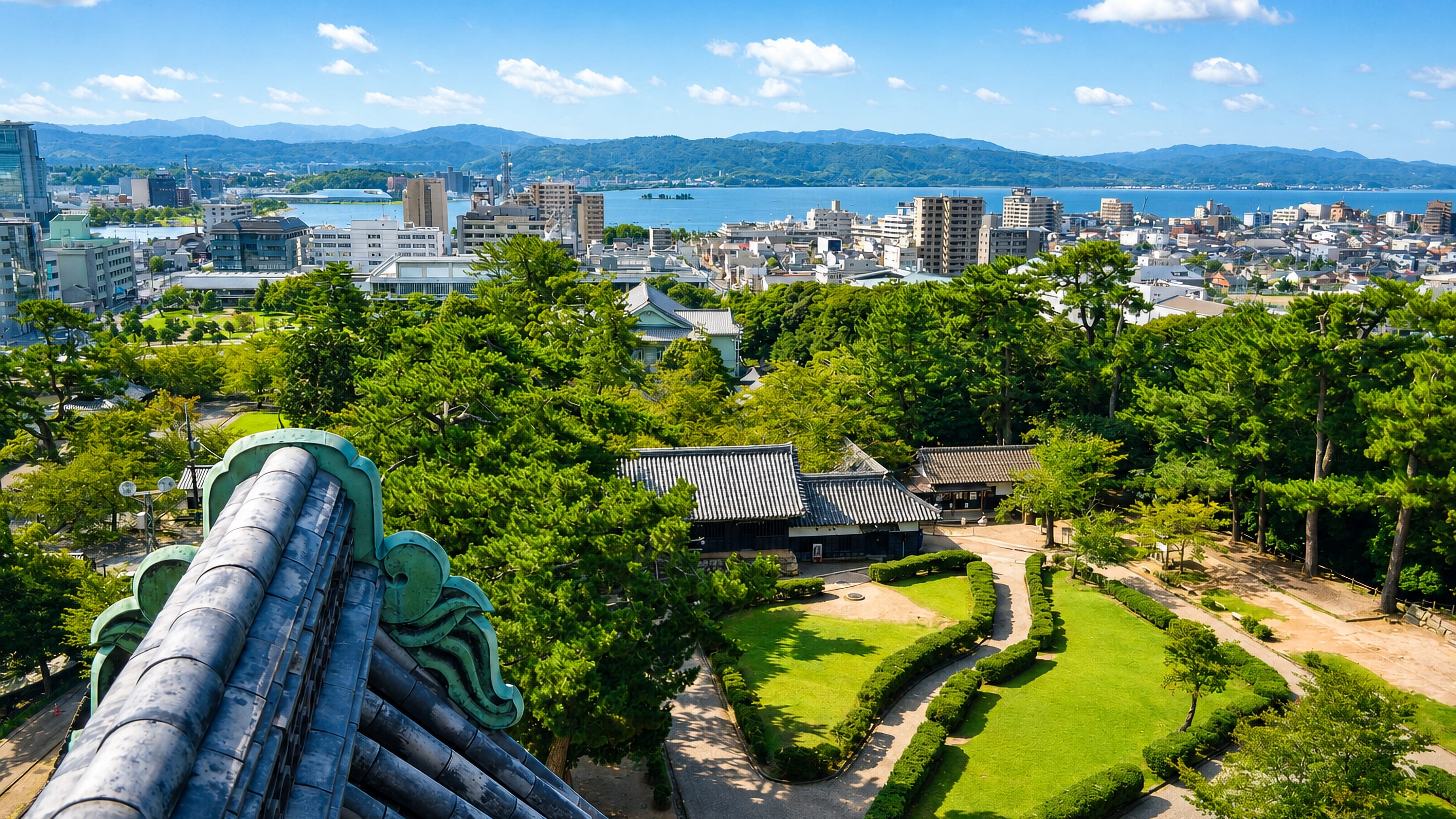
Matsue is the capital of Shimane Prefecture in Japan's Chūgoku region, keeping Matsue Castle, Buke Yashiki and Lafcadio Hearn's Former Residence.Where to stay →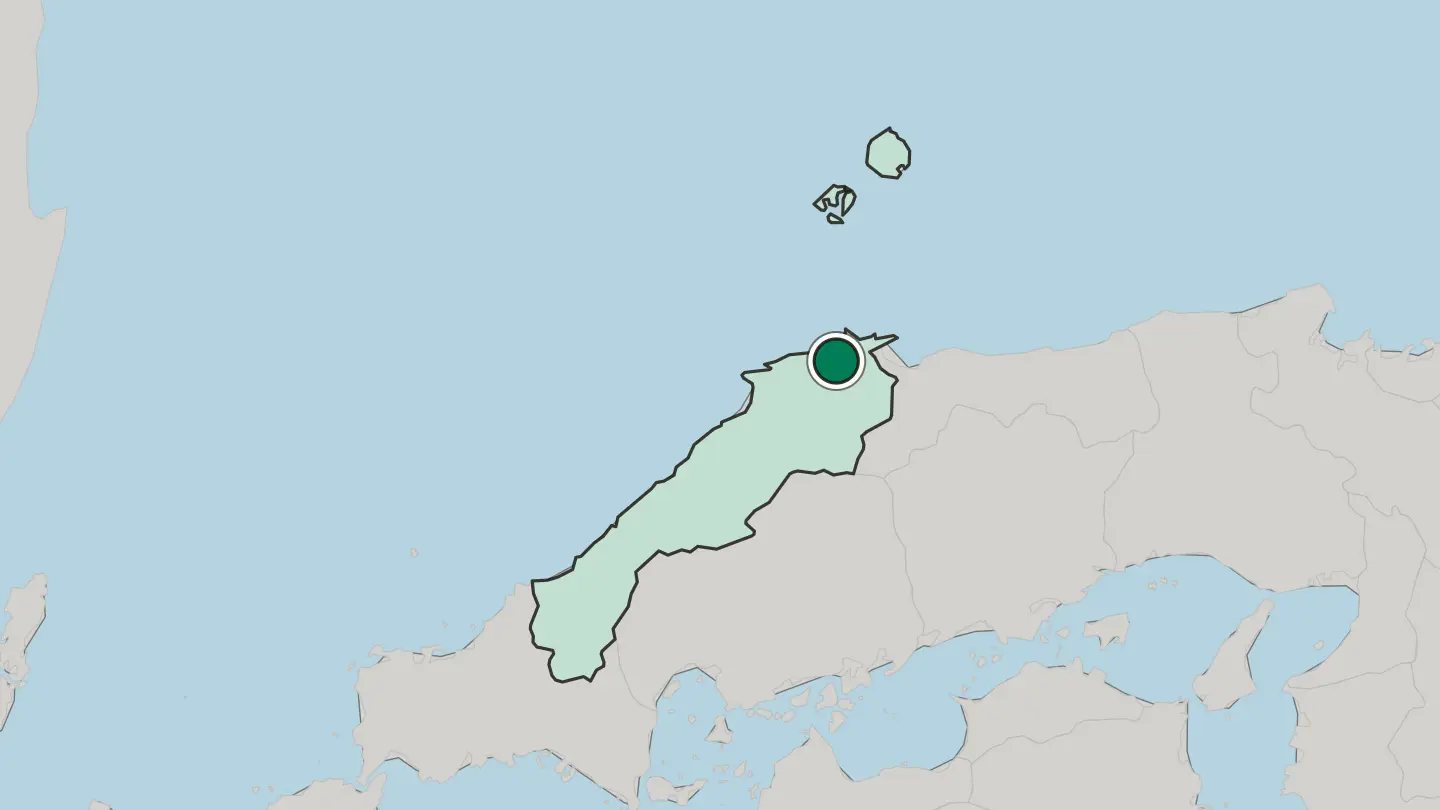
 Japan
Japan
Izumo
Izumo is a town on the San'in coast of western Japan, guardian of one of the oldest and greatest shrines in the land.Where to stay →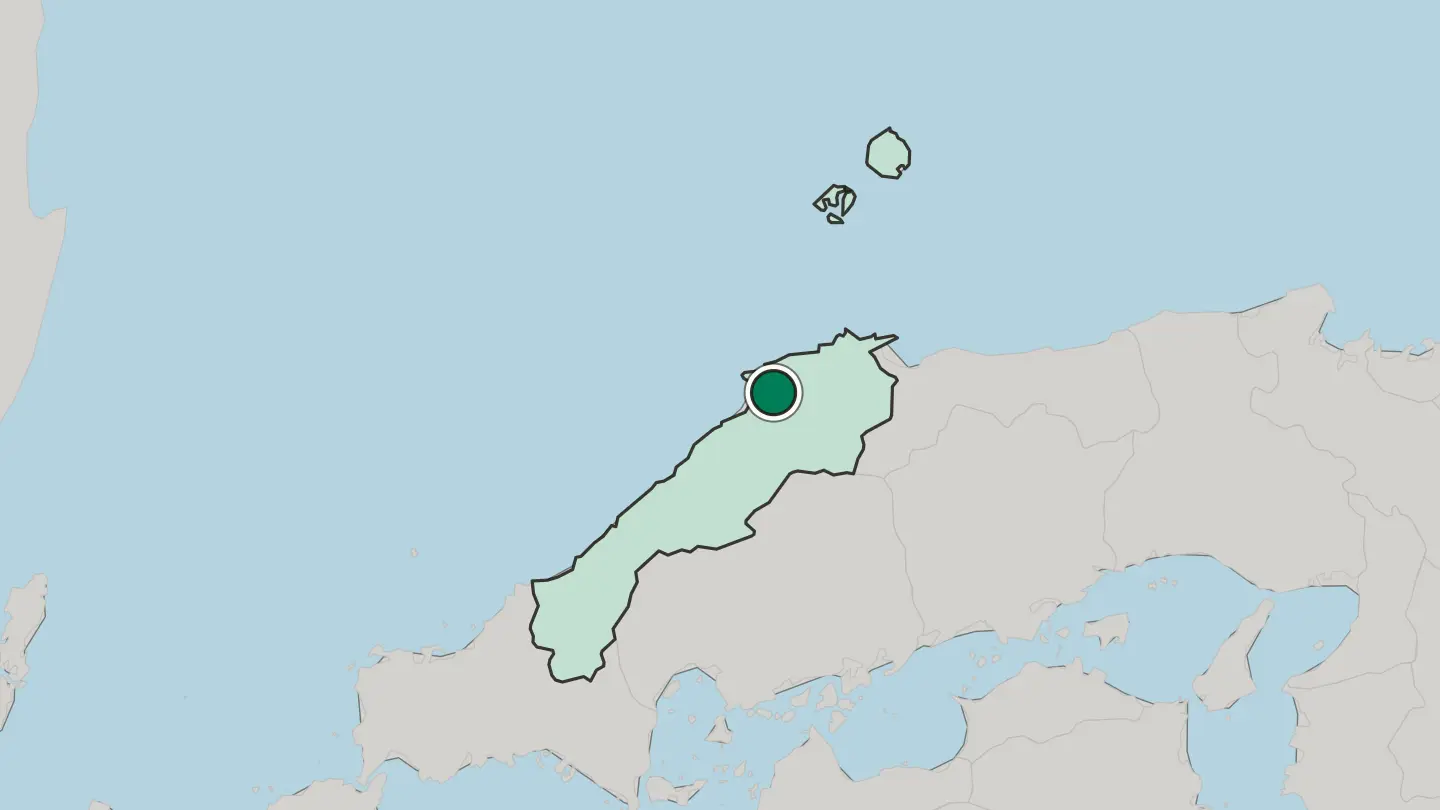
 Japan
Japan
Hamada
Hamada is a city in Shimane Prefecture, Japan, on the JR San'in Main Line, with Hamada Castle and Tatamigaura in Iwami among its sites.Where to stay →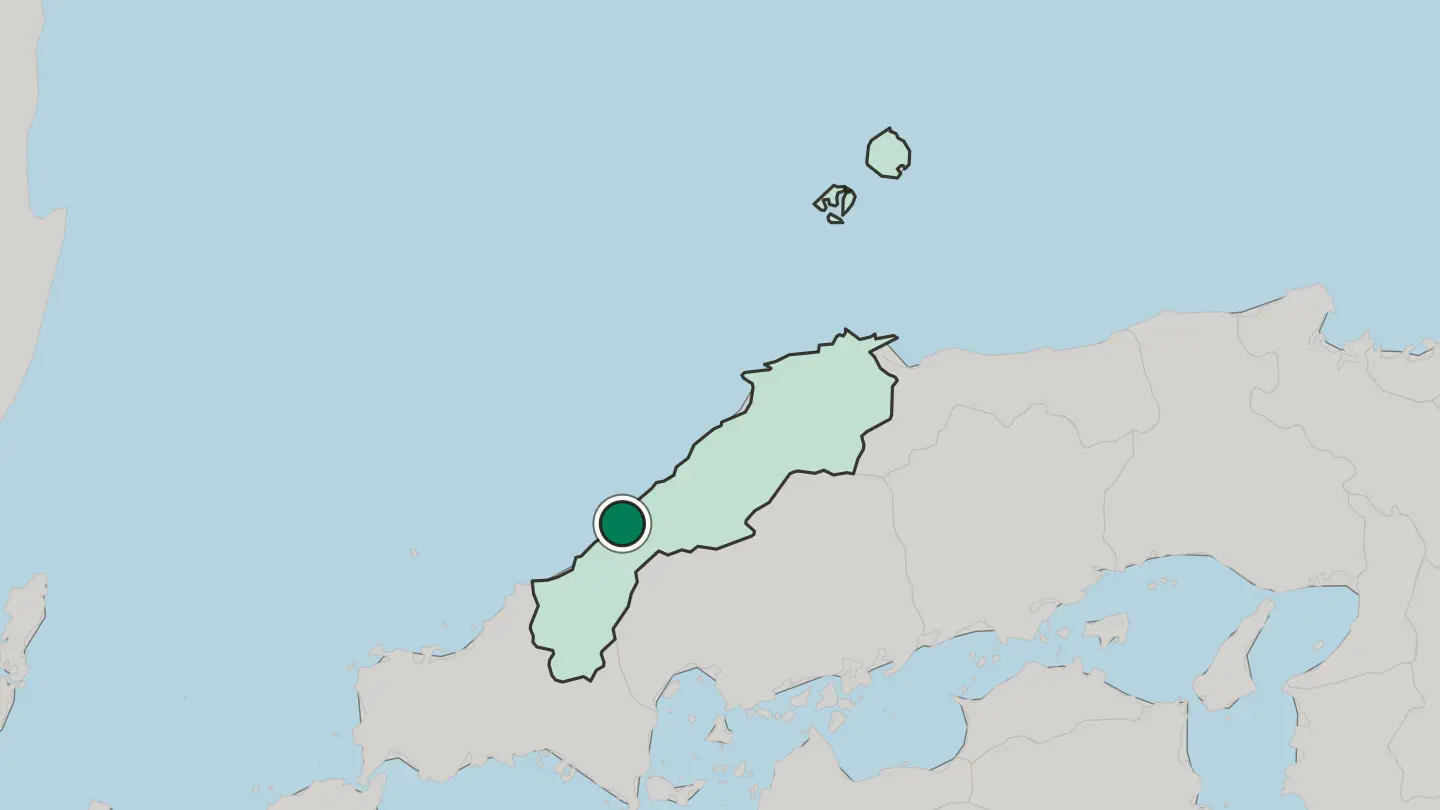
Hotel links are affiliate links: booking through them may earn us a commission, at no extra cost to you. It never affects how places are ranked. How this works
About Shimane-ken
Shimane is the Land of the Gods.
What is Shimane-ken known for?
Izumo Taisha, among the oldest Shinto shrines in Japan, anchors that reputation, and legend holds that the country's myriad deities gather here each autumn to arrange the year's marriages. Matsue Castle keeps one of only twelve original wooden keeps left in the land. To the west, the Iwami Ginzan silver mine, once one of the largest in Japan, holds UNESCO World Heritage status.
The Adachi Museum of Art pairs paintings with the Japanese garden it is known for. Lake Shinji burns orange at dusk.
Where is Shimane-ken?
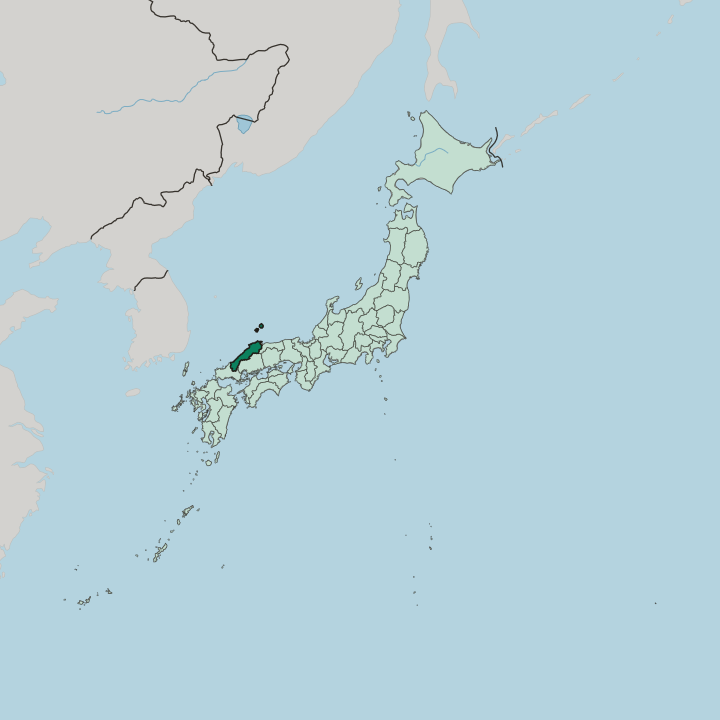
Shimane stretches along the Sea of Japan in the Chūgoku region of western Honshu. It is long and narrow. The prefecture runs for hundreds of kilometres of indented coast while the Chūgoku Mountains wall off its southern edge, so most of its towns crowd the thin coastal strip rather than the folded interior.
That whole shoreline belongs to the stretch the Japanese call the San'in coast. Yamaguchi Prefecture lies to the southwest, Hiroshima Prefecture to the south across the range, and Tottori Prefecture to the east. Offshore, the Oki Islands sit out in the Sea of Japan. Three old provinces still frame the land.
Izumo Province holds the east, where the Hii River builds the Izumo Plain and drains into Lake Shinji and the Nakaumi lagoon behind Matsue. Those two linked lagoons open to the sea and give the capital its celebrated evening light. Iwami Province takes the rugged, port-studded west toward Yamaguchi.
The Oki Islands, once the province of Oki, ride the current far offshore. Rice grows on the Izumo Plain because little else here is flat. The rest is mountain and sea.
What is Shimane-ken like?
Shimane calls itself the Land of the Gods, and it means it. Izumo Taisha, the shrine of the deity of marriage and good fortune, stands at the centre of the Izumo myths told in the Kojiki, Japan's oldest surviving book. Each autumn, in the lunar month the rest of Japan names Kannazuki, the month without gods, Izumo calls it Kamiarizuki, the month with gods, for the eight million deities are said to convene here to settle the coming year's unions.
Here, pilgrims clap four times. That doubled clap marks the visitor as someone who has come to the Izumo country. Japanese is the language, but the accent carries the place.
In the Iwami districts of the west, Iwami Kagura keeps village nights loud with masked dancers and a drum-driven retelling of the serpent-slaying myth. Matsue, the old castle town, kept a tea culture of its own and gave the writer Lafcadio Hearn, who lived there in 1891, the material for Glimpses of Unfamiliar Japan. The table turns local too.
Izumo answers with cold buckwheat soba while Matsue dredges the tiny shijimi clams that thicken its miso soup from Lake Shinji. Craft survives in the tunnels of the Iwami Ginzan mine and in the raked garden of the Adachi Museum of Art. The gods are never far.
What is the history of Shimane-ken?
The Izumo country was old before the state was. Its shrine and its myths appear in Japan's earliest chronicles, and for centuries the region split into the three provinces of Izumo, Iwami and Oki. Silver made it rich.
From the sixteenth century the Iwami Ginzan mine poured bullion into trade that reached China and beyond. After the Battle of Sekigahara in 1600, Horio Yoshiharu raised Matsue Castle on the lakeshore, fixing the seat of the east. The modern prefecture came together in 1871, when the abolition of the feudal domains merged these lands into Shimane.
What is the climate of Shimane-ken?
Shimane keeps the damp, four-season climate of the Sea of Japan coast. Winters are grey and wet. Northwesterly winds pick up moisture over the sea and drop it as heavy snow on the Chūgoku Mountains, while the coast around Matsue stays milder and merely rains.
Summers turn warm and humid, and in the rainy season from June to mid-July it rains almost every day. Clear days are the exception, not the rule, which is part of why Lake Shinji's sunsets are prized when they do arrive.
How do you get to Shimane-ken?
Most travellers reach Shimane by air or by the Okayama rail transfer. Flights land at Izumo Airport near the shrine and at the Iwami and Oki airfields, while Yonago Airport just over the Tottori line feeds Matsue. The classic overland route runs the Sanyo Shinkansen to Okayama, then the Limited Express Yakumo climbs over the Chūgoku Mountains to Matsue and Izumo.
Along the coast itself, the San'in Main Line threads every town from the Tottori border to the Yamaguchi end. It is a long way in. That distance is the point.
Common questions
What is the best area to stay in Shimane-ken?
Matsue: a first base by Lake Shinji. Izumo: the pilgrimage to Izumo Taisha. Tamatsukuri Onsen: a hot-spring night between the two cities. The Iwami coast: the silver mine and the kagura shore. The Oki Islands: an offshore geopark by ferry.
Good for
More regions in Japan
Updated October 2026