Japan · Shimane-ken
Where to Stay in Matsue, Shimane-ken
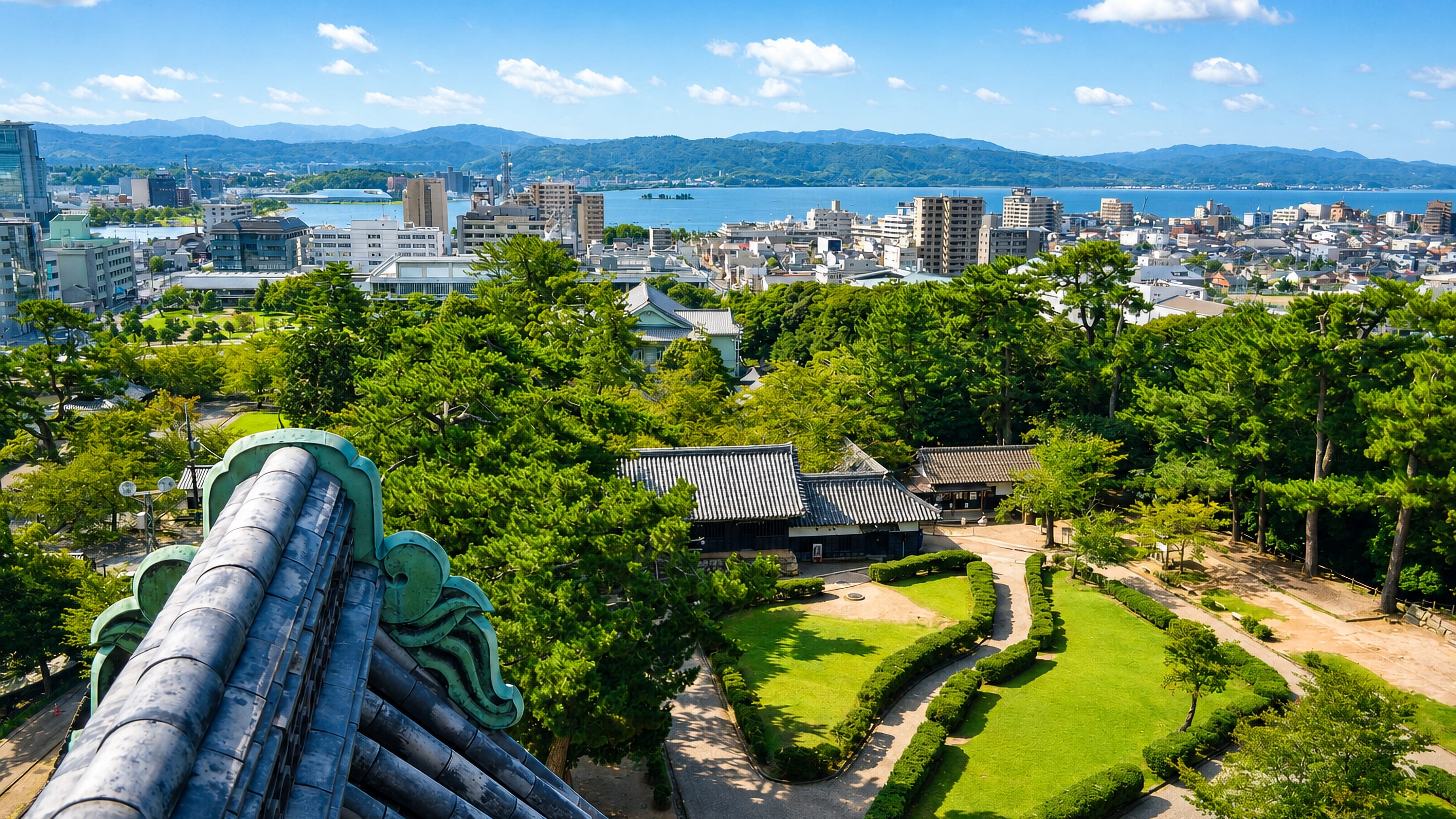
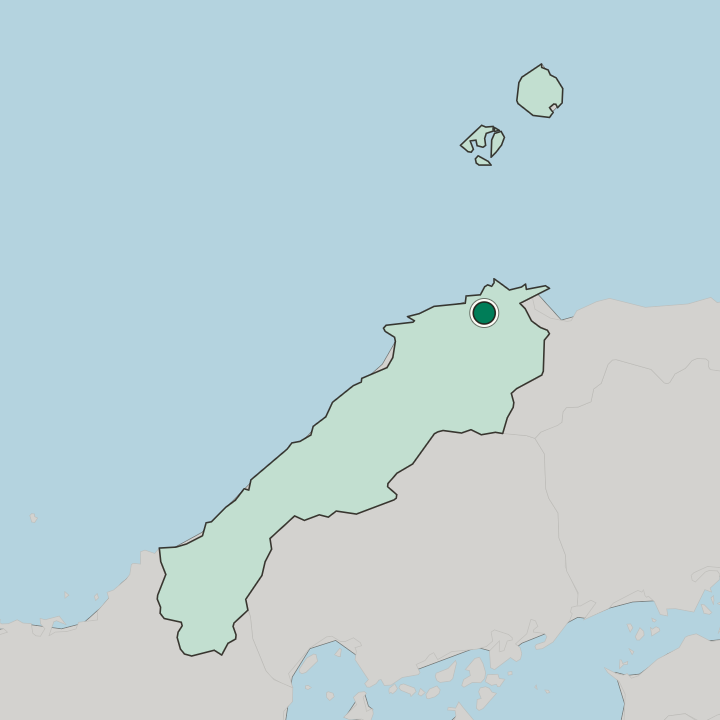
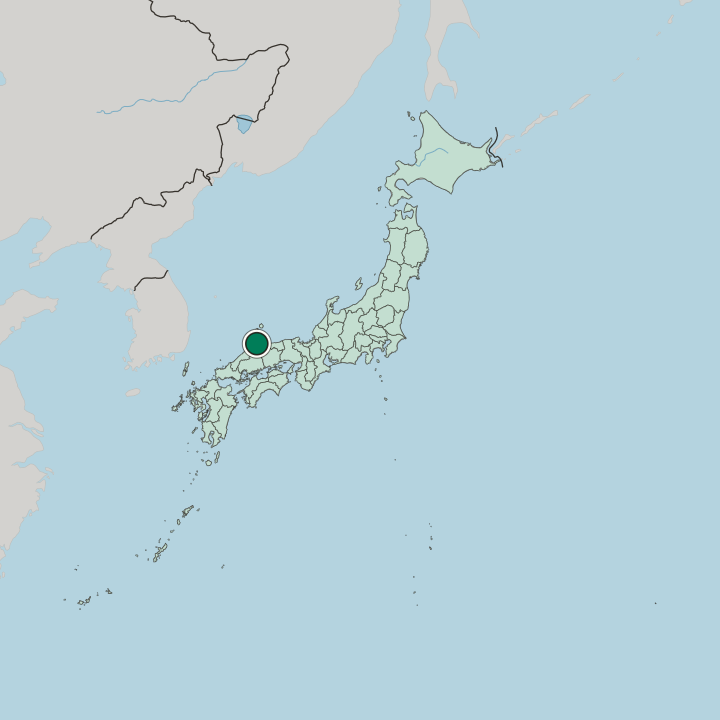
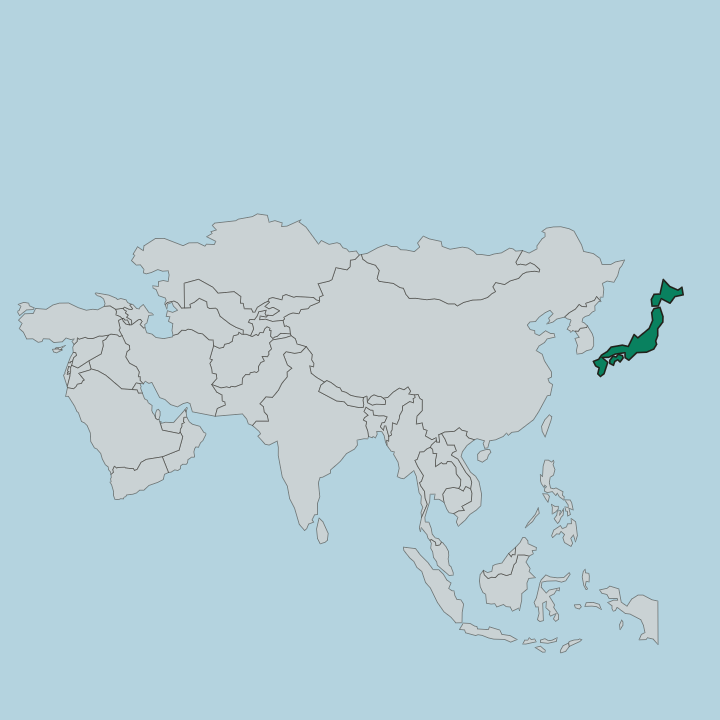
Matsue is the capital of Shimane Prefecture in Japan's Chūgoku region, keeping Matsue Castle, Buke Yashiki and Lafcadio Hearn's Former Residence.
Hotel links are affiliate links: booking through them may earn us a commission, at no extra cost to you. It never affects how places are ranked. How this works


Where to stay in Matsue
Where the beds are, and what that means for the visit.
Matsue Castle decides most of it. A room under the castle puts Buke Yashiki, Kōunkaku and the Matsue History Museum inside one morning's walk, which is the tightest concentration of anything in this city and the reason it is the default answer. Lafcadio Hearn pulls the other way.
The Lafcadio Hearn Memorial Museum and Lafcadio Hearn's Former Residence make a second cluster for anyone who came for those sites rather than for the fortifications, and a bed near them changes the order of a two-day visit rather than its content. Both halves are walkable. The art museums argue for a third address.
Shimane Art Museum and the Tanabe Art Museum sit apart from the castle-town circuit, and a traveller who wants unhurried galleries rather than a heritage march may prefer a base chosen for them. Distance is the constraint here. Matsue's municipal ground runs to well over five hundred square kilometres, so the Tawayama ruins, Jingoda Site and the Shimane University Old Okudani Lodging belong to a different kind of day from the one that starts at the castle gate.
The Shimane University Museum and the Takeshima Reference Room round out a wet afternoon.
Find hotels in Matsue
Direct booking searches for these neighbourhoods.
Under Matsue Castle
Buke Yashiki, Kōunkaku and the Matsue History Museum all fall inside one walk of the keepFind hotels in Under Matsue CastleTravellers here for Lafcadio Hearn's Former Residence and his memorial museumThe Lafcadio Hearn side
The two Hearn addresses form Matsue's second cluster, quite separate from the castle circuitFind hotels in The Lafcadio Hearn sideGallery days pacing the Shimane Art Museum against the Tanabe Art MuseumNear the Shimane Art Museum
Matsue's art addresses sit off the castle-town route, which makes them worth their own baseFind hotels in Near the Shimane Art MuseumHotel links are affiliate links: booking through them may earn us a commission, at no extra cost to you. It never affects how places are ranked. How this works
Things to do in Matsue
Ranked by global recognition; descriptions from Wikidata (CC0).
Museums & Galleries
3- Shimane Art Museum
- Tanabe Art Museum
- Takeshima Reference Room
Castles & Historic Sites
2- Tawayama ruins
- 神後田遺跡
worth knowingacross 2 categories in Matsue
About Matsue
Matsue Castle carries the city.
What is Matsue known for?
A Tokugawa-era castle and one of the last feudal survivors in Japan, it gives the capital of Shimane Prefecture a centrepiece that most Japanese cities lost long ago. Around it the castle town survives. Buke Yashiki and Kōunkaku keep the older street pattern legible, while the Matsue History Museum explains what the walls no longer say on their own.
What are the main landmarks in Matsue?
Twelve entries fill the list, and they fall into four groups that barely speak to one another. Matsue Castle leads. Buke Yashiki, Kōunkaku and the Matsue History Museum belong to the castle town; the Shimane Art Museum and the Tanabe Art Museum to the galleries; Lafcadio Hearn's Former Residence and the Lafcadio Hearn Memorial Museum to one man.
The oldest ground is dug, not built. Tawayama ruins and Jingoda Site are archaeological sites, while the Shimane University Museum, the Shimane University Old Okudani Lodging and the Takeshima Reference Room round the roster out.
What is the history of Matsue?
The castle is the origin point. Matsue Castle dates from the Tokugawa era and stands among the last feudal castles left in Japan, which makes the city's founding story unusually legible: a lord's fortification, and a town arranged around it. Buke Yashiki completes that picture on the ground.
A samurai residence kept as a building rather than a memory shows how the households below the castle actually lived, and the Matsue History Museum supplies the dates and the names that the rooms themselves cannot. Then the modern administration arrived. The municipality dates from 1889, and Matsue emerged from that reform as the capital of Shimane Prefecture rather than as one castle town among many in the Chūgoku region.
Lafcadio Hearn belongs to a later chapter. Lafcadio Hearn's Former Residence and the Lafcadio Hearn Memorial Museum preserve one individual's presence in the city, which is a rarer thing to commemorate than a ruling house. Older layers lie underneath all of it.
Tawayama ruins and Jingoda Site record occupation long before any of that, and Kōunkaku together with the Shimane University Old Okudani Lodging carries the built record forward from there.
Where is Matsue?
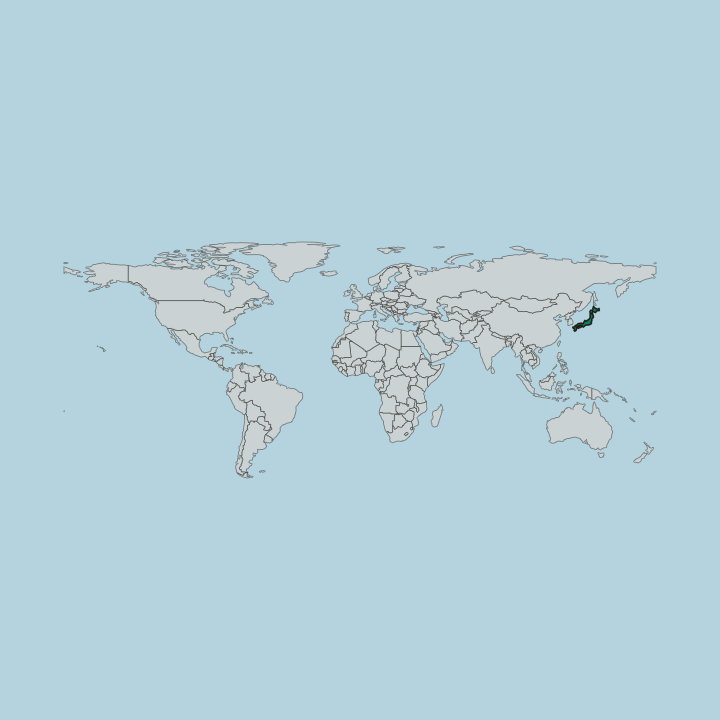
Matsue occupies a wide municipality in the Chūgoku region of Honshu. Over five hundred square kilometres of ground make the capital of Shimane Prefecture far larger on the map than the castle-town core suggests, and much of that area lies well outside any visitor's usual radius. Honshu's temperate belt covers it.
Tawayama ruins and Jingoda Site sit out in that wider territory, which is the clearest sign of how much of Matsue exists beyond the streets below the castle.
What is the climate of Matsue?
Weather decides the order, not the list. A temperate year in the Chūgoku region of Honshu brings four marked seasons, and the wet stretches inside them are what the indoor half of Matsue exists to absorb. The galleries take the rain.
Shimane Art Museum, the Tanabe Art Museum and the Matsue History Museum hold a grey day comfortably, while Matsue Castle and the streets around Buke Yashiki want the dry hours.
How do you get to Matsue?
Matsue is the prefectural capital. Routes into Shimane Prefecture converge on its administrative centre, so a traveller crossing the Chūgoku region of Honshu will find this the easiest place in the prefecture to reach and the easiest to leave. Inside the city the split matters.
Matsue Castle and the Lafcadio Hearn sites sit in the walkable core, while Tawayama ruins and Jingoda Site need transport and a plan.
Common questions
What is the best area to stay in Matsue?
Under Matsue Castle: Heritage mornings that begin at the Matsue Castle gate. The Lafcadio Hearn side: Travellers here for Lafcadio Hearn's Former Residence and his memorial museum. Near the Shimane Art Museum: Gallery days pacing the Shimane Art Museum against the Tanabe Art Museum.
Good for
More cities in Shimane-ken
Updated October 2026