Japan · Tokushima-ken
Where to Stay in Narutochō-mitsuishi, Tokushima-ken
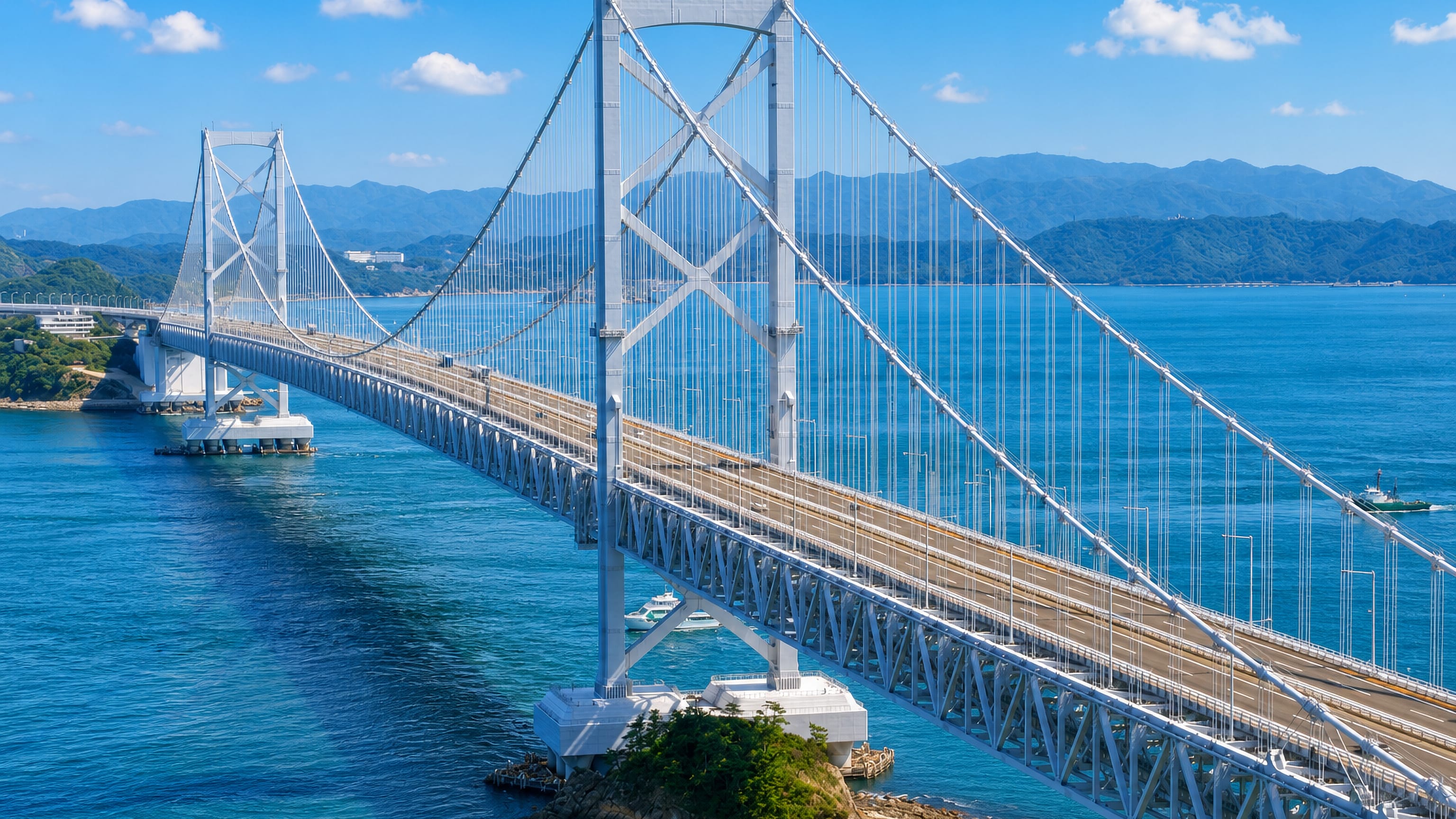
Naruto is a Tokushima coast city on the Naruto Strait, with the Ōtsuka Museum of Art inland of the water and kofun ground behind it.
Hotel links are affiliate links: booking through them may earn us a commission, at no extra cost to you. It never affects how places are ranked. How this works


Where to stay in Narutochō-mitsuishi
How the choice of base plays out on the ground.
Coast and kofun ground make different cases. A base near the Naruto Strait and the Ōtsuka Museum of Art puts the two heaviest draws within reach of each other, which is the straightforward reading of a stay in this city. Inland is quieter.
The Naruto Itano Kofun Cluster, the Kanegatani Site and the Hinoki-Hachimakiyama Site are spread rather than gathered, so a room chosen for the road out of town saves more of the day than one chosen for a view of the water. One vehicle changes the whole calculation. If you want the Morisaki Shell Mound and the Naruto German House inside the same day, a middle address beats either extreme, because 135 square kilometres can be crossed twice without the afternoon vanishing into the drive.
Rooms are not concentrated in one quarter. Roadside station Dai9-no-sato marks the sort of stop that fills the gaps when accommodation itself is thinly spread, and planning around that is more useful here than picking a fashionable street. Indoor weight sits on the coast.
The Ōtsuka Museum of Art and the NFT Naruto Museum are what a wet day in Naruto actually runs on, so a stay placed towards the strait carries less risk than one placed among the excavated sites.
Find hotels in Narutochō-mitsuishi
Direct booking searches for these neighbourhoods.
The strait shore
The seaward side holds the Naruto Strait, the Ōtsuka Museum of Art and the Naruto German House on a single short circuit instead of across the municipalityFind hotels in The strait shoreVisitors working through the Naruto Itano Kofun Cluster and the Kanegatani SiteThe kofun side
An inland address cuts the daily run out to the Naruto Itano Kofun Cluster, the Hinoki-Hachimakiyama Site and the Morisaki Shell Mound. Rooms are few around here — worth securing early.Find hotels in The kofun sideDrivers splitting a day between the Naruto Strait and the excavated groundBy Roadside station Dai9-no-sato
A road-facing base near Roadside station Dai9-no-sato turns the crossing between coast and kofun ground into an errand rather than the main event of the day. Few places to stay nearby — book ahead.Find hotels in By Roadside station Dai9-no-satoHotel links are affiliate links: booking through them may earn us a commission, at no extra cost to you. It never affects how places are ranked. How this works
Things to do in Narutochō-mitsuishi
Ranked by global recognition; descriptions from Wikidata (CC0).
Museums & Galleries
3- Ōtsuka Museum of Art
- Naruto German House
- NFT Naruto Museum
Castles & Historic Sites
2- Hinoki-Hachimakiyama Site
- Kanegatani Site
worth knowingacross 2 categories in Narutochō-mitsuishi
About Narutochō-mitsuishi
What is Narutochō-mitsuishi known for?
The Naruto Strait carries the name and most of the attention. Against that water, the Ōtsuka Museum of Art stands as the largest indoor draw in a city of some 135 square kilometres, and the Naruto German House adds a second and quite unrelated museum subject near the same coast. Two very different pulls.
Older ground fills the space between them, from the Naruto Itano Kofun Cluster to the Morisaki Shell Mound.
What are the main landmarks in Narutochō-mitsuishi?
Burial ground dominates the inland list. The Naruto Itano Kofun Cluster gathers its kofun under one name, while the Kanegatani Site and the Hinoki-Hachimakiyama Site mark ground rather than standing structures. The Morisaki Shell Mound is a different record again.
Roadside station Dai9-no-sato and the NFT Naruto Museum sit at the far modern end of the same list, which is an unusually wide span for a city of this size.
What is the history of Narutochō-mitsuishi?
City status arrived in 1947. The municipality was entered in the register that year as Meinan-shi, at the start of the post-war reordering of local government in Tokushima Prefecture, and every administrative thread in Naruto runs back to that date rather than through it. Ground here is much older.
The Morisaki Shell Mound and the Naruto Itano Kofun Cluster hold a record of settlement that predates any charter by a long margin, and the Kanegatani Site and the Hinoki-Hachimakiyama Site carry the same story into the inland part of the municipality. Two museums face outward instead. The Naruto German House takes its subject from beyond Japan, and the Ōtsuka Museum of Art anchors the coastal side of a visit with a collection rather than with local excavation.
Water and city share the Naruto name. The Naruto Strait is the constant against which the rest of this history is measured, since the settlement pattern of a coast city answers to its water before it answers to its paperwork. Newer names keep appearing.
Roadside station Dai9-no-sato and the NFT Naruto Museum are the most recent entries on a list that begins with shell and ends with a screen.
Where is Narutochō-mitsuishi?
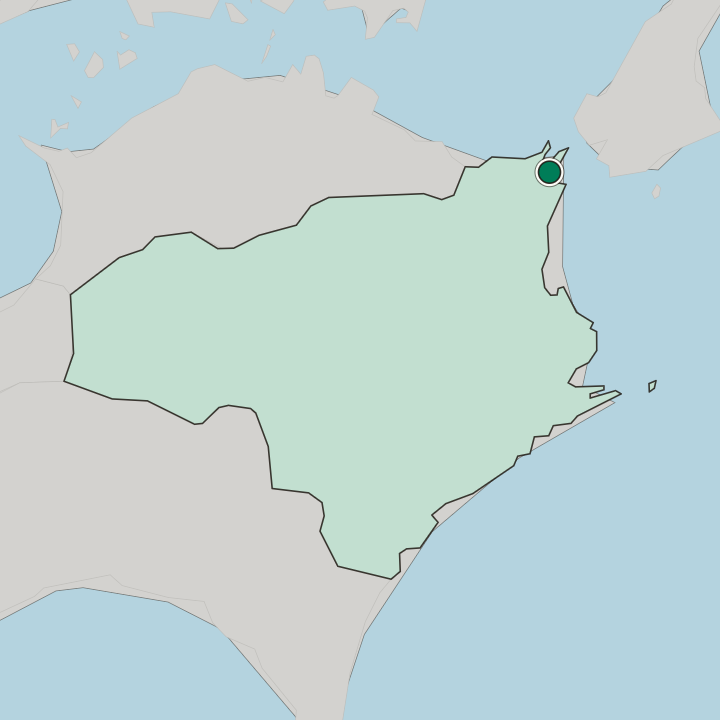
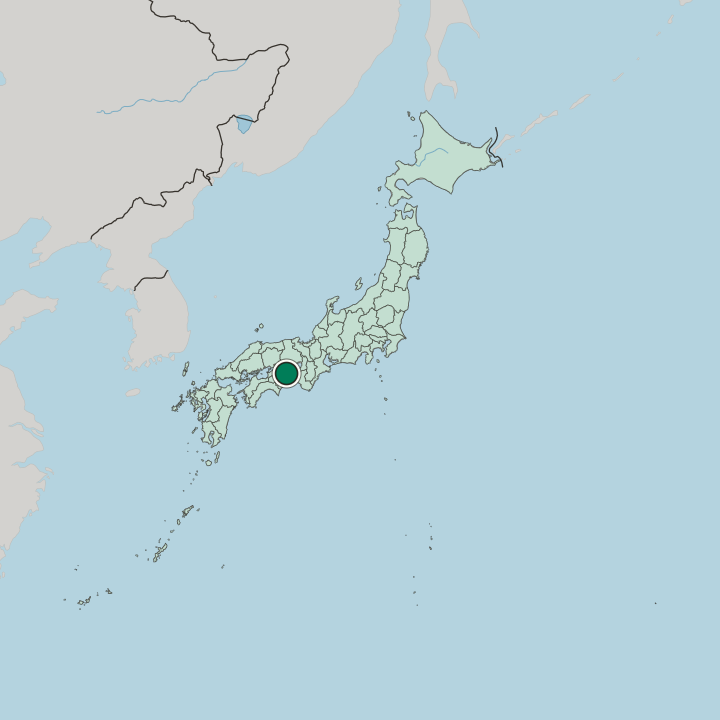
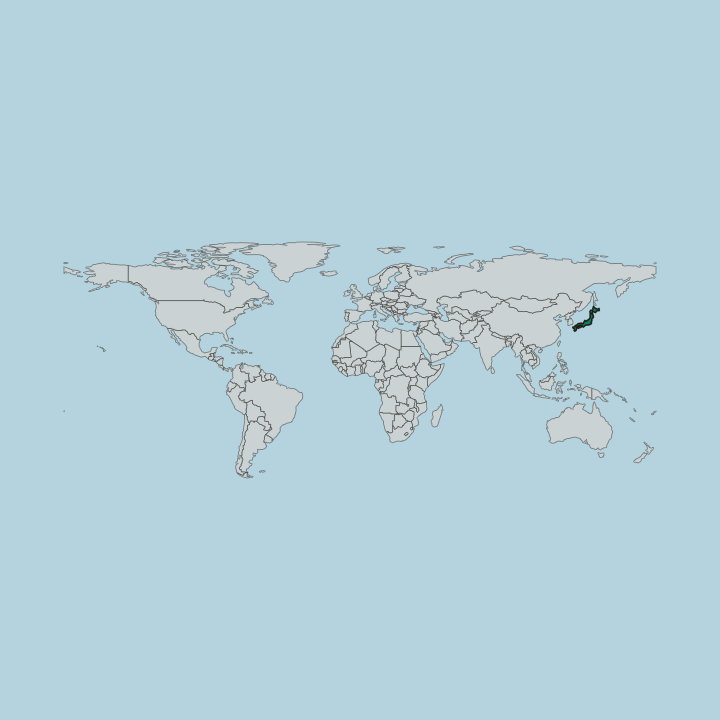
Coast and inland ground divide the municipality's 135 square kilometres between them, with the Naruto Strait along one flank and kofun country behind. Nothing lies far from the water. The Ōtsuka Museum of Art, the Naruto German House and Roadside station Dai9-no-sato belong to a compact stretch of Tokushima Prefecture that one day of driving covers without any strain at all.
What is the climate of Narutochō-mitsuishi?
Naruto sits in the subtropical band, so the year runs warm and long rather than sharply divided, and the water of the Naruto Strait works on both ends of it. Indoor options are strong. The Ōtsuka Museum of Art can absorb an entire wet day on its own, and the NFT Naruto Museum gives a second roof when the weather refuses to lift.
How do you get to Narutochō-mitsuishi?
Approaches here are road-shaped. Roadside station Dai9-no-sato is the plainest evidence of that, sitting on the sort of route that carries most arrivals into this corner of Tokushima Prefecture, while the Naruto Strait marks the seaward limit beyond which a road stops being useful. The city is compact once entered.
Its 135 square kilometres leave the Ōtsuka Museum of Art and the Naruto Itano Kofun Cluster inside the same short drive.
Common questions
What is the best area to stay in Narutochō-mitsuishi?
The strait shore: Stays that keep the Naruto Strait and the Ōtsuka Museum of Art in one walk. The kofun side: Visitors working through the Naruto Itano Kofun Cluster and the Kanegatani Site. By Roadside station Dai9-no-sato: Drivers splitting a day between the Naruto Strait and the excavated ground.
Good for
More cities in Tokushima-ken
Updated October 2026