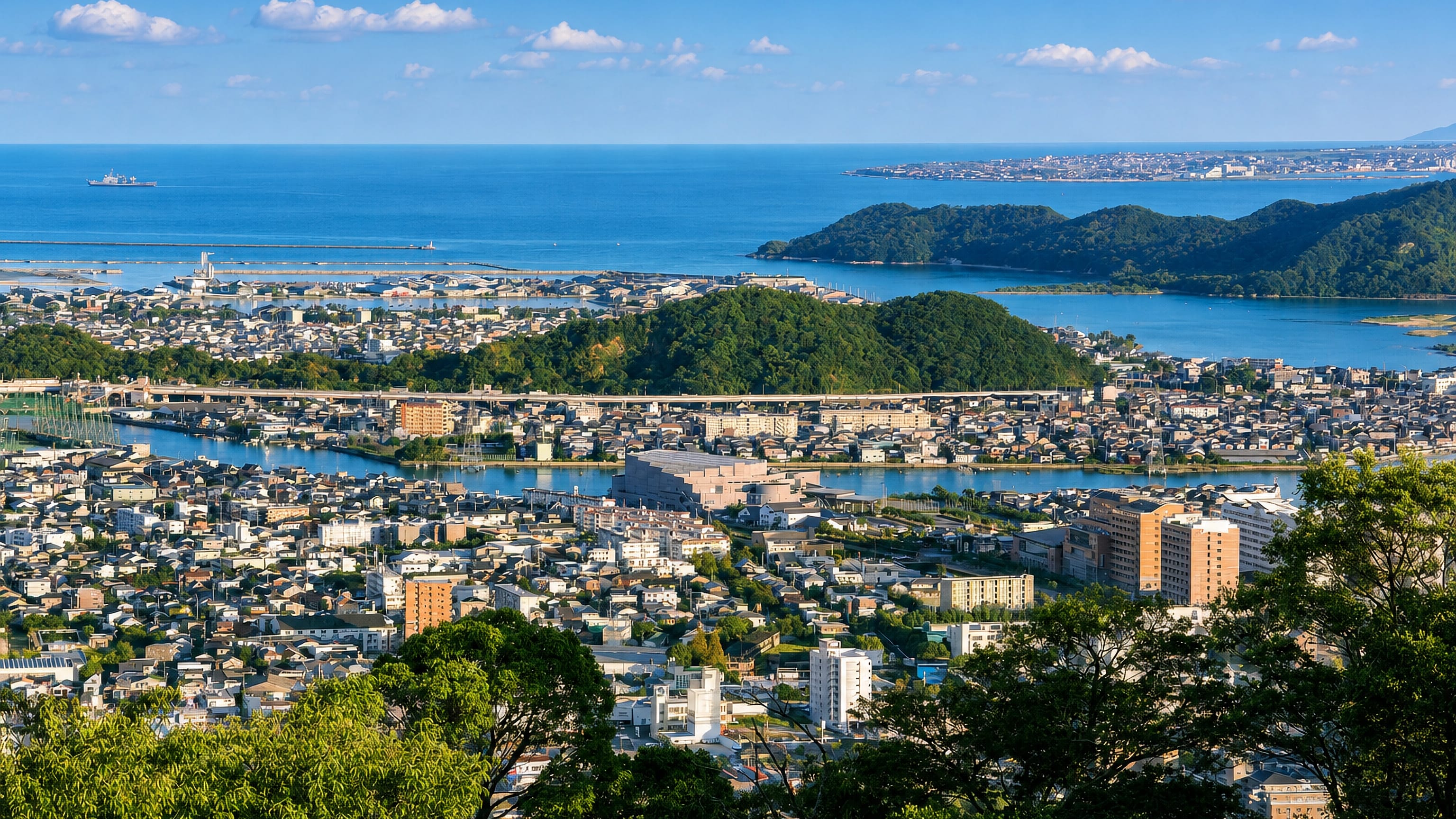
Japan · Tokushima-ken
Where to Stay in Tokushima, Tokushima-ken
Tokushima shares its name with the prefecture around it, a subtropical city of Awa halls, surviving old houses and the Tokushima Castle Museum.
Hotel links are affiliate links: booking through them may earn us a commission, at no extra cost to you. It never affects how places are ranked. How this works


Where to stay in Tokushima
Where visitors usually base themselves, and why.
The centre carries almost everything. A room within walking distance of the Tokushima Castle Museum and the Awa Odori Kaikan also reaches the Tokushima Prefectural Museum of Literature and Calligraphy and the Suoh Art Museum on foot, which is the entire argument for staying central in a municipality of 191 square kilometres. Outlying nights make less sense.
The city is wide, but its interest is not spread evenly across that width. Houses argue for a slower base. Mikawa House, Harada House and Takahashi House are the sort of visit that rewards an unplanned hour instead of a scheduled one, and a central address is what makes an unplanned hour possible at all.
Indoor evenings have their own logic. Awa Gin Plaza, the Tokushima Kyōdo Bunka Kaikan and the Ayoh Museum belong to the same short list of covered options, and none of them justifies moving hotels. Quiet demands a trade.
Distance from the centre buys calm and costs you the walk to Tokushima Prefectural War Memorial Hall and the Awa Jurobe Yashiki, which is a poor exchange on a short stay in Tokushima Prefecture's namesake city.
Find hotels in Tokushima
Direct booking searches for these neighbourhoods.
The castle-museum centre
One central room links the Tokushima Castle Museum, the Suoh Art Museum and the Tokushima Prefectural Museum of Literature and Calligraphy with no transport at allFind hotels in The castle-museum centreSlow visits to Mikawa House, Harada House and Takahashi HouseThe surviving-house streets
Sleeping among the houses that stayed standing turns the Awa Jurobe Yashiki and Takahashi House into an unplanned hour rather than a scheduled excursion. Lodging is scarce in this area; reserve in advance.Find hotels in The surviving-house streetsEvenings divided between Awa Gin Plaza and the Tokushima Kyōdo Bunka KaikanBy Awa Gin Plaza
A base beside Awa Gin Plaza keeps the Tokushima Kyōdo Bunka Kaikan and the Ayoh Museum in reach when subtropical heat pushes the day under a roofFind hotels in By Awa Gin PlazaHotel links are affiliate links: booking through them may earn us a commission, at no extra cost to you. It never affects how places are ranked. How this works
Things to do in Tokushima
Ranked by global recognition; descriptions from Wikidata (CC0).
Museums & Galleries
3- Tokushima Castle Museum
- Tokushima Kyōdo Bunka Kaikan
- Awa Gin Plaza
Landmarks & Notable Places
3- Mikawa House
- 原田家住宅
- 高橋家住宅
worth knowingacross 2 categories in Tokushima
About Tokushima
Awa is the word that repeats.
What is Tokushima known for?
The Awa Odori Kaikan, the Awa Jurobe Yashiki and Awa Gin Plaza all carry that older name into a modern street plan, which says more about local identity than any amount of promotion could. Castle names repeat too. The Tokushima Castle Museum holds the civic end of the story, while the Suoh Art Museum and the Ayoh Museum take the smaller galleries.
What are the main landmarks in Tokushima?
Three houses survive as buildings rather than as exhibits: Mikawa House, Harada House and Takahashi House. The Tokushima Prefectural Museum of Literature and Calligraphy takes the written record, and the Tokushima Kyōdo Bunka Kaikan handles local culture in a hall built for exactly that. Tokushima Prefectural War Memorial Hall is the solemn entry.
Awa Gin Plaza and the Ayoh Museum round out a list that runs long for a city of this size.
What is the history of Tokushima?
Municipal status dates from 1889. That is the year Tokushima entered Japan's modern city system, and the paperwork of the century that followed is only the top layer of a record the Tokushima Castle Museum reaches beneath. The names split around that date.
Awa on one side and museum on the other: the Awa Odori Kaikan, the Awa Jurobe Yashiki and Awa Gin Plaza keep an older identity in daily use, while the institutions carrying Tokushima in their titles belong to the administrative era. Domestic architecture supplies a second thread. Mikawa House, Harada House and Takahashi House survive as houses, which is rarer evidence than a museum wing, because a building that stayed in use records how people actually lived rather than how a curator later chose to frame it.
Written culture has its own address. The Tokushima Prefectural Museum of Literature and Calligraphy collects the literary and calligraphic record, and the Tokushima Kyōdo Bunka Kaikan does the same work for local custom. Tokushima Prefectural War Memorial Hall marks the twentieth century's cost.
Both threads stay visible in the centre. Later galleries close the list, the Suoh Art Museum and the Ayoh Museum among them.
Where is Tokushima?
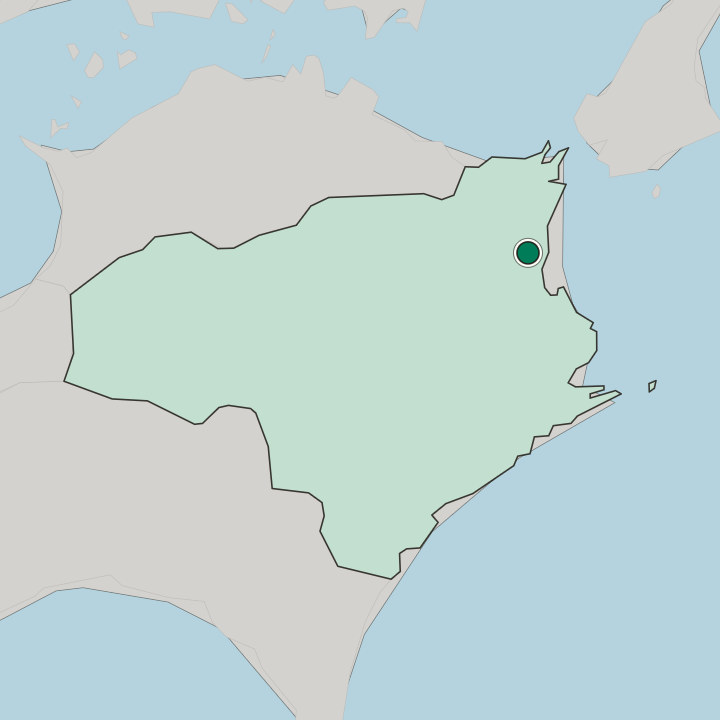
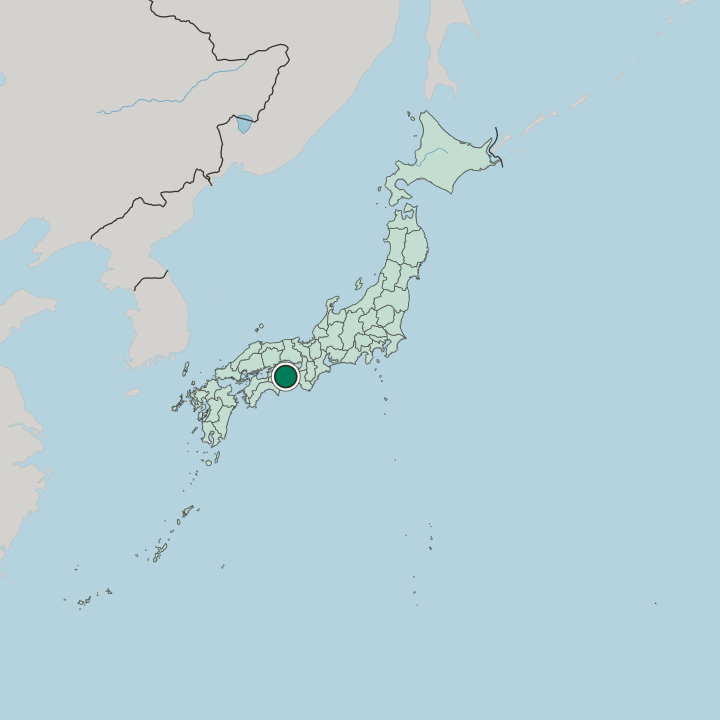
Some 191 square kilometres of Tokushima Prefecture answer to this one city hall, which is generous ground for a place whose sights cluster so tightly. The centre does the work. The Tokushima Castle Museum, the Awa Odori Kaikan and the Tokushima Prefectural Museum of Literature and Calligraphy stand close enough to be linked on foot, and the subtropical band keeps that a comfortable proposition for much of the year.
What is the climate of Tokushima?
Warmth lasts a long stretch of the year here, the ordinary condition of the subtropical band, and it shapes an outdoor evening more than it shapes a museum schedule. Shelter is easy to find. The Awa Odori Kaikan, the Tokushima Kyōdo Bunka Kaikan and the Suoh Art Museum can between them hold an entire wet afternoon without repeating themselves.
How do you get to Tokushima?
Arrival is a Tokushima Prefecture affair, and a city that shares the prefecture's name is rarely difficult to reach from within it. That final hop is brief. Whatever route brings a visitor in, 191 square kilometres is a modest area to cross, and the Tokushima Castle Museum and the Awa Odori Kaikan sit near the middle of it rather than out on some edge.
Common questions
What is the best area to stay in Tokushima?
The castle-museum centre: Walkers pairing the Tokushima Castle Museum with the Awa Odori Kaikan. The surviving-house streets: Slow visits to Mikawa House, Harada House and Takahashi House. By Awa Gin Plaza: Evenings divided between Awa Gin Plaza and the Tokushima Kyōdo Bunka Kaikan.
Good for
More cities in Tokushima-ken
Updated October 2026