Japan · Tokyo Prefecture · Higashimurayama
Sakaecho, Higashimurayama — Area Guide & Where to Stay
Sakaecho is a district of Higashimurayama in Tokyo Prefecture, built around Kumegawa Station on the Seibu Shinjuku Line and the city's commercial centre.
Hotel links are affiliate links: booking through them may earn us a commission, at no extra cost to you. It never affects how places are ranked. How this works


Where to stay in Sakaecho
Where the beds are, and what that means for the visit.
Most visits start at Kumegawa Station. The streets around it hold the commercial centre of Higashimurayama, mixed in with mid-rise and high-rise housing, so a room near the station keeps the Seibu Shinjuku Line a short walk away. Fuchu Kaido and Shin-Ome Kaido carry the roads out.
Find hotels in Sakaecho
Direct booking searches for these neighbourhoods.
Edo-Tokyo Open Air Architectural Museum side
The Edo-Tokyo Open Air Architectural Museum anchors this side of Kodaira, and Sakaecho keeps a bed inside the same city grid. Few places to stay nearby — book ahead.Find hotels in Edo-Tokyo Open Air Architectural Museum sidefollowing excavated ground rather than galleriesSuzuki Site and Maehara
The Suzuki Site and Maehara mark Kodaira's oldest recorded layers, the reason to sleep on this edge of Sakaecho instead of the museum end. Rooms are few around here — worth securing early.Find hotels in Suzuki Site and MaeharaHotel links are affiliate links: booking through them may earn us a commission, at no extra cost to you. It never affects how places are ranked. How this works
About Sakaecho
What are the main landmarks in Sakaecho?
Yasaka Shrine stands inside the district, and Kudo no Tsuji keeps an old name meaning a crossing of nine roads. The Tamako cycling and walking path crosses it too.
What is the history of Sakaecho?
Before Sakaecho was laid out, its ground belonged to the old village area of Kumegawa, with the part west of Fuchu Kaido counted as Noguchi. The station area still answers to Kumegawa. It is a different place from Kumegawacho, the district that kept the old name and added the word cho.
Where is Sakaecho?
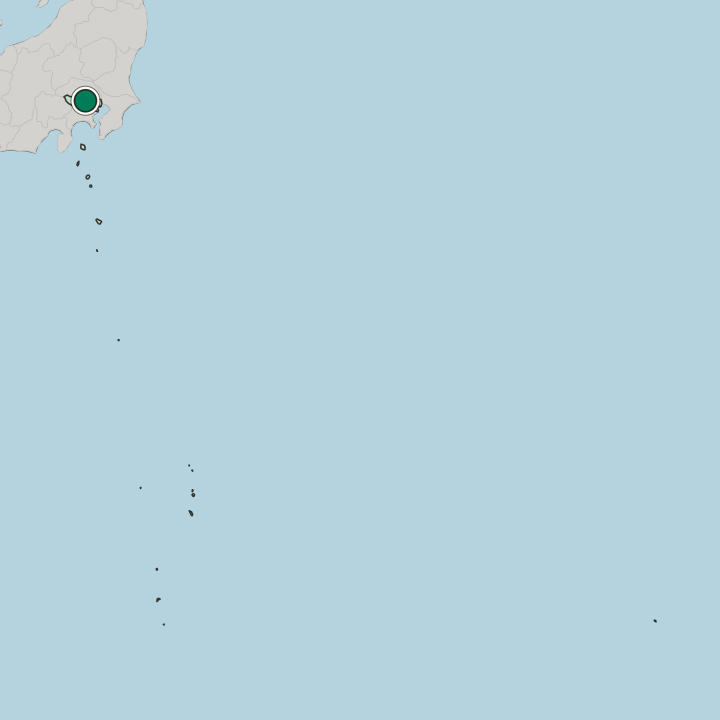
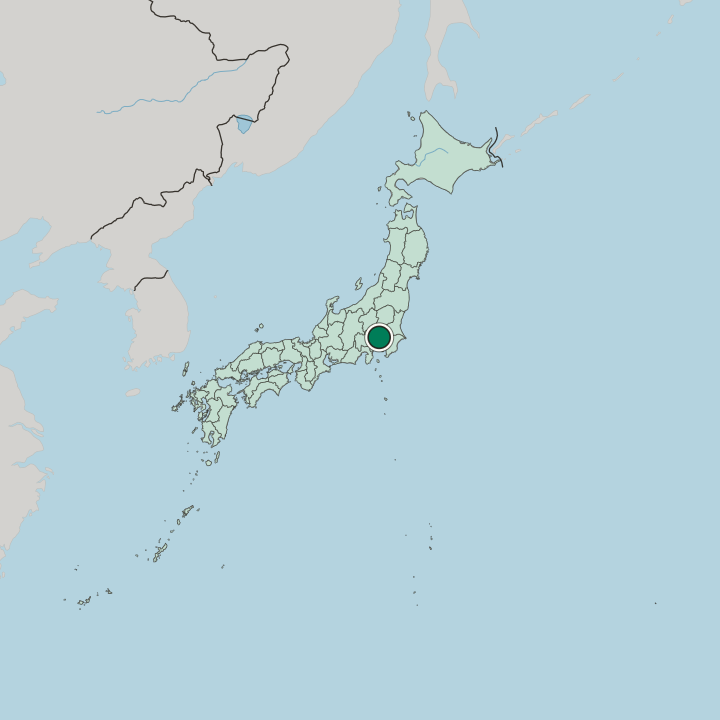
Sakaecho lies in the southern part of Higashimurayama, with Hagiyamacho to the east, Fujimicho and Misumicho to the west, and Honcho and Ondacho to the north. Its southern edge runs against Kodaira, touching Ogawa-nishimachi at just one point.
Common questions
What is the best area to stay in Sakaecho?
Edo-Tokyo Open Air Architectural Museum side: a day given over to relocated architecture. Suzuki Site and Maehara: following excavated ground rather than galleries.
Updated October 2026