Japan
Tokyo Prefecture, Japan — Towns & Travel Guide
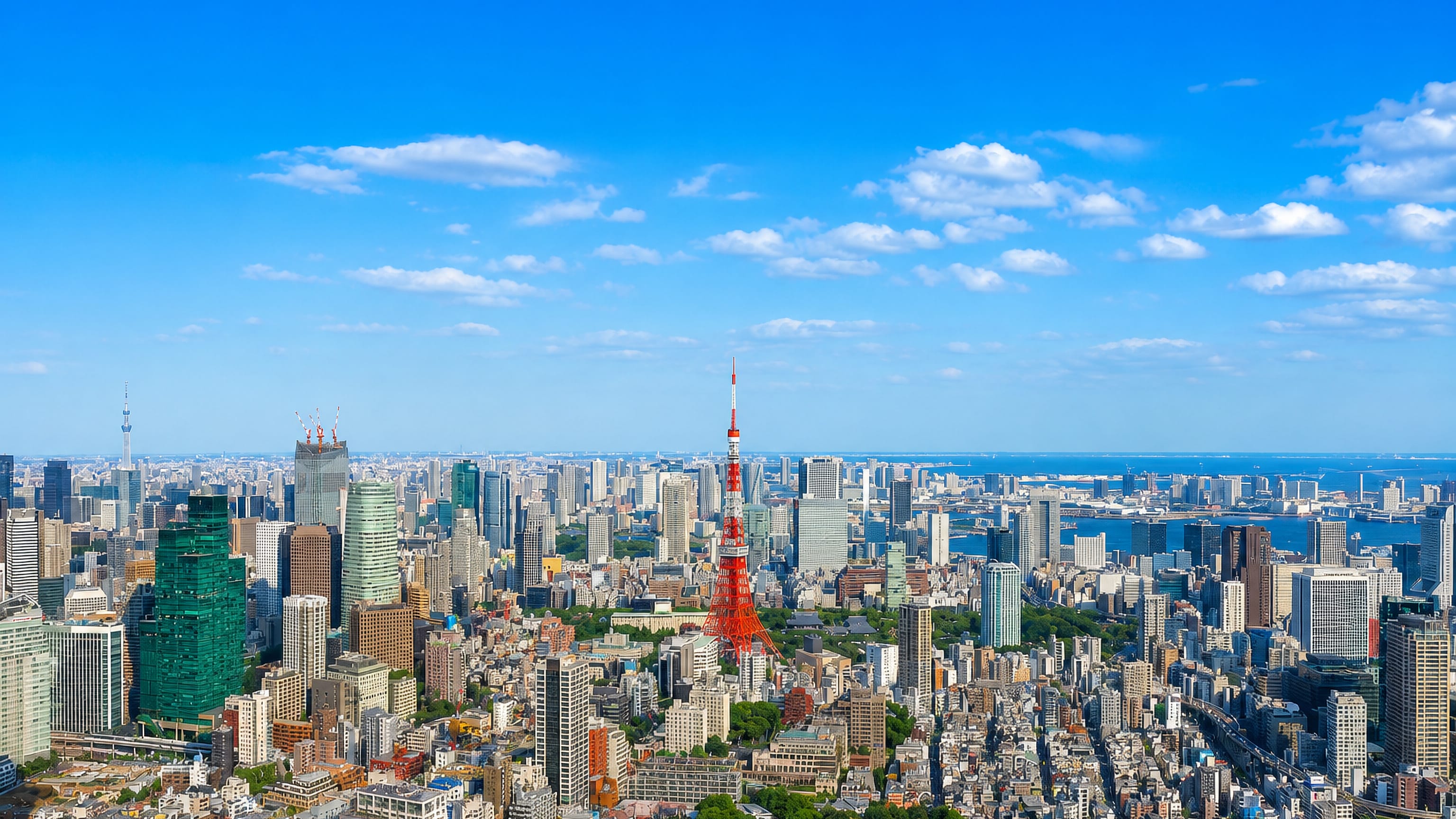
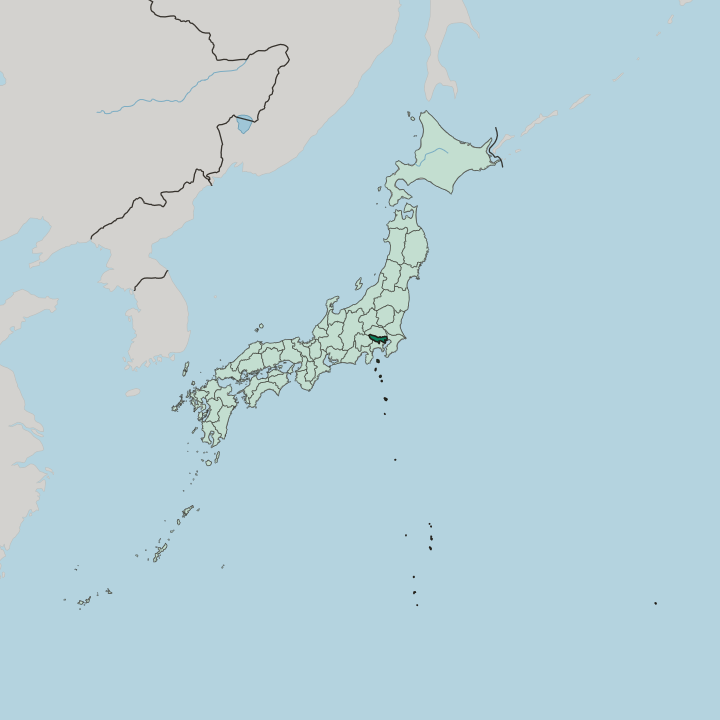
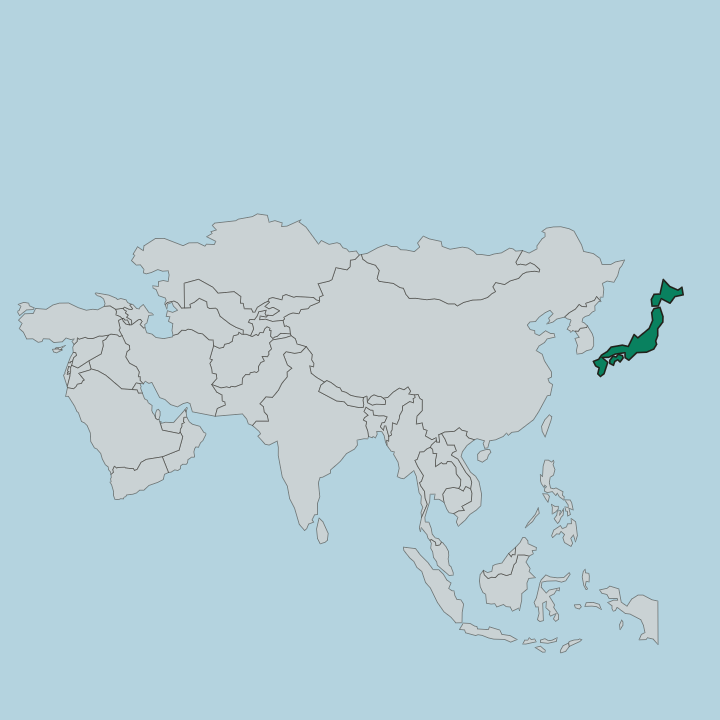
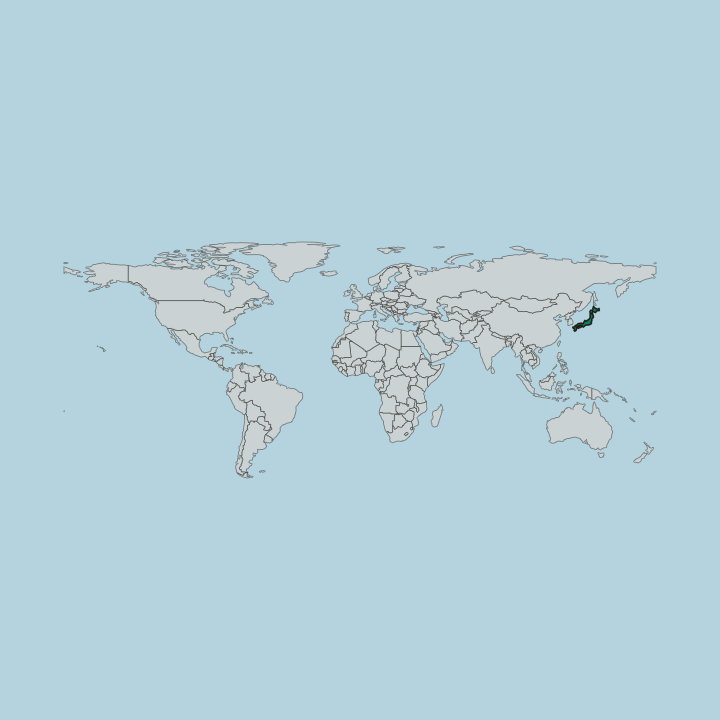
Tokyo Prefecture, the Tokyo Metropolis (Tokyo-to), is Japan's capital region, taking in the city of Tokyo, the plain of Kantō, and southern islands.
Hotel links are affiliate links: booking through them may earn us a commission, at no extra cost to you. It never affects how places are ranked. How this works


Towns & cities in Tokyo Prefecture
Pick a town or city — each links to where to stay.
 Japan
Japan
Tokyo
Skyscrapers and shrine forest stand side by side in Tokyo, the capital and main city of Japan, known for Meiji Jingū and the Shibuya scramble crossing.Where to stay →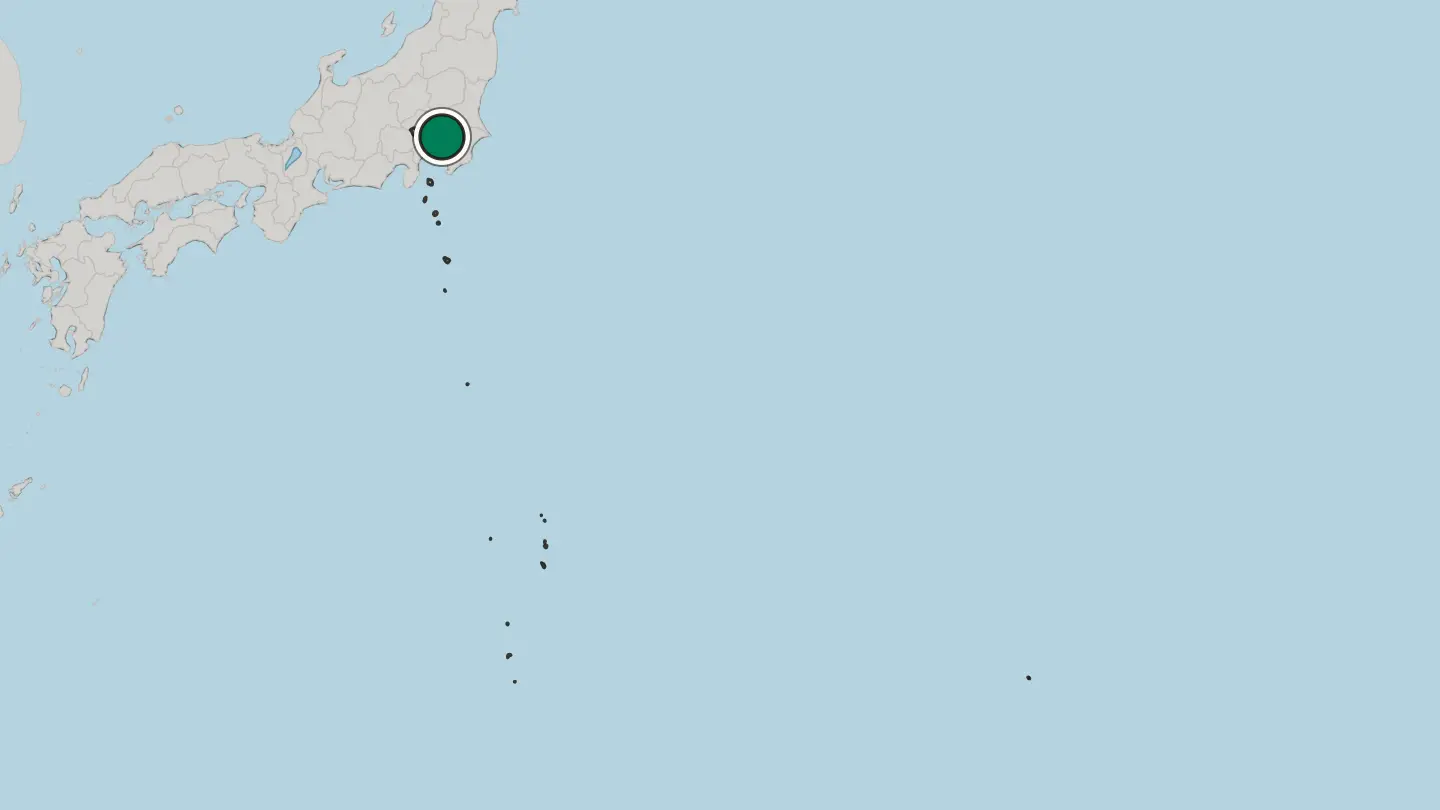
 Japan
Japan
Ōta
Ōta is a special ward of the Tokyo Metropolis formed in 1947 from Ōmori and Kamata, running to the Tama River opposite Kawasaki.Where to stay →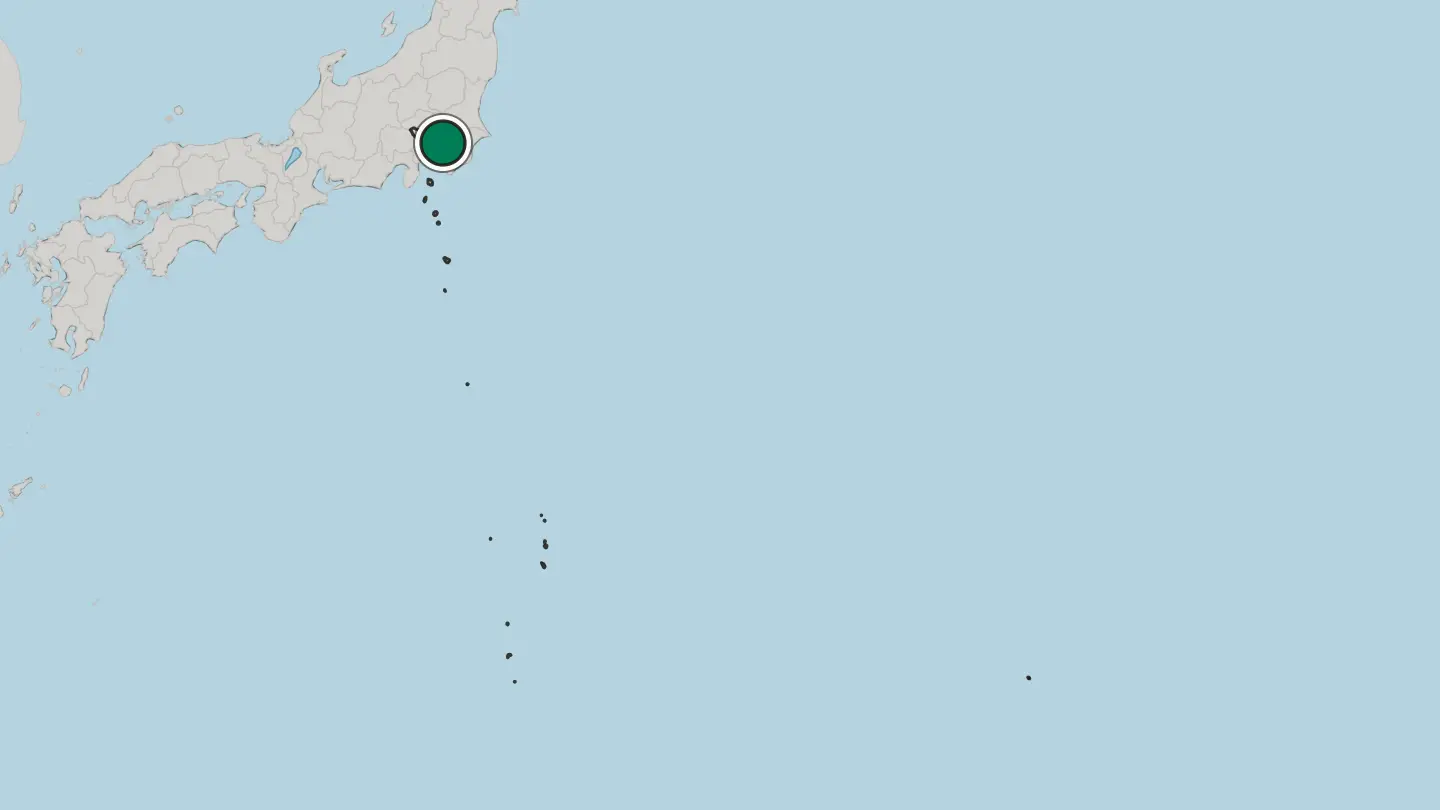
 Japan
Japan
Hachiōji
Mount Takao stands above the town. Hachiōji covers 186 square kilometres of hill country, the most populous city in Tokyo outside the special wards.Where to stay →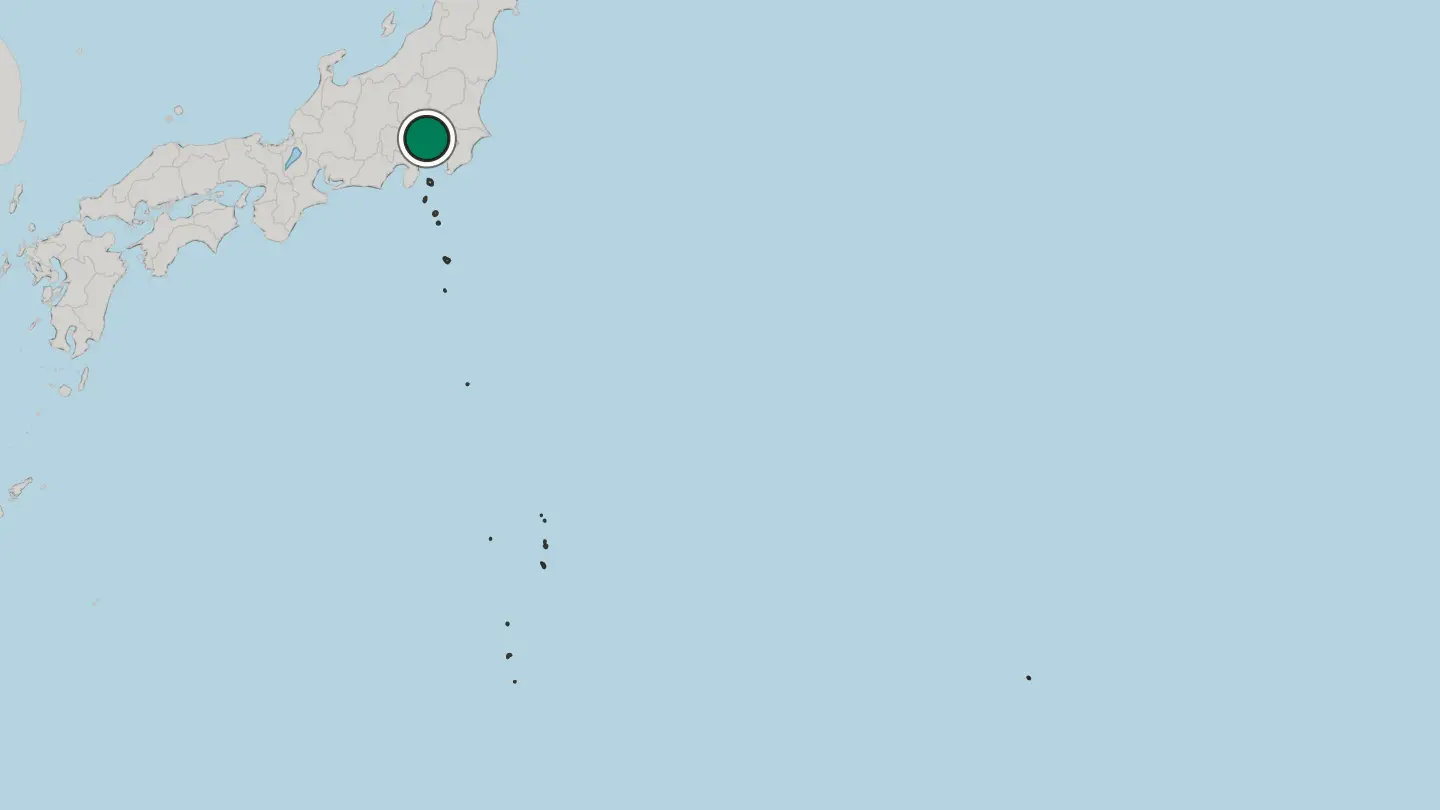
 Japan
Japan
Katsushika
Katsushika is a special ward. Known in English as Katsushika City, it holds the Tobu Museum and the Katsushika Shibamata Tora-san Museum.Where to stay →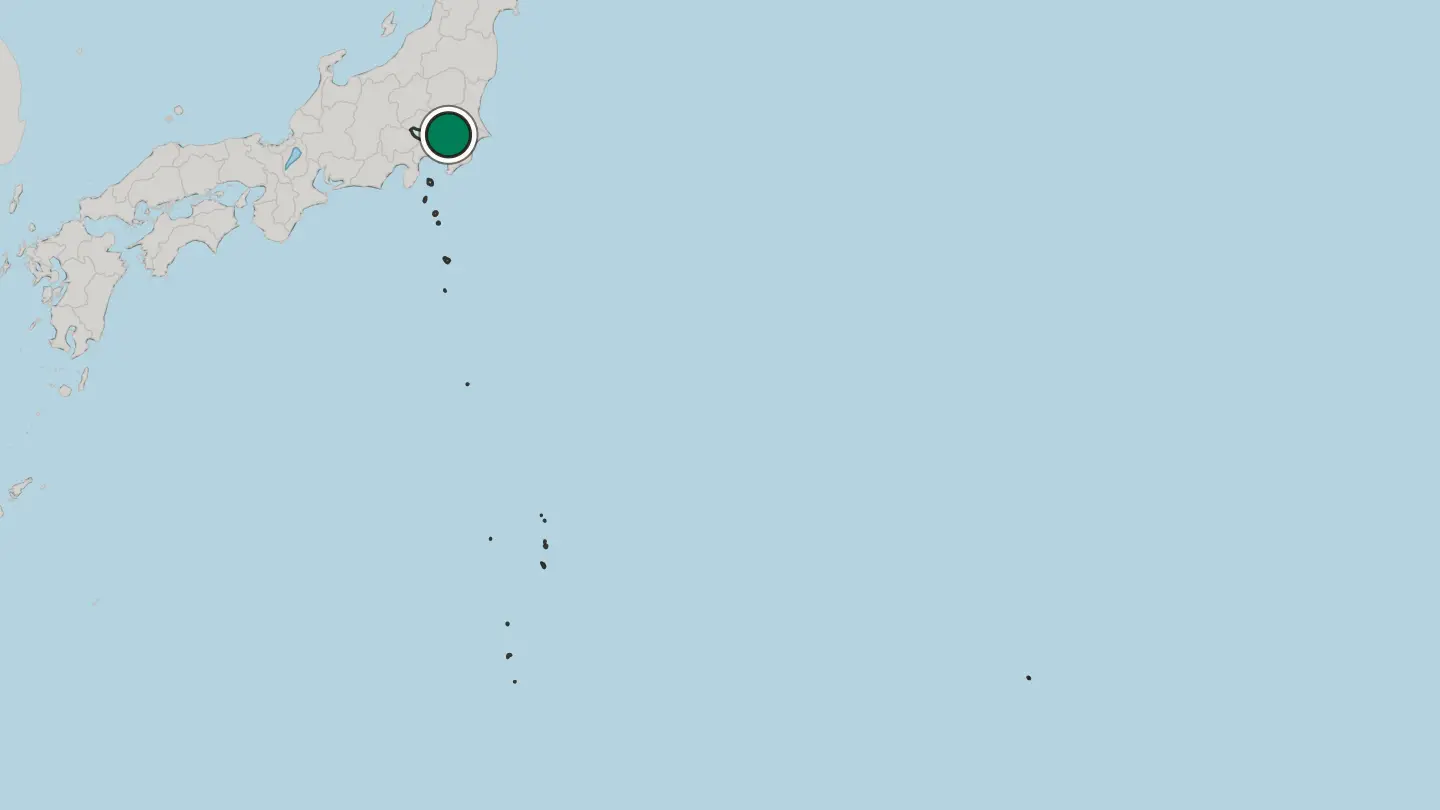
 Japan
Japan
Nakano
Nakano is a special ward of the Tokyo Metropolis, pressed up against Shinjuku, its streets thick with small single-subject museums.Where to stay →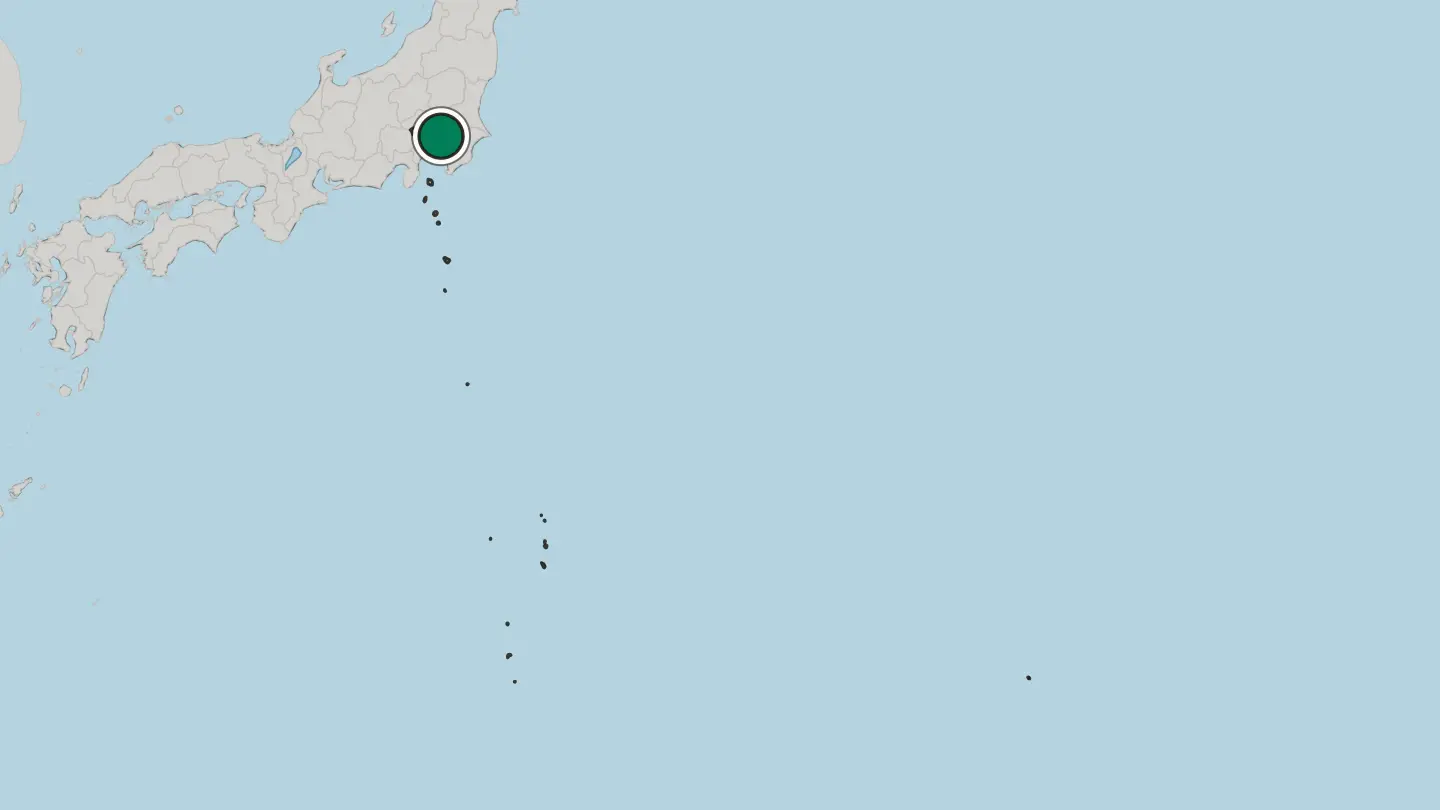
 Japan
Japan
Kita
A special ward of the Tokyo Metropolis. Kita was founded in 1947, and the Paper Museum heads a long list of small collections.Where to stay →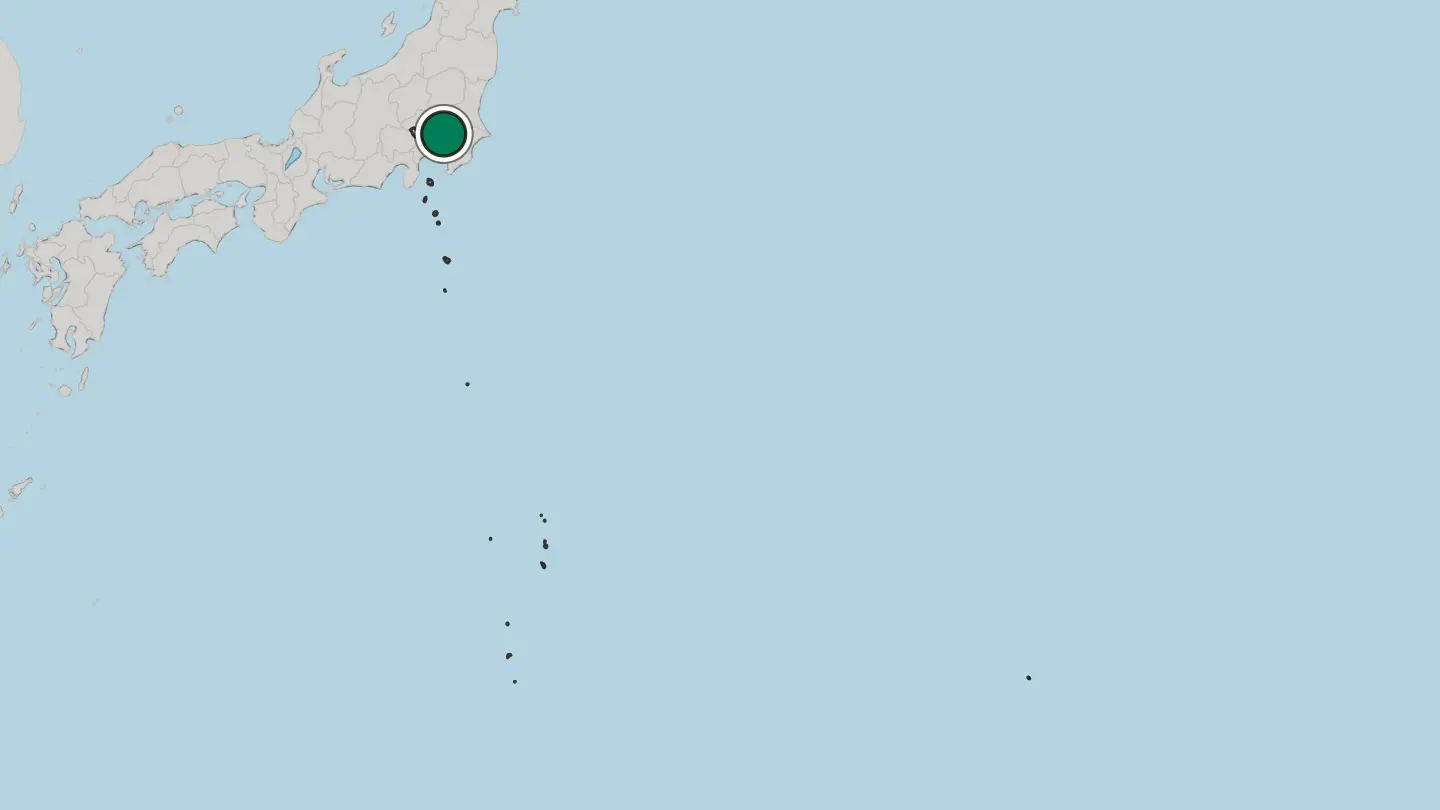
 Japan
Japan
Minato City
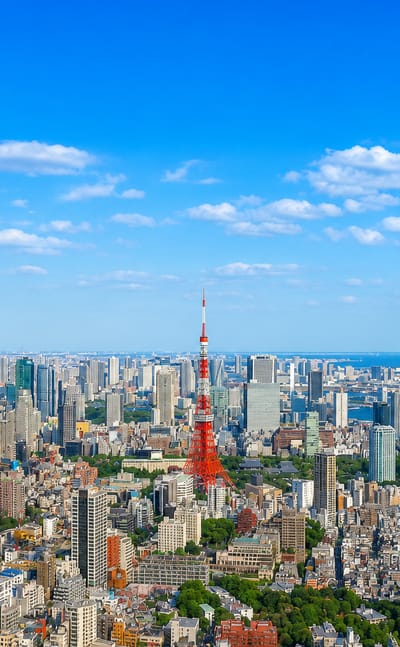
Tokyo Tower stands over the ridges of Minato City, the bayside ward of Tokyo Prefecture that holds Roppongi, Akasaka and most of the embassies.Where to stay →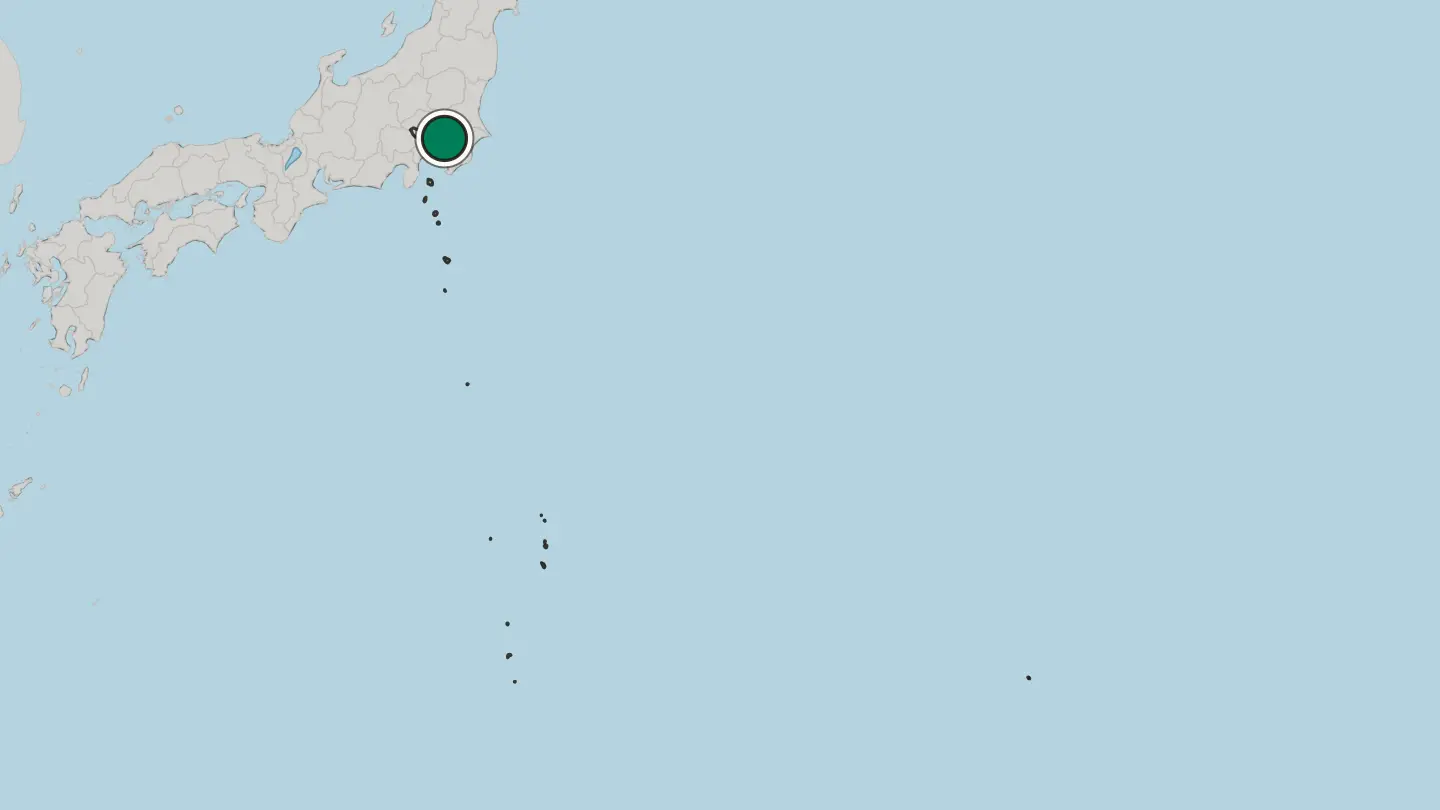
 Japan
Japan
Chōfu
Chōfu is a suburban city of the Tokyo Metropolis in Japan, where Jindaiji Temple and the Jindai Botanical gardens stand side by side.Where to stay →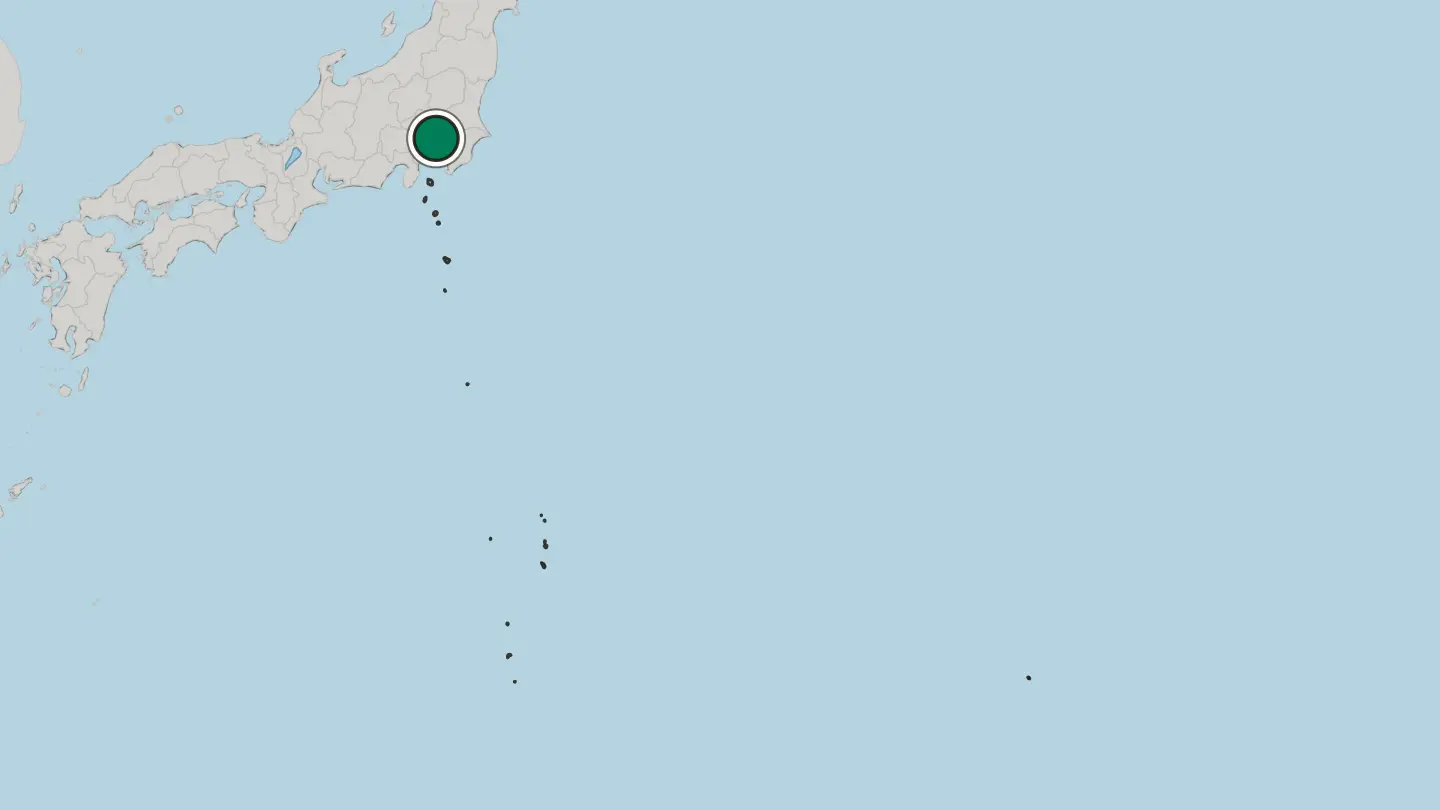
All towns & cities (27)
Japan
Nishi-Tokyo-shi
Nishi-Tokyo-shi is a city of the Tokyo Metropolis formed in 2001, an outer suburb with the Edo-Tokyo Open Air Architectural Museum nearby.Where to stay →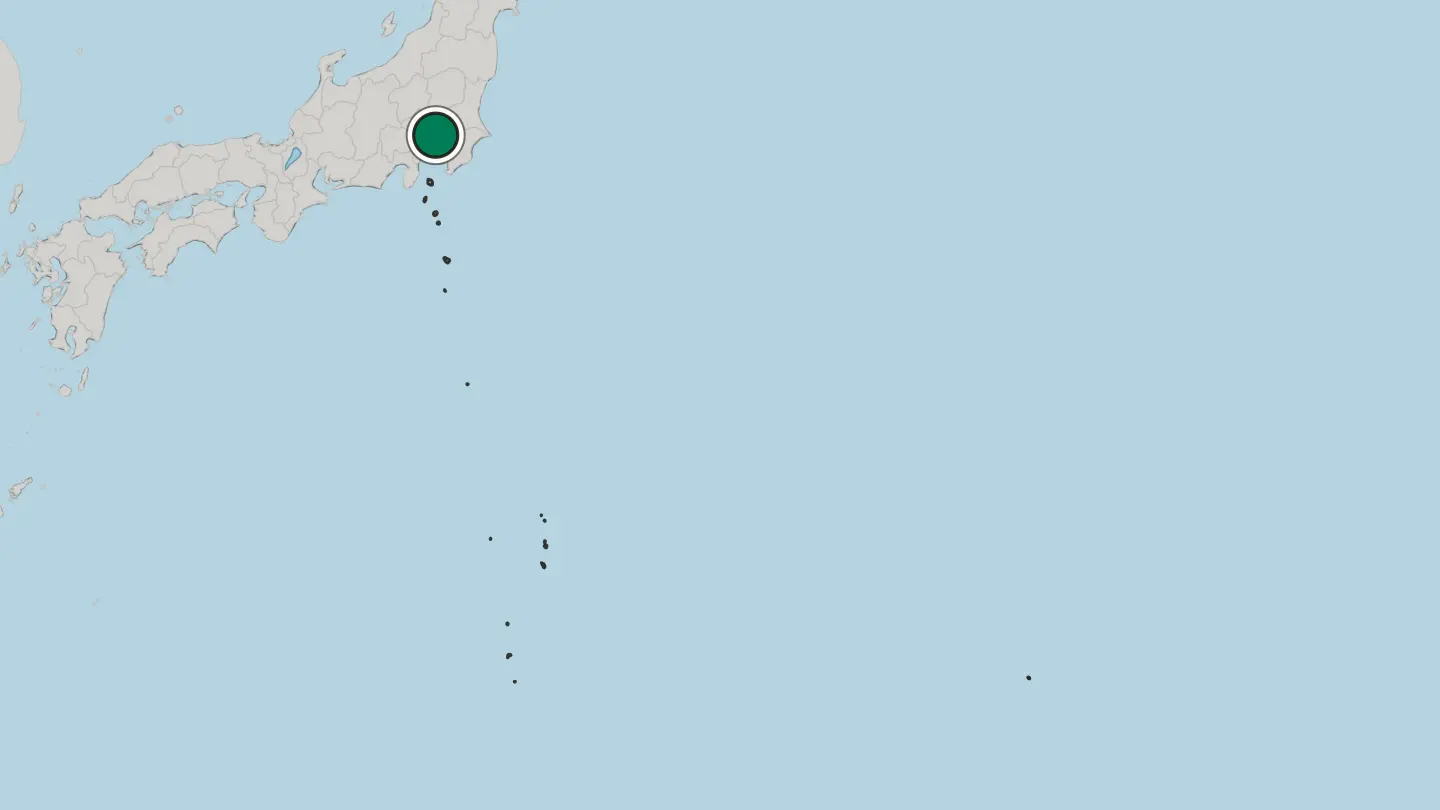 Japan
Japan
Kodaira
Kodaira dates from 1889. The city covers twenty and a half square kilometres inside the Tokyo Metropolis and keeps the Gas Museum.Where to stay →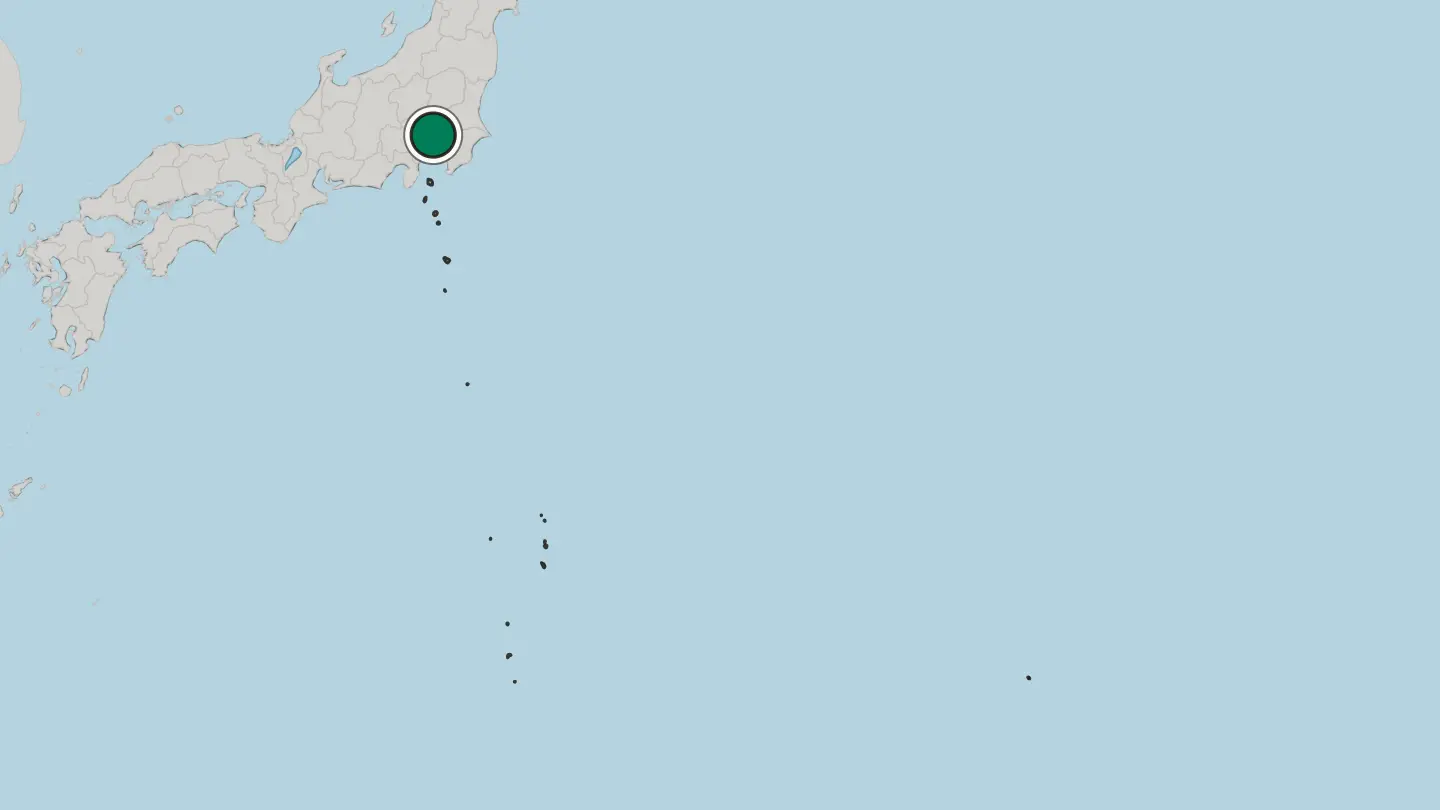 Japan
Japan
Hino
Two museums here keep the Shinsengumi. The Hijikata Toshizō Museum and the Shinsengumi Furusato Historical Museum both stand in Hino.Where to stay →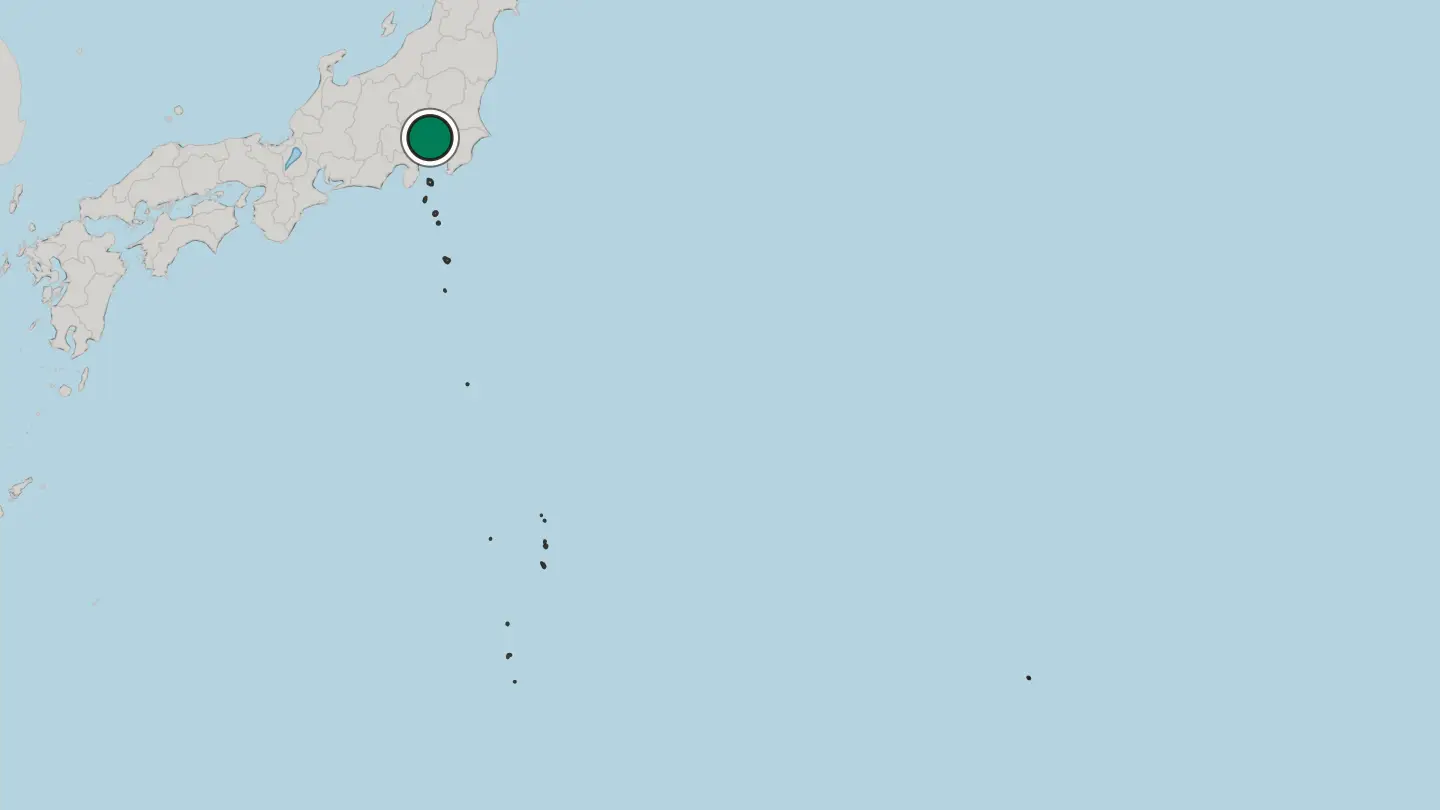
 Japan
Japan
Chūō
Chūō is a special ward of Tokyo in Japan, commercial heart of the city since the Edo period, formed in 1947 from Kyōbashi and Nihonbashi.Where to stay →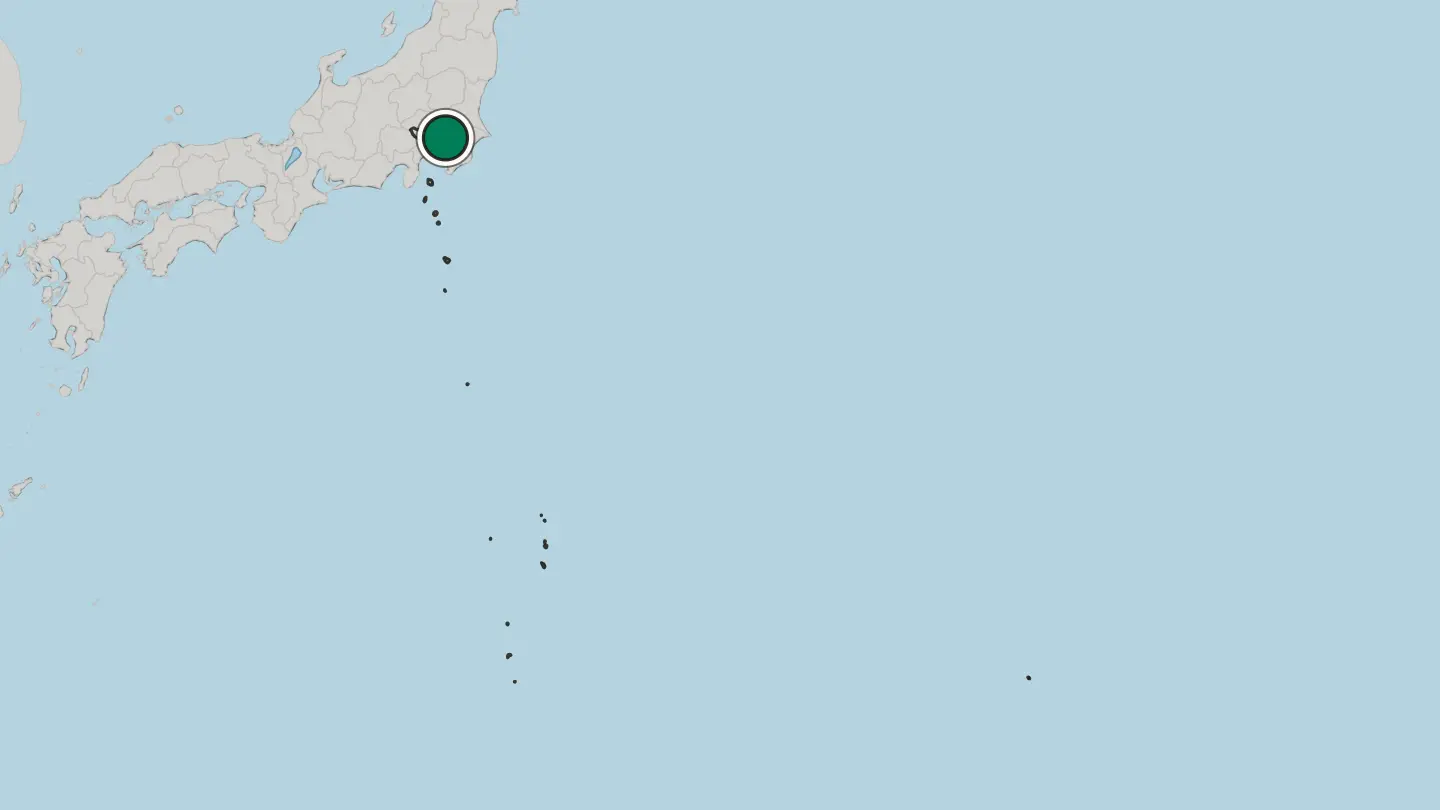
 Japan
Japan
Higashimurayama
Shōfuku-ji Temple anchors the town. Higashimurayama fills seventeen square kilometres of the Tokyo Metropolis, with Seibu-en and the Gas Museum nearby.Where to stay →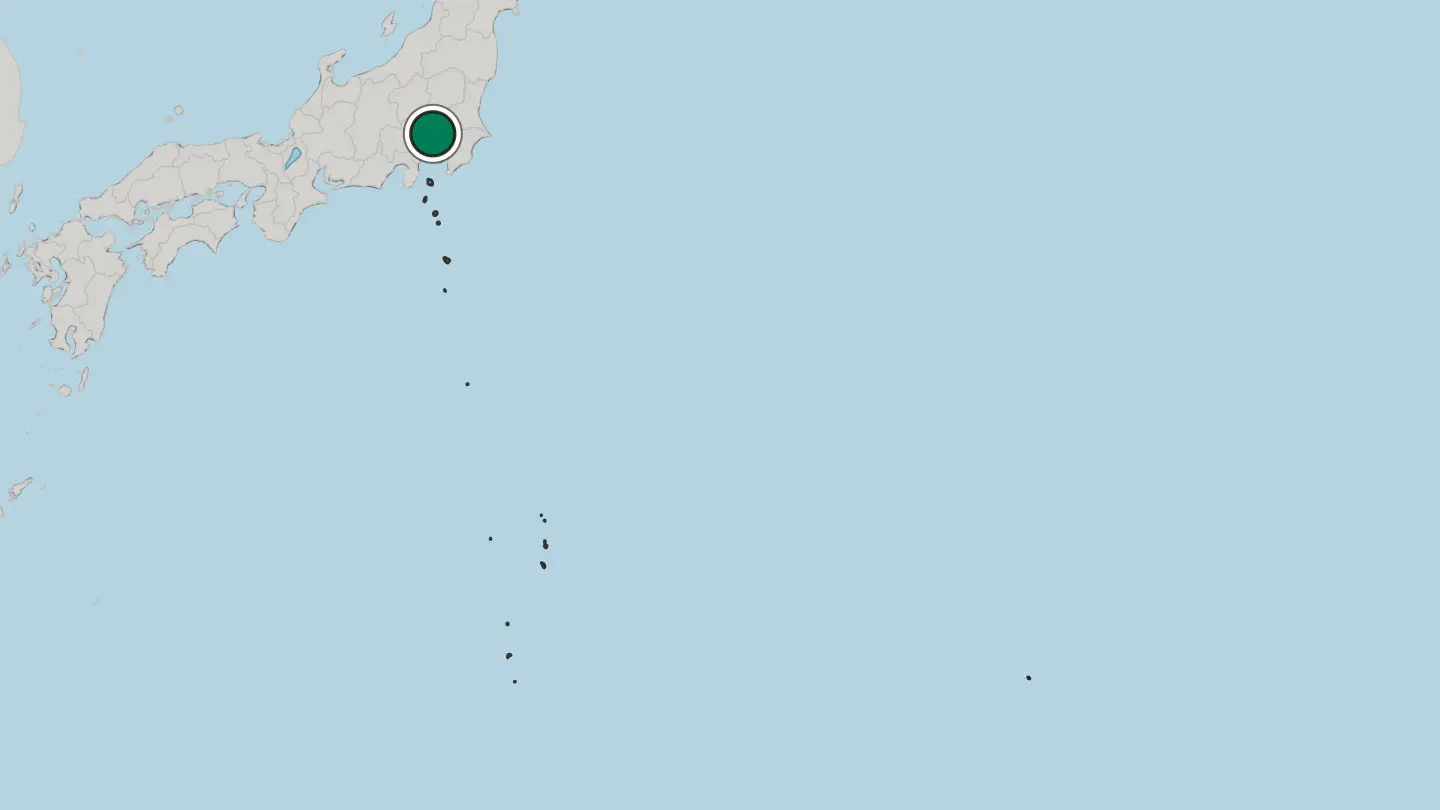
 Japan
Japan
Musashino
The Ghibli Museum tops the list. Musashino holds Kichijoji, the Inokashira Park Zoo and eleven square kilometres of the Tokyo Metropolis.Where to stay →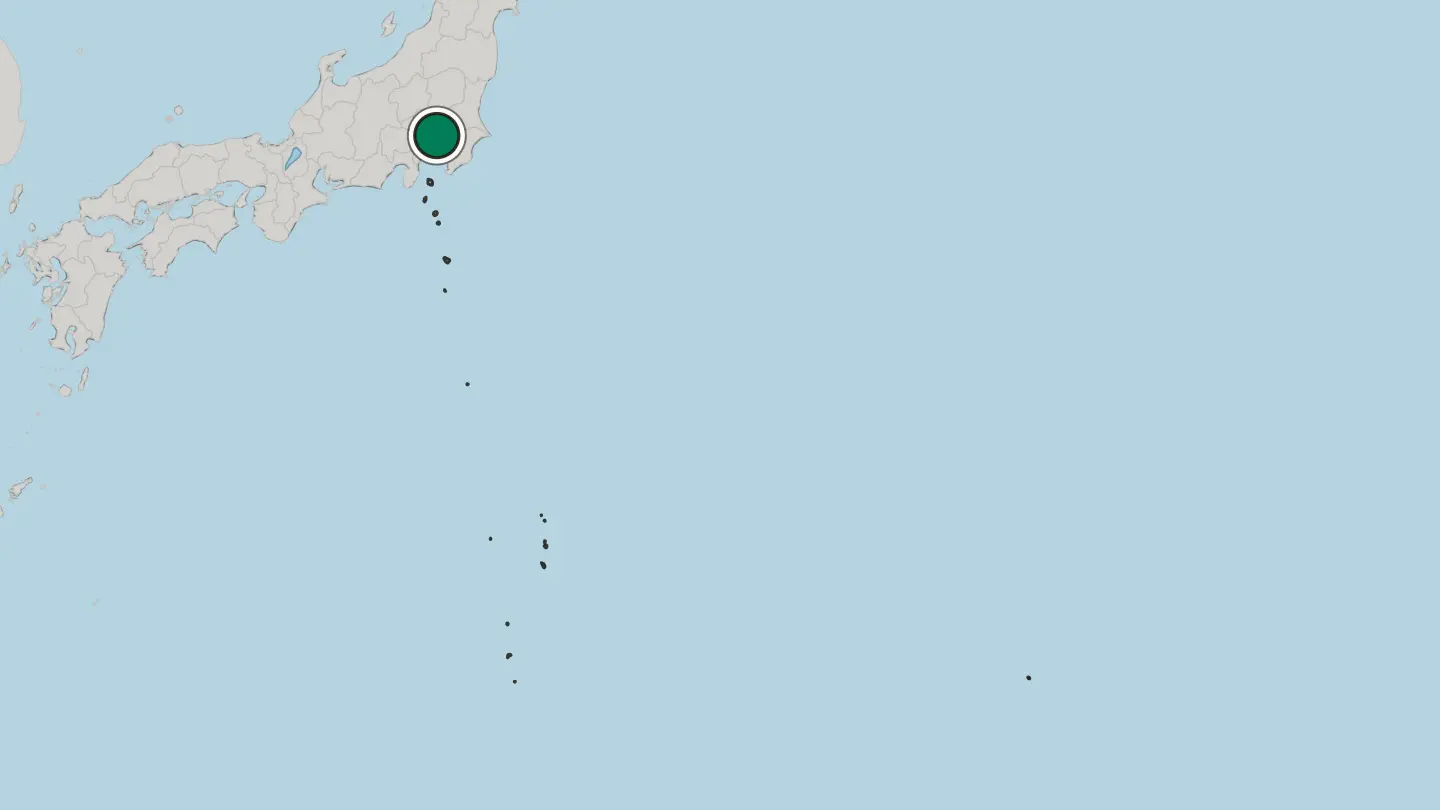
 Japan
Japan
Tama
Tama is a suburban city of the Tokyo Metropolis where Sanrio Puroland and the Hello Kitty signs at Tama Center draw most of the visitors.Where to stay →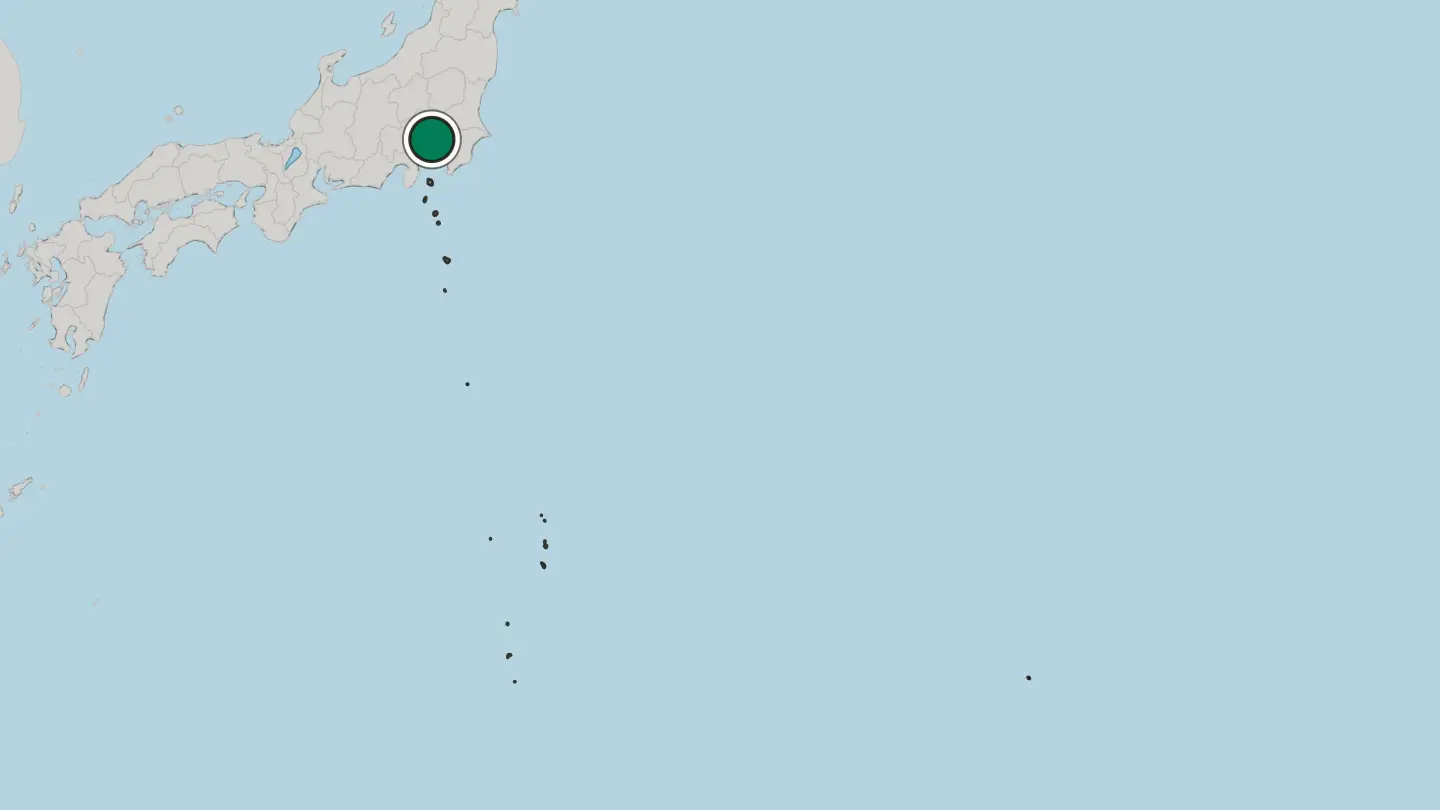 Japan
Japan
Ōme
Ōme is a city of the Tokyo Metropolis spread over a hundred square kilometres, holding Musashi Mitake Shrine and a run of small Showa-era museums.Where to stay →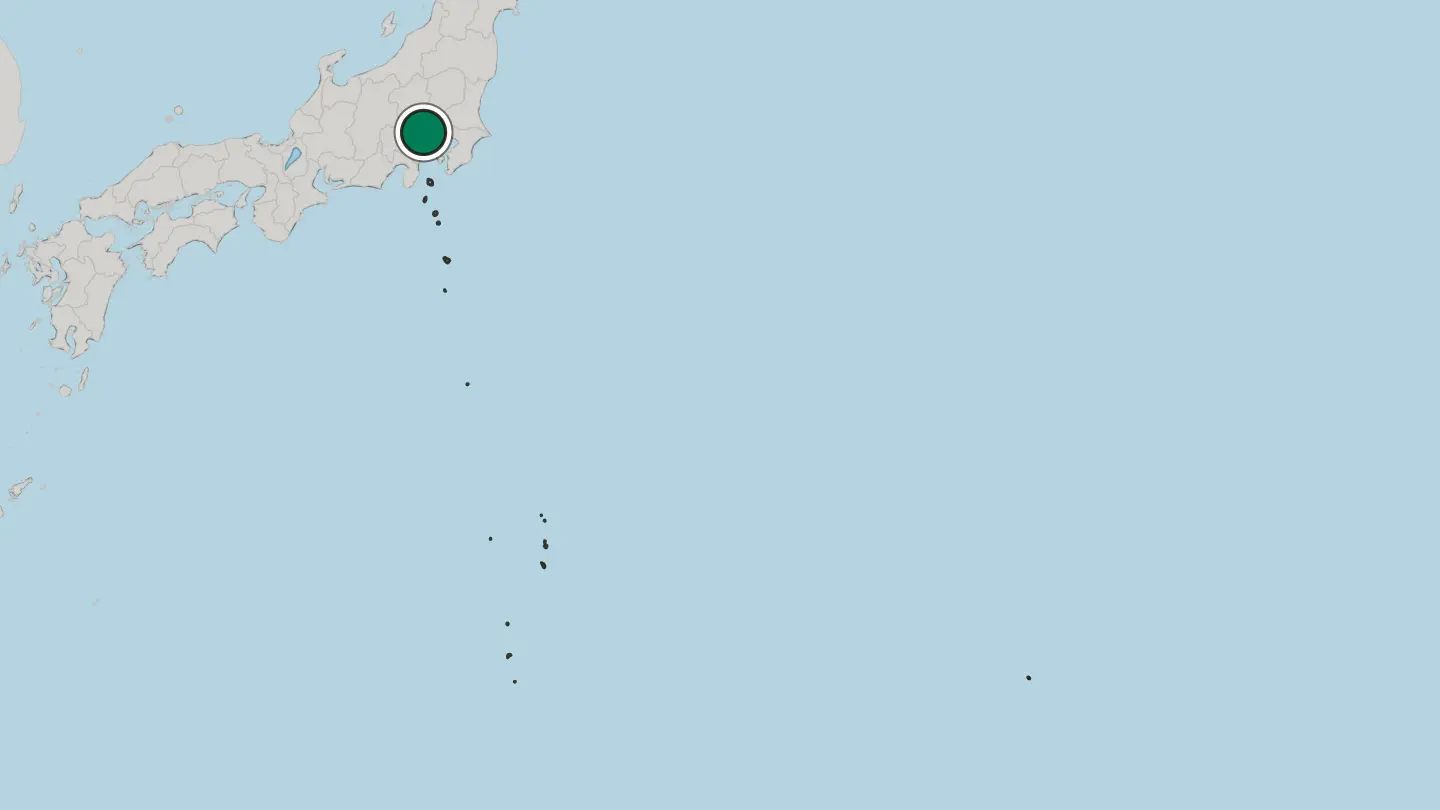 Japan
Japan
Kokubunji
Kokubunji is a city in the western portion of the Tokyo Metropolis, formed in 1889 as Kokubunji Village and known for the Musashi Kokubunji Temple remains.Where to stay →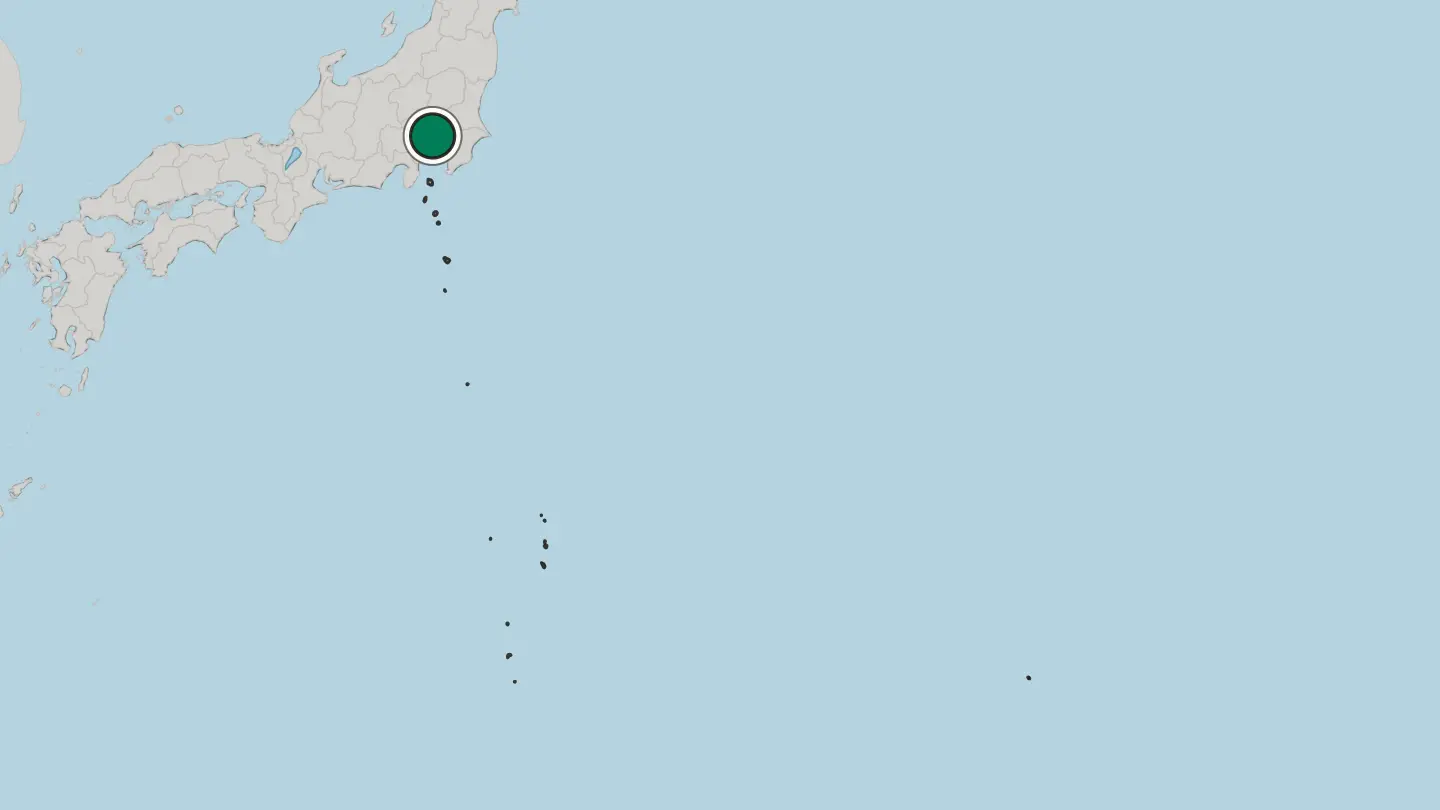 Japan
Japan
Koganei
A museum of rescued buildings. The Edo-Tokyo Open Air Architectural Museum belongs to Koganei, a small city of the Tokyo Metropolis.Where to stay →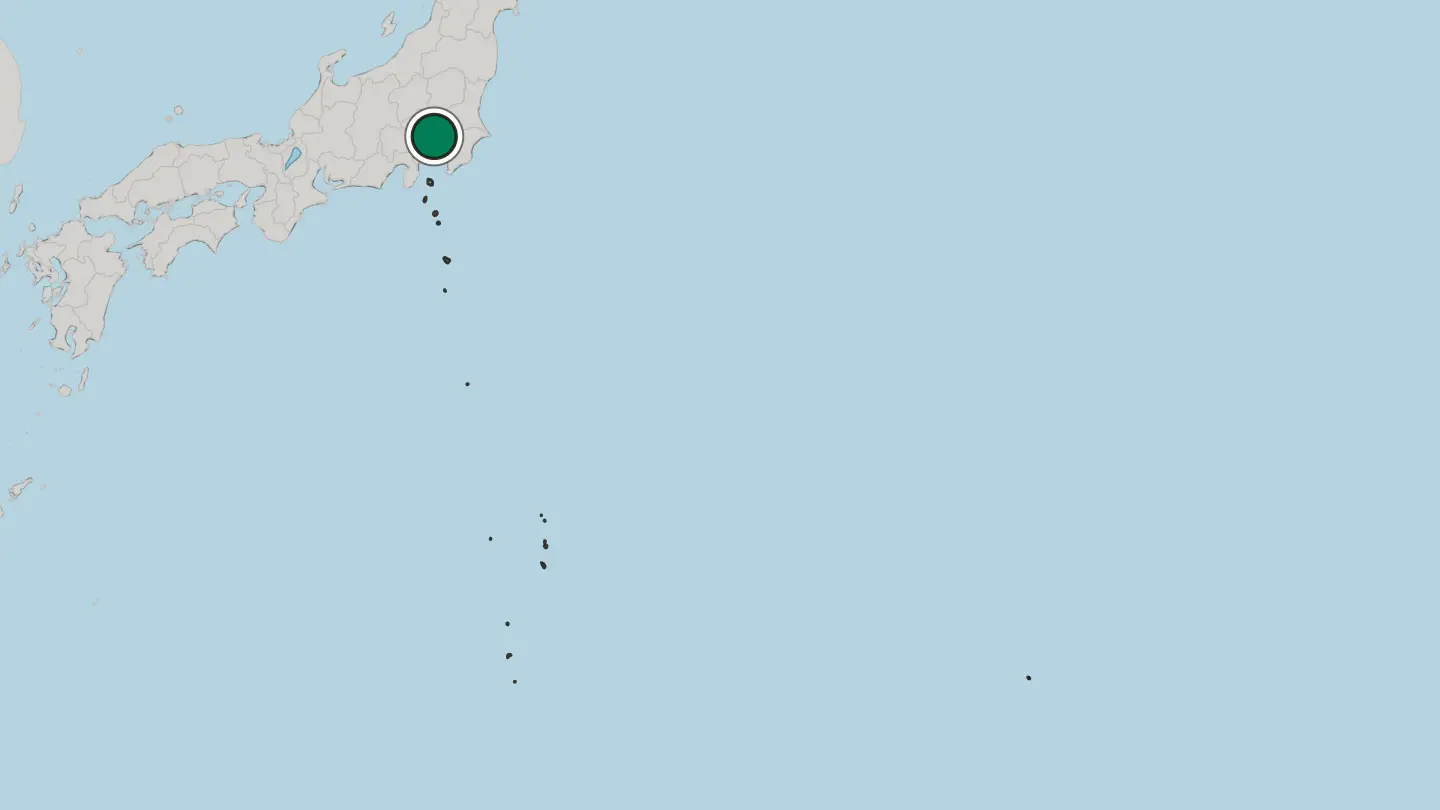 Japan
Japan
Higashikurume
Higashikurume is small and dense. The Ghibli Museum, Seibu-en and the Edo-Tokyo Open Air Architectural Museum all lie within reach.Where to stay →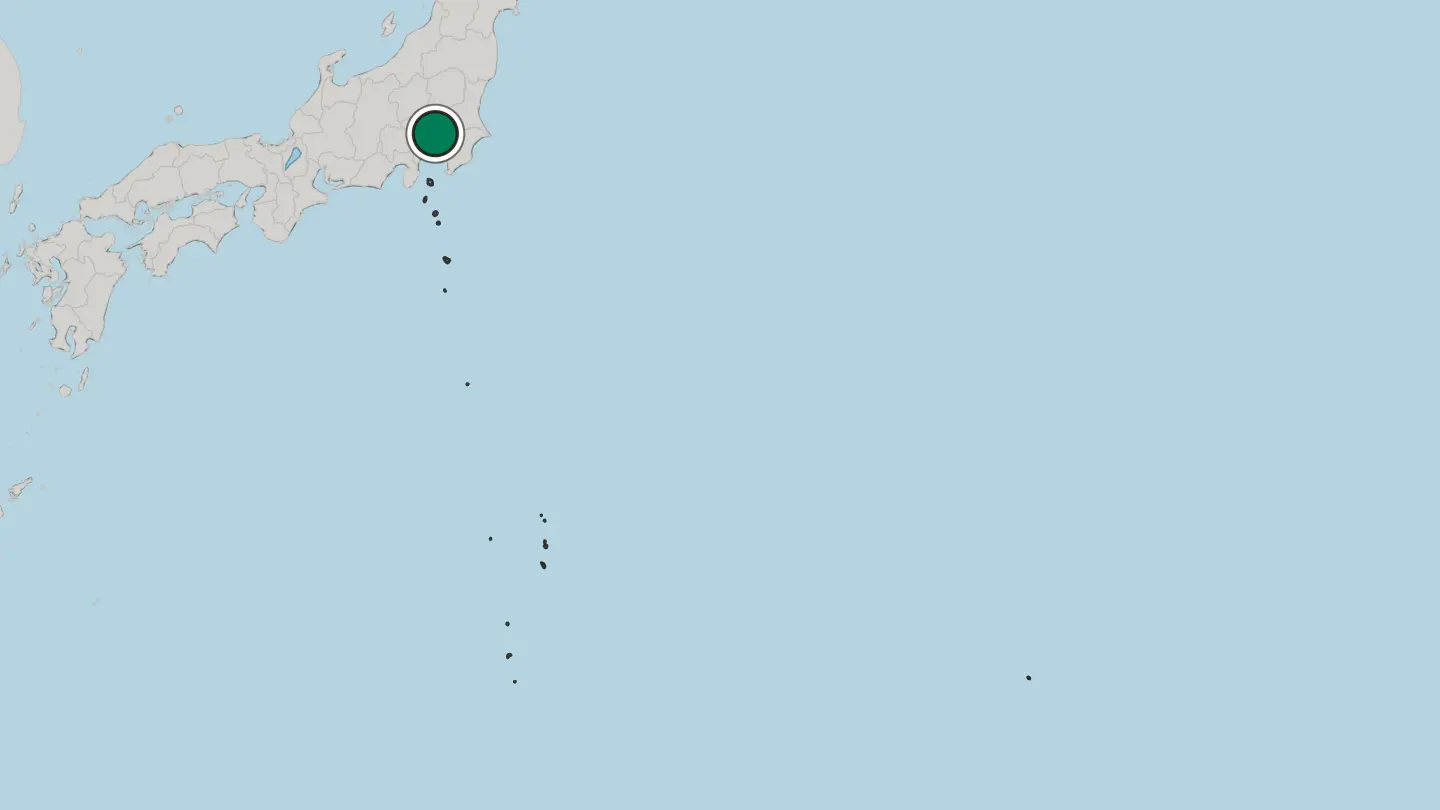 Japan
Japan
Inagi
Yomiuriland fills a whole day. Inagi is a suburban city of the Tokyo Metropolis, with PokéPark Kanto and TOKYO GIANTS TOWN on the same list.Where to stay →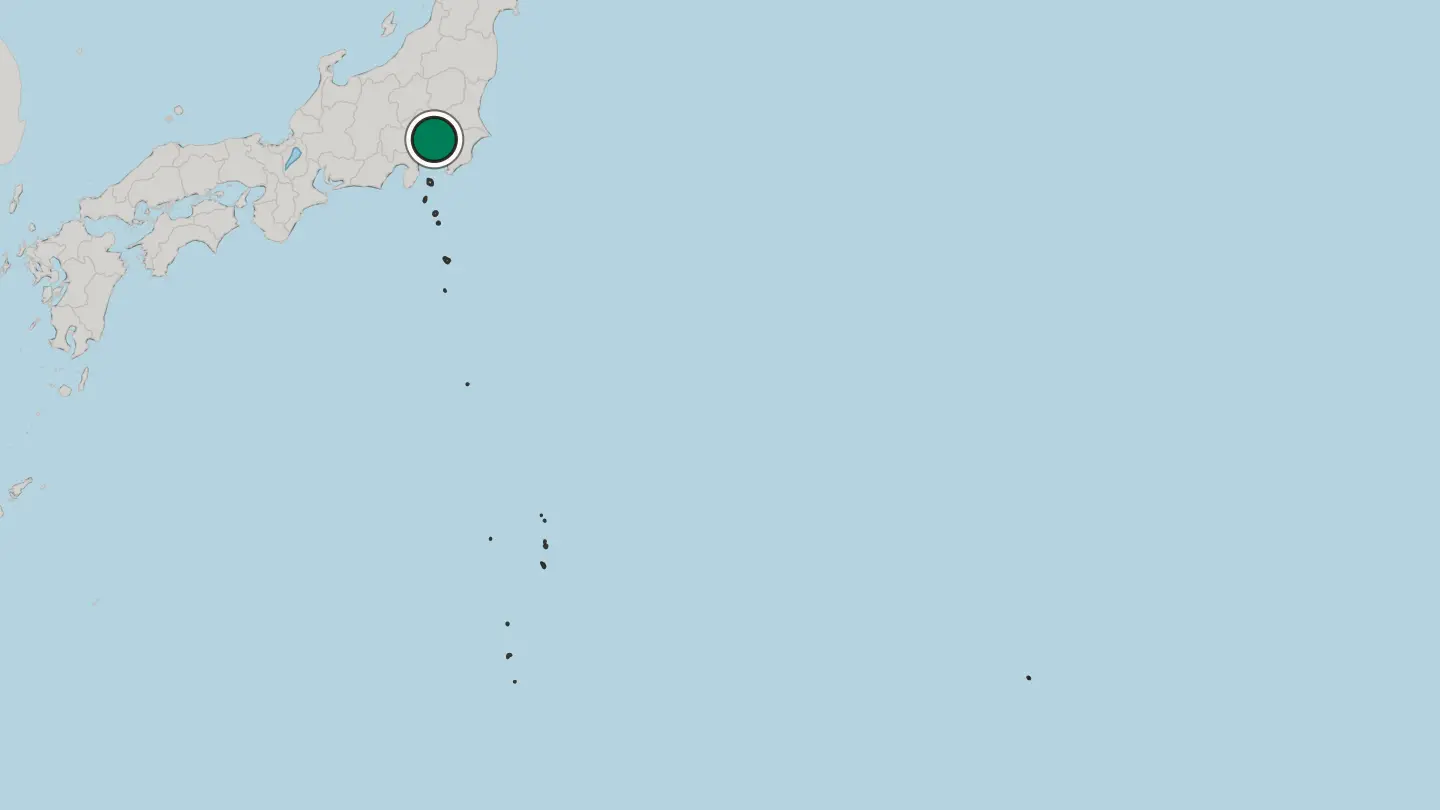
 Japan
Japan
Komae
Tokyo's smallest city by area. Komae holds just under six and a half square kilometres inside the Tama Area of the Tokyo Metropolis.Where to stay →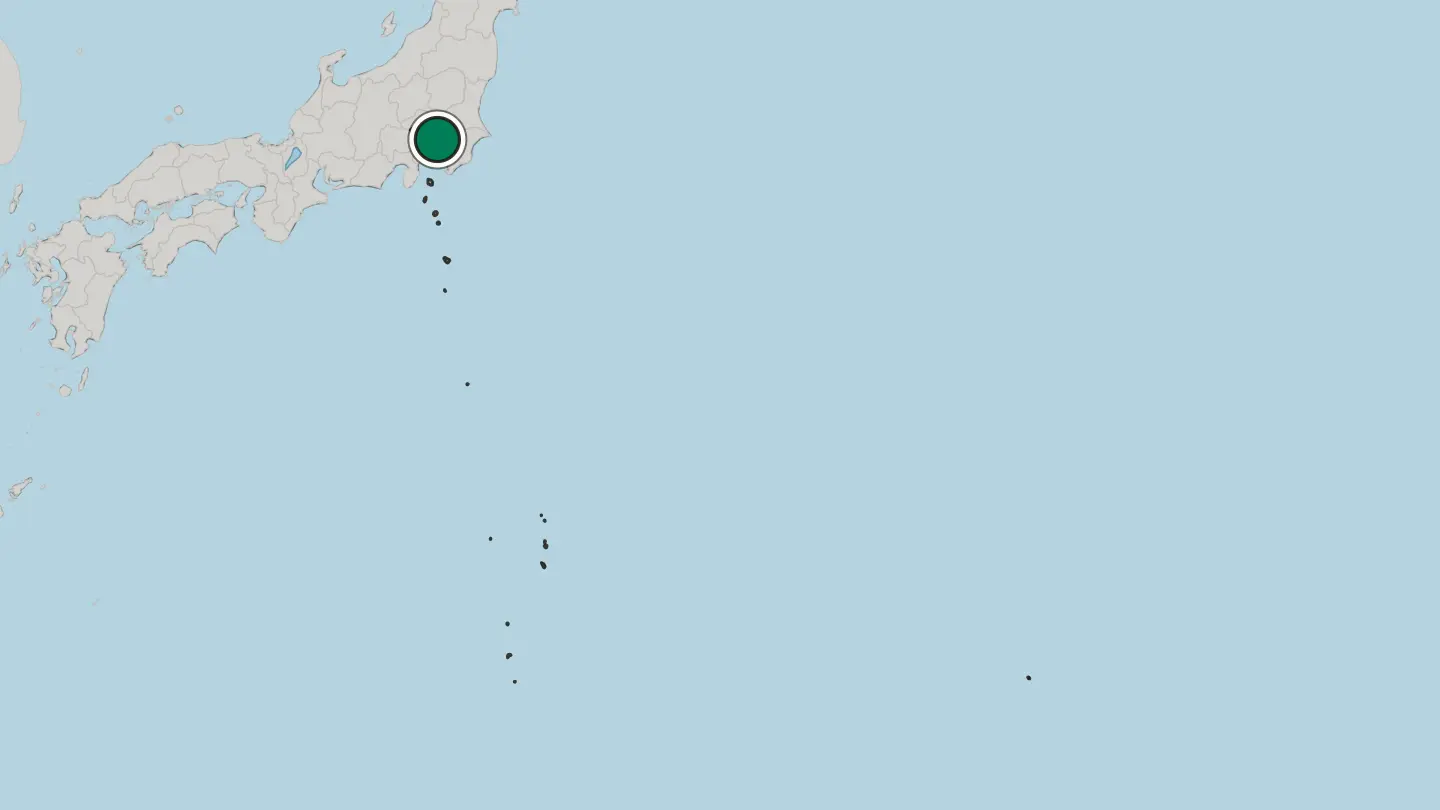 Japan
Japan
Higashiyamato
Higashiyamato is a city of the western Tokyo Metropolis, founded in 1919 as the village of Yamato, near Seibu-en and Tama Zoological Park.Where to stay →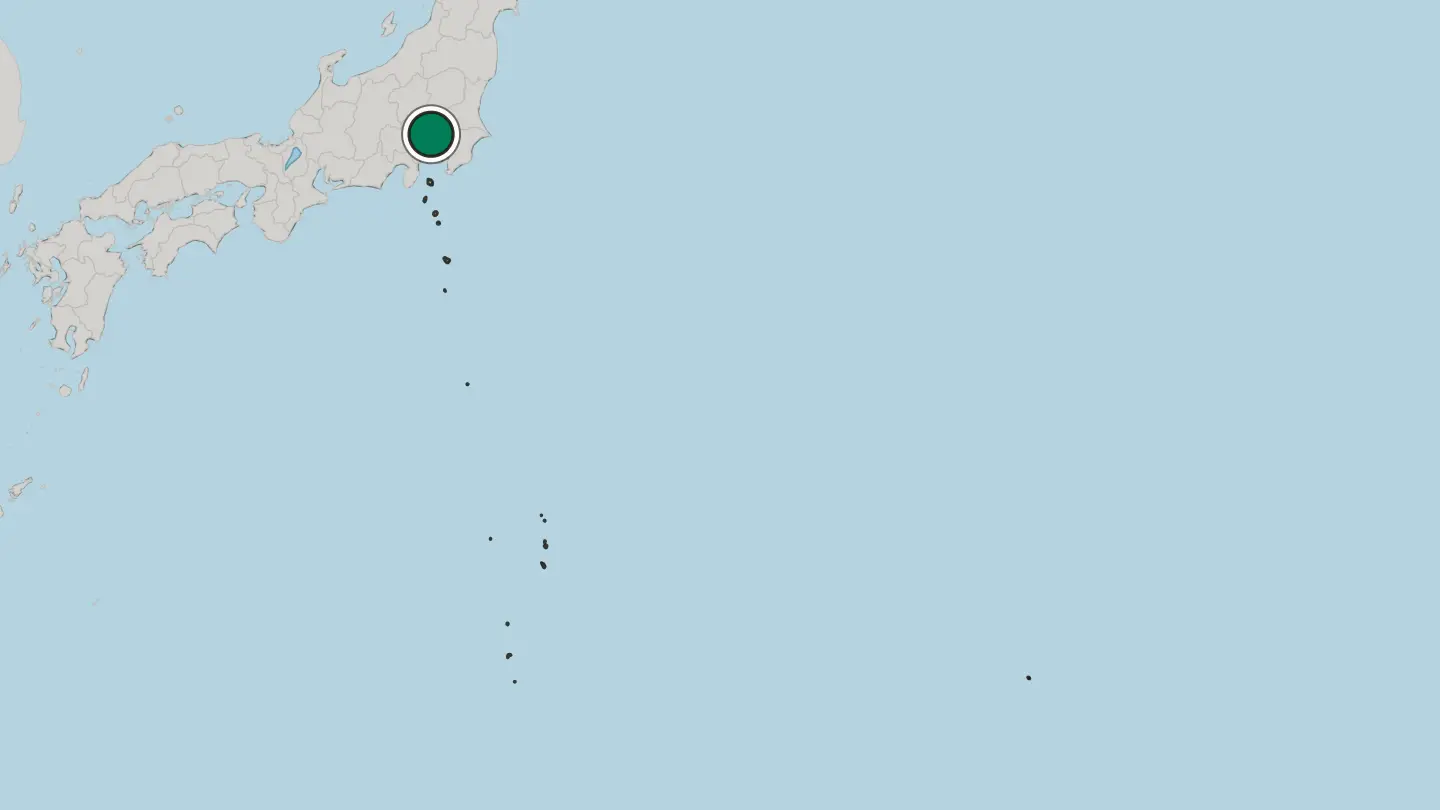 Japan
Japan
Akiruno
Akiruno is an outer city of the Tokyo Metropolis in Japan, a city since 1995, known for Tokyo Summerland and its excavated Stone Age ground.Where to stay →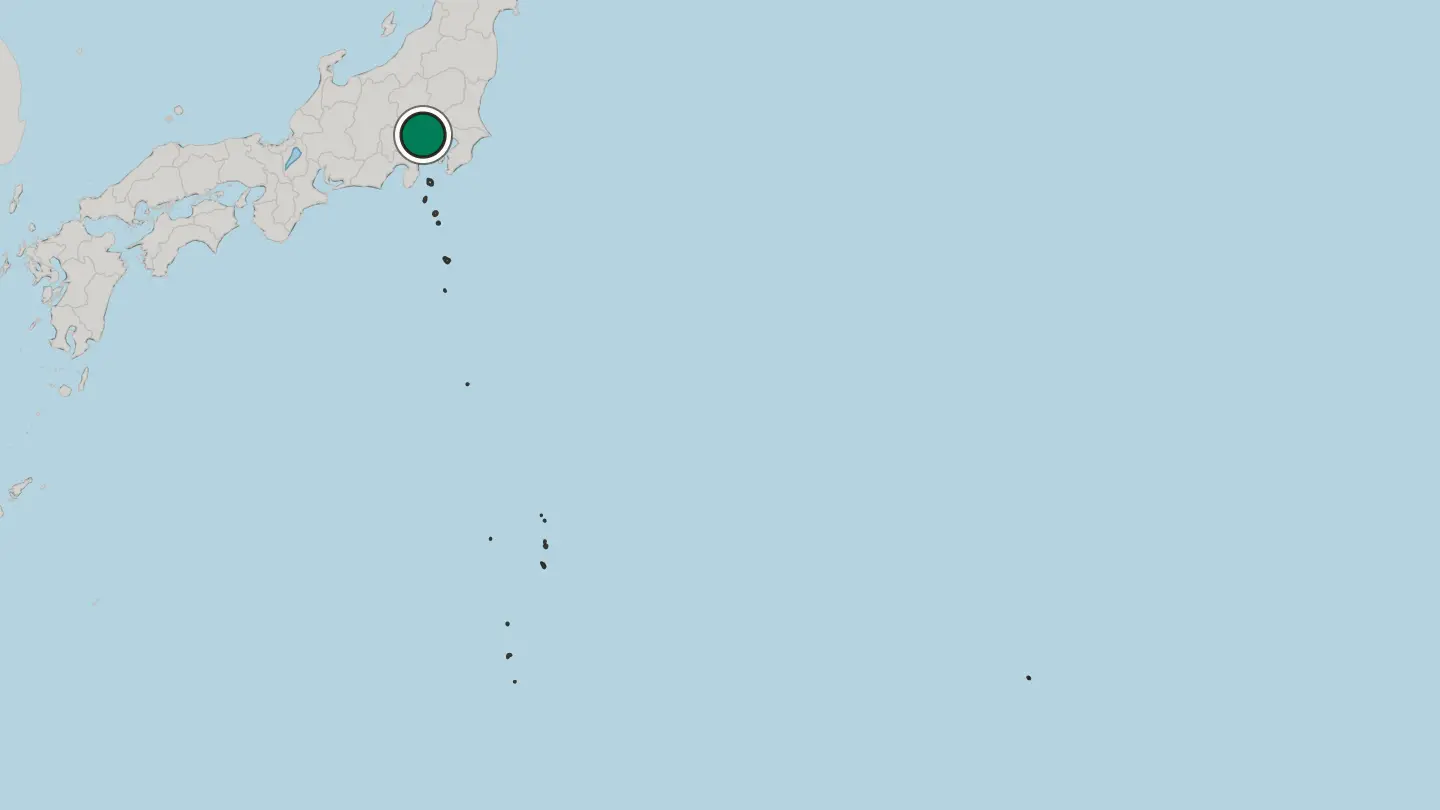
 Japan
Japan
Kunitachi
Two neighbours, one borrowed name. Kunitachi took its first character from Kokubunji and its second from Tachikawa, in the Tokyo Metropolis.Where to stay →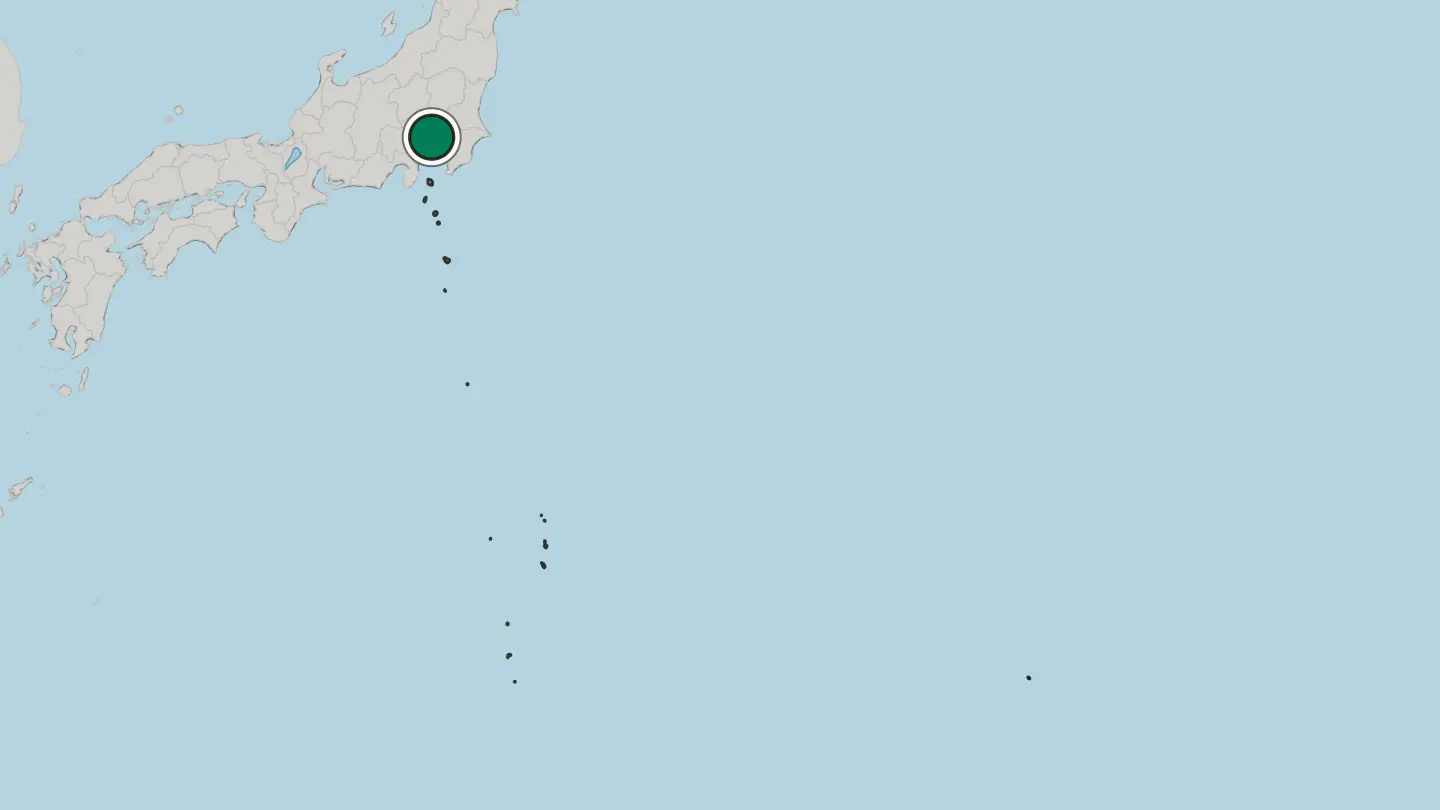 Japan
Japan
Kiyose
Kiyose is a compact city in the west of the Tokyo Metropolis, formed in 1889 as Kiyose Village, with the Kiyose City Folk Museum at its centre.Where to stay →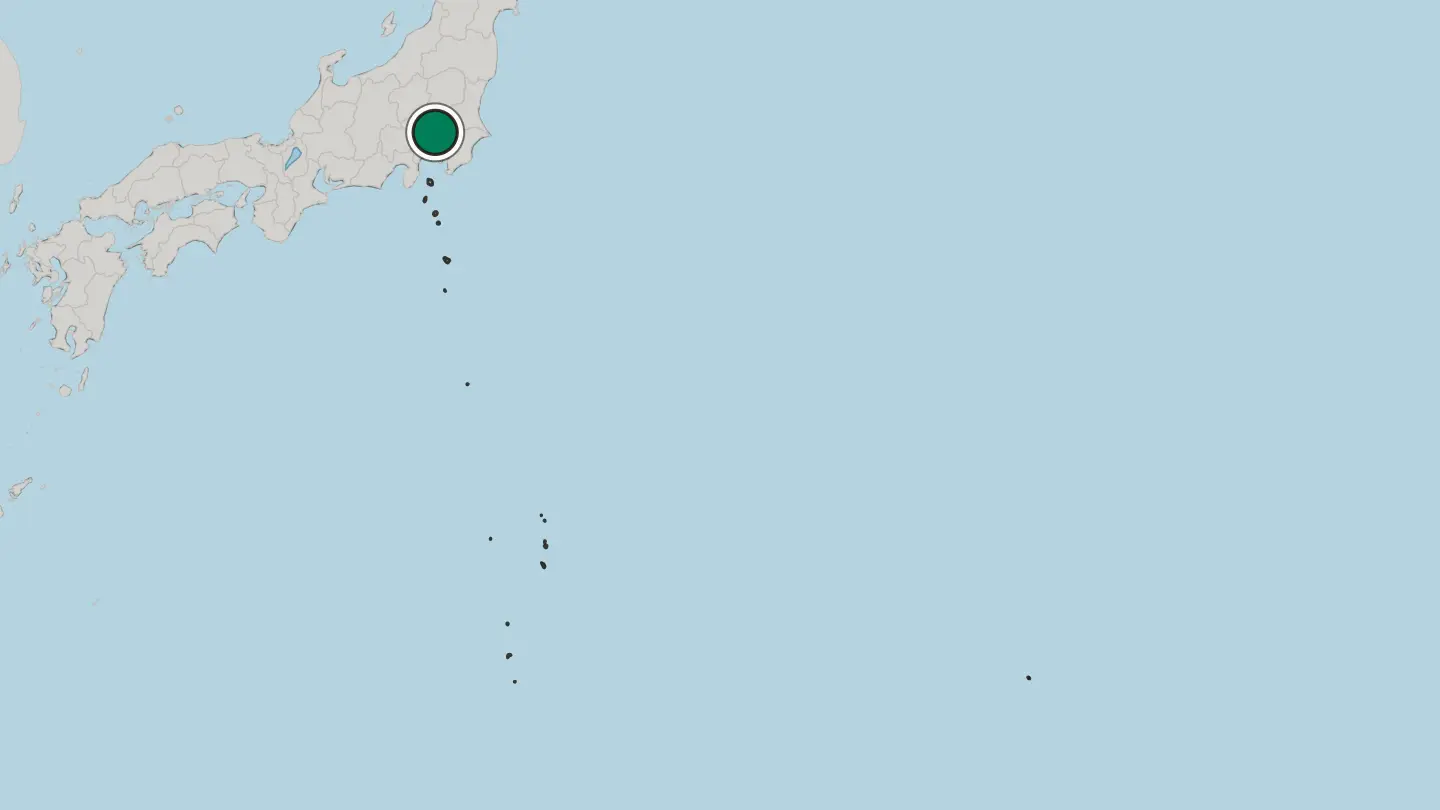 Japan
Japan
Fussa
Fussa is a compact outer city of the Tokyo Metropolis in Japan, a municipality since 1940, holding the Fussa Museum of Local History at its middle.Where to stay →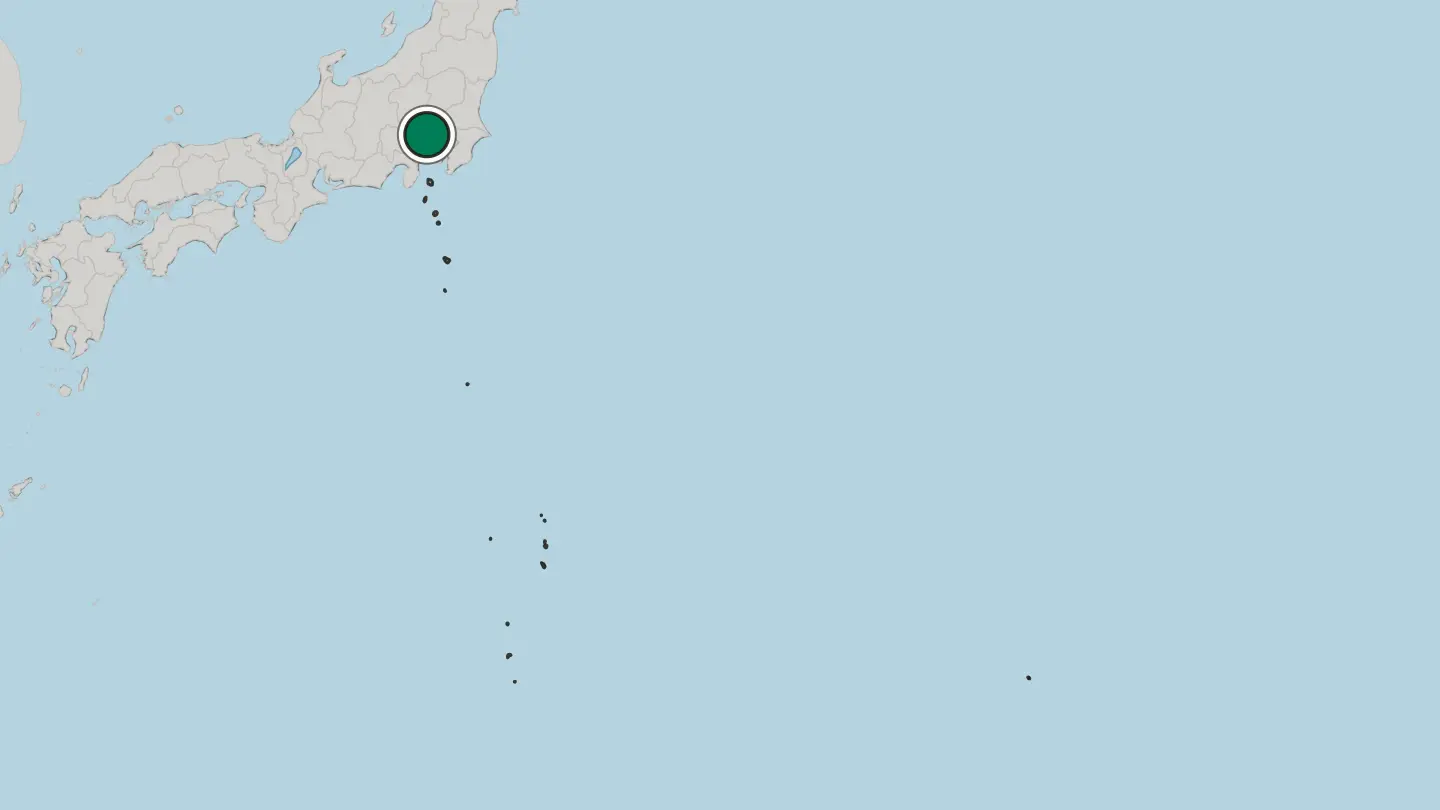 Japan
Japan
Hamura
Hamura is a city in the western portion of the Tokyo Metropolis, Japan, covering under ten square kilometres and keeping Hamura Zoo within them.Where to stay →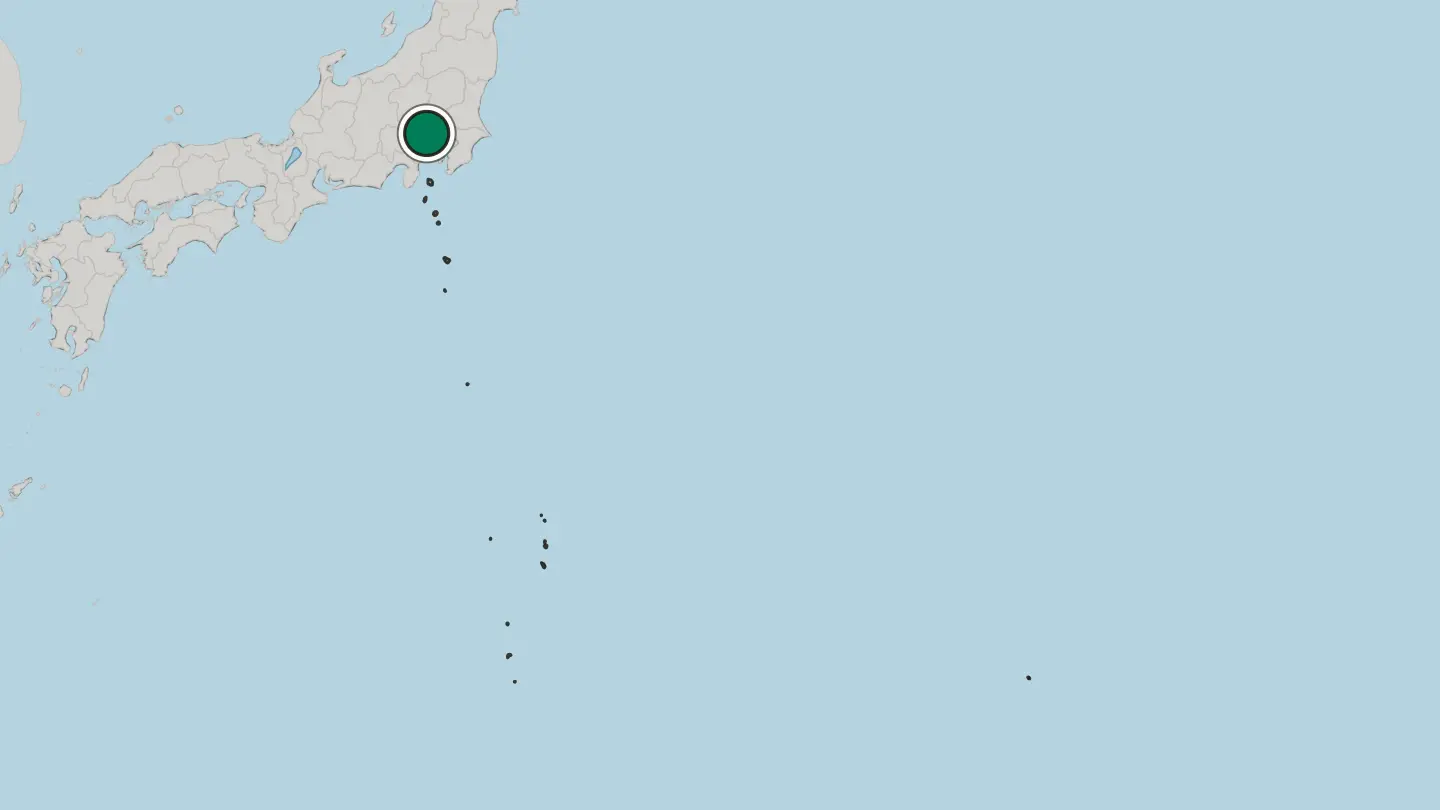
Hotel links are affiliate links: booking through them may earn us a commission, at no extra cost to you. It never affects how places are ranked. How this works
About Tokyo Prefecture
What is Tokyo Prefecture known for?
Tokyo Prefecture is known as the seat of Japan's capital, the metropolis that holds the city of Tokyo itself. Officially the Tokyo Metropolis, or Tokyo-to, it takes in most of the plain of Kantō and reaches out across a chain of islands running far to the south. The Greater Tokyo Area spills beyond it into neighbouring prefectures.
It is the country's centre of gravity. Everything national tends to bend toward Tokyo.
Where is Tokyo Prefecture?
Tokyo Prefecture sits on the plain of Kantō, the wide lowland at the heart of Japan, and takes in the city of Tokyo along with the land around it. Most of the prefecture is flat, urban ground. The metropolis fills the plain almost edge to edge, its built-up mass merging into the Greater Tokyo Area, which reaches out into parts of six neighbouring prefectures.
On the map it looks compact. In practice the capital's fabric runs far past the prefecture's own line, so where Tokyo ends and its neighbours begin is hard to read on the ground. Then the prefecture does something unusual.
Beyond the mainland it also governs a chain of islands that runs thousands of kilometres to the south, out into open ocean, so a single prefecture holds both a dense inland capital and remote ocean outposts. The contrast could hardly be sharper. One end is packed and inland, the other scattered specks of land far offshore.
That reach south is the prefecture's strangest geographic fact. Little else about Tokyo, or about any Japanese city, quite prepares a visitor for it.
What is Tokyo Prefecture like?
Tokyo Prefecture carries the character of a capital. As the seat of Japan's government and the focus of its national life, the metropolis sets much of the tone for the country as a whole, and what happens in Tokyo tends to reach the rest of Japan. Life here runs fast and dense across the plain of Kantō.
The official name, Tokyo Metropolis, or Tokyo-to, marks it as more than a city; it is a whole prefecture organised around one urban centre. That scale is the defining cultural fact. Beneath the pace sits an older Japanese grain.
The prefecture dates as a modern unit only to 1868, yet the capital it holds gathers the traditions of the wider country into one place, from language to custom. Its reach is unusual. Because the prefecture also governs islands far to the south, its cultural span runs from the crowded heart of the Kantō plain to small, remote island communities with lives of their own.
Few places anywhere hold such range under a single name. The capital defines it, but it is not only the capital.
What is the history of Tokyo Prefecture?
Tokyo Prefecture took its modern form in 1868, when the metropolis was organised as a single administrative unit. From that point the city of Tokyo became the seat of Japan's capital, and the prefecture grew as the country's centre. Its rise was fast.
It spread across the plain of Kantō, drawing people and power inward, until the Greater Tokyo Area reached well beyond the prefecture's own borders.
What is the climate of Tokyo Prefecture?
Tokyo Prefecture has a temperate climate, humid in summer and cooler and drier in winter. On the plain of Kantō, the seasons turn clearly, with warm, sticky months giving way to bright, dry ones. The islands differ.
The prefecture's island chain, reaching far to the south, sits in warmer, more maritime air than the capital on the Kantō plain, so a single prefecture spans more than one kind of weather.
How do you get to Tokyo Prefecture?
Tokyo Prefecture is the main way into Japan. As the capital, it draws the country's principal air and rail connections onto the plain of Kantō, and the Greater Tokyo Area binds it to the neighbouring prefectures by dense lines of transport. Most journeys start here.
The southern islands are the exception, reached from the capital by sea and air across a long stretch of ocean rather than by any road.
Good for
More regions in Japan
Updated September 2026