Japan · Tokyo Prefecture
Where to Stay in Higashimurayama, Tokyo Prefecture
Shōfuku-ji Temple anchors the town. Higashimurayama fills seventeen square kilometres of the Tokyo Metropolis, with Seibu-en and the Gas Museum nearby.
Hotel links are affiliate links: booking through them may earn us a commission, at no extra cost to you. It never affects how places are ranked. How this works


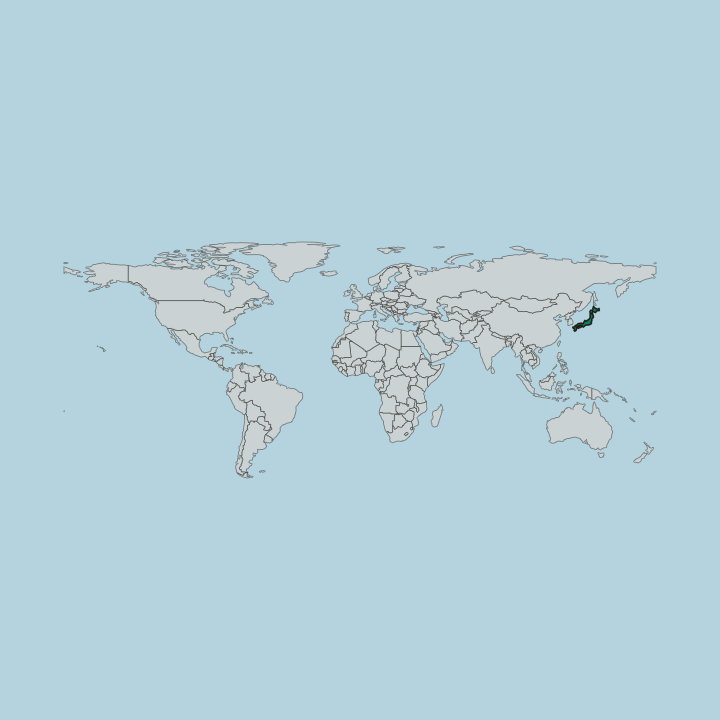
Where to stay in Higashimurayama
One neighbourhood here has its own guide — here's what it is best for.

 HigashimurayamaJapan
Sakaecho
Sakaecho is a district of Higashimurayama in Tokyo Prefecture, built around Kumegawa Station on the Seibu Shinjuku Line and the city's commercial centre.Where to stay →Hotel links are affiliate links: booking through them may earn us a commission, at no extra cost to you. It never affects how places are ranked. How this works
Find hotels in Higashimurayama
Direct booking searches for these neighbourhoods.
Around Shōfuku-ji Temple
Shōfuku-ji Temple and the Shōfuku-ji Jizō Hall stand on one site, and they are the oldest thing Higashimurayama can show a visitor. Beds are limited here, so book early.Find hotels in Around Shōfuku-ji Templefamilies giving a whole day to Seibu-enThe Seibu-en side
Seibu-en is the one name in Higashimurayama that fills a day with no roof over it, which makes the walk back matter. Lodging is scarce in this area; reserve in advance.Find hotels in The Seibu-en sidea short visit keeping the small collections closeBy the Gas Museum
The Gas Museum and the Folk Museum of Higashimurayama are both compact enough to fit a half day from one central roomFind hotels in By the Gas Museuma trip made for the National Hansen’s Disease Museum aloneBeside the National Hansen’s Disease Museum
The National Hansen’s Disease Museum brings visitors to Higashimurayama for one purpose, and the nearest bed is the useful one. Beds are limited here, so book early.Find hotels in Beside the National Hansen’s Disease Museumstays curious about what came before the 1889 municipal systemThe older ground of Higashimurayama Village
Higashimurayama Village is the village name Higashimurayama still carries on the record, and the Folk Museum of Higashimurayama keeps what survives of it. Few places to stay nearby — book ahead.Find hotels in The older ground of Higashimurayama VillageHotel links are affiliate links: booking through them may earn us a commission, at no extra cost to you. It never affects how places are ranked. How this works
About Higashimurayama
Shōfuku-ji Temple is the reason to come.
What is Higashimurayama known for?
The Shōfuku-ji Jizō Hall stands with it, and between them they give Higashimurayama a religious core that none of its museums can match for age. Then the museums start. The Gas Museum, the Folk Museum of Higashimurayama and the National Hansen's Disease Museum each hold one narrow subject, while Seibu-en handles the day nobody wants to spend indoors.
What are the main landmarks in Higashimurayama?
Six entries, two sharing a name. Shōfuku-ji Temple and the Shōfuku-ji Jizō Hall belong to the same site, which is the oldest ground the city can point to. The Gas Museum takes a single utility as its whole subject.
Seibu-en, the Folk Museum of Higashimurayama and the National Hansen's Disease Museum complete a list that covers four separate subjects and never repeats one, all within seventeen square kilometres of the Tokyo Metropolis.
What is the history of Higashimurayama?
Shōfuku-ji Temple came first. The temple and the Shōfuku-ji Jizō Hall beside it predate every administrative name this ground has carried, and they remain the only structures in Higashimurayama that speak for the centuries before the municipal record begins. The Shōfuku-ji Jizō Hall keeps its own entry in that record, separate from the temple it stands beside.
Higashimurayama Village is the record itself. The village took the municipal system in 1889, and the name it carried then is still the official form on the books. Seventeen square kilometres was the shape the city eventually settled into.
Everything after that is kept in museums. The Folk Museum of Higashimurayama holds the local version of the story, the Gas Museum takes one utility as its entire subject, and the National Hansen's Disease Museum records a chapter belonging to the whole country rather than to the city that houses it. Seibu-en belongs to none of those categories.
No two of them overlap. Seventeen square kilometres of the Tokyo Metropolis have carried a temple, a village and a city in turn without discarding any of them, which is why the landmark list of Higashimurayama reads as a set of unrelated things rather than as a single thread.
Where is Higashimurayama?
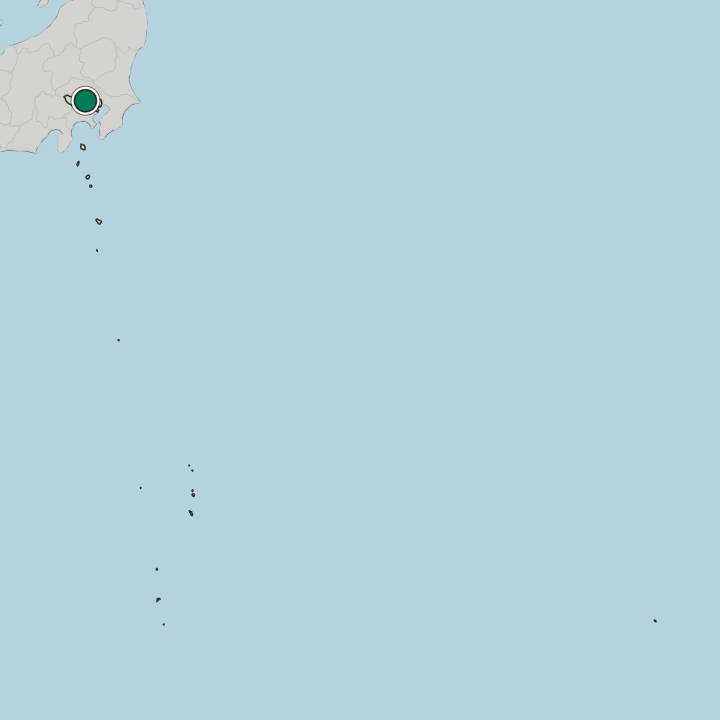
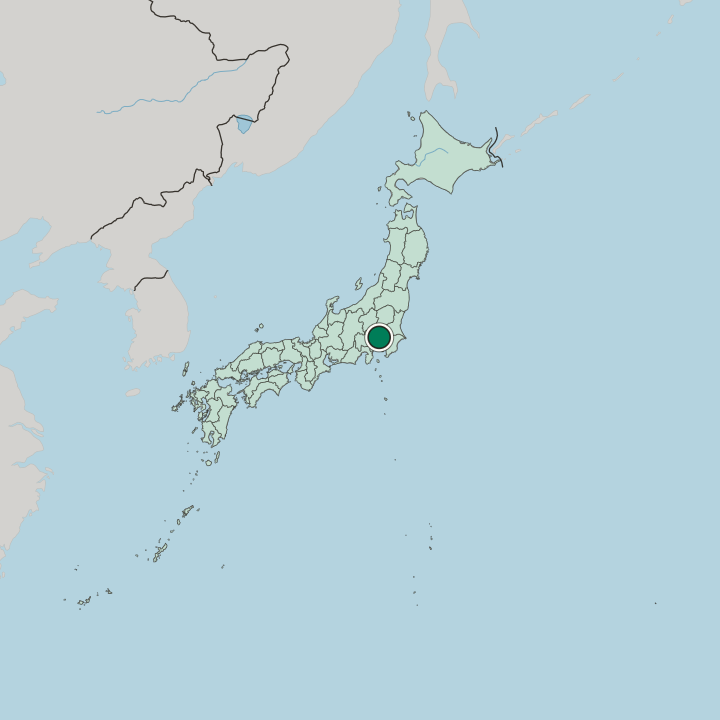
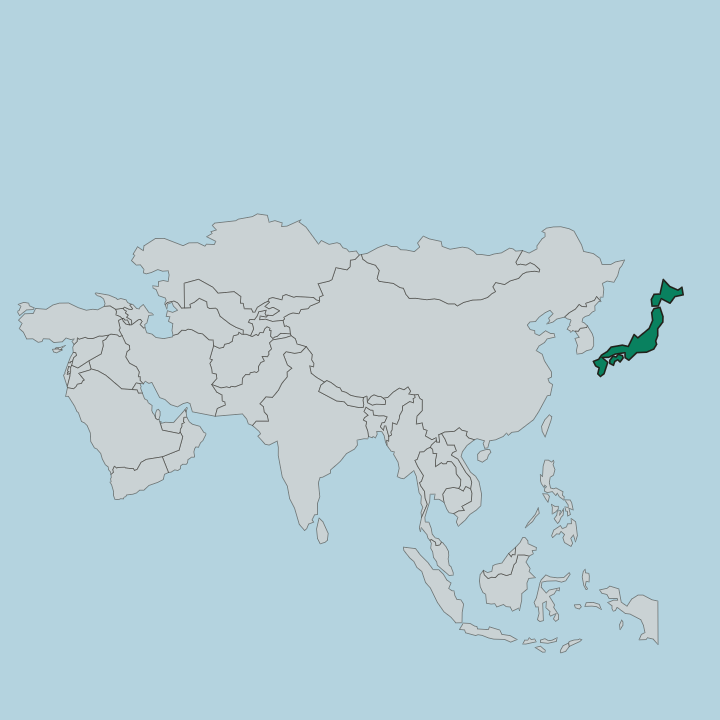
Ground here is measured in walking distance. Higashimurayama covers seventeen square kilometres of the western portion of the Tokyo Metropolis, enough to hold Shōfuku-ji Temple, three small museums and Seibu-en, and not enough for any of them to sit far from the others. The Gas Museum is the odd one out only by subject.
What is the climate of Higashimurayama?
Four seasons, marked plainly. Higashimurayama sits in the temperate band of the northern hemisphere, so its seasons arrive in the standard order and none of them is extreme enough to close the city down, though the gap between them decides whether a day here happens outdoors or under a roof. Seibu-en runs on that calendar.
The Gas Museum and the Folk Museum of Higashimurayama do not, which is what makes them useful in the weeks when being outside is a negotiation.
How do you get to Higashimurayama?
Higashimurayama connects inward. The city lies within the Tokyo Metropolis, so arrivals come from the centre of Tokyo or from a neighbouring municipality rather than from outside Tokyo Prefecture, and the last leg is short in either case. Everything sits within a short hop.
Shōfuku-ji Temple, Seibu-en and the National Hansen's Disease Museum can share a single day without much of it going on movement.
Common questions
What is the best area to stay in Higashimurayama?
Around Shōfuku-ji Temple: mornings that begin at Shōfuku-ji Temple rather than at a platform. The Seibu-en side: families giving a whole day to Seibu-en. By the Gas Museum: a short visit keeping the small collections close. Beside the National Hansen’s Disease Museum: a trip made for the National Hansen’s Disease Museum alone. The older ground of Higashimurayama Village: stays curious about what came before the 1889 municipal system.
More cities in Tokyo Prefecture
Updated October 2026