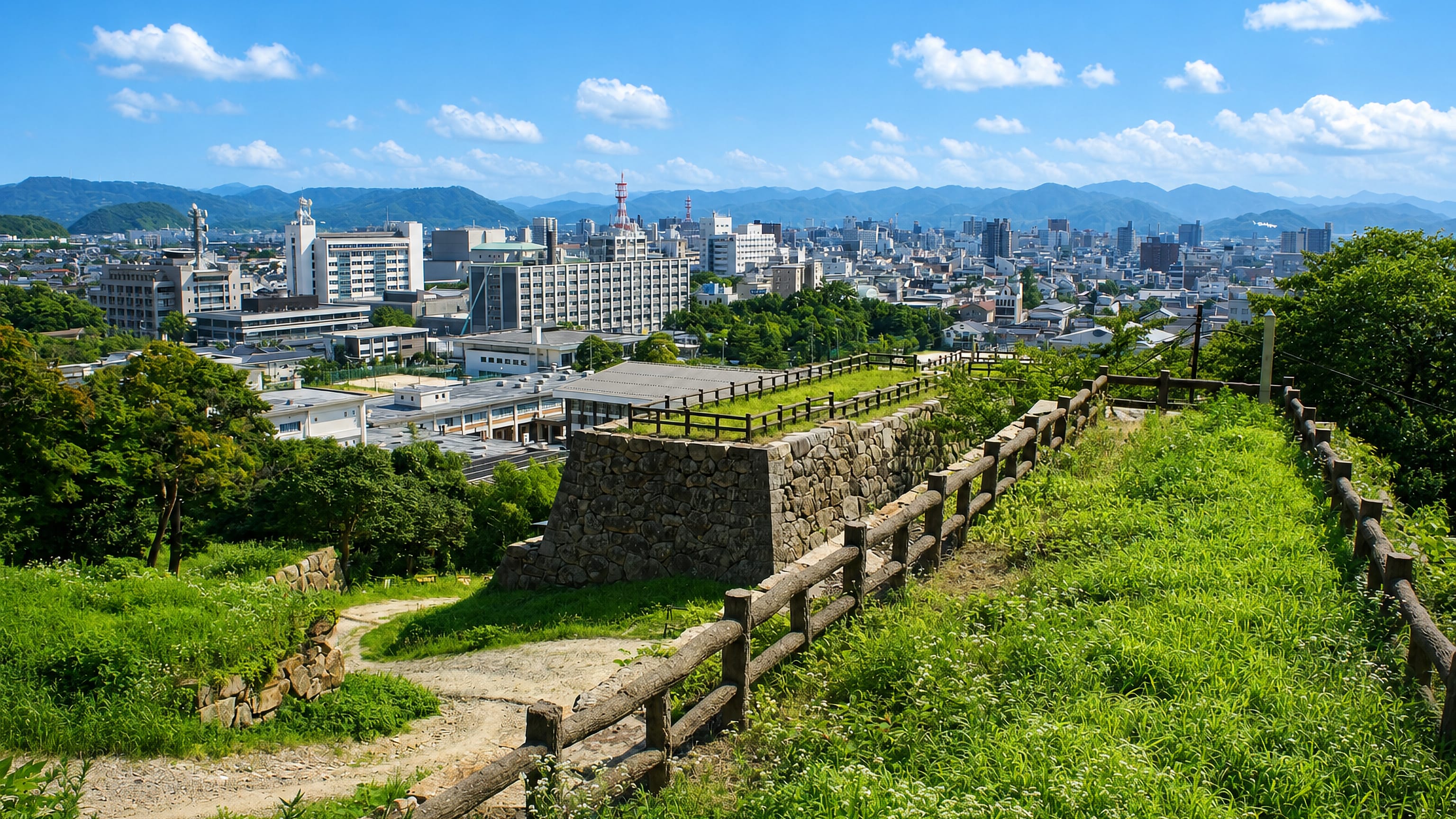
Japan · Tottori
Where to Stay in Tottori-shi, Tottori
Tottori is the capital of Tottori Prefecture, a Chūgoku city of sand dunes, small museums and a coast inside the San'in Kaigan Geopark.
Hotel links are affiliate links: booking through them may earn us a commission, at no extra cost to you. It never affects how places are ranked. How this works


Where to stay in Tottori-shi
The practical side of choosing where to sleep.
The dunes and the museum centre pull a stay in two directions. A room near the Tottori Prefectural Museum and the Watanabe Museum of Art puts most of the city's collections inside a walk, which suits anyone who came for what Tottori keeps indoors rather than for the sand. The split is not subtle.
Sandboards, hang-gliders and camels all belong to the seaward side, and a base picked for them trades museum proximity for the open ground of the San'in Kaigan Geopark. One address can still cover both. The municipality runs to some 765 square kilometres of coast, valley and hill, while the built centre stays small, so the real question is which end of the day you want to spend in transit.
Families have an easier call. Tottori City Children's Science Museum and the Warabekan Toy Museum sit on the civic side of that divide, and a stay there keeps a wet afternoon solvable without a long return from the coast. Quieter tastes have their own anchor.
The Tottori Folk Crafts Museum and the Ikemoto Yoshimi Little Museum of Photography reward a base that is close enough for an unplanned hour, and the Tottori City Historical Museum sits in the same civic orbit. Book for one side, visit the other.
Find hotels in Tottori-shi
Direct booking searches for these neighbourhoods.
The civic centre
Rooms in the museum core leave the Tottori Folk Crafts Museum, the Tottori City Historical Museum and the Warabekan Toy Museum inside a single walking circuitFind hotels in The civic centreSandboards, hang-gliders and the camels waiting on the Tottori dunesThe seaward side
A base towards the San'in Kaigan Geopark coast puts the sand at the start of the day rather than at the end of a drive across 765 square kilometres of city. Few places to stay nearby — book ahead.Find hotels in The seaward sideFamilies pairing the children's science hall with the Warabekan Toy MuseumAround Tottori City Children's Science Museum
Two collections aimed at children sit close enough to the Tottori Buried Cultural Property Center to fill a wet day without anyone leaving the centreFind hotels in Around Tottori City Children's Science MuseumHotel links are affiliate links: booking through them may earn us a commission, at no extra cost to you. It never affects how places are ranked. How this works
About Tottori-shi
What is Tottori-shi known for?
Dunes dominate the seaward edge, where hang-gliders and sandboards work the slopes and camels carry anyone who would rather ride than climb. The museums are the counterweight. The Tottori Prefectural Museum, the Watanabe Museum of Art and the Tottori Folk Crafts Museum stand within the same compact centre, and the Warabekan Toy Museum points a whole collection at children.
What are the main landmarks in Tottori-shi?
The Tottori City Historical Museum keeps the municipal record, while the Tottori Buried Cultural Property Center holds what excavation turns up from the ground beneath the same streets. Small rooms outnumber grand ones. Tottori City Children's Science Museum works for children, the Ikemoto Yoshimi Little Museum of Photography for a narrower taste, and Tottori Church of the United Church of Christ in Japan marks a Protestant congregation among the civic halls.
What is the history of Tottori-shi?
The municipal record starts in 1889. That is the year Tottori took city status under the system that created Japan's modern municipalities, and the Tottori City Historical Museum is where the resulting paper trail is kept and shown. Older layers sit under it.
The Tottori Buried Cultural Property Center exists because ground in and around the city keeps producing material from long before any charter, and its work is the archaeological counterweight to the civic archive across town. Craft and faith left institutions of their own. The Tottori Folk Crafts Museum was founded to hold the everyday objects of the region rather than its official history, and the Watanabe Museum of Art gathers a private collection into the same compact centre.
Tottori Church of the United Church of Christ in Japan records a Protestant presence in a prefectural capital. Not every archive is solemn. The Warabekan Toy Museum treats play as something worth keeping, the Ikemoto Yoshimi Little Museum of Photography does the same for one photographer's eye, and Tottori City Children's Science Museum turns the whole approach towards children rather than scholars.
Tottori Prefecture keeps its capital here, and that status shows less in monuments than in the number of collecting institutions a city of this size manages to support.
Where is Tottori-shi?
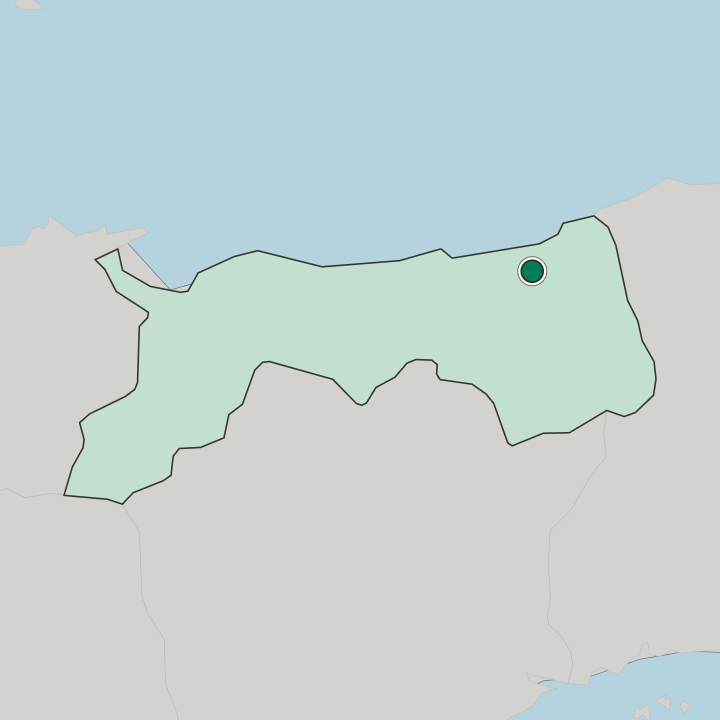
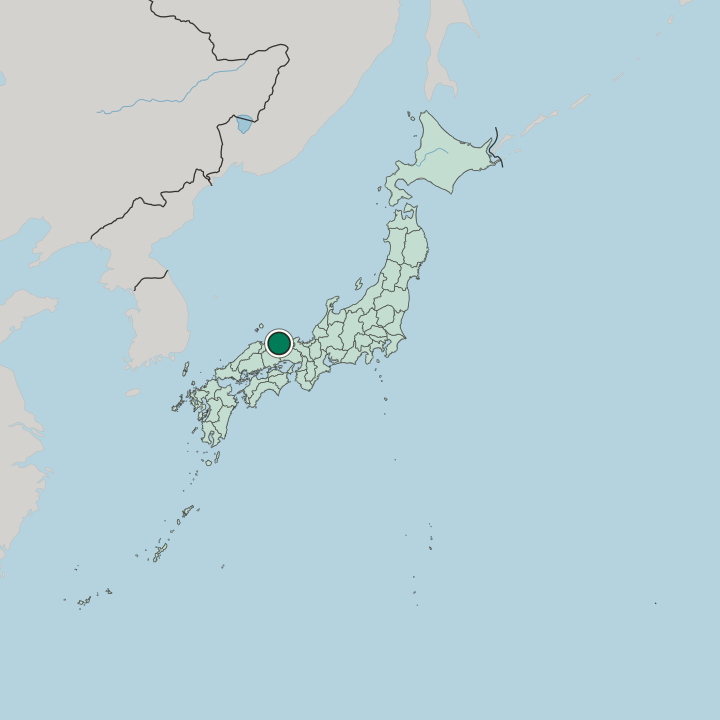
Most of Tottori lies inside the San'in Kaigan Geopark, a protected coastal landscape that also accounts for the dunes and for the sand that keeps drifting off them. The municipal boundary is wide. Some 765 square kilometres of coast, valley and hill answer to one city hall in the Chūgoku region, which is why the built-up part of the city feels far smaller than the map suggests.
What is the climate of Tottori-shi?
Temperate, and rarely severe. Tottori sits in the northern temperate band, which gives it a warm half of the year and a cool one, neither of them an obstacle to the dunes or to an afternoon spent indoors among the collections. Wind is the local variable.
Hang-gliders depend on it, sandboards want a dry surface under them, and the Tottori Folk Crafts Museum takes the days when the San'in Kaigan Geopark coast is not worth the walk.
How do you get to Tottori-shi?
Arrival is a Tottori Prefecture matter, and the city sits at the middle of it as the prefectural capital, so approaches from the rest of Chūgoku converge on the same civic core the museums occupy. Once you are in Tottori Prefecture, the last stretch is short. What is not short is the run out to the sand, since the municipality covers 765 square kilometres and the dunes lie on the seaward edge inside the San'in Kaigan Geopark.
Treat the coast as its own outing.
Common questions
What is the best area to stay in Tottori-shi?
The civic centre: Stays built around the Tottori Prefectural Museum and the Watanabe Museum of Art. The seaward side: Sandboards, hang-gliders and the camels waiting on the Tottori dunes. Around Tottori City Children's Science Museum: Families pairing the children's science hall with the Warabekan Toy Museum.
Good for
Another city in Tottori
Updated September 2026