Japan · Tottori
Where to Stay in Yonago, Tottori
Yonago is Tottori Prefecture's second city, a Chūgoku commercial centre whose named ground runs from Ōgamiyama Shrine to the Mukibanda Site.
Hotel links are affiliate links: booking through them may earn us a commission, at no extra cost to you. It never affects how places are ranked. How this works


Where to stay in Yonago
Where visitors usually base themselves, and why.
A room here works as a base for the district, not only for the city. Yonago's own list is short enough to finish in a day, since the Yonago City Museum of Art, the Yonago Municipal Historical Museum and Ōgamiyama Shrine all fall inside the same compact 132 square kilometres. Commerce keeps the beds ordinary.
A second city with a working centre carries the plain hotel stock that a purely scenic town never accumulates, and that is an advantage if you are pricing a longer stay rather than a single night. Heritage pulls outward. If you want the Mukibanda Site, the Fukuichi Site and the Aoki Site, a room chosen for road access beats one chosen for the shopping streets, and the same reasoning applies to Odaka Castle and to Nakaumi out on the city's edge.
Central rooms suit shorter visits. Goto Family Residence, former Hino Bridge and the Motoike Art Museum reward walking instead, and none of them asks for a car. The two logics rarely conflict.
Yonago is small enough that a centre address still reaches the excavated ground with an early start, so the choice is about how the day begins rather than what it can contain.
Find hotels in Yonago
Direct booking searches for these neighbourhoods.
The commercial core
The working shopping streets keep the Yonago Municipal Historical Museum and the Motoike Art Museum within a walk, which covers most of Yonago's indoor listFind hotels in The commercial coreStays that want Nakaumi and Odaka Castle at the start of the dayThe Nakaumi edge
An outer address trades the shopping streets for quicker road access to Nakaumi, Odaka Castle and the excavated ground past them. Beds are limited here, so book early.Find hotels in The Nakaumi edgeVisitors here for the Mukibanda Site and the Aoki SiteTowards the Mukibanda Site
A base picked for the Mukibanda Site puts the Fukuichi Site and Ōgamiyama Shrine on one day's route without a return through the centre. Few places to stay nearby — book ahead.Find hotels in Towards the Mukibanda SiteHotel links are affiliate links: booking through them may earn us a commission, at no extra cost to you. It never affects how places are ranked. How this works
Things to do in Yonago
Ranked by global recognition; descriptions from Wikidata (CC0).
Museums & Galleries
2- Yonago City Museum of Art
- Motoike Art Museum
Castles & Historic Sites
3- Mukibanda Site Heritage
- Aoki Site Heritage
- Fukuichi Site Heritage
Nature & Outdoors
1- Nakaumi Heritage
Landmarks & Notable Places
2- 旧日野橋 Heritage
- 後藤家住宅
worth knowingacross 4 categories in Yonago
About Yonago
What is Yonago known for?
Ōgamiyama Shrine and the Mukibanda Site are the two names most visitors arrive with. Between them sits an ordinary working city, second in Tottori Prefecture only to Tottori itself and the commercial anchor for the district around it, which shapes the streets far more than any single monument does. Art has a foothold too.
The Yonago City Museum of Art and the Motoike Art Museum divide a small gallery scene between them.
What are the main landmarks in Yonago?
Odaka Castle names a fortified site older than the municipal system, and Goto Family Residence survives as a residence rather than as a display case. former Hino Bridge falls into the same class of standing structure. Three entries name ground, not buildings. The Mukibanda Site, the Fukuichi Site and the Aoki Site are excavated archaeology, and the Yonago Municipal Historical Museum is where the city sets out its own account of them.
What is the history of Yonago?
1889 is where the modern record begins. Yonago Town was constituted in that year under the reform that reorganised local government across Japan, and the administrative material held by the Yonago Municipal Historical Museum descends from that moment rather than from anything earlier. Older ground is better documented.
The Mukibanda Site, the Fukuichi Site and the Aoki Site carry the excavated part of the story, and between them they push human occupation of this corner of Tottori Prefecture far behind any charter a government could issue. Odaka Castle names the layer in between. Goto Family Residence and former Hino Bridge survive from an age of building rather than of digging, which is a different sort of evidence and one that has stayed in ordinary use instead of going under glass. Ōgamiyama Shrine holds the religious thread.
Yonago's through-line is trade: the city has long served as the commercial centre for the district around it, second in size only to Tottori within the prefecture, and that role explains more about its shape than any single monument would. Galleries arrived late. The Yonago City Museum of Art and the Motoike Art Museum are the newer names on a list otherwise made of ground, timber and stone.
Where is Yonago?
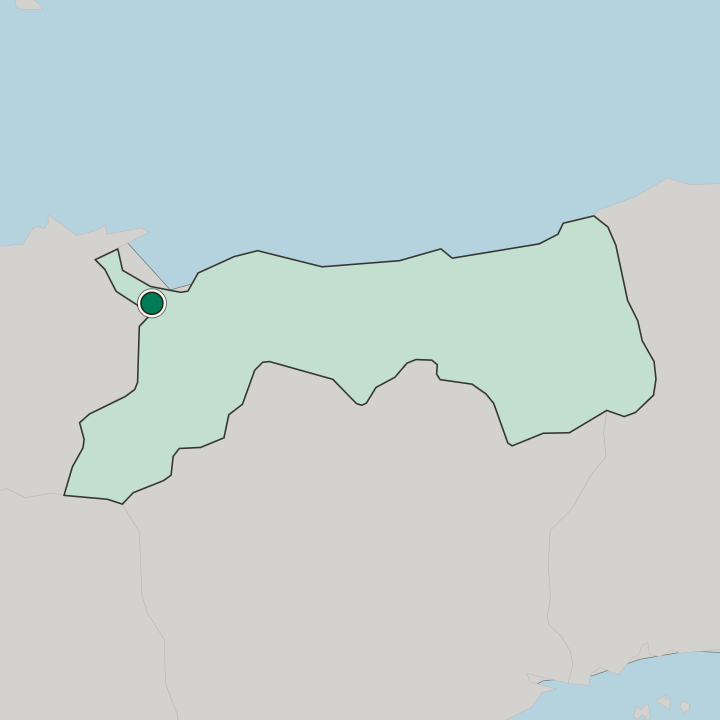
Some 132 square kilometres make up Yonago, which is tight ground for the second largest city in Tottori Prefecture and part of why its commercial weight concentrates instead of spreading. Nakaumi lies out on the city's edge. Distance is never the obstacle here. Ōgamiyama Shrine, the Mukibanda Site and the Yonago City Museum of Art all fall inside one municipal boundary in this part of Chūgoku.
What is the climate of Yonago?
Temperate, with no shutdown season. Ōgamiyama Shrine and the Mukibanda Site both want dry footing, so a run of wet weather rearranges a visit rather than cancelling it, pushing the day towards the Yonago City Museum of Art instead. The Motoike Art Museum absorbs the same sort of afternoon. Nakaumi and the open ground past the centre reward whatever clear stretches the season hands out.
How do you get to Yonago?
Approaches come from two directions in practice: from Tottori, the prefectural capital, and from the district for which Yonago acts as the commercial centre. Neither leg is long. Once inside the boundary, 132 square kilometres holds Ōgamiyama Shrine, the Yonago City Museum of Art and former Hino Bridge near enough to each other that the last stage of any journey is trivial.
Common questions
What is the best area to stay in Yonago?
The commercial core: Short visits that walk to the Yonago City Museum of Art and Goto Family Residence. The Nakaumi edge: Stays that want Nakaumi and Odaka Castle at the start of the day. Towards the Mukibanda Site: Visitors here for the Mukibanda Site and the Aoki Site.
Good for
Another city in Tottori
Updated September 2026