Japan · Yamagata-ken
Where to Stay in Sakata, Yamagata-ken
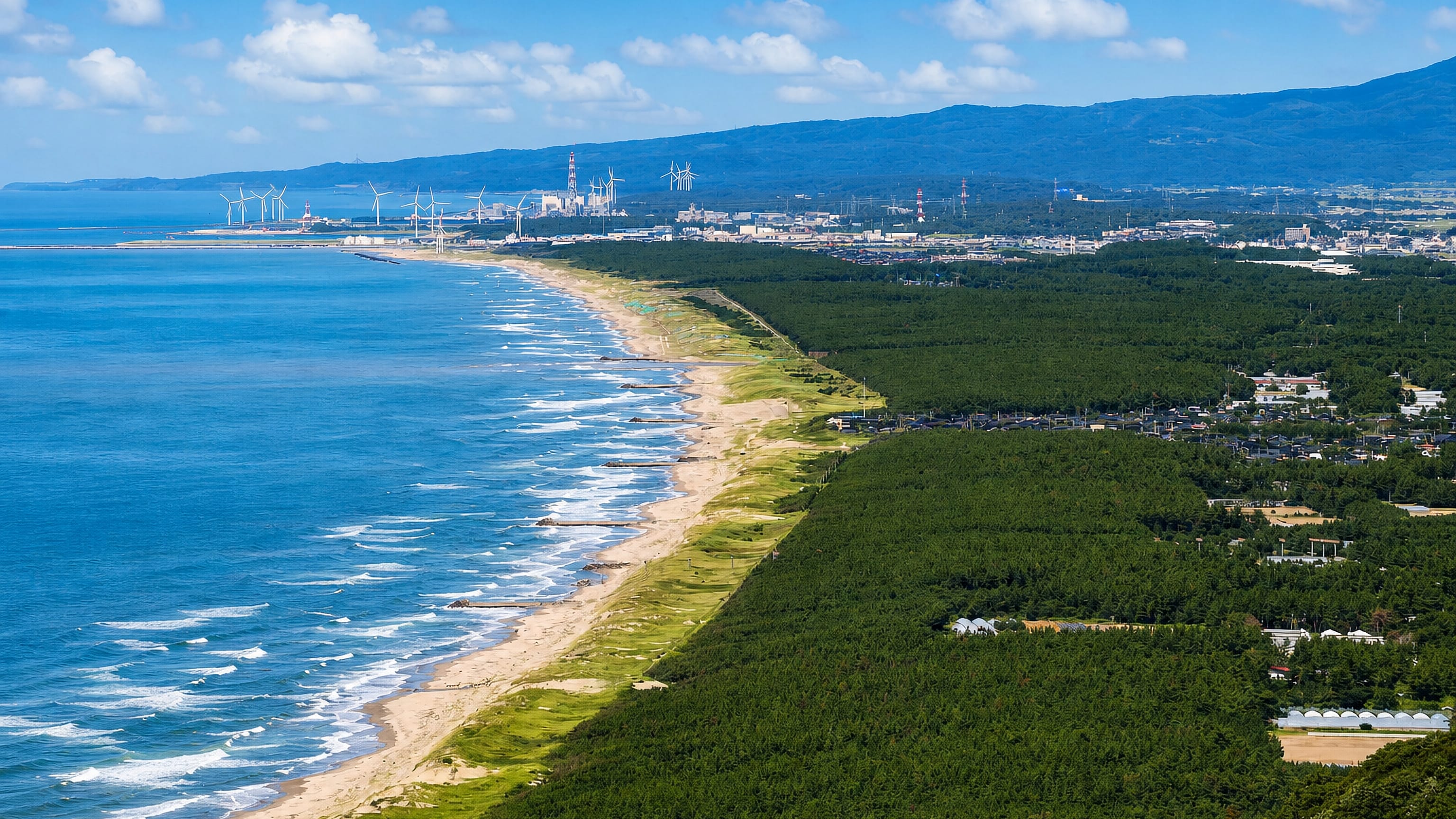
Sakata works the Sea of Japan. The port city keeps the Sankyo Warehouses, the Ken Domon Museum of Photography and the Homma Museum of Art.
Hotel links are affiliate links: booking through them may earn us a commission, at no extra cost to you. It never affects how places are ranked. How this works


Where to stay in Sakata
Where visitors usually base themselves, and why.
The Sankyo Warehouses and the fish market set the terms for a first night in Sakata. Beds on that side put the Sea of Japan trade within walking distance, which matters more than it sounds when the morning catch and the row of warehouses are the two things most visitors came to see. Sōmarō sits in the same quarter.
Anyone who wants an evening away from the seafood restaurants should weigh a room near it or near the Sannō Club, two addresses that answer to a different side of the city altogether. Art pulls the other way. The Ken Domon Museum of Photography, the Homma Museum of Art and the Sakata City Museum of Art can fill a whole day between them, and a bed chosen with those three in mind will serve a visitor better than one chosen for the harbour.
Kakubu-en and the Sōkō-ji Temple Garden ask for daylight. Sakata runs to roughly 603 square kilometres, so Kinowanosaku and the Dōnomae ruins are a drive rather than a walk, and a stay pinned to the port means accepting that those two become a separate excursion. Two nights cover both halves.
Find hotels in Sakata
Direct booking searches for these neighbourhoods.
Sankyo Warehouses and the fish market
The working waterfront of Sakata, where the Sea of Japan trade is still the reason the quarter exists.Find hotels in Sankyo Warehouses and the fish marketevenings at Sōmarō and the Sannō Club rather than the seafood countersAround Sōmarō
The older address side of Sakata, a quieter alternative to rooms taken for the harbour.Find hotels in Around Sōmarōa full day across the Ken Domon Museum of Photography and the Homma Museum of ArtThe gallery run
Sakata's cluster of collections, which on its own holds a visitor longer than the port does.Find hotels in The gallery rundrivers giving Kinowanosaku and the Dōnomae ruins their own morningOut toward Kinowanosaku
The far reaches of Sakata's 603 square kilometres, where the older sites sit well beyond the harbour. Few places to stay nearby — book ahead.Find hotels in Out toward KinowanosakuHotel links are affiliate links: booking through them may earn us a commission, at no extra cost to you. It never affects how places are ranked. How this works
Things to do in Sakata
Ranked by global recognition; descriptions from Wikidata (CC0).
Museums & Galleries
3- Homma Museum of Art Heritage
- Sōmarō Heritage
- Sannō Club Heritage
Castles & Historic Sites
1- Dōnomae ruins
worth knowingacross 2 categories in Sakata
About Sakata
Fish and photographs, in that order.
What is Sakata known for?
The Sea of Japan gives Sakata a fishing industry, a fish market and the seafood restaurants that follow from both, and that trade has shaped the city more than any single building on its list. Then there are the collections. Ken Domon Museum of Photography carries the strongest name, while the Homma Museum of Art, the Sakata City Museum of Art and the Mogamigawa Museum of Art divide the rest of the walls between them.
Sankyo Warehouses stand for the older business.
What are the main landmarks in Sakata?
Eleven entries, and no two alike. Art takes four of them, since the Ken Domon Museum of Photography, the Homma Museum of Art, the Sakata City Museum of Art and the Mogamigawa Museum of Art all hang work. Sankyo Warehouses hold the trade.
Sōmarō and the Sannō Club are buildings kept for their own sake, Kakubu-en and the Sōkō-ji Temple Garden are ground rather than rooms, and Kinowanosaku with the Dōnomae ruins closes the list on older ground.
What is the history of Sakata?
Sakata was constituted in 1889. The port came a long way before that, because a city on the Sea of Japan with a fishing industry and a market for the catch does not wait for a municipal charter to begin trading. Sankyo Warehouses are the visible proof.
A row of storehouses built to hold goods in bulk is what a working harbour leaves behind, and they still stand where that business put them. Dōnomae ruins and Kinowanosaku are not part of that story. Collecting came after the trading.
The Homma Museum of Art and the Sakata City Museum of Art belong to a city with enough surplus to buy and keep pictures, and the Mogamigawa Museum of Art doubles as the Massimo Keiji Memorial Museum. Ken Domon Museum of Photography is the one with a photographer's name over the door. Sōmarō and the Sannō Club survive as buildings, and a visitor reading the city through its architecture will find more in those two than in any gallery.
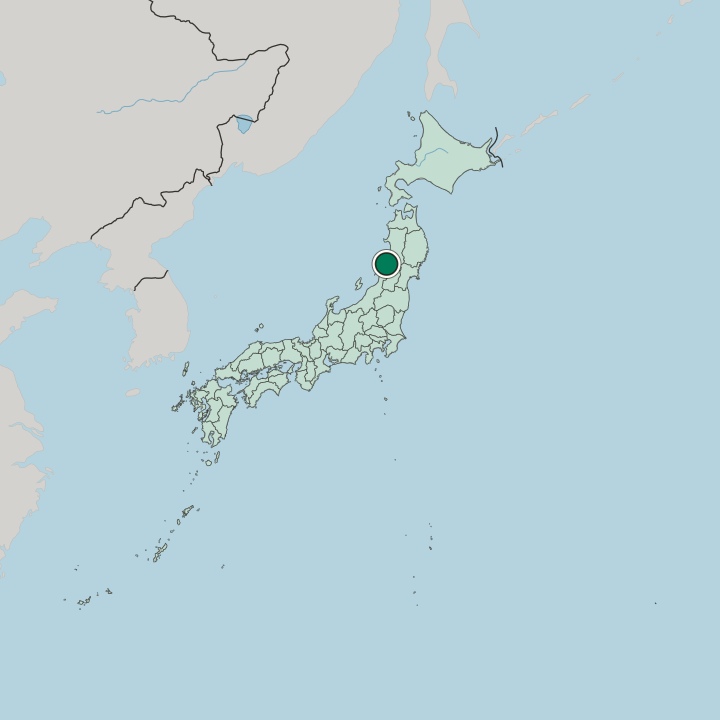
Yamagata Prefecture holds the whole of it, and the gardens at Kakubu-en and Sōkō-ji Temple Garden are the quietest part of what the centuries left, ground kept in order rather than exhibited.
Where is Sakata?
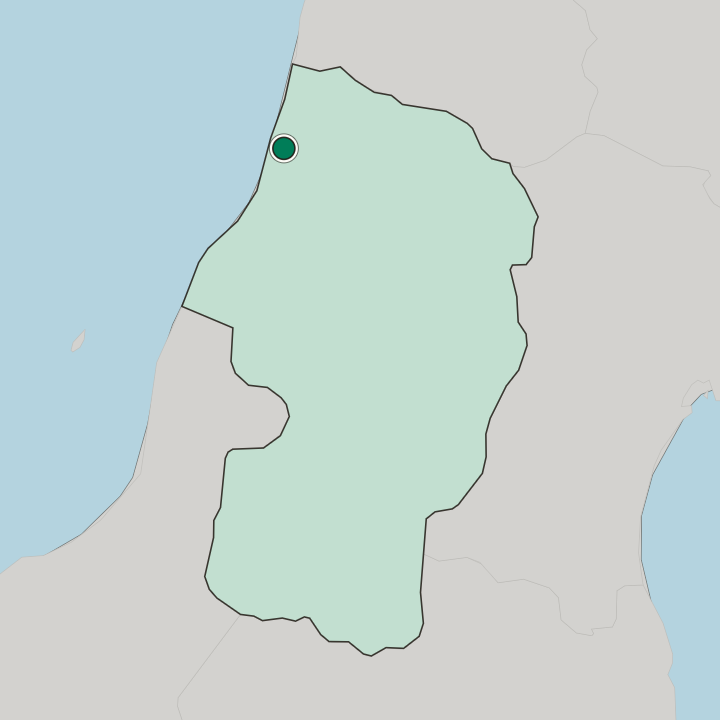
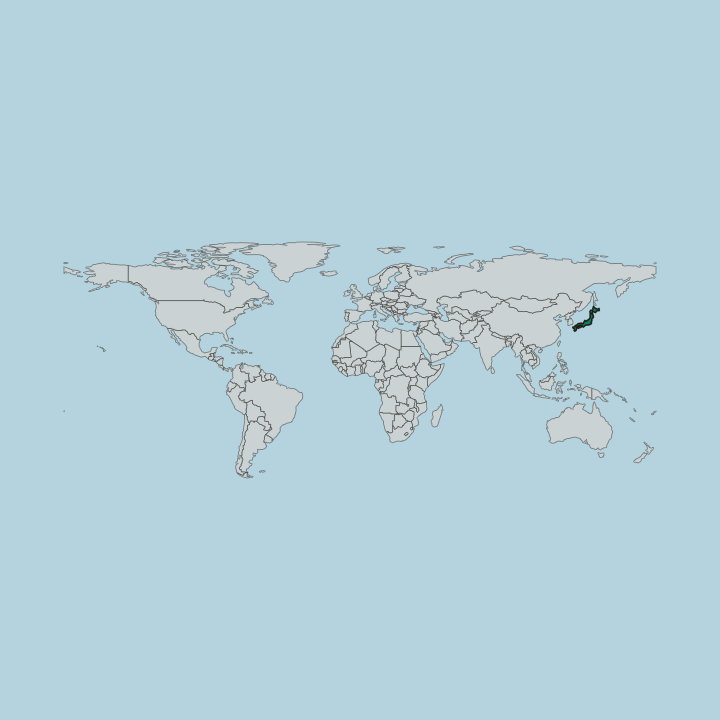
Roughly 603 square kilometres sit under the Sakata name, which is a lot of Yamagata Prefecture for one city to answer for. The Sea of Japan forms one edge. Sankyo Warehouses, the fish market and the museum cluster belong to the built part near the water, while Kinowanosaku and the Dōnomae ruins lie out in the wider ground well back from the harbour.
What is the climate of Sakata?
The Sea of Japan sets the weather here more than anything inland does, and a temperate band on that coast means a visitor should expect changeable conditions rather than settled ones. Bring layers. Kakubu-en and the Sōkō-ji Temple Garden are the sites that suffer from a bad day, since both are walked in the open, and the Ken Domon Museum of Photography with the Homma Museum of Art can absorb the hours that gardens cannot.
How do you get to Sakata?
Sakata is reached overland through Yamagata Prefecture, and the port on the Sea of Japan marks the end of that approach rather than the start of it. The compact port core needs no car. Sankyo Warehouses, the fish market, Sōmarō and the Sannō Club fall within one circuit, whereas Kinowanosaku and the Dōnomae ruins sit far enough into the 603 square kilometres that a car saves most of a day.
Common questions
What is the best area to stay in Sakata?
Sankyo Warehouses and the fish market: the morning catch at the fish market with the Sankyo Warehouses a few steps on. Around Sōmarō: evenings at Sōmarō and the Sannō Club rather than the seafood counters. The gallery run: a full day across the Ken Domon Museum of Photography and the Homma Museum of Art. Out toward Kinowanosaku: drivers giving Kinowanosaku and the Dōnomae ruins their own morning.
Good for
More cities in Yamagata-ken
Updated September 2026