Japan · Yamagata-ken
Where to Stay in Yamagata, Yamagata-ken
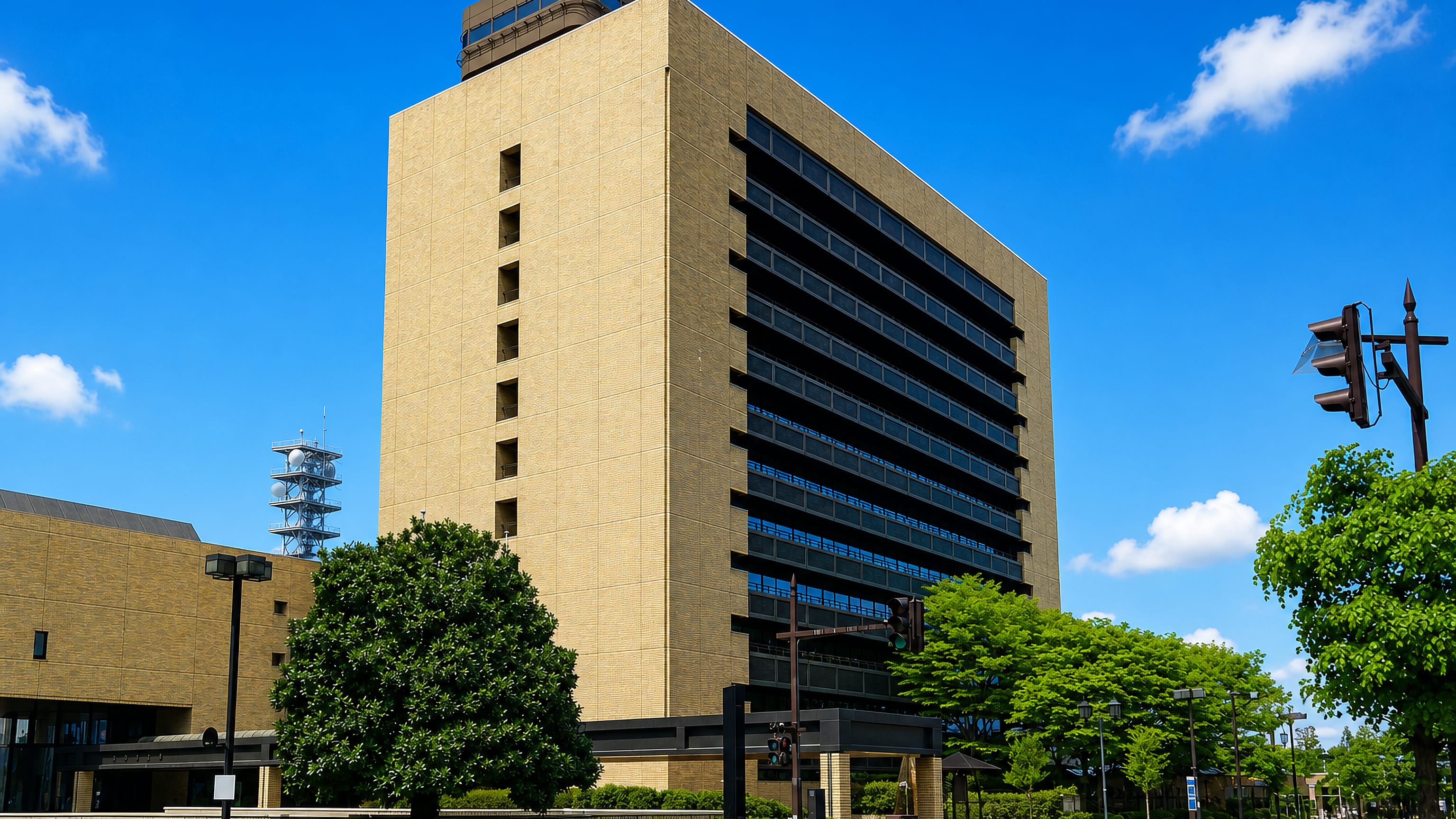
Yamagata is the prefectural capital. Zao Onsen lies inside the city limits, and the Yamagata Museum of Art and Bunshōkan hold the centre.
Hotel links are affiliate links: booking through them may earn us a commission, at no extra cost to you. It never affects how places are ranked. How this works


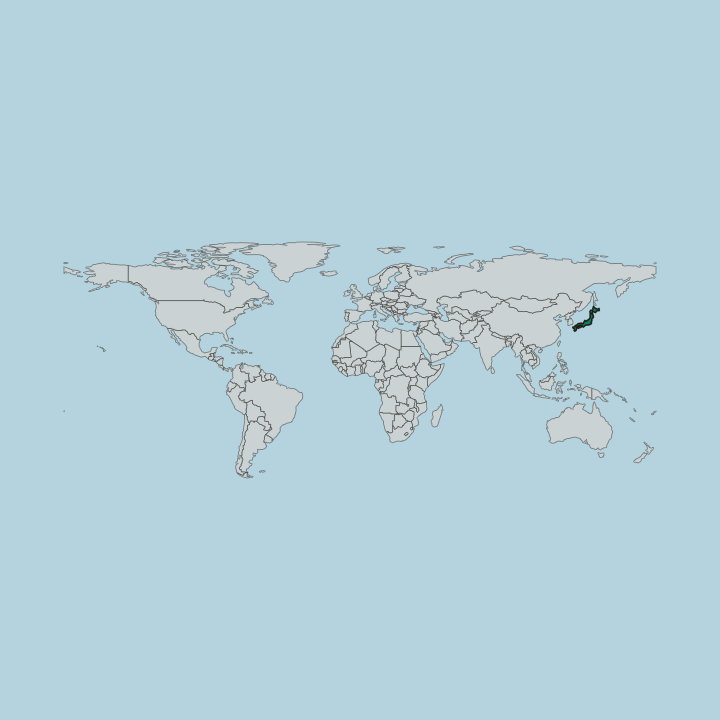
Where to stay in Yamagata
The practical side of choosing where to sleep.
Bunshōkan and Zao Onsen pull a stay in opposite directions, and the gap between them is about forty minutes by bus. Decide which half matters. A room in the middle of Yamagata puts the Yamagata Museum of Art, the Yamagata Prefectural Museum and the Mogami Yoshiaki Historical Museum inside a single walking day, with Bunshōkan close enough to add before dinner.
The centre suits a short trip best. Zao Onsen makes the other case. Beds up there serve a visitor who came for the skiing or the hot springs and treats the capital's collections as an afternoon on the way in or out, which is a different holiday from the one the centre offers.
Yamagata First Baptist Church anchors a quieter option. Rooms near it and near the Yamagata University Museum sit away from the busiest streets, and Shima ruins are the reason to look further out again, since excavated ground rewards an early start more than a central address does. About 381 square kilometres carry the name.
That area covers both the museum streets and the road up to Zao Onsen, which is why the choice matters more here than in a compact city.
Find hotels in Yamagata
Direct booking searches for these neighbourhoods.
The museum streets
The middle of the prefectural capital, with Bunshōkan close enough to add at the end of an afternoon.Find hotels in The museum streetsskiing and hot springs at Zao Onsen, about forty minutes out by busZao Onsen
The resort inside Yamagata's city limits, the largest of its kind anywhere in the Tōhoku region.Find hotels in Zao Onsenquiet nights near Yamagata First Baptist Church and the Yamagata University MuseumAround Yamagata First Baptist Church
A calmer part of Yamagata, off the streets that carry the prefectural offices and the galleries. Few places to stay nearby — book ahead.Find hotels in Around Yamagata First Baptist Churchan early morning at the Shima ruins before the museums openOut by the Shima ruins
Excavated ground on the far side of Yamagata's 381 square kilometres, away from every gallery. Beds are limited here, so book early.Find hotels in Out by the Shima ruinsHotel links are affiliate links: booking through them may earn us a commission, at no extra cost to you. It never affects how places are ranked. How this works
Things to do in Yamagata
Ranked by global recognition; descriptions from Wikidata (CC0).
Museums & Galleries
1- Yamagata Museum of Art
Churches & Religious Sites
3- Yamagata First Baptist Church
- 山形六日町教会
- 山形本町教会
Castles & Historic Sites
1- Shima ruins
worth knowingacross 3 categories in Yamagata
About Yamagata
A capital with a ski resort inside it.
What is Yamagata known for?
Zao Onsen is the largest of its kind in the Tōhoku region and doubles as a hot spring resort, which is an unusual pairing for a prefectural capital. Collections account for the rest. Yamagata Museum of Art, the Yamagata Prefectural Museum and the Yamagata University Museum divide the collections, while Bunshōkan and the Mogami Yoshiaki Historical Museum work on the city's own past.
What are the main landmarks in Yamagata?
Nine entries, and one of them is a ski resort. Zao Onsen accounts for the skiing and the hot springs alike, which leaves the eight remaining sites to divide the city's indoor life between them. Bunshōkan stands on its own.
Yamagata Museum of Art, the Yamagata Prefectural Museum and the Yamagata University Museum hold the collections, while the Mogami Yoshiaki Historical Museum, Yamagata First Baptist Church and the Shima ruins each answer to something narrower.
What is the history of Yamagata?
Shima ruins hold the oldest ground in the city. Excavated remains sit under a name that predates the prefecture, the capital and the municipal boundary alike, and nothing else on the list reaches as far back. Mogami Yoshiaki is remembered separately.
The Mogami Yoshiaki Historical Museum exists because one name mattered enough to the city to be given a building of its own, which is rare among the collections here. Yamagata was constituted in 1889. Becoming the seat of Yamagata Prefecture brought the administrative weight that Bunshōkan represents, and a capital in the Tōhoku region needed offices and halls on a scale the surrounding towns did not.
Churches followed. Yamagata First Baptist Church marks a strand of the city's life that the older institutions do not cover, and the Yamagata University Museum belongs to a still later stage, when teaching and collecting came together under one roof. Zao Onsen came into the city with its own history.
A ski and hot spring resort inside the boundary of a prefectural capital is an inheritance of where the lines were drawn, and it gives Yamagata a second economy alongside the offices and the galleries.
Where is Yamagata?
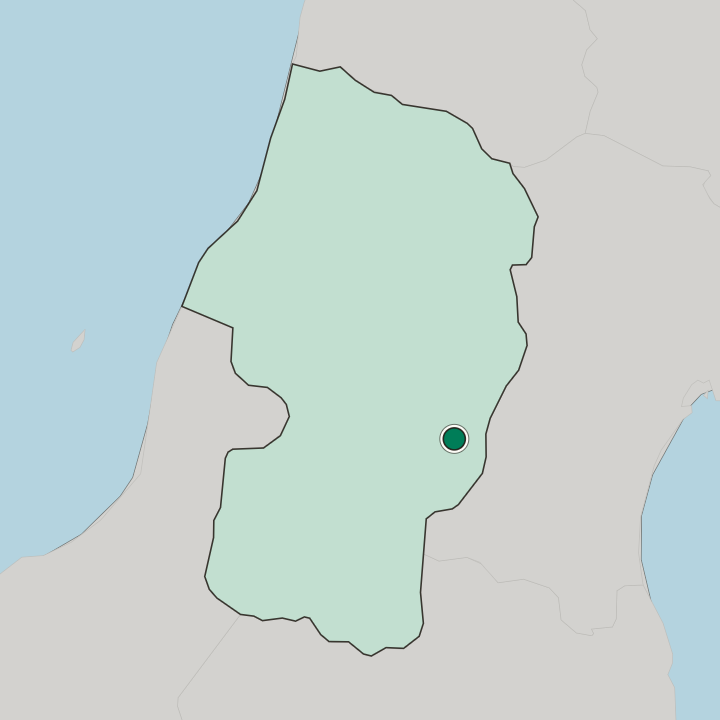
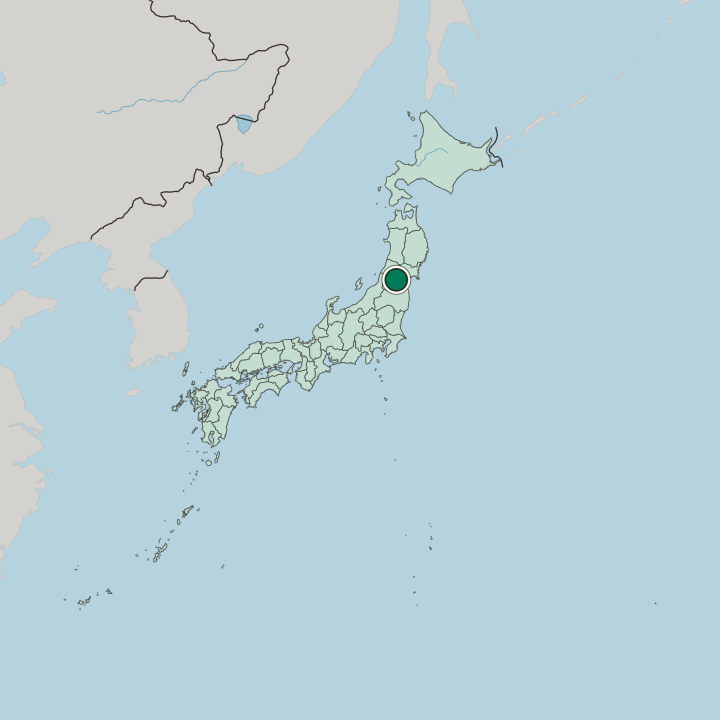
About 381 square kilometres make up the capital, and the resort at Zao Onsen sits inside that boundary about forty minutes from the centre by bus. The middle is compact. Yamagata Museum of Art, Bunshōkan and the Mogami Yoshiaki Historical Museum belong to the built core of the Tōhoku region's prefectural seat, while the Shima ruins and the ground running out toward Zao Onsen occupy the rest.
What is the climate of Yamagata?
Snow is the reason Zao Onsen works as a ski resort, which tells a visitor more about the winter here than any temperate label does. Summers are a different city. Yamagata Museum of Art, the Yamagata Prefectural Museum and Bunshōkan take the wet and cold months without complaint, and the Shima ruins are the one site that wants clear ground underfoot.
How do you get to Yamagata?
Yamagata is the seat of its prefecture, which makes it the obvious arrival point for anyone working through this part of the Tōhoku region. One bus covers it. Zao Onsen lies about forty minutes out by bus from the centre, while the Yamagata Museum of Art, Bunshōkan and the Yamagata University Museum are close enough together that the rest of a visit can be done on foot.
Common questions
What is the best area to stay in Yamagata?
The museum streets: a walking day across the Yamagata Museum of Art and the Yamagata Prefectural Museum. Zao Onsen: skiing and hot springs at Zao Onsen, about forty minutes out by bus. Around Yamagata First Baptist Church: quiet nights near Yamagata First Baptist Church and the Yamagata University Museum. Out by the Shima ruins: an early morning at the Shima ruins before the museums open.
Good for
More cities in Yamagata-ken
Updated October 2026