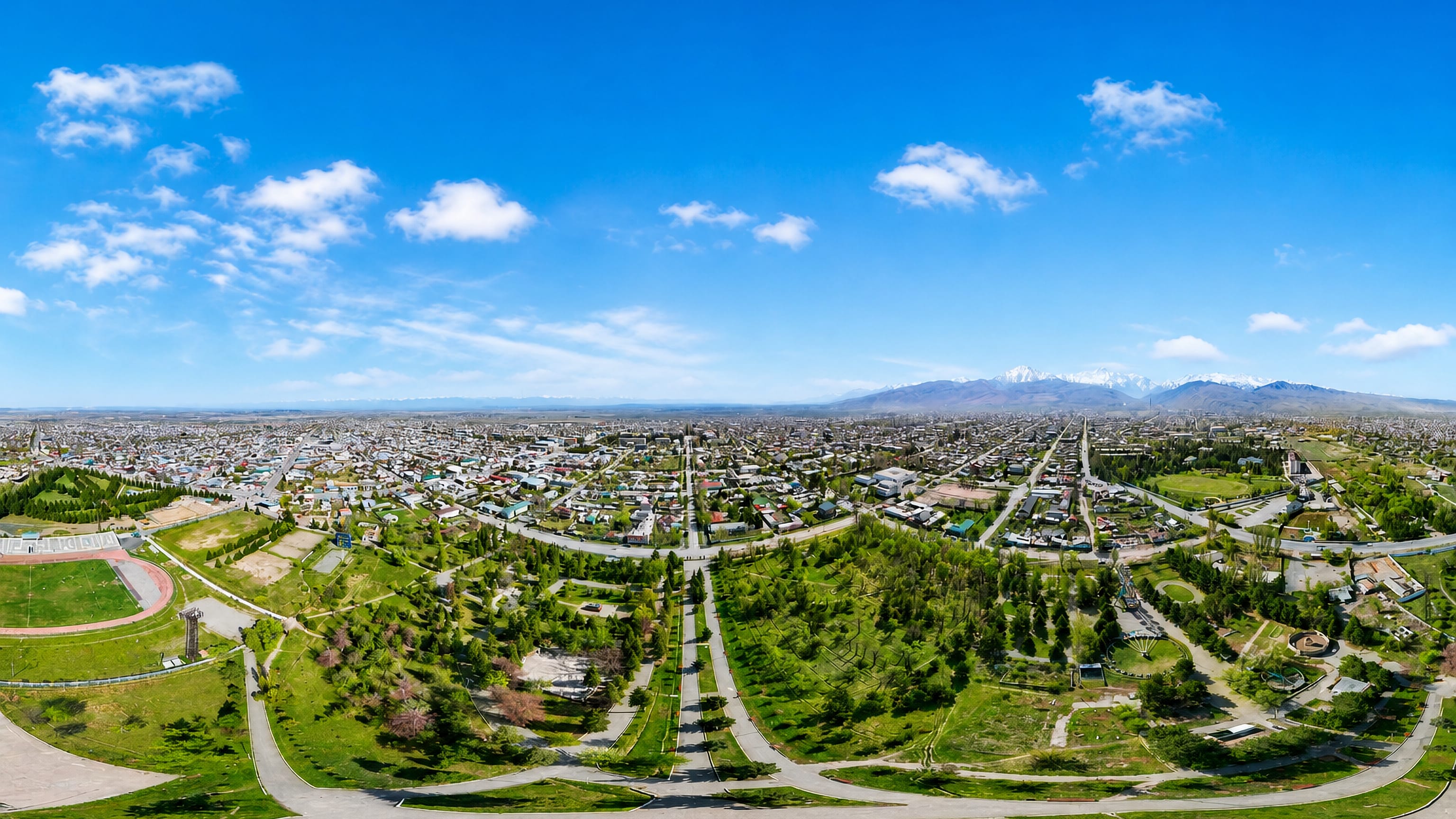
Kyrgyzstan
Issyk-Kul Region, Kyrgyzstan — Towns & Travel Guide
Issyk-Kul Region takes its name from Lake Issyk-Kul, the world's second-largest high altitude lake, and is administered from Karakol.
Hotel links are affiliate links: booking through them may earn us a commission, at no extra cost to you. It never affects how places are ranked. How this works


Towns & cities in Issyk-Kul Region
One town here has its own guide — it links to where to stay.

 Kyrgyzstan
Karakol
Karakol, once Przhevalsk, stands near the eastern tip of Issyk-Kul as the administrative capital of Kyrgyzstan's Issyk-Kul Region.Where to stay →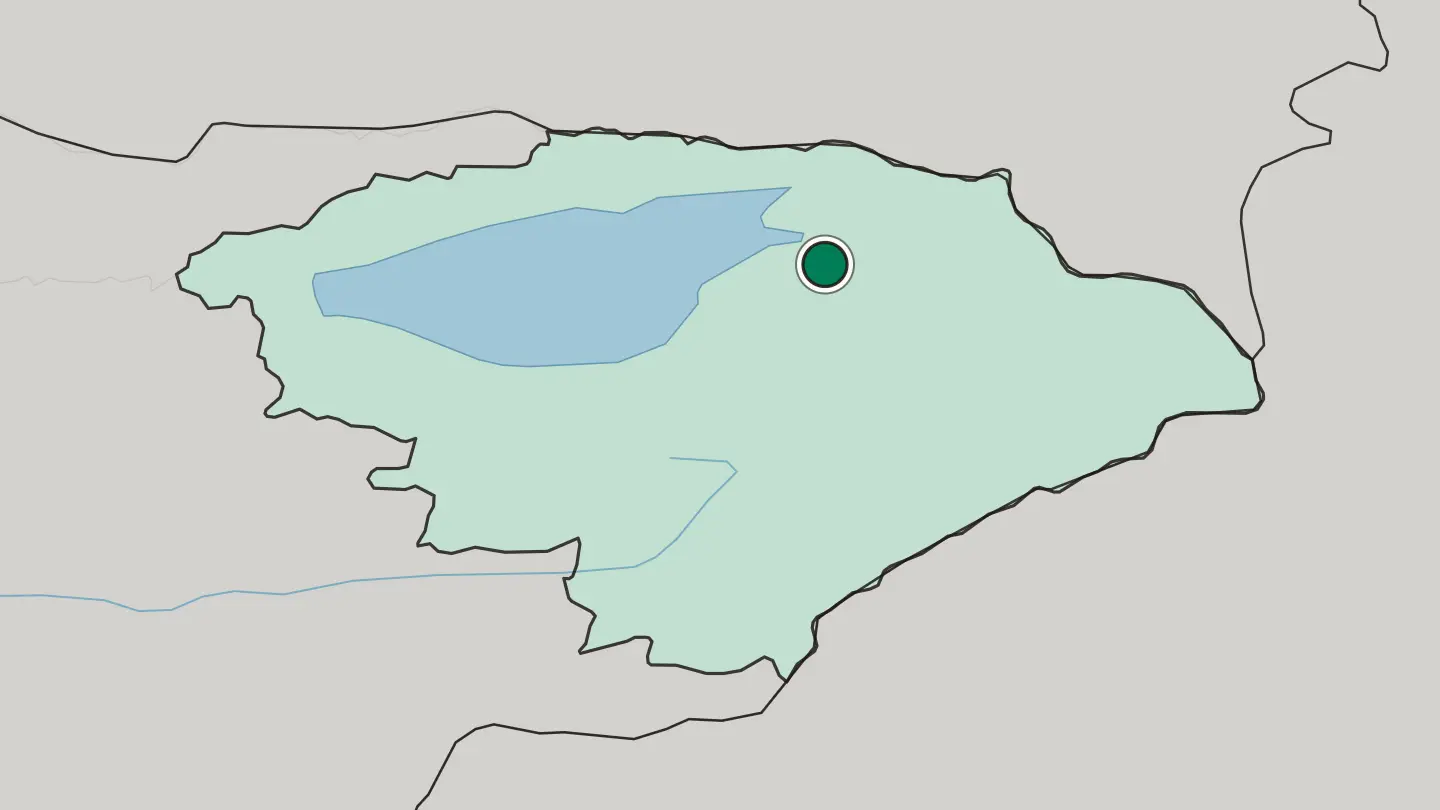
Hotel links are affiliate links: booking through them may earn us a commission, at no extra cost to you. It never affects how places are ranked. How this works
About Issyk-Kul Region
What is Issyk-Kul Region known for?
Issyk-Kul is the world's second-largest high altitude lake, and the region named after it draws its visitors, its road network and its reputation from that single body of water rather than from any town. Karakol is the seat. Beyond the shoreline the Tian Shan takes over, so mountain routes and lake water sit inside the same short drive of each other.
Russian communities are part of the mix.
Where is Issyk-Kul Region?
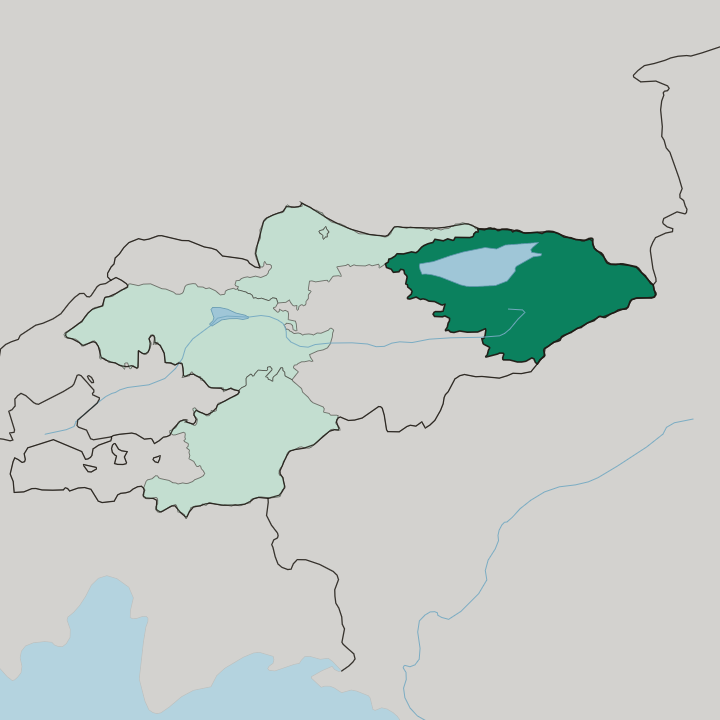
Four different edges close this region. Almaty Region in Kazakhstan holds the northern boundary, Chüy Region the western, Naryn Region the southwestern, and Xinjiang, China the southeastern, so two of the four edges are international lines and two are domestic. The lake sits in the middle.
Lake Issyk-Kul lies at the centre and the Tian Shan makes up the rest, so water and high country are the two halves of everything the region contains. This is the east of Kyrgyzstan, an oblast whose boundary does double duty as a national frontier on two of its four sides. Height is the other constant across the oblast.
Issyk-Kul is the world's second-largest high altitude lake, which means the shoreline itself already sits well up, and the Tian Shan then rises above that starting level rather than from any lowland floor. Karakol holds the administrative centre of it all. Some forty-three thousand square kilometres of basin, shore and range make up the oblast, a spread large enough that the drive from the Chüy Region side to the Xinjiang, China edge crosses several different kinds of country.
What is Issyk-Kul Region like?
Two words name this place together. Guides treat Issyk Kul and the Tian Shan as one region, and that pairing describes how the oblast actually works, since a visitor rarely comes for the water without also taking the mountains that stand behind it. Karakol handles the administration.
The regional capital is the one town in Issyk-Kul Region with the weight to organise a lake this size and a range this high, and everything institutional runs through it. A Russian community is part of the picture. Issyk-Kul Region carries a sizeable Russian minority, the same feature that marks Chüy Region on the far side of the ranges, so the two oblasts share something beyond a common boundary.
Four neighbours press on the edges. Almaty Region, Chüy Region, Naryn Region and Xinjiang, China each open onto Issyk-Kul Region from a different quarter, and the traffic that comes in from those directions is what keeps a lake-and-mountain oblast from being a closed world of its own. Lake Issyk-Kul stays the constant through all of it, the one feature every account of the region begins from.
What is the history of Issyk-Kul Region?
The oblast dates from 1939. Its boundaries were fixed around the lake rather than around a town, which is why the region carries the water's name and not Karakol's, and why the capital sits inside a unit defined by something larger than itself. Russian settlement is part of that record.
The sizeable Russian minority the region still carries belongs to the same layer of the twentieth century as the boundary lines themselves.
What is the climate of Issyk-Kul Region?
The lake works against the height. A body of water this large holds its heat well into the cold months, and that is why a shore sitting as high as Issyk-Kul's does not behave the way the surrounding Tian Shan does. The difference is local.
Step back from the water and the temperate mountain regime of the high passes toward Naryn Region takes over inside a short distance.
How do you get to Issyk-Kul Region?
Most people come in from Chüy Region. Roads in from that side reach Karakol, which is how most traffic into the oblast arrives, since the alternatives cross international boundaries. Two of the edges are frontiers.
Almaty Region in Kazakhstan lies over the northern line and Xinjiang, China over the southeastern one, while Naryn Region connects the oblast to the rest of Kyrgyzstan inland.
Common questions
What is the best area to stay in Issyk-Kul Region?
Karakol: a supplied base for the Tian Shan with Lake Issyk-Kul still within reach. the Issyk-Kul shore: days spent on the world's second-largest high altitude lake.
Good for
More regions in Kyrgyzstan
Updated September 2026