South Korea · Jeju-do
Where to Stay in Jeju City, Jeju-do
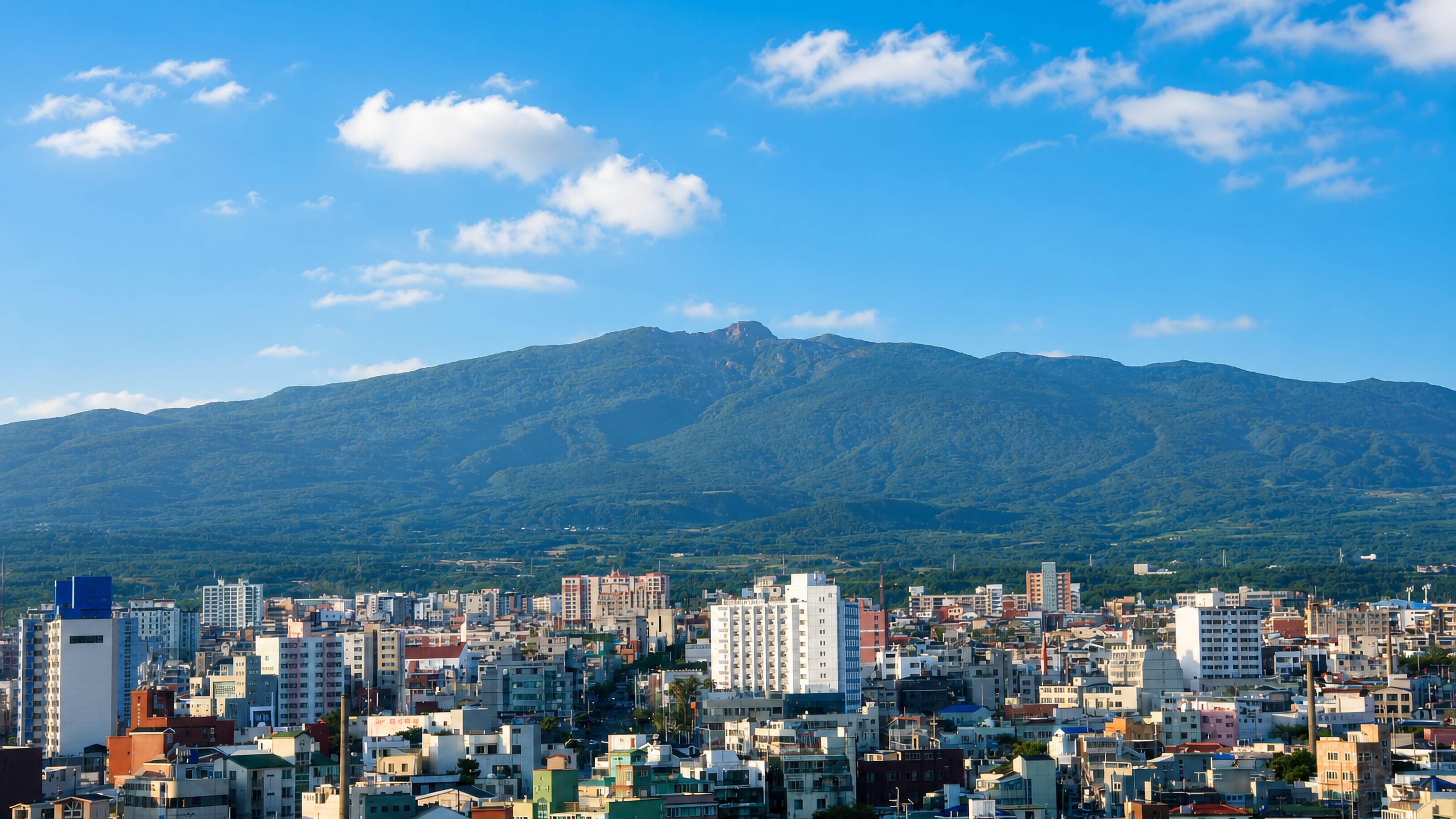
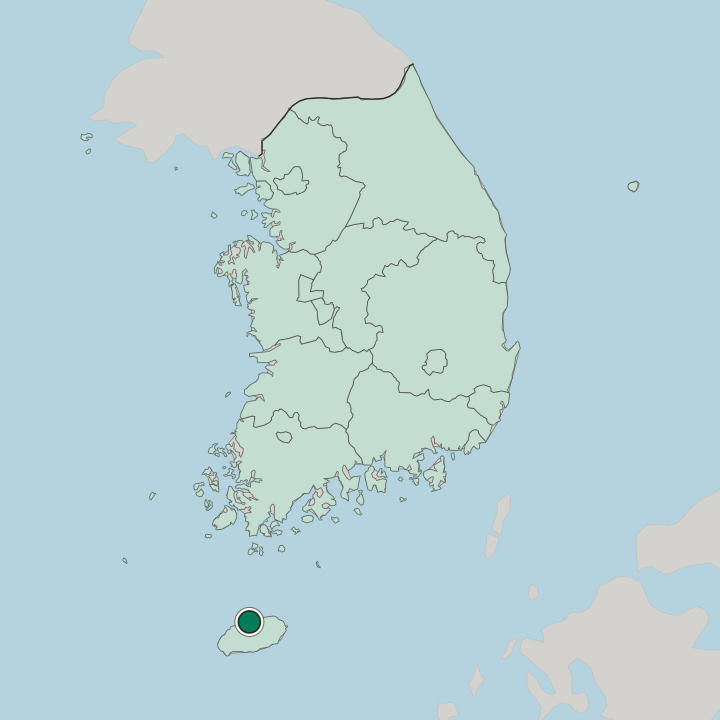
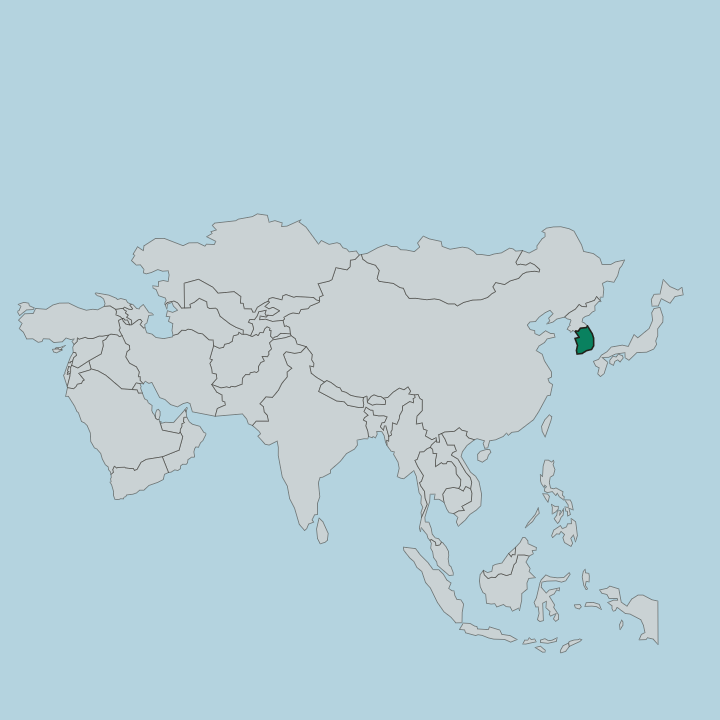
Jeju City is capital of Jeju Island in South Korea, a port on the north shore of a volcanic island of black rock and green fields off the southern coast.
Hotel links are affiliate links: booking through them may earn us a commission, at no extra cost to you. It never affects how places are ranked. How this works


Where to stay in Jeju City
How the choice of base plays out on the ground.
In Jeju City the decision is the harbour streets or the coast beyond them. The streets around the harbour keep the markets, the museums, and the old fort within a walk, and staying downtown suits anyone here for the city and its ferries. The black coast runs east.
Boats fill the harbour. Out on the lava coast road and up the volcano, the town gives way to the lava coves, the tangerine farms, and the green slopes of Hallasan. A room out of town trades the streets for the black-rock beaches, the crater trails, and the wide sea views.
The volcano climbs to cloud. Stay downtown for the harbour, or out for the coast. Downtown Jeju City stands a short step back from the black shoreline.
Find hotels in Jeju City
Direct booking searches for these neighbourhoods.
The harbour town
Around the old harbourFind hotels in The harbour townStays wanting the lava coast and HallasanThe coast and volcano
Out on the lava coast roadFind hotels in The coast and volcanoHotel links are affiliate links: booking through them may earn us a commission, at no extra cost to you. It never affects how places are ranked. How this works
Things to do in Jeju City
Ranked by global recognition; descriptions from Wikidata (CC0).
Museums & Galleries
2- Jeju National Museum
- 제주특별자치도민속자연사박물관
Churches & Religious Sites
1- Immaculate Conception Cathedral, Jeju
Stadiums & Sports
3- Jeju Sports Complex
- Sarabong Football Field
- Aehyang Stadium
worth knowingacross 3 categories in Jeju City
About Jeju City
Jeju City is the island city of the south.
What is Jeju City known for?
On the north coast of Jeju, a volcanic island off the tip of Korea, it lies below a great shield mountain, and it keeps the black lava coast and its dragon-head rock, the diving women who gather shellfish from the sea, the tangerine groves that ring the town, and the caves and craters of the island around. The blue sea rings the shore. The dark volcano rises inland.
What are the main landmarks in Jeju City?
The black coast is the mark of Jeju City. The lava shore at Yongduam, where a great rock in the shape of a dragon's head rears from the surf, draws all who come, the emblem of the island, on the sea. Divers work the rocks.
The haenyeo women dive for shellfish along the coast nearby, while the folk museum, the Sarabong sunrise hill, and the tangerine groves mark the country around Jeju City.
What is the history of Jeju City?
Jeju was once its own kingdom. Long ago the island was the realm of Tamna, a sea kingdom of its own, and old myth tells that its first men rose from three holes in the ground. The sea shaped its life.
Cut off by rough water from the mainland, the islanders lived by fishing, diving, and small stony fields, and their women dived deep for shellfish without air, as they still do. The island knew hard days. Under the old kingdoms Jeju was a place of exile, where scholars and officials were banished far across the sea, and it long lay poor and remote on the edge of the realm.
The wider world found it late. In time the mild climate, the great volcano, and the strange black coast drew travellers from the mainland and beyond, and Jeju City grew into a busy island capital, keeping its divers, its groves, and its lava caves. The women still dive off the rocks.
Jeju City keeps its harbour and its volcano on the southern sea.
Where is Jeju City?
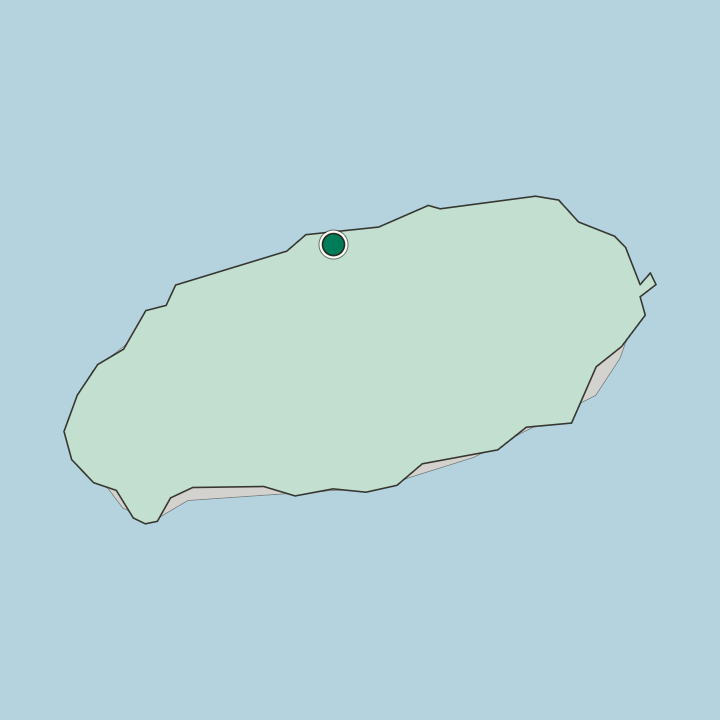
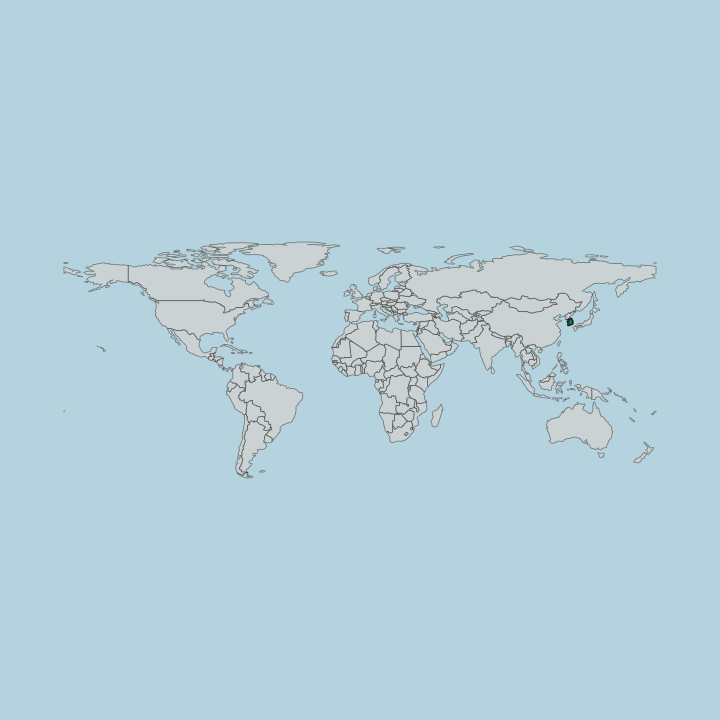
Jeju City lies on the north coast of Jeju Island, the great volcanic island south of the Korean mainland. The city spreads along the shore below Hallasan, the shield volcano that fills the island's heart, on a coast of black basalt and lava fields, with green farms and small craters climbing to the peak. Waves break on the black rock.
The volcano fills the sky.
What is the climate of Jeju City?
Jeju City has a mild, wet island climate. Warm summers and cool winters cross the island, with heavy rain and the odd typhoon in summer and mild windy winters, softer than the mainland. The sea keeps the air mild.
Winds sweep the open coast.
How do you get to Jeju City?
Jeju City lies on the north coast of Jeju Island, off the south of Korea. Ferries and a busy airport bring visitors across the strait from the mainland, and roads ring the island. Boats cross to the mainland.
Seoul lies north over the sea.
Common questions
What is the best area to stay in Jeju City?
The harbour town: Visitors here for the markets and ferries. The coast and volcano: Stays wanting the lava coast and Hallasan.
Good for
Another city in Jeju-do
Updated October 2026