South Korea · Jeollanam-do
Where to Stay in Suncheon, Jeollanam-do
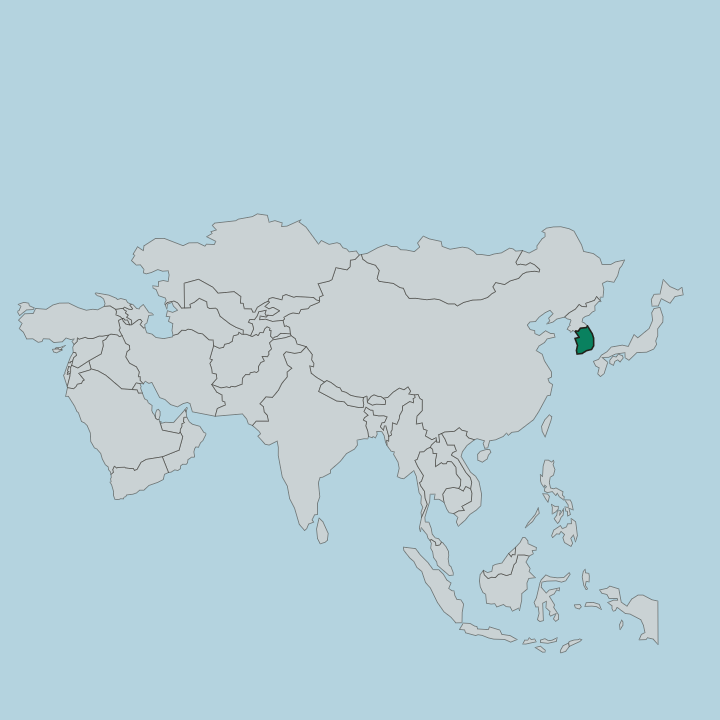
Suncheon is a city in South Jeolla, South Korea, known for its great reed wetland and its mountain temples.
Hotel links are affiliate links: booking through them may earn us a commission, at no extra cost to you. It never affects how places are ranked. How this works


Where to stay in Suncheon
The practical side of choosing where to sleep.
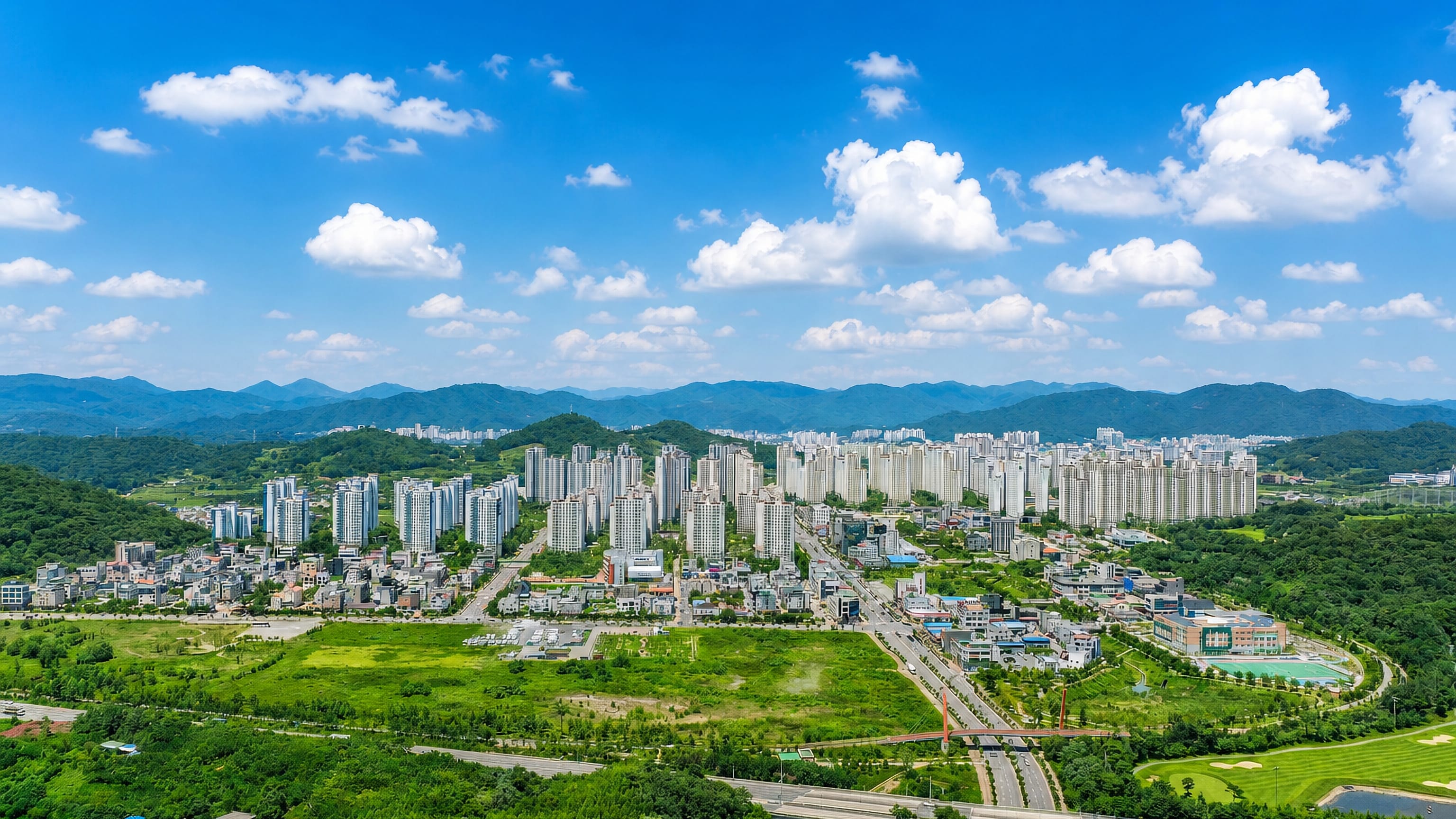
Where you stay in Suncheon turns on the city or the bay. The town centre keeps the shops, the stations, and the garden park within reach, and staying downtown suits anyone here for the city. The garden park lies close by.
Rooms sit near the station. Out toward the bay and the reed flats, the town gives way to the wetland. A room by the bay trades the centre for the reeds, the birds, and the sunset over the mudflats.
The wide marsh opens past the edge. If you want the shops and the garden, stay downtown; if you want the wetland, take a room by the bay. Downtown is a short hop from either base.
Find hotels in Suncheon
Direct booking searches for these neighbourhoods.
The city centre
Downtown within reach of the shops and the garden parkFind hotels in The city centreStays wanting the wetland and the birdsThe bay
By Suncheon Bay near the reeds and the mudflatsFind hotels in The bayHotel links are affiliate links: booking through them may earn us a commission, at no extra cost to you. It never affects how places are ranked. How this works
About Suncheon
Suncheon is the city of the reed bay and the temples.
What is Suncheon known for?
On its coast spreads Suncheon Bay, a vast wetland of reeds and mudflats where cranes winter, and in the hills behind stand great old Buddhist temples like Songgwangsa, while a broad garden park draws crowds to the edge of the marsh. The tide fills the reed flats twice a day. Wetland and temples mark the city.
What are the main landmarks in Suncheon?
Suncheon Bay spreads its reeds below the city. The great wetland of mudflats and reeds, alive with cranes and geese, reaches to the sea, the emblem of the city, past the garden park. Old temples fill the hills.
Songgwangsa, one of the jewel temples of Korea, stands deep in the mountains, while the folk fortress of Nagan and the estuary marshes mark the land around Suncheon.
What is the history of Suncheon?
Suncheon has long lived between the mountains and the sea. In the hills behind the town monks built great temples in the early ages of Korean Buddhism, and Songgwangsa, one of the three jewel temples of the land, grew rich with halls and treasures on the slopes of Jogyesan. The coast guarded the southern sea.
In old wars the town held a fortress against invaders from the water, and its walls and gates watched the bay. The reed bay shaped the town's later life. For centuries fishermen and farmers worked the mudflats and the plain, and the wide wetland fed a wealth of birds and fish.
In our own age the marsh became a treasure. The city set aside Suncheon Bay as a great nature reserve, drawing watchers to its cranes and reeds, and it built a broad garden park beside the water. The temples and the reeds still draw the crowds.
Suncheon keeps its wetland and its temples in the south.
Where is Suncheon?
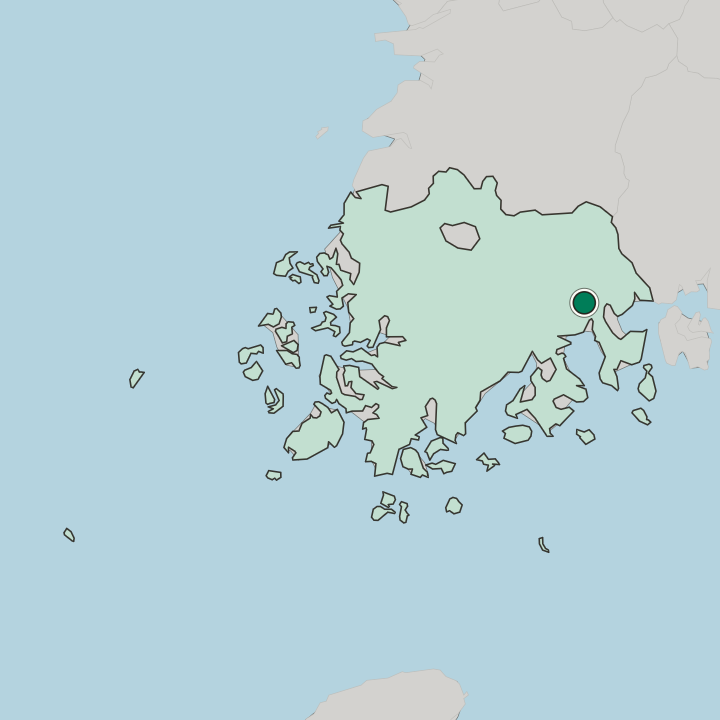
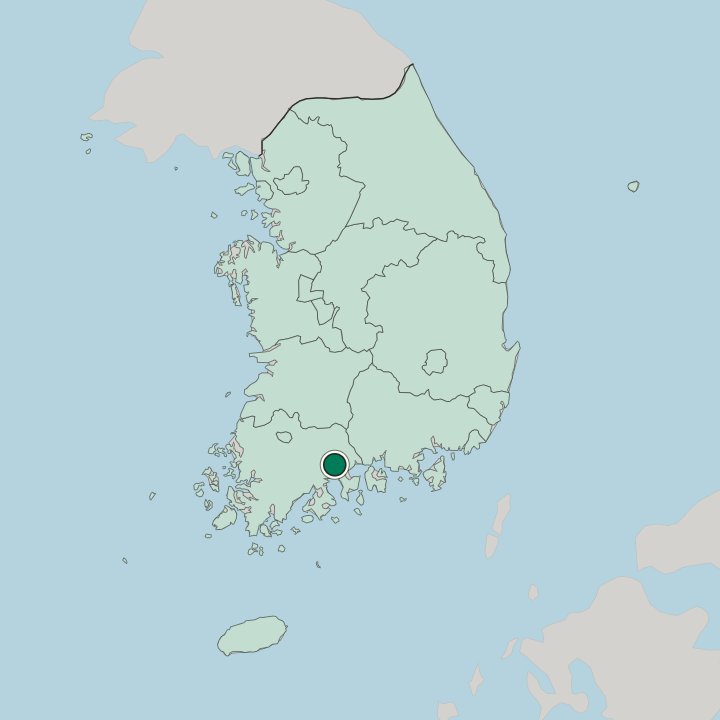
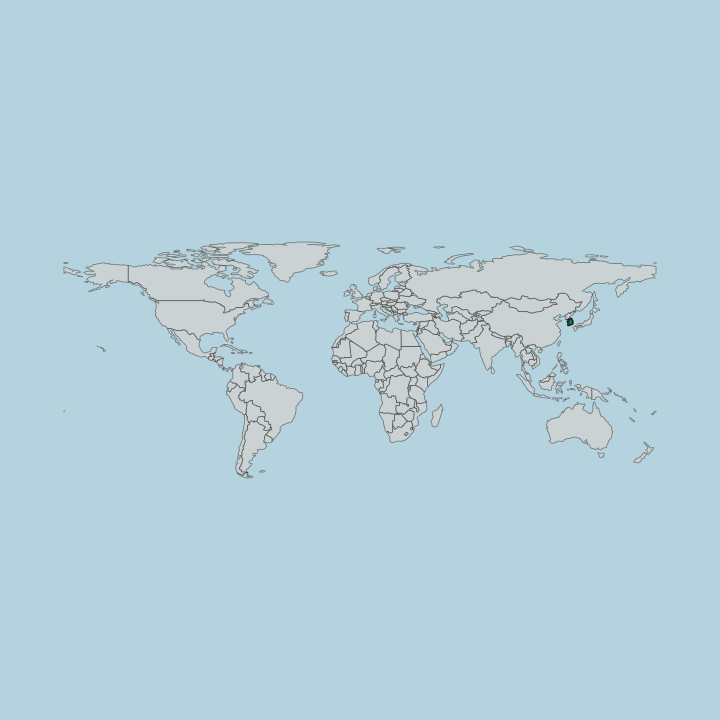
Suncheon lies on the south coast of the Korean peninsula in South Jeolla. The city sits at the head of a wide shallow bay, where a river runs down through the plain to the reed flats and the sea, ringed by green wooded hills. Forested peaks rise inland.
The reed bay opens to the south.
What is the climate of Suncheon?
Suncheon has a mild, humid climate. Warm, wet summers and cool winters cross the coast, and the monsoon and the typhoons bring heavy rain in summer, while the winters stay soft. Frost touches the reed flats in winter.
The coast stays mild much of the year.
How do you get to Suncheon?
Suncheon lies on the south coast of Korea, between Yeosu and Gwangju. Fast trains and the expressway run to it from Seoul and the southern cities, and roads reach the coast and the mountains around. Buses cover the smaller towns down the coast.
Most arrive by rail from Seoul.
Common questions
What is the best area to stay in Suncheon?
The city centre: Visitors here for the shops, stations, and garden park. The bay: Stays wanting the wetland and the birds.
Good for
More cities in Jeollanam-do
Updated September 2026