South Korea · Jeonbuk
Where to Stay in Iksan, Jeonbuk
Iksan is a city in North Jeolla, South Korea, at the heart of the old Baekje kingdom and its great temple ruins.
Hotel links are affiliate links: booking through them may earn us a commission, at no extra cost to you. It never affects how places are ranked. How this works


Where to stay in Iksan
Where visitors usually base themselves, and why.
Where you stay in Iksan turns on the city or the ruins. The town centre by the station keeps the shops, the markets, and the jewel trade within reach, and staying downtown suits anyone here for the city. The trains meet at the station.
Rooms sit near the busy junction. Out toward Mireuksa and the old plain, the town gives way to rice fields. A room by the ruins trades the centre for the pagoda, the museums, and the quiet of the fields.
The flat plain opens past the edge. If you want the shops and the trains, stay downtown; if you want the ruins, take a room by Mireuksa. Both choices leave central Iksan a short hop away.
Find hotels in Iksan
Direct booking searches for these neighbourhoods.
The city centre
By the station within reach of the shops and the jewel tradeFind hotels in The city centreStays wanting Mireuksa and the museumsBy the ruins
Out toward the Mireuksa pagoda among the rice fieldsFind hotels in By the ruinsHotel links are affiliate links: booking through them may earn us a commission, at no extra cost to you. It never affects how places are ranked. How this works
Things to do in Iksan
Ranked by global recognition; descriptions from Wikidata (CC0).
Museums & Galleries
3- Iksan Jewelry Museum
- Iksan National Museum
- Baekje Wanggung Museum
Churches & Religious Sites
1- Nabawui Catholic church Heritage
Castles & Historic Sites
3- Mireuksa Heritage
- Wanggung-ri Heritage
- Iksan Nangsansanseong Fortress Heritage
Stadiums & Sports
3- Iksan Public Stadium
- Iksan Football Park
- Iksan Sports Complex Auxiliary Stadium
worth knowingacross 4 categories in Iksan
About Iksan
Iksan is a city of the ancient Baekje kingdom.
What is Iksan known for?
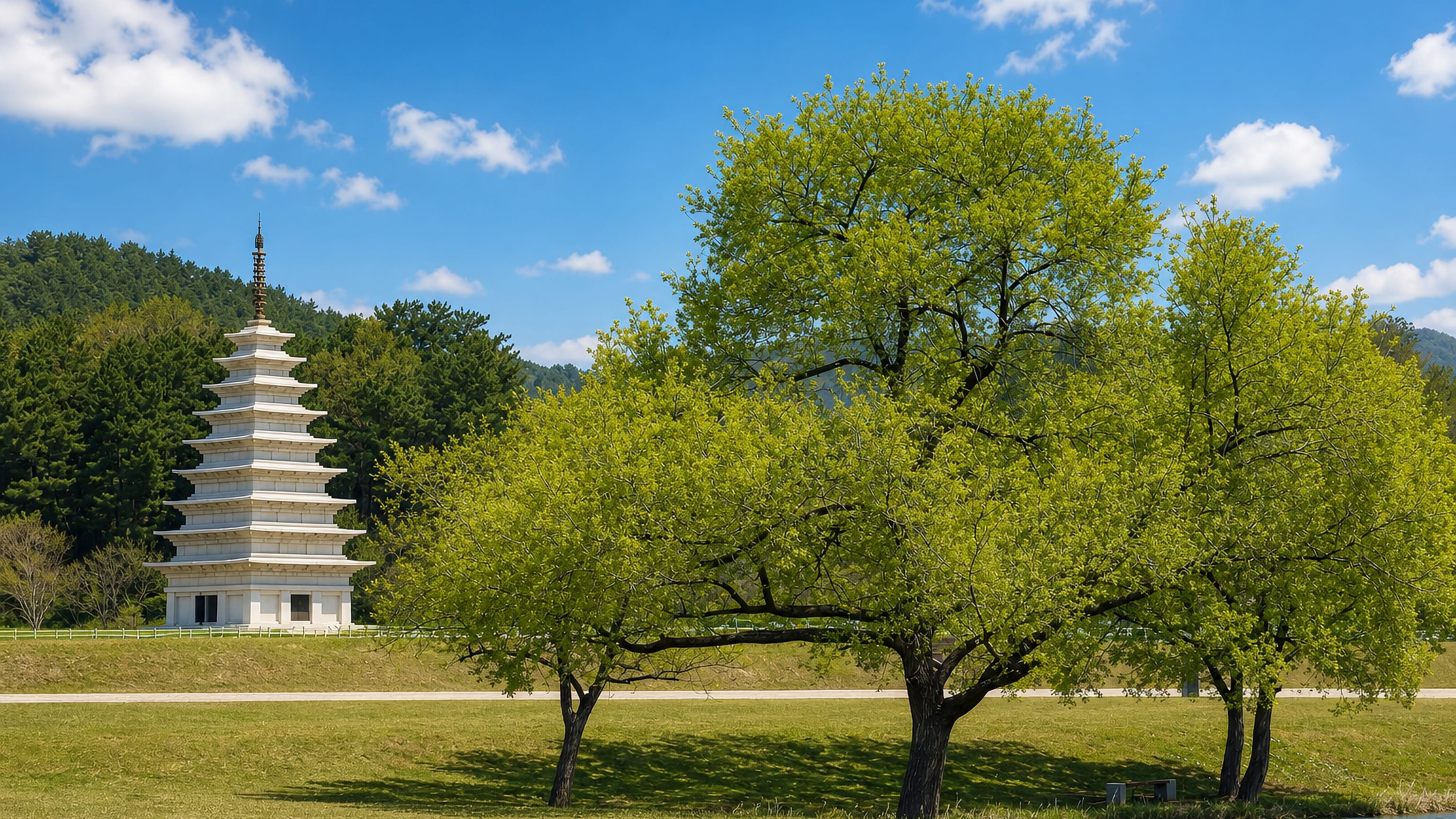
On the plain here once stood Mireuksa, the largest temple of old Korea, and its great stone pagoda, the oldest that survives in the land, still rises among the ruins, while nearby lie the remains of a Baekje palace. The city is known too for its jewelers. Ruins and pagoda mark the city.
What are the main landmarks in Iksan?
The Mireuksa pagoda rises from the plain at Iksan. The great stone pagoda, the oldest in Korea, stands among the ruins of the old Baekje temple, the emblem of the city, on the flat fields. A palace site lies nearby.
The Wanggung-ri ruins keep a Baekje royal seat and its own tall pagoda, while the museums of Iksan tell the story of the kingdom.
What is the history of Iksan?
Iksan was a royal seat of the Baekje kingdom. In the seventh century King Mu of Baekje made this plain a centre of his realm, building a palace at Wanggung and a vast temple called Mireuksa, the greatest in the land. Its stone pagoda still stands.
The tall Mireuksa pagoda, the oldest and largest of its kind in Korea, survived the fall of the kingdom and the passing of the ages, a wonder of early stonework. The kingdom fell, but the ruins endured. Baekje was conquered, its palaces burned, and Mireuksa fell to ruin, yet the great pagoda and the temple's stones lay on the plain for a thousand years and more.
Later the town found a new trade. In our own age Iksan grew into a rail hub and a centre of the jewel and gem trade, cutting and setting stones for the country. The old pagoda still crowns the fields.
Iksan keeps its Baekje ruins on the Honam plain.
Where is Iksan?
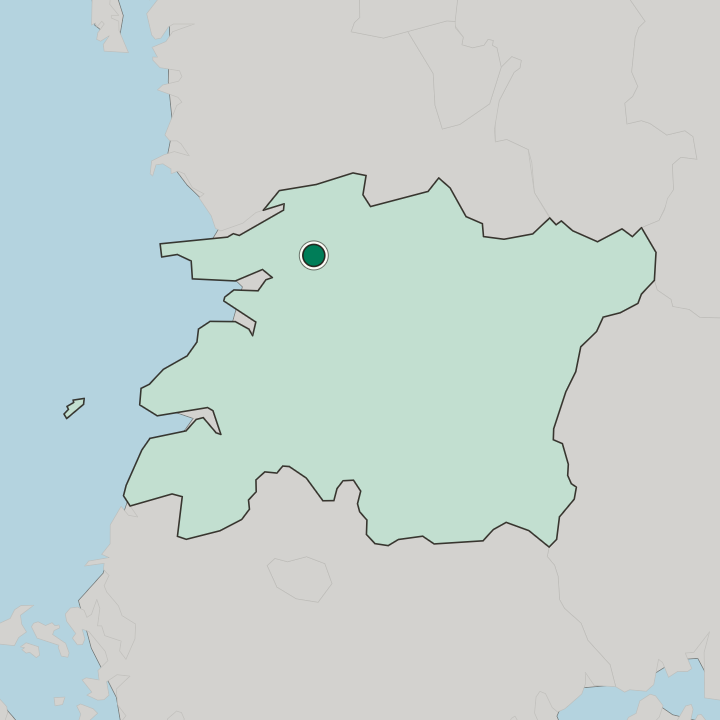
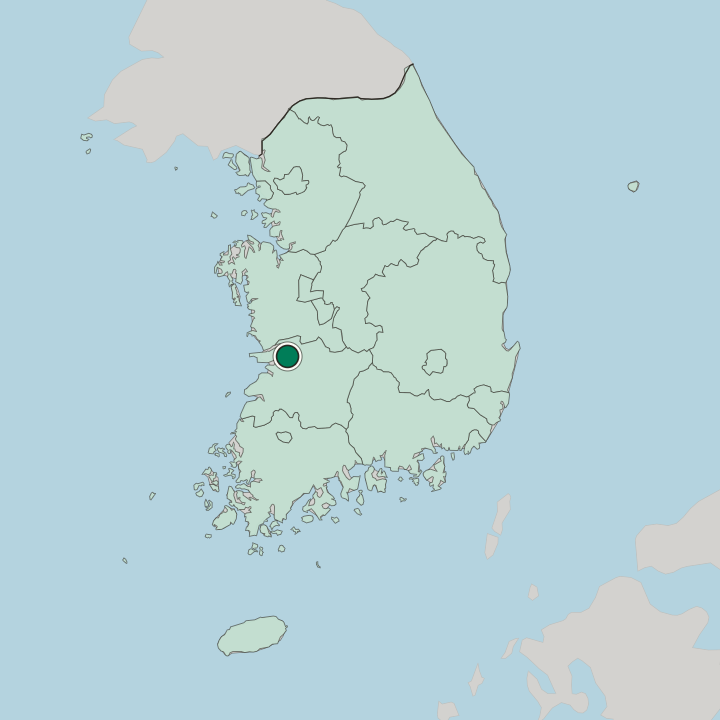
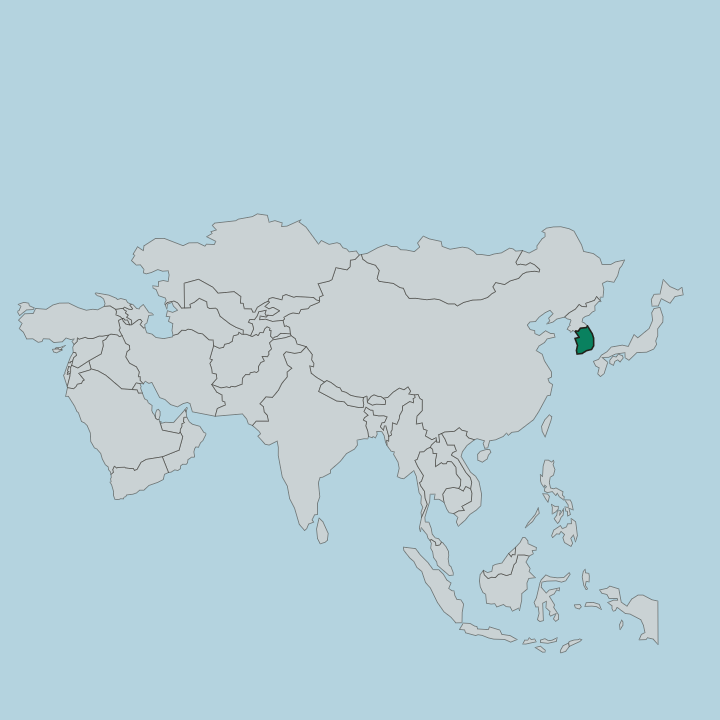
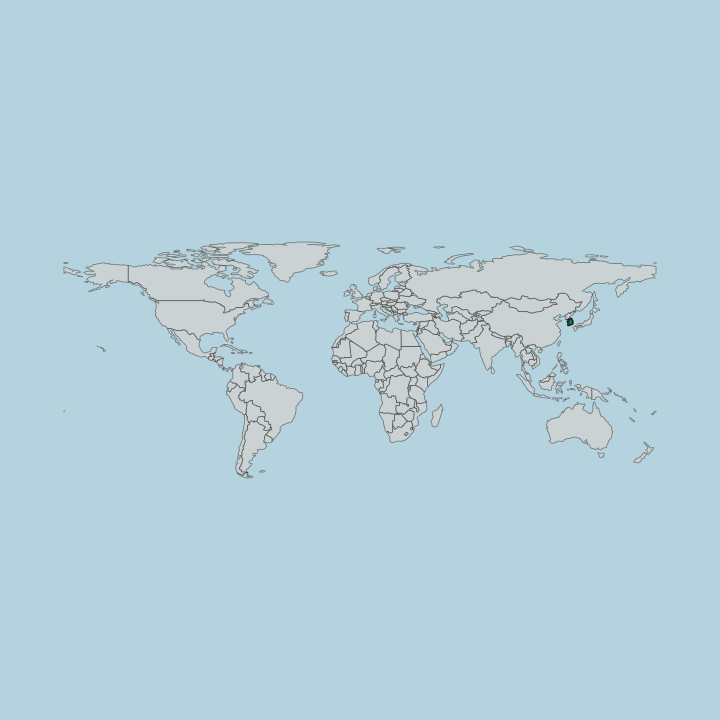
Iksan lies on the Honam plain in North Jeolla, in the southwest of South Korea. The city sits on the flat rice country north of the Mangyeong river, ringed by low green hills, near the west coast and the city of Jeonju. Low hills rise to the east.
The wide plain runs on to the sea.
What is the climate of Iksan?
Iksan has a temperate, humid climate. Warm, wet summers and cold, dry winters cross the plain, and the monsoon brings heavy rain in summer, while snow falls in the cold months. Rice greens the plain through the summer.
The plain heat eases with the autumn.
How do you get to Iksan?
Iksan lies on the Honam plain of North Jeolla, a great rail junction. Fast trains from Seoul split here for the southern cities, and roads cross the plain to Jeonju and the coast. Buses fan out from Iksan across the Honam plain.
Most arrive by rail from Seoul.
Common questions
What is the best area to stay in Iksan?
The city centre: Visitors here for the shops, markets, and jewel trade. By the ruins: Stays wanting Mireuksa and the museums.
Good for
Another city in Jeonbuk
Updated September 2026