South Korea · Jeonbuk
Where to Stay in Jeonju, Jeonbuk
Jeonju is a historic city of southwestern Korea, famous for its hanok village and its bibimbap, cradle of the Joseon royal house on the Honam plain.
Hotel links are affiliate links: booking through them may earn us a commission, at no extra cost to you. It never affects how places are ranked. How this works


Where to stay in Jeonju
How the choice of base plays out on the ground.
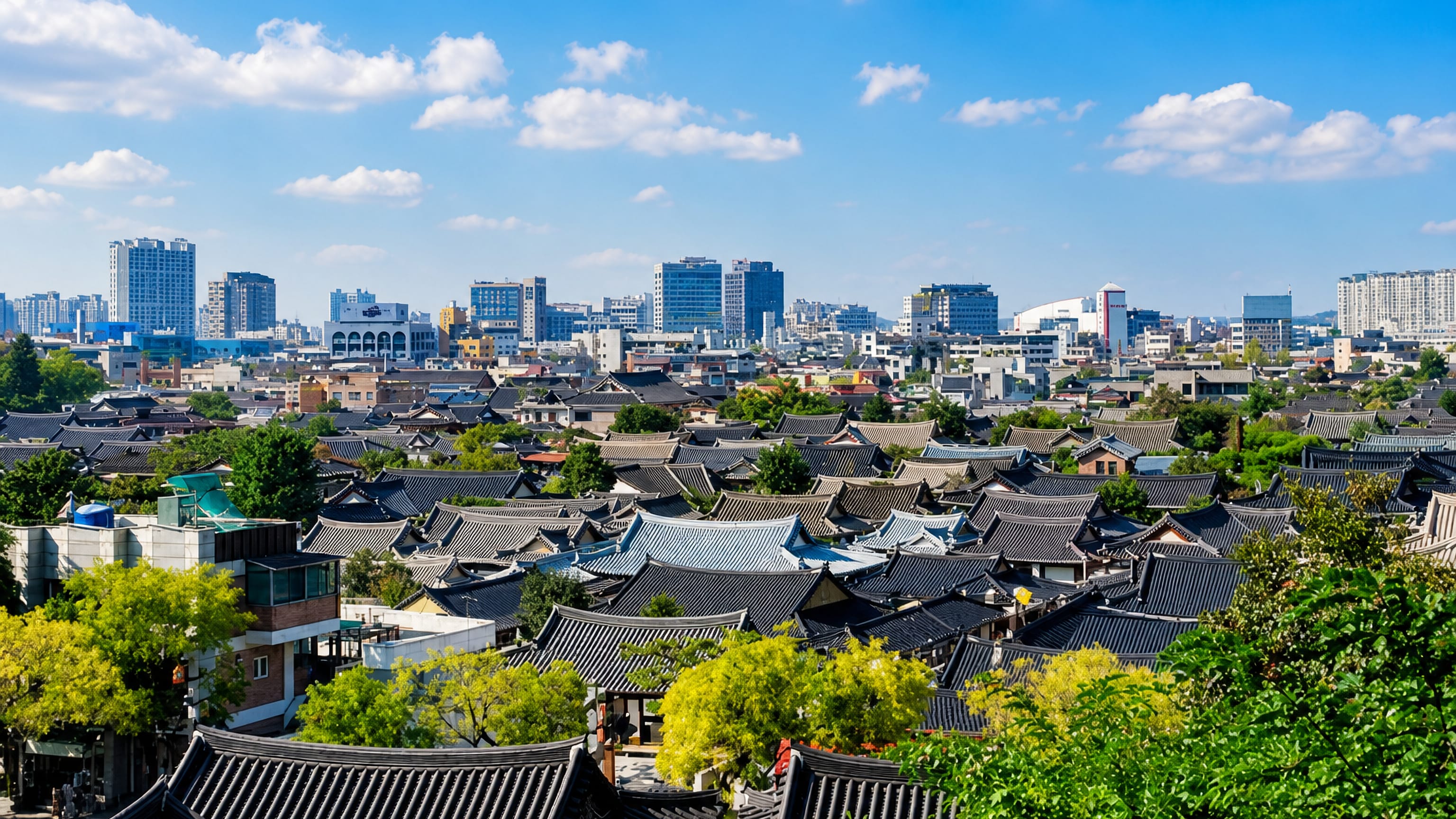
Where you stay in Jeonju turns on the hanok village or the newer city. The lanes of the old quarter keep the shrine, the church, and the food streets within a walk, and staying in a hanok suits anyone here for the old town. Tiled roofs curve overhead.
Guesthouses fill the old courtyards. Out in the wider city beyond the village, the streets spread into a busy modern town. A room in the new city trades the old lanes for hotels, malls, and the stations.
The plain runs flat past the edge. Stay in the village for the roofs, or in the city for the roads. The village sits at the city's heart.
Find hotels in Jeonju
Direct booking searches for these neighbourhoods.
The hanok village
In the old quarter of tiled housesFind hotels in The hanok villageStays wanting hotels and the stationsThe new city
Out in the wider modern townFind hotels in The new cityHotel links are affiliate links: booking through them may earn us a commission, at no extra cost to you. It never affects how places are ranked. How this works
Things to do in Jeonju
Ranked by global recognition; descriptions from Wikidata (CC0).
Museums & Galleries
1- Royal Portrait Museum
Churches & Religious Sites
1- Jeondong Cathedral
Stadiums & Sports
3- Deokjin Sports Park
- Hwasan Gymnasium
- Jeonju Indoor Badminton Court
worth knowingacross 3 categories in Jeonju
About Jeonju
Jeonju is the old Korean city of tiled roofs and good food.
What is Jeonju known for?
On the rich rice plain of the southwest, it kept a whole quarter of traditional hanok houses, and it is known across Korea for its bibimbap, its Joseon royal shrine, the graceful Jeondong church, and the old south gate of its fortress. Grey tiled roofs fill the lanes. Rice fields spread past the town.
What are the main landmarks in Jeonju?
The hanok village is the emblem of Jeonju. The great quarter of curved tiled roofs, hundreds of traditional houses gathered along the lanes, spreads through the old town, the heart of the city, below the hills. A royal shrine stands among them.
The Gyeonggijeon shrine keeps the portrait of the first Joseon king, while the Jeondong church, the old south gate, and the paper and food workshops mark the streets of Jeonju.
What is the history of Jeonju?
Jeonju is the cradle of the Joseon kings. The family that founded Korea's last great dynasty came from this city, and it was honoured as a royal home, its shrine holding the portrait of the first Joseon king. The dynasty sprang from here.
For five centuries Jeonju was cherished as the ancestral seat of the ruling house, a proud town on the southern plain. The city held to the old ways. As the country modernised, Jeonju kept its quarter of tiled hanok houses, its paper-making and its cooking, when other cities pulled theirs down.
Faith took root here too. Some of Korea's first Catholics were martyred in Jeonju, and a great church rose on the site among the old roofs, while the city became famous the country over for its bibimbap. The hanok roofs still fill the lanes.
Jeonju keeps its old houses and its royal shrine on the Honam plain.
Where is Jeonju?
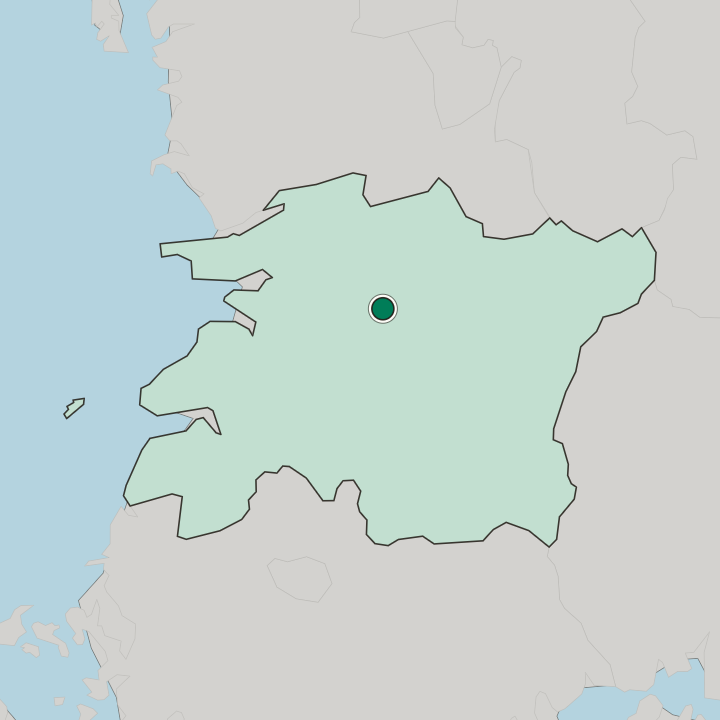
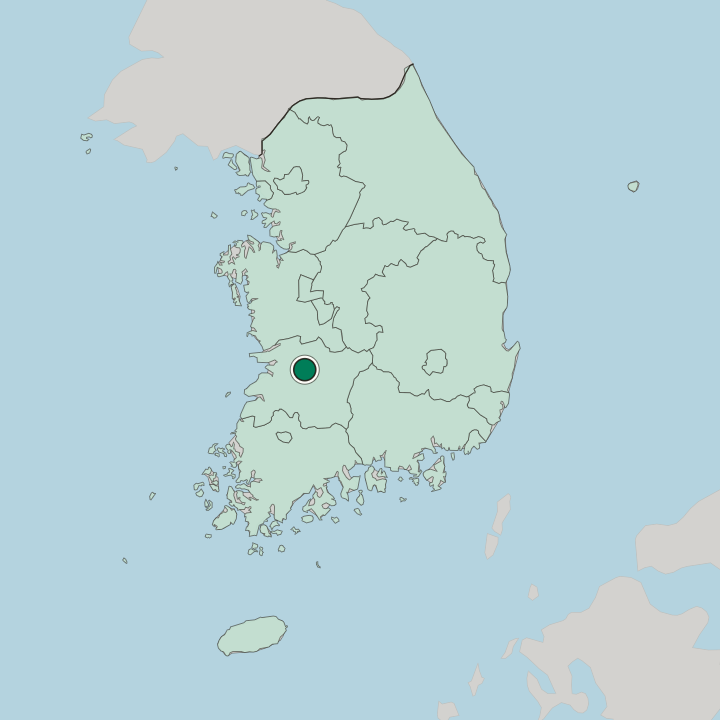
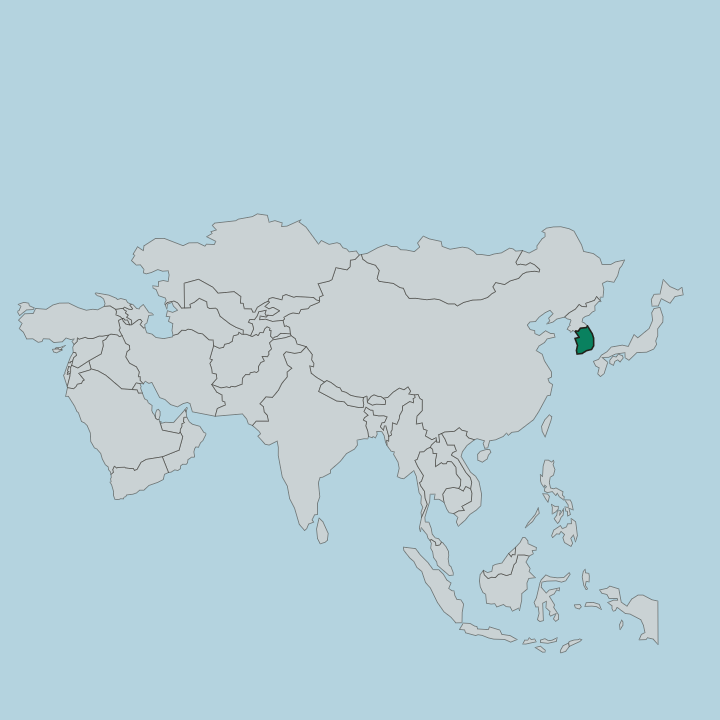
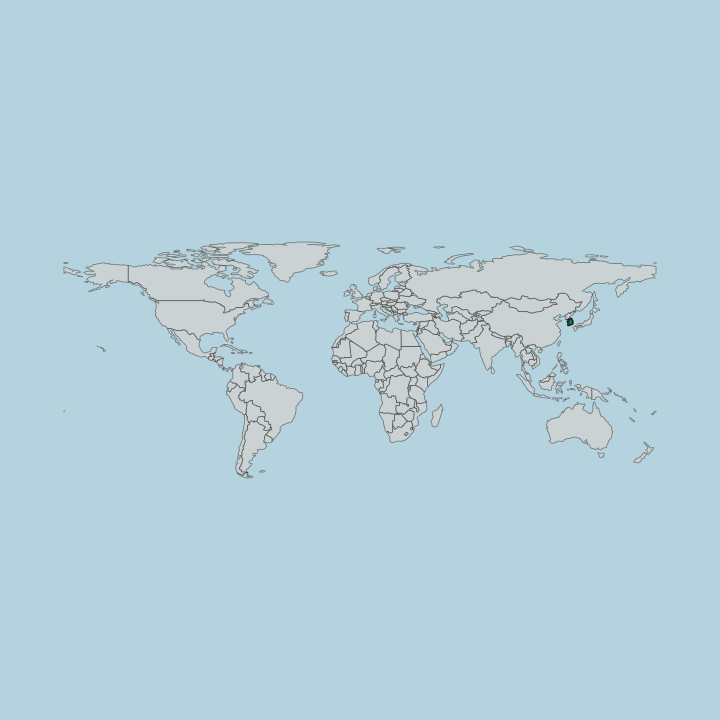
Jeonju lies in the southwest of Korea, on the edge of the wide Honam plain. The city sits where the flat rice country runs up to the hills, watered by streams off the mountains, at the heart of the province long called the rice bowl of the land. Low green hills ring the town.
Paddy fields stretch to the west.
What is the climate of Jeonju?
Jeonju has a humid climate of four sharp seasons. Hot, wet summers and cold, dry winters cross the plain, with heavy rain in the summer monsoon and snow in the winter, and warm colour in the hills each autumn. Summer air hangs heavy over the fields.
Winter turns crisp and cold.
How do you get to Jeonju?
Jeonju lies in the southwest of Korea, on the fast lines south from Seoul. Trains and buses run to it across the plain from Seoul and the coast, and the bullet train stops nearby. Roads run out to the rice country.
Seoul lies north by rail.
Common questions
What is the best area to stay in Jeonju?
The hanok village: Visitors here for the shrine, church, and food. The new city: Stays wanting hotels and the stations.
Good for
Another city in Jeonbuk
Updated September 2026