South Korea
Jeonbuk, South Korea — Towns & Travel Guide
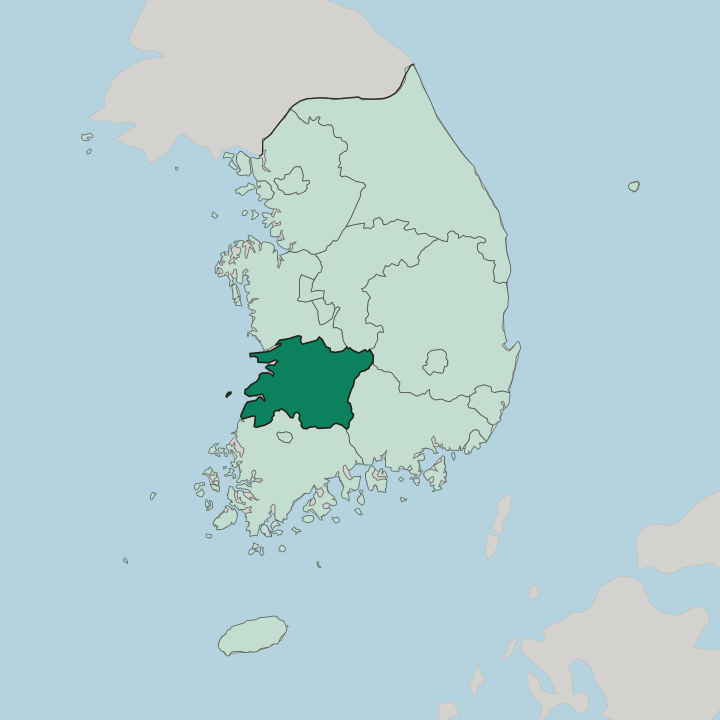
Jeonbuk is a province in the southwest of South Korea, its rice plains, hanok streets and Jirisan ridges centred on Jeonju.
Hotel links are affiliate links: booking through them may earn us a commission, at no extra cost to you. It never affects how places are ranked. How this works


Towns & cities in Jeonbuk
Pick a town or city — each links to where to stay.

 South Korea
Jeonju
Jeonju is a historic city of southwestern Korea, famous for its hanok village and its bibimbap, cradle of the Joseon royal house on the Honam plain.Where to stay →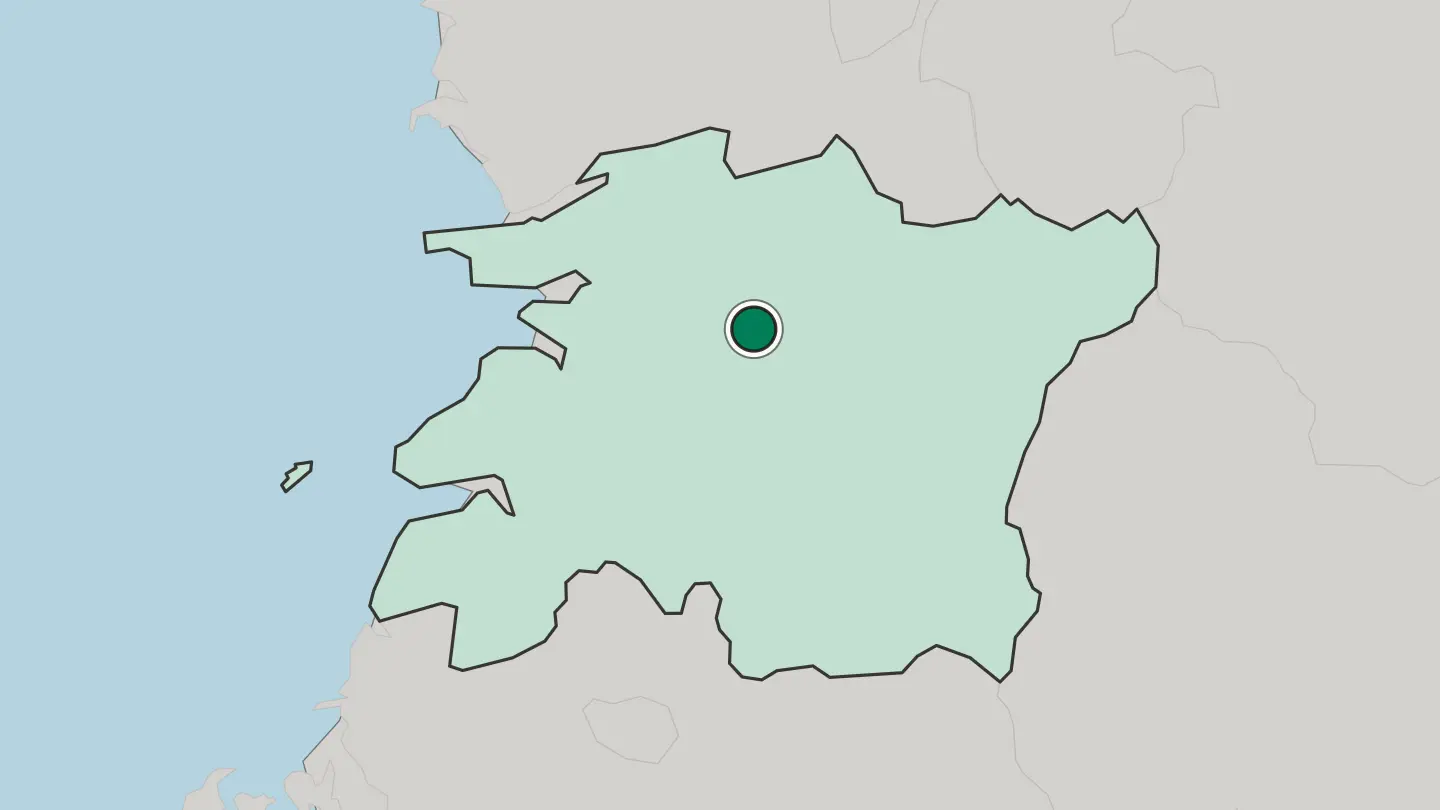
 South Korea
Iksan
Iksan is a city in North Jeolla, South Korea, at the heart of the old Baekje kingdom and its great temple ruins.Where to stay →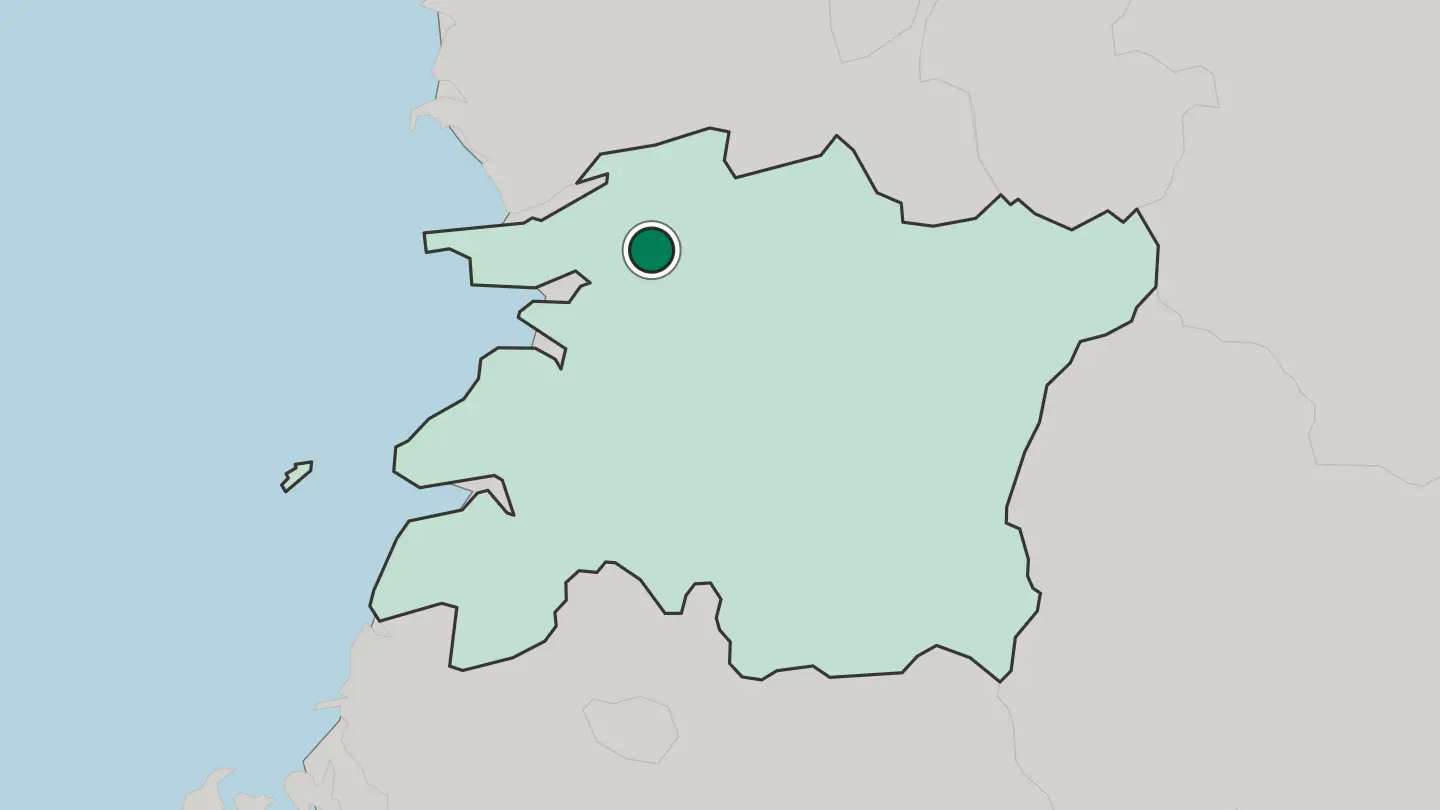
Hotel links are affiliate links: booking through them may earn us a commission, at no extra cost to you. It never affects how places are ranked. How this works
About Jeonbuk
What is Jeonbuk known for?
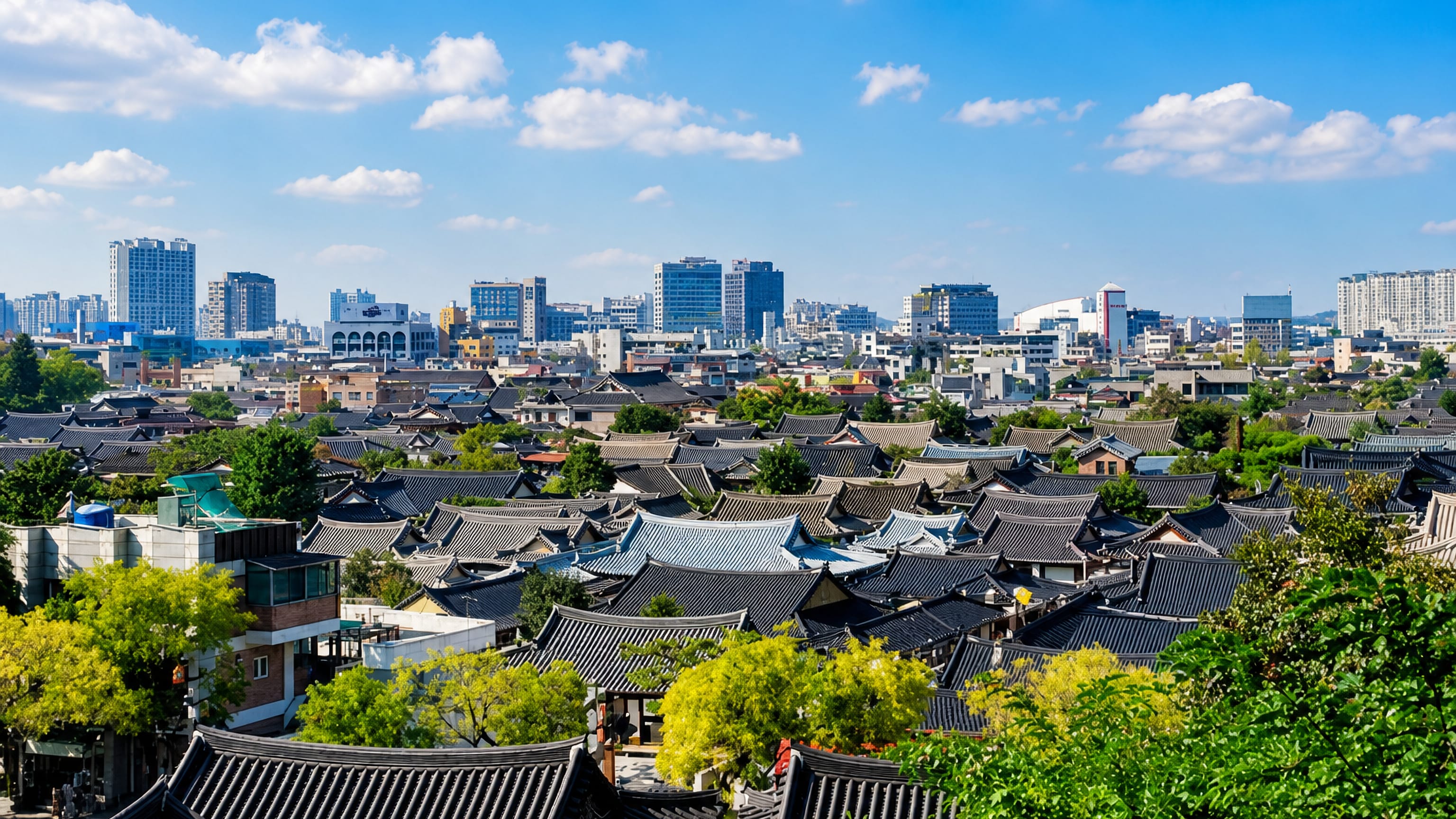
Jeonbuk is where Korean food and Korean tradition are taken most seriously. Jeonju is the draw. Its Hanok Village keeps hundreds of tiled traditional houses along a single quarter, and the city gave the country its best-known bowl of bibimbap.
The wider province splits between a flat western granary on the Yellow Sea and forested mountains in the east, where Deogyusan and Jirisan rise toward the Gyeongsang border. Namwon carries the old love-story of Chunhyang, and the port of Gunsan keeps rows of Japanese-era buildings from the colonial decades.
Where is Jeonbuk?
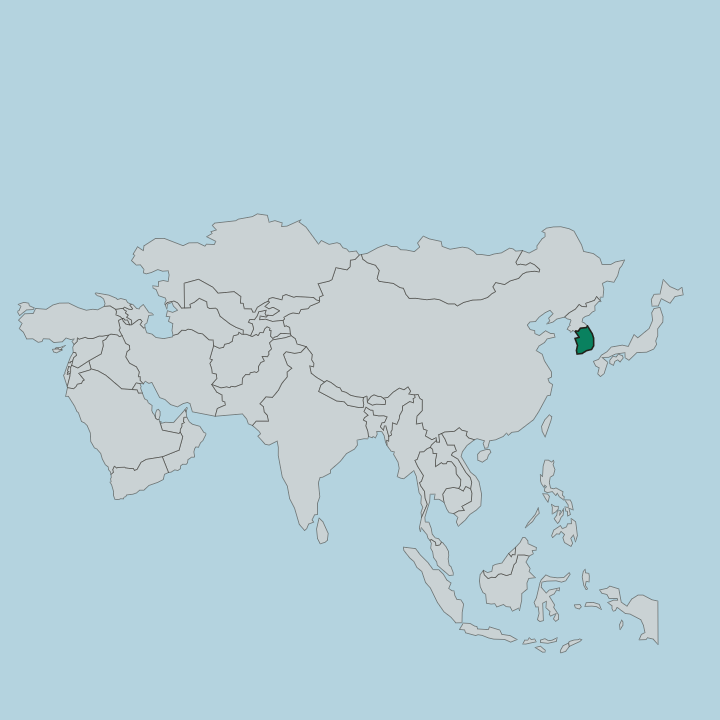
Jeonbuk fills the northern half of the old Jeolla country, in the southwest of South Korea. The Yellow Sea forms its whole western edge. That coast is flat.
The western plain is one of the largest rice granaries in the country, watered by the Mangyeong, Dongjin and Geum rivers as they run down to the sea. East of the plain the land climbs into the Noryeong range, a mountain spur that splits the province between a low western half and a high eastern one. Deogyusan stands in that eastern upland, and further south Jirisan straddles the border with the Gyeongsang provinces.
The Seomjin river drains the southeastern valleys toward the south coast. Jeonju sits near the middle. It stands where the western plain gives way to the first hills, with South Chungcheong bordering the province to the north and South Jeolla to the south.
At the coast the huge Saemangeum seawall has closed off a stretch of tidal flat between the mouths of the Mangyeong and Dongjin. The rivers made this land rich. Rice, barley and paper mulberry have grown on the western fields for centuries, and the eastern mountains have kept their forests where the granary gives out.
What is Jeonbuk like?
Jeonbuk treats old Korean craft as living work, not museum display. Jeonju is the heart of it. The city was named a UNESCO City of Gastronomy for its home cooking, and its bibimbap, a bowl of rice topped with seasoned vegetables, egg and gochujang, is the dish most Koreans picture first.
Hanji, the mulberry-bark paper made here, still goes into fans, screens and calligraphy. Pansori, the long sung-and-drummed storytelling of the southwest, has one of its homes in this province. Namwon holds the Chunhyangga, the pansori tale of a faithful lover, and stages it beside the Gwanghallu pavilion each spring.
Food anchors the rest. The western plain grew the rice and the chillies, and the province turned them into a table of banchan side dishes richer than almost anywhere else in the country. Master artisans keep the paper mills and the fan workshops going.
Song, food and paper all trace back to the same fertile ground. This is a place that cooks and sings from what the land gives, and has done so since the Joseon kings claimed Jeonju as the seat of their line.
What is the history of Jeonbuk?
Jeonju was a seat of power long before it was a provincial capital. The rebel general Gyeon Hwon made it the capital of Later Baekje in the year 900, and the kingdom held the southwest for a generation. Jeonju mattered again under the next dynasty.
The founding house of Joseon traced its ancestral home to the city, so the Yi kings kept it as a spiritual seat of their line. The province of Jeolla was named in 1018 and later split into a northern and a southern half. In 2024 the northern half was renamed Jeonbuk and made a special self-governing province.
What is the climate of Jeonbuk?
Jeonbuk runs to hot, wet summers and cold, dry winters. The heat peaks in July and August, when the Changma monsoon front stalls over the peninsula and drops most of the year's rain in a few weeks of downpours and heavy air. Winter turns cold and clear on the western plain, colder still up in the eastern mountains, where snow settles on Deogyusan and keeps the Muju ski slopes open.
Spring and autumn are the kind seasons. They are dry and mild, which is when the hanok quarters and the Jirisan trails see the most walkers.
How do you get to Jeonbuk?
Most reach Jeonbuk by rail. The KTX high-speed line runs south from Seoul to Jeonju and Iksan in under two hours, and Iksan is the province's main junction where the fast trains split toward the coast and the south. From abroad you fly into Seoul or Busan first, then come overland.
Gunsan on the Yellow Sea has a small airport and a working port facing China. Inside the province, buses climb east from Jeonju to Muju, Namwon and the mountain valleys the railway never reached.
Common questions
What is the best area to stay in Jeonbuk?
Jeonju: a first stay among the hanok. Gunsan: the Yellow Sea port and its old town. Muju: the Deogyusan slopes. Namwon: the Jirisan foothills.
Good for
More regions in South Korea
Updated September 2026