Laos
Khouèng Savannakhét, Laos — Towns & Travel Guide
Khouèng Savannakhét is the largest province of Laos, its Pali-Sanskrit name reading as a field of gold, reaching from Thailand across to Vietnam.
Hotel links are affiliate links: booking through them may earn us a commission, at no extra cost to you. It never affects how places are ranked. How this works


Towns & cities in Khouèng Savannakhét
One town here has its own guide — it links to where to stay.

 Laos
Laos
Savannakhet
Savannakhet, officially Kaysone Phomvihane since 2005, is the second-largest city in Laos, capital of Savannakhet Province and set on the Mekong River.Where to stay →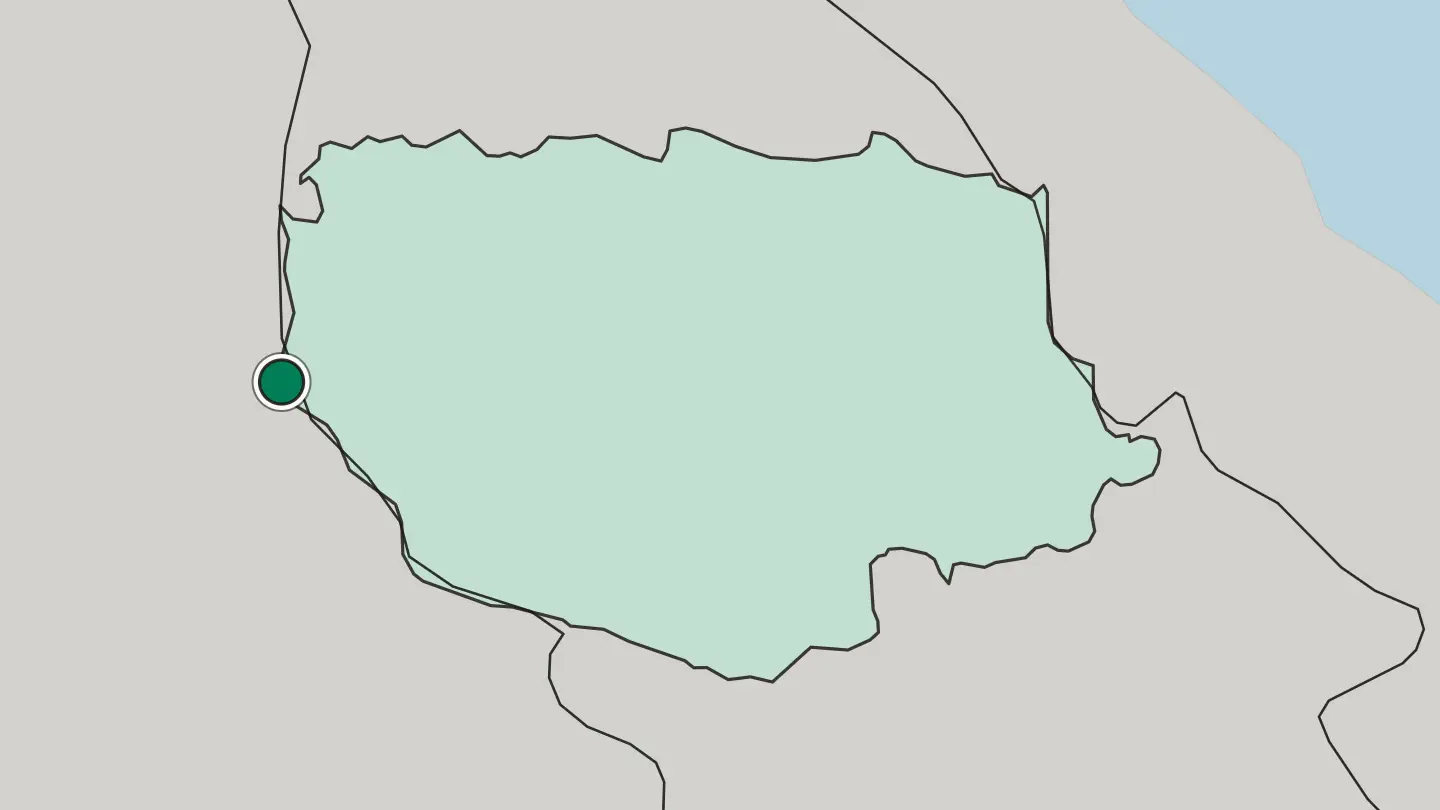
Hotel links are affiliate links: booking through them may earn us a commission, at no extra cost to you. It never affects how places are ranked. How this works
About Khouèng Savannakhét
The name means a field of gold.
What is Khouèng Savannakhét known for?
That reading comes from old Pali-Sanskrit, carried forward from the province's earlier name of Savanh Nakhone, and it attaches to the largest of the Lao provinces rather than to any single town. Two frontiers define the traffic. Nakhon Phanom and Mukdahan face the province from Thailand on one side, while Quảng Trị and Thừa Thiên-Huế lie across the hills in Vietnam on the other.
Where is Khouèng Savannakhét?
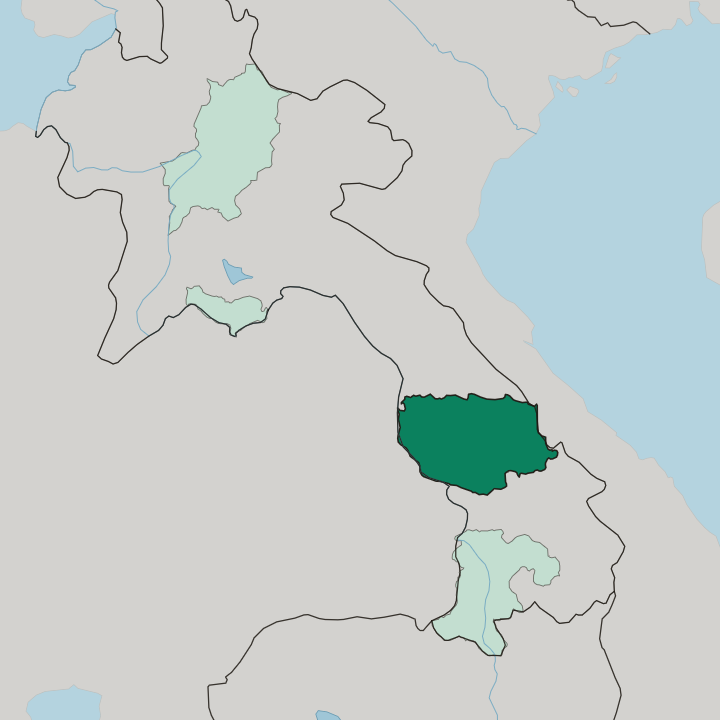
This is the largest Lao province. Khouèng Savannakhét stretches the full width of the country here, so one provincial boundary touches Thailand on a western flank and Vietnam on an eastern one, with nothing else between them. Khammouane lies to the north.
Salavan continues to the south, while Nakhon Phanom and Mukdahan sit opposite across the western frontier and Quảng Trị and Thừa Thiên-Huế close the eastern one. The ground is tropical throughout. Relief rises toward Vietnam.
The western side of the province lies in the lowland belt facing the Thai provinces, and the country grows higher and more broken as it runs east toward the Vietnamese boundary. Savannakhet holds the western end. The seat sits on that lowland side, which is why the settled parts of Khouèng Savannakhét cluster west while the eastern reaches stay thinly settled upland.
Distance is the province's real feature. Crossing it from the Thai bank to the Vietnamese hills covers the whole east-west span of Laos, which is what has made the province a corridor as much as a destination. The corridor works both ways.
What is Khouèng Savannakhét like?
Language is stamped on the name. Pali-Sanskrit gave Savannakhet its meaning of a field of gold, a naming layer older than the Lao form in use now, and the earlier Savanh Nakhone shows the same root in a different dress. Lao is spoken across the province.
The written and spoken life of Khouèng Savannakhét runs in that language, while the names carried on the map keep the older borrowing plainly visible. Both forms are recorded. Neighbours press in from both sides.
Thai towns such as Nakhon Phanom and Mukdahan sit close to the western boundary, and the Vietnamese provinces of Quảng Trị and Thừa Thiên-Huế meet the province where the ground rises in the east. That double exposure marks the place. Trade and movement between the two neighbours have crossed Khouèng Savannakhét for a long time, and the province's size means the crossing is a journey rather than a step.
Distance shapes the exchange. Savannakhet gathers what results. The seat concentrates the offices, the markets and the traffic of a province that otherwise runs to farmland, and it is where public life is most visible.
What is the history of Khouèng Savannakhét?
The province was Savanh Nakhone. That earlier name gave way to the present one, and both descend from the same Pali-Sanskrit root that reads as a field of gold. Boundaries came to matter early.
Khammouane to the north, Salavan to the south, Nakhon Phanom and Mukdahan across the Thai side and the Vietnamese provinces of Quảng Trị and Thừa Thiên-Huế to the east have framed how Khouèng Savannakhét has dealt with its neighbours.
What is the climate of Khouèng Savannakhét?
The province sits in the tropics. Warmth is a constant rather than a variable across Khouèng Savannakhét, so the year divides by rainfall, and the wet and dry halves matter far more than any swing in temperature. Ground toward Vietnam is higher.
That eastern rise near Quảng Trị and Thừa Thiên-Huế gives conditions unlike those on the flatter Thai side around Nakhon Phanom and Mukdahan.
How do you get to Khouèng Savannakhét?
Savannakhet is the way in. The seat lies on the western side facing Mukdahan and Nakhon Phanom, and the route east toward Quảng Trị and Thừa Thiên-Huế starts from the same town. Two Lao provinces feed it overland.
Khammouane brings traffic down from the north and Salavan up from the south, which leaves the east-west run through Khouèng Savannakhét as the through route.
Common questions
What is the best area to stay in Khouèng Savannakhét?
Savannakhet: Nights beside the Thai frontier at Mukdahan and the start of the eastern road. The Khammouane approach: Breaking the drive down from Khammouane province into the north of the province. The Vietnamese frontier: Stops on the run toward Quảng Trị and Thừa Thiên–Huế.
More regions in Laos
Updated September 2026