Lebanon · Mohafazat Béqaa
Where to Stay in Zahlé, Mohafazat Béqaa
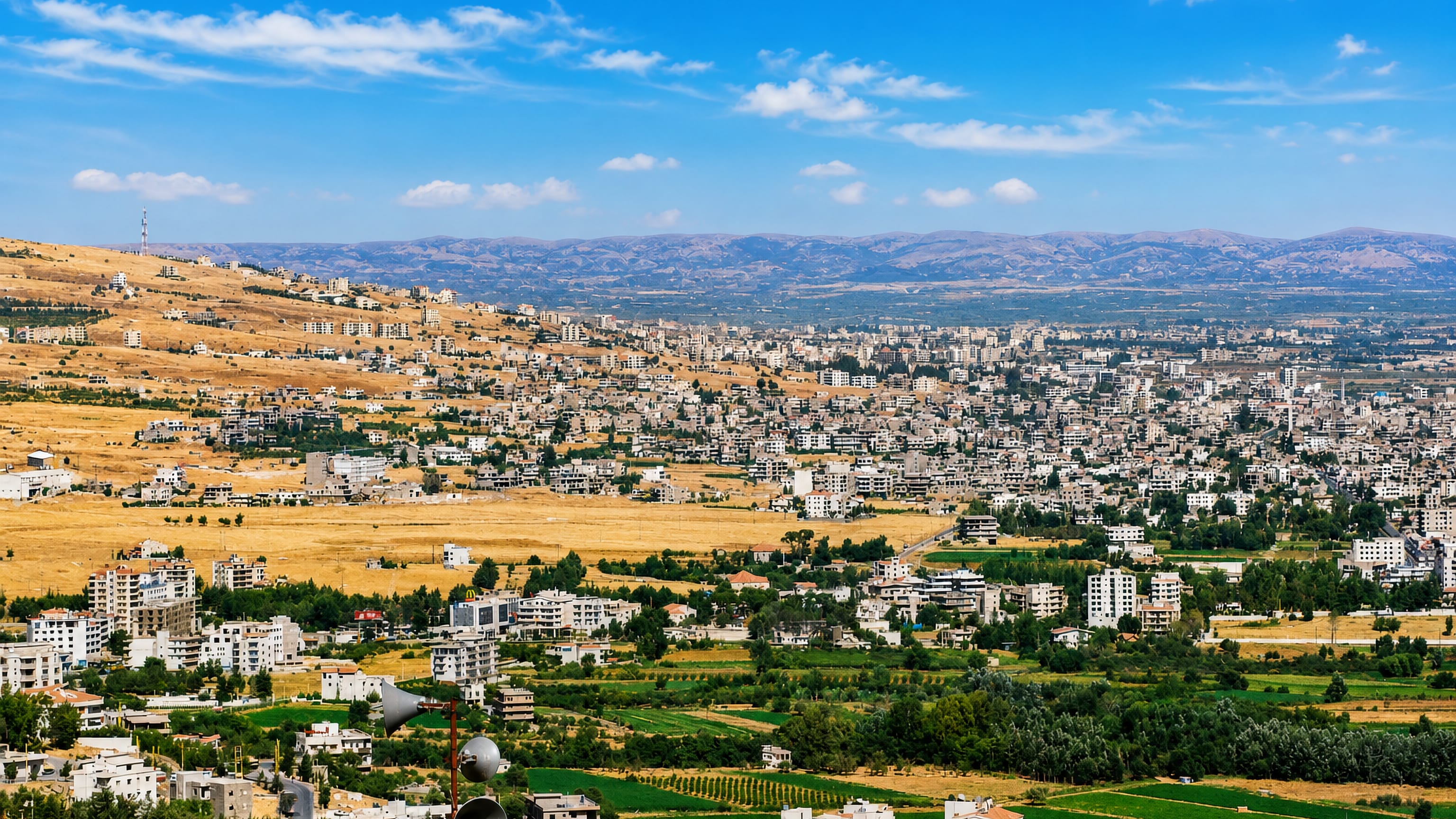
Zahlé is a hillside city in the Bekaa Valley of Lebanon, known as the bride of the Bekaa and a city of wine and poetry.
Hotel links are affiliate links: booking through them may earn us a commission, at no extra cost to you. It never affects how places are ranked. How this works


Where to stay in Zahlé
Where the beds are, and what that means for the visit.
Where you stay in Zahlé turns on the river gorge. The streets along the Berdawni keep the cafés, the churches, and the old town within a walk, and staying by the river suits anyone here for the city. The gorge cools in the evening.
Rooms sit above the running water. Out toward the hill and the valley floor, the town gives way to vineyards. A room up the hill trades the cafés for the tower, the views, and the quiet above the city.
The wide Bekaa opens past the edge. If you want the cafés and the churches, stay by the river; if you want the views, take a room on the hill. Neither base leaves the old streets far behind.
Find hotels in Zahlé
Direct booking searches for these neighbourhoods.
The river gorge
Along the Berdawni river within a walk of the cafés and churchesFind hotels in The river gorgeStays wanting the tower and valley viewsThe hill
Up the hill by Our Lady of Zahlé, with views over the BekaaFind hotels in The hillHotel links are affiliate links: booking through them may earn us a commission, at no extra cost to you. It never affects how places are ranked. How this works
Things to do in Zahlé
Ranked by global recognition; descriptions from Wikidata (CC0).
Churches & Religious Sites
3- St. Gregory the Illuminator Church Heritage
- Cathedral of St. Maron
- Greek-Melkite Cathedral of Our Lady of Deliverance
Castles & Historic Sites
3- Riyak
- Hosn Niha Site
- Kafr Zabad
worth knowingacross 2 categories in Zahlé
About Zahlé
Zahlé is the bride of the Bekaa Valley.
What is Zahlé known for?
The largest Christian town of Lebanon climbs a hillside where the Berdawni river tumbles out of the mountains, its gorge lined with old cafés, and the city is famous for its arak and wine, its poets, and a tall statue of the Virgin that watches over it from the hill. Vineyards spread on the valley floor. Wine and poetry mark the city.
What are the main landmarks in Zahlé?
Our Lady of Zahlé watches over the city from the hill. The tall tower, crowned with a statue of the Virgin, rises above the town, the emblem of the city, over the Bekaa. The river gorge draws the crowds.
Cafés fill the wooded Berdawni gorge, while the Greek-Melkite cathedral and the old stone houses mark the streets of the Christian city.
What is the history of Zahlé?
Zahlé grew as a Christian town of the Bekaa. Families gathered on this hillside from the seventeenth century, and the town rose as a market and a refuge for the Greek Catholics of the valley, guarding its freedom under the Ottomans and growing rich on the wine and grain of the Bekaa. Merchants built fine stone houses.
By the nineteenth century Zahlé was a great trading town, a rival of the coastal cities, linking the Bekaa to Damascus and Beirut. War and trade shaped its fortunes. The town was burned in the strife of 1860 and rose again, and later a railway through Rayak tied it to the wider world.
Poets sang of the city's beauty. Zahlé became known for its poets and for the arak distilled from its vines, the bride of the Bekaa in Lebanese song. The river cafés still fill on summer nights.
Zahlé keeps its wine and its poetry in the valley.
Where is Zahlé?
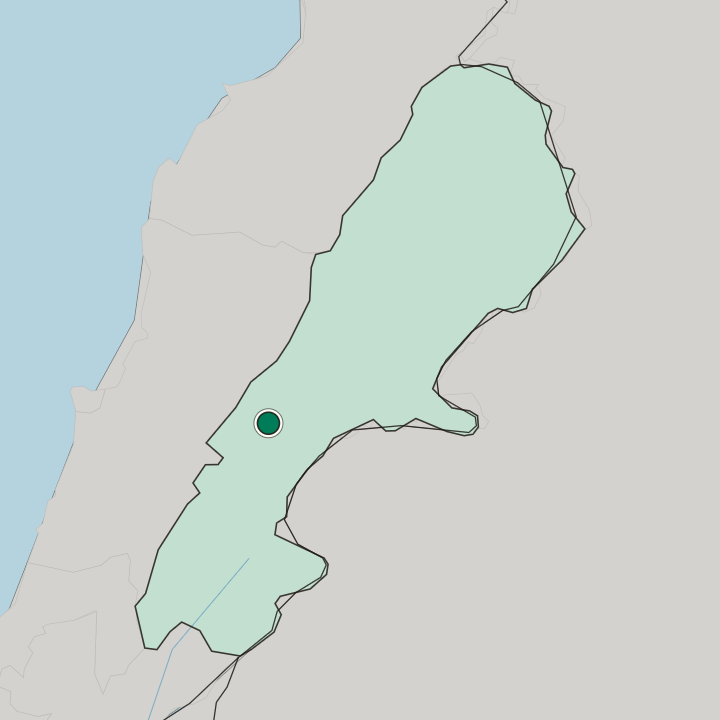
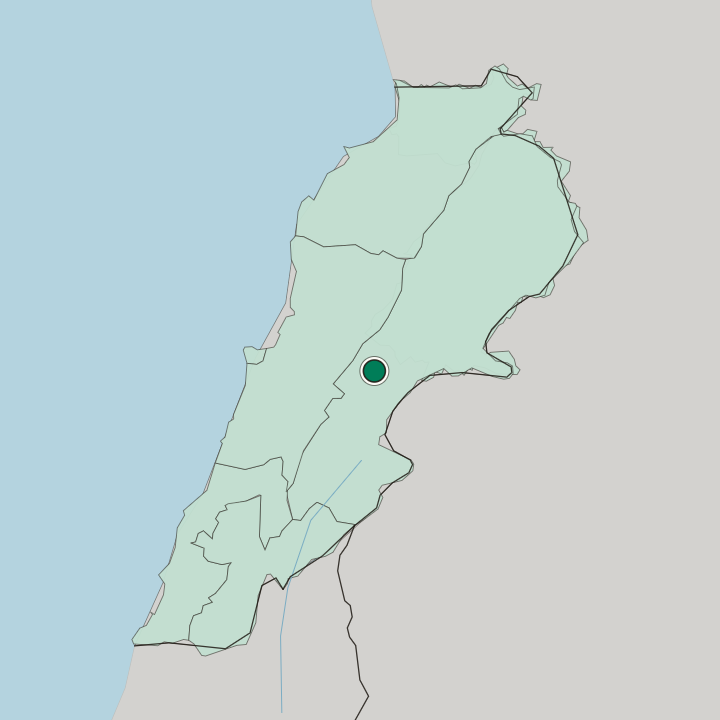
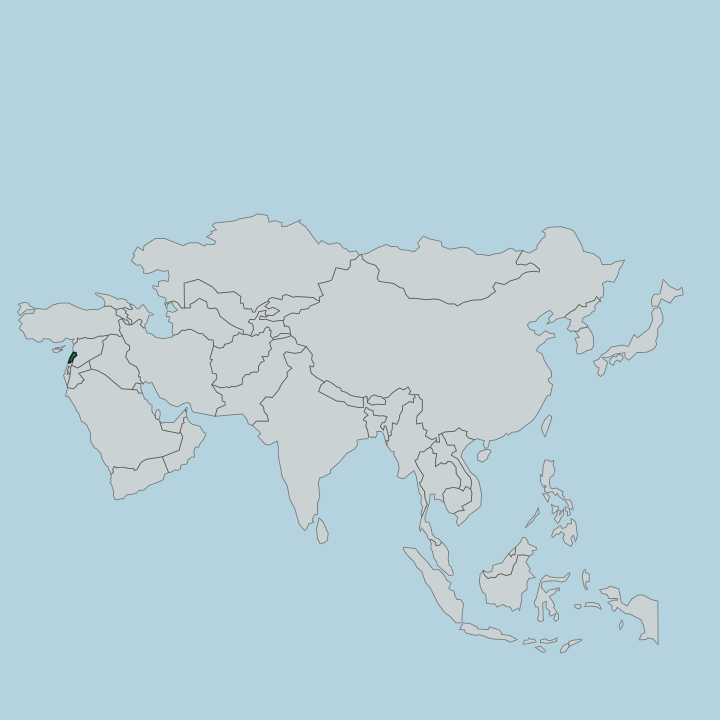
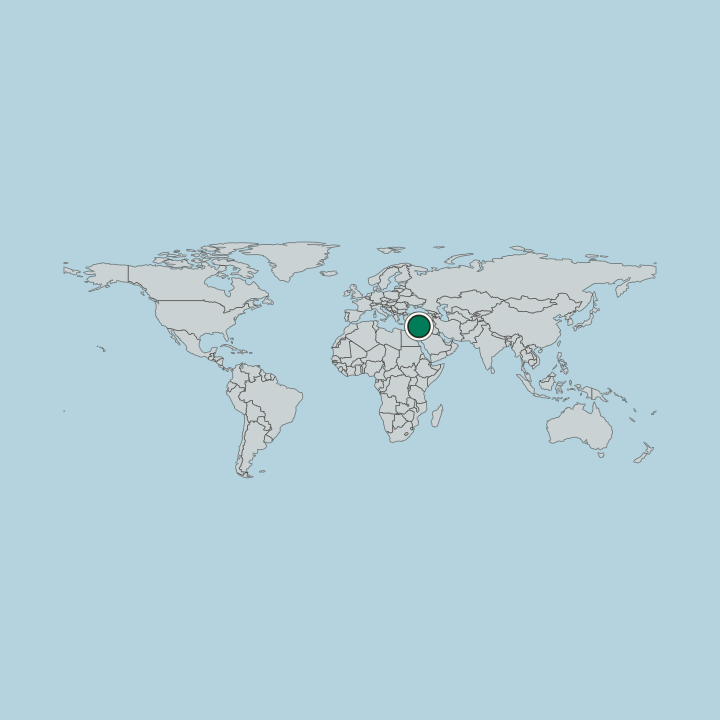
Zahlé lies in the Bekaa Valley of eastern Lebanon, on the slopes of Mount Sannine. The city climbs a hillside where the Berdawni river cuts a gorge out of the mountains, above the wide farmland of the valley, between the Lebanon and Anti-Lebanon ranges. Bare mountains rise to the west.
The green valley spreads below the town.
What is the climate of Zahlé?
Zahlé has a dry highland climate. Warm, sunny summers and cold winters mark the valley's height, and snow falls on the mountains around, with clear dry air and cool nights through much of the year. Snow caps the peaks in winter.
The valley stays dry and bright.
How do you get to Zahlé?
Zahlé lies in the Bekaa Valley east of Beirut over the mountains. The highway climbs from Beirut over the Lebanon range and down to the valley, and roads run north and south through the Bekaa and on to Damascus. Onward buses serve the Bekaa towns north and south.
Most arrive by road over the mountains.
Common questions
What is the best area to stay in Zahlé?
The river gorge: Visitors here for the cafés, churches, and old town. The hill: Stays wanting the tower and valley views.
Good for
Updated September 2026