
Latvia
Daugavpils, Latvia — Towns & Travel Guide
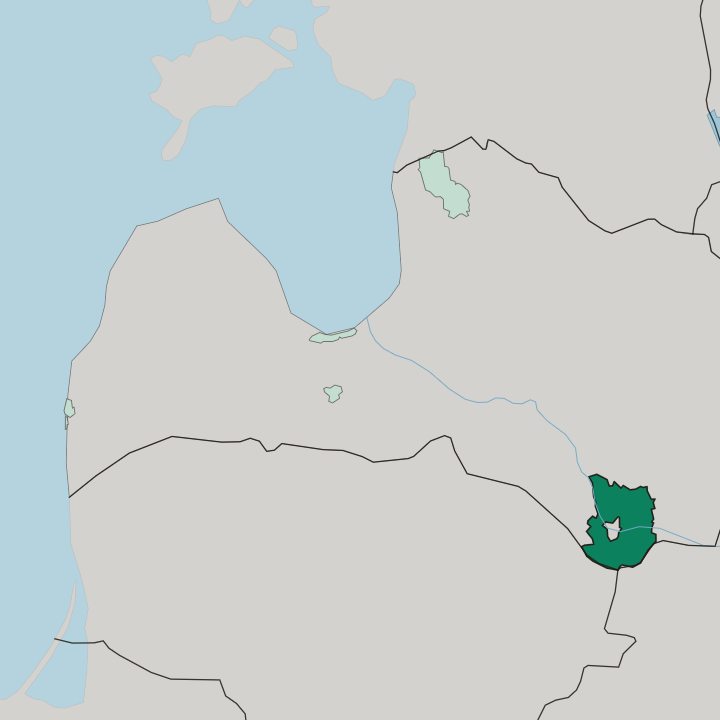
The Daugava River splits Daugavpils, the state-city region of southeastern Latvia, between the Latgale bank and the Selonia bank.
Hotel links are affiliate links: booking through them may earn us a commission, at no extra cost to you. It never affects how places are ranked. How this works


Towns & cities in Daugavpils
One town here has its own guide — it links to where to stay.
 Latvia
Daugavpils
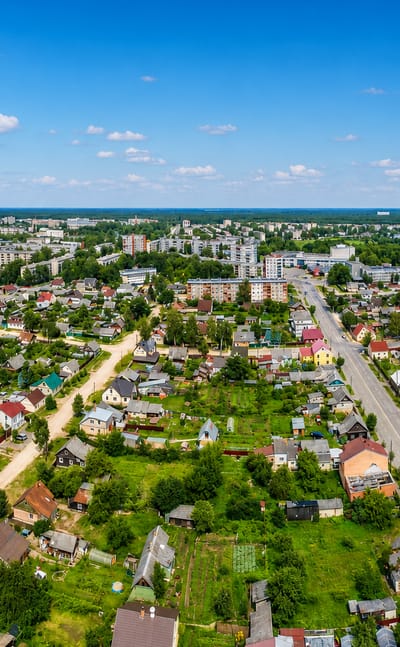
Brick ramparts ring the old fortress at Daugavpils, Latvia's second-largest city on the Daugava River, home to the Mark Rothko Art Centre.Where to stay →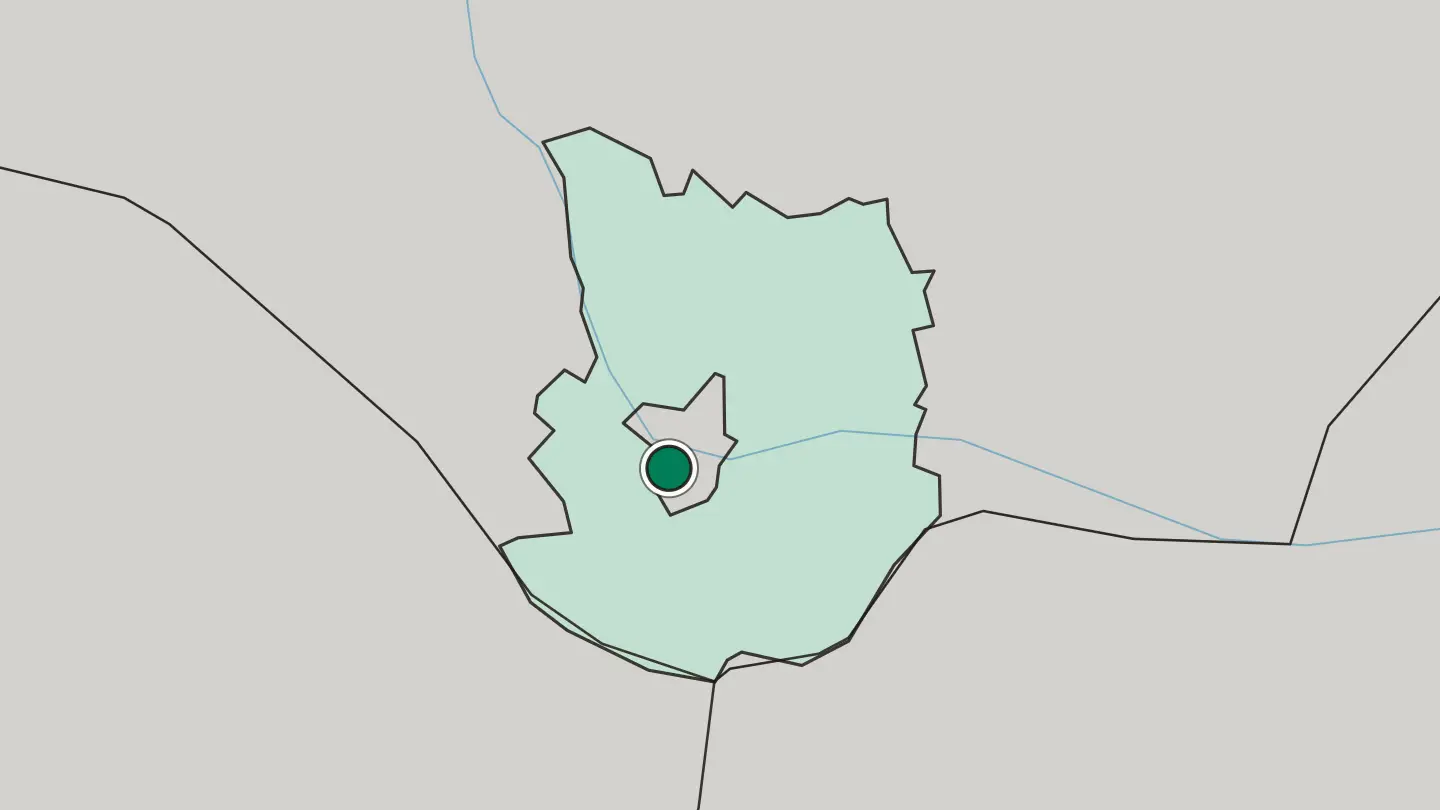
Hotel links are affiliate links: booking through them may earn us a commission, at no extra cost to you. It never affects how places are ranked. How this works
About Daugavpils
What is Daugavpils known for?
Daugavpils is known as the state-city region on the banks of the Daugava River in southeastern Latvia. The river names it. It centres on the second-largest city in the country after the capital Riga, some 230 kilometres to the northwest, and its ground straddles two historical regions.
North of the water lies Latgale; south of it lies Selonia. The administration of the surrounding Augšdaugava Municipality is seated here as well.
Where is Daugavpils?
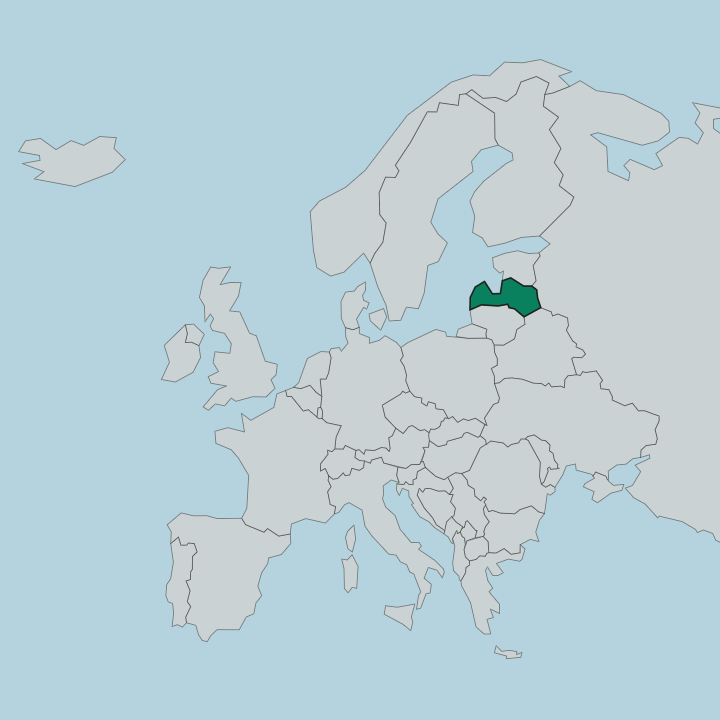
Daugavpils sits on the banks of the Daugava River in southeastern Latvia, a state city with its own municipality set where two historical regions meet. The river is the dividing line. Parts to the north of the water belong to the historical Latvian region of Latgale, while those to the south lie in Selonia, so the region spans both banks and both landscapes.
The capital Riga lies some 230 kilometres to the northwest, and Daugavpils stands as the second-largest city in the country. The river gives the region its name and its shape. From the Daugava the land reaches out across the surrounding Augšdaugava Municipality, whose administration is seated in the city.
This is a place defined by the water and the two regions it separates. Together the Daugava, the Latgale bank to the north, and the Selonia bank to the south set the ground of the region in the southeast of Latvia.
What is Daugavpils like?
Daugavpils carries the culture of a river region set across the meeting of Latgale and Selonia. Two regions shape it. On the northern bank of the Daugava River the historical region of Latgale gives the ground its identity, while the southern bank belongs to Selonia, and the two traditions run together across the water in southeastern Latvia.
Latvian is the language of the region, spoken across both banks and through the surrounding Augšdaugava Municipality that is administered from here. The river ties the whole region together. As the second-largest population centre in the country after Riga, the region gathers the civic and cultural weight of the southeast, drawn along the Daugava that gives it its name.
This is a place of two banks and one river. The Latgale side, the Selonia side, and the Daugava between them shape the character of the region across southeastern Latvia.
What is the history of Daugavpils?
Daugavpils takes its name from the Daugava River, on whose banks the region grew in southeastern Latvia. Everything here begins with the Daugava. Settlement gathered where the water divides the historical region of Latgale to the north from Selonia to the south, and the place rose into the second-largest city in the country after Riga.
In time it became a state city with its own municipality, and the surrounding Augšdaugava Municipality came to be administered from here.
What is the climate of Daugavpils?
Daugavpils has a temperate climate through the inland southeast of Latvia. The seasons turn sharply. Cold winters settle over the Daugava River and both banks of the region, giving way to warm summers across Latgale and Selonia.
Spring and autumn are brief. The inland setting, far from the sea near Riga, gives the region its continental turn of weather.
How do you get to Daugavpils?
Daugavpils is reached by road and rail from across Latvia, with the capital Riga some 230 kilometres to the northwest. The rail line is the main artery. Trains and roads run in toward the Daugava River and the state city on its banks, crossing between the Latgale side and the Selonia side of the region.
From the crossings the routes lead out through the surrounding Augšdaugava Municipality into southeastern Latvia.
More regions in Latvia
Updated September 2026