Latvia
Jūrmala, Latvia — Towns & Travel Guide
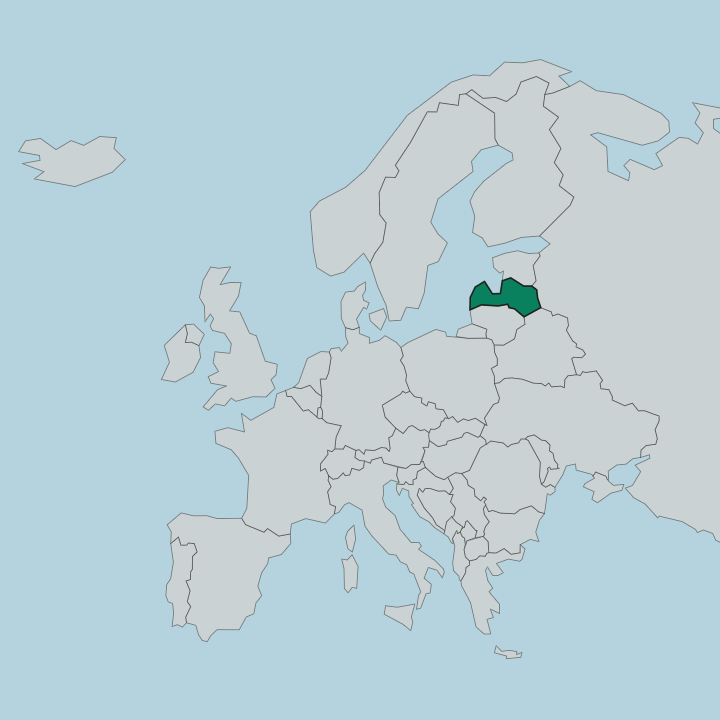
Jūrmala is a Latvian resort city on the strip between the Gulf of Riga and the Lielupe, about 25 kilometres west of Riga.
Hotel links are affiliate links: booking through them may earn us a commission, at no extra cost to you. It never affects how places are ranked. How this works


Towns & cities in Jūrmala
One town here has its own guide — it links to where to stay.

 Latvia
Jūrmala
Jūrmala is Latvia's resort city, a 32 km strip of beach between the Gulf of Riga and the Lielupe River.Where to stay →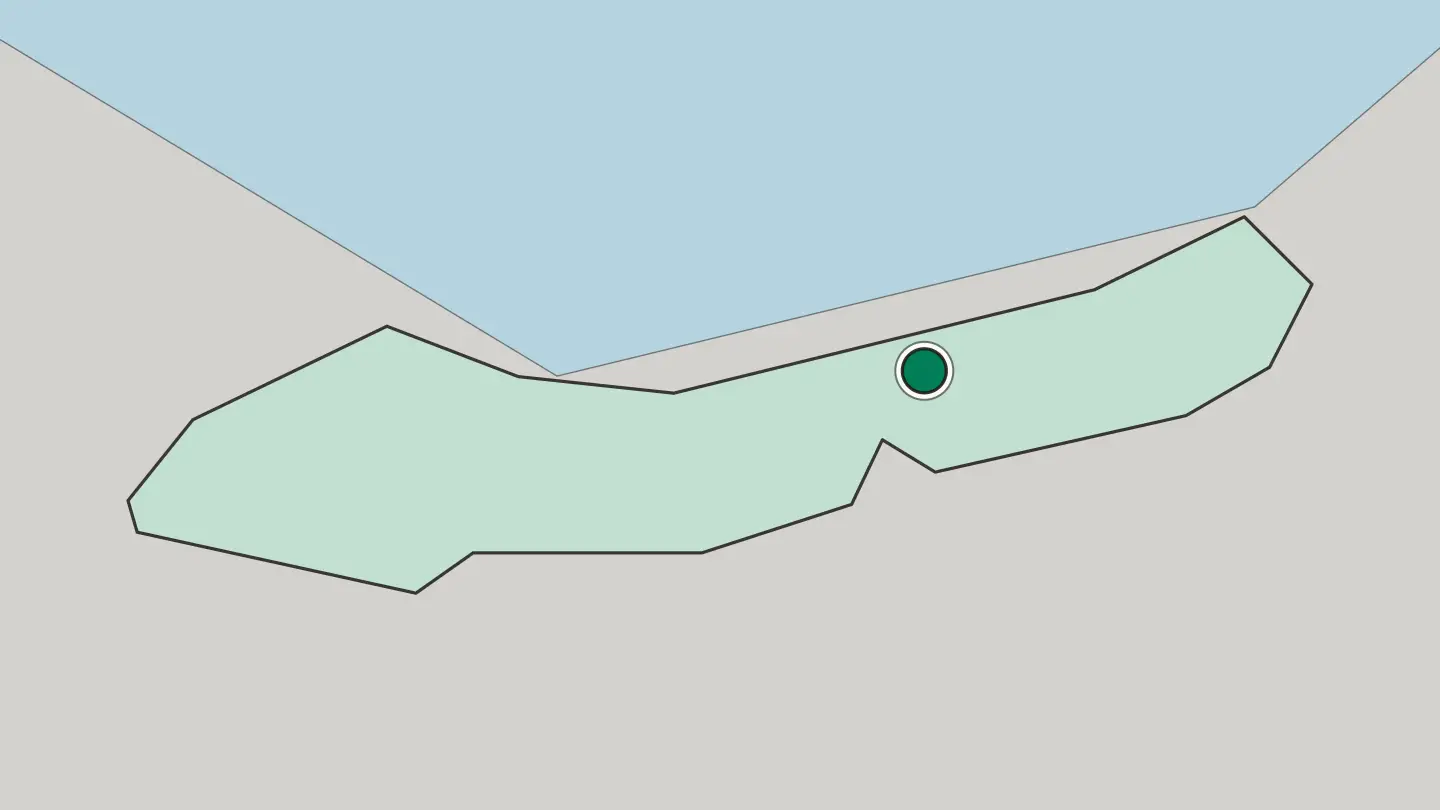
Hotel links are affiliate links: booking through them may earn us a commission, at no extra cost to you. It never affects how places are ranked. How this works
About Jūrmala
Sand, and a long stretch of it.
What is Jūrmala known for?
Jūrmala runs 32 km along the coast with a 33 km stretch of white-sand beach, which it claims as the longest in Northern Europe. It is a resort town. That is what draws people out from Riga, about 25 kilometres east, and it is why the fifth-largest city in Latvia is better known for its shoreline than for anything built behind it.
Where is Jūrmala?
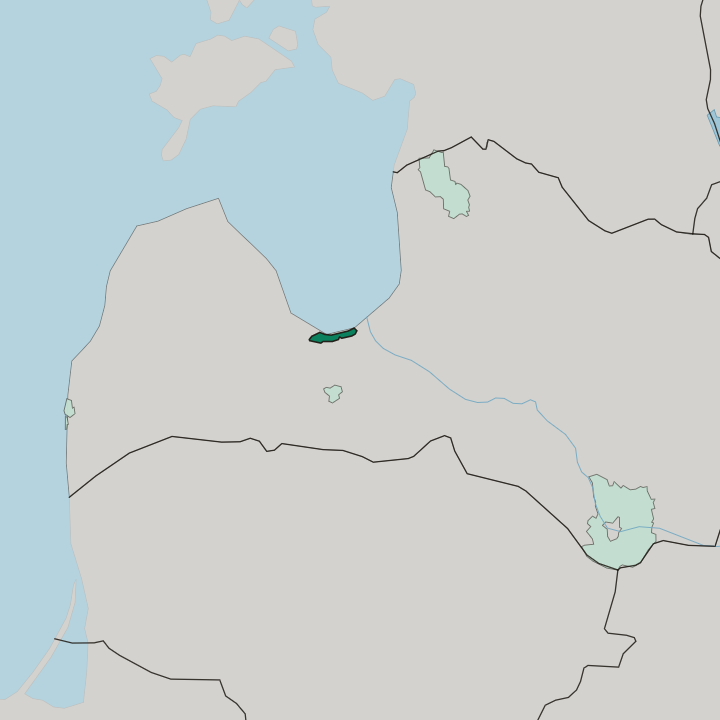
Water on both sides. Jūrmala lies between the Gulf of Riga and the Lielupe River, a strip of land with sea on one flank and river on the other, and the town occupies almost the whole of it. It runs 32 km.
That length makes Jūrmala long and thin rather than compact, and the 33 km of white-sand beach along the seaward edge accounts for most of what people come to see. Riga lies about 25 kilometres east. Vidzeme is the region of record.
Jūrmala counts as a state city inside it, which places the resort in the same administrative bracket as the larger centres of Latvia despite a shape dictated entirely by the coast and the Lielupe. It is the fifth-largest city in the country. The Gulf of Riga holds one edge and the Lielupe River the other, so the town has an obvious grain, running with the strip rather than out from a centre.
The temperate band covers it, north of the equator, with the Gulf of Riga close enough on one side to keep the sea in the weather all year.
What is Jūrmala like?
Jūrmala exists to be visited. A founding recorded in 1785 gives the resort a long run as a place people travel to rather than a town that acquired visitors later, and that purpose shows in how the whole strip is laid out. The beach carries the identity.
Jūrmala claims the longest beach in Northern Europe, and a 33 km line of white sand is the thing the town is measured by, in Latvia and beyond it. Riga supplies most of the traffic. The capital lies about 25 kilometres east, close enough that the resort has always functioned partly as the seaside end of a city, which shapes the rhythm of the place through the year.
Latvian is the language of the strip. State city standing sets Jūrmala apart within the Vidzeme region, and the fifth-largest city in Latvia holds that rank on the strength of a resort economy rather than industry. The Lielupe runs behind it all.
River on one side and the Gulf of Riga on the other give Jūrmala two waterfronts, and the town's habits, from where people walk to where they eat, follow that double edge.
What is the history of Jūrmala?
The founding date is 1785. Everything recorded about Jūrmala since then belongs to its life as a resort on the Gulf of Riga, a settlement that grew along the strip between the sea and the Lielupe River. Riga was always near.
Twenty-five kilometres of road separate the two, and the capital's proximity is the single constant in the story of how Jūrmala came to be a resort at all rather than an isolated stretch of coast.
What is the climate of Jūrmala?
The Gulf of Riga runs the year here. Jūrmala sits on the water in the temperate band north of the equator, so the sea moderates both ends of the calendar and the 33 km beach only comes into its own for part of it. Riga feels much the same.
Twenty-five kilometres inland the capital shares the pattern, though the strip between the Gulf of Riga and the Lielupe River catches more wind off the water than the city does.
How do you get to Jūrmala?
Riga is 25 kilometres east. That road is how nearly everyone reaches Jūrmala, and the short run out from the Latvian capital makes the resort an easy half-day as well as a place to stay. The town is 32 km long.
Arriving at one end of Jūrmala and wanting the other means a further journey along the strip between the Gulf of Riga and the Lielupe River, so the arrival point is worth choosing.
Common questions
What is the best area to stay in Jūrmala?
The Gulf of Riga shore: stays that want the white-sand beach directly outside. The Lielupe side: quieter rooms on the river flank of the Jūrmala strip. Riga: day visits to the Jūrmala beach from the Latvian capital.
Good for
More regions in Latvia
Updated September 2026