
Latvia
Rīga, Latvia — Towns & Travel Guide
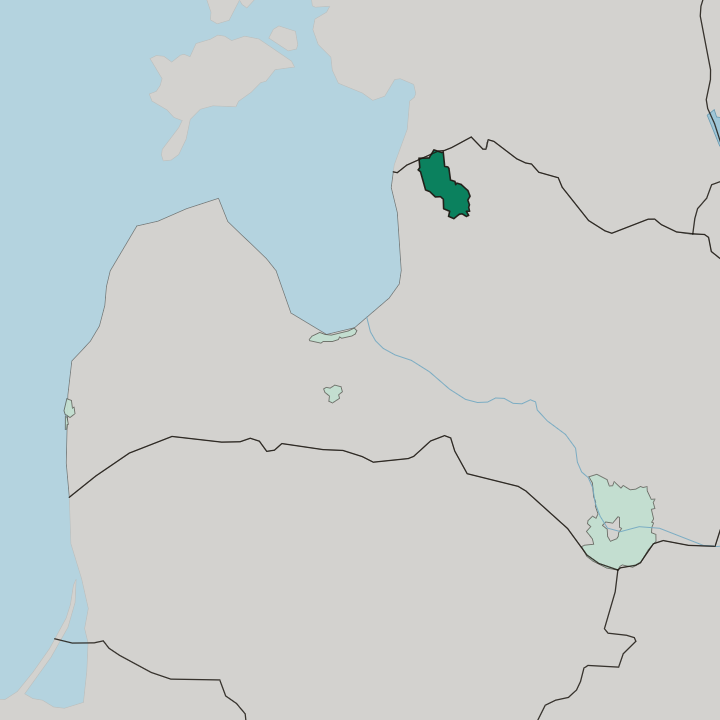
Rīga is the district around Latvia's capital, wrapping the lower Daugava and the shore of the Gulf of Riga in flat, sandy coastal country.
Hotel links are affiliate links: booking through them may earn us a commission, at no extra cost to you. It never affects how places are ranked. How this works


Towns & cities in Rīga
One town here has its own guide — it links to where to stay.

 Latvia
Riga
The Daugava widens toward the Gulf of Riga at Riga, the capital of Latvia, known for its Art Nouveau streets and a UNESCO-listed old town.Where to stay →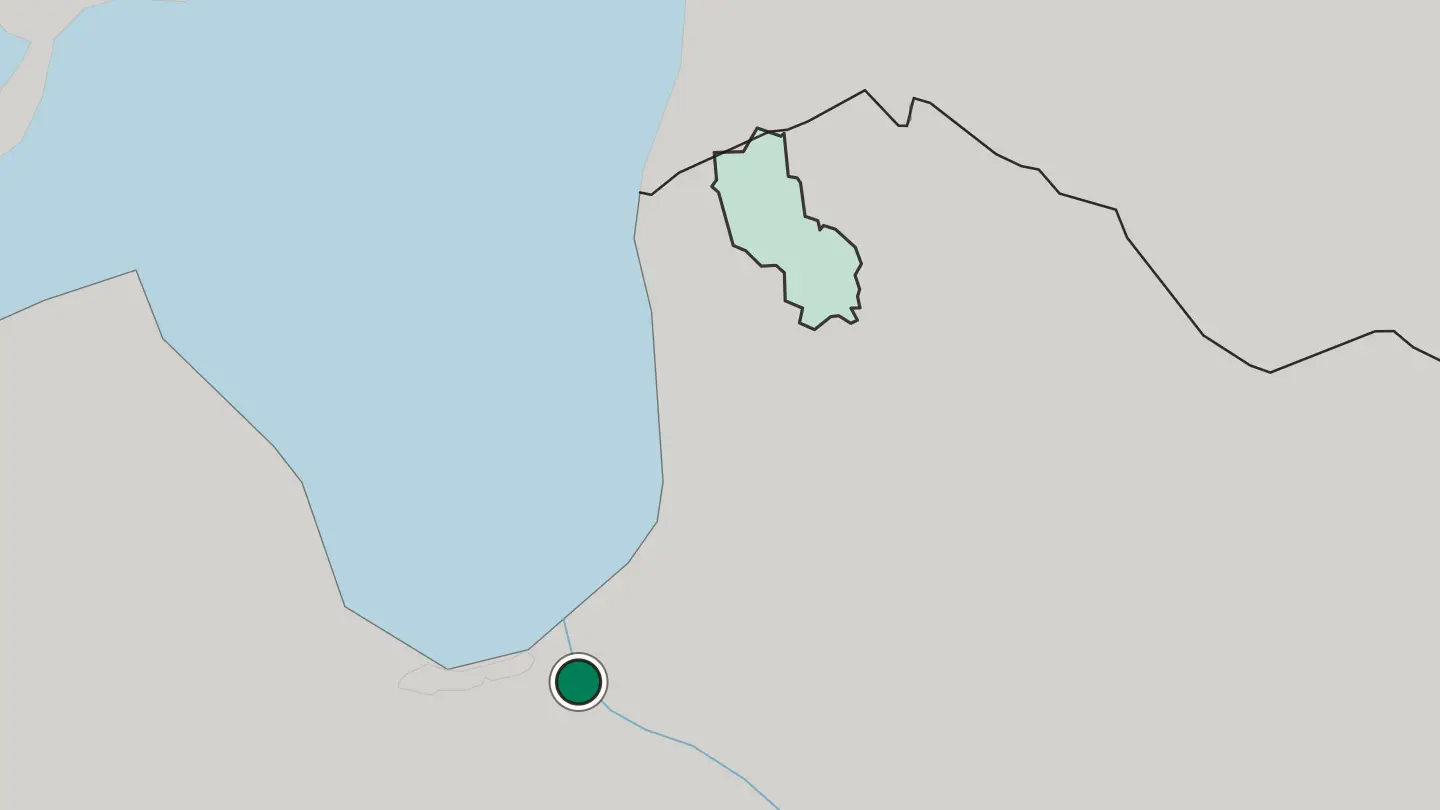
Hotel links are affiliate links: booking through them may earn us a commission, at no extra cost to you. It never affects how places are ranked. How this works
About Rīga
What is Rīga known for?
The Rīga district is known above all as the country around Latvia's capital. It gathers the flat coastal land where the Daugava reaches the Gulf of Riga. Riga anchors it as the hub city.
Sandy plains and pine-lined shore run out from the river mouth toward the open Baltic Sea, and the district frames the metropolitan approaches to the capital on every side. It is Latvia's central district.
Where is Rīga?
The Rīga district covers the flat, sandy lowland where the Daugava reaches the Gulf of Riga. The land barely rises above sea level. Its coast curves along the gulf, backed by pine woods and dune, while the Daugava runs the last of its course across the plain toward the sea that carries it into the wider Baltic.
The capital Riga sits at the heart of this ground. Water shapes it throughout. Away from the river mouth the district opens into low country, part of the broad coastal plain that fringes this corner of Latvia.
Sandy soils and shallow relief run to the shoreline of the Gulf of Riga. The Daugava is the defining thread, drawing the district's roads, rail, and settlement toward its banks. The gulf gives it a long, open coast.
Together the river and the sea set the frame of the whole district.
What is Rīga like?
The Rīga district takes its cultural life from the orbit of the capital and the Latvian coast. Latvian is the everyday language. Life here bends toward the Gulf of Riga and the Daugava, the two features that have drawn settlement to this plain for centuries, so the rhythm of the district blends inland farming country with the working shore of a Baltic Sea coast.
The sea marks the seasons. Fishing and boating shape the shoreline communities. Beyond the coast, the district shares in the wider culture of Latvia, its language, its midsummer traditions, and its long tie to the Daugava as a route inland.
The river has always been the spine of this country. Coastal settlements keep their own maritime character along the Gulf of Riga, distinct from the farm villages of the sandy plain. Riga radiates its influence across the whole district.
The result is a coastal-capital culture, part harbour and part hinterland.
What is the history of Rīga?
The Rīga district was drawn as an administrative unit in 1949, marking the coastal country around the capital. Its story runs far deeper than that line. Settlement here has always followed the Daugava and the shore of the Gulf of Riga, the corridors that carried trade and people toward the sea, and the capital Riga has governed the plain around it for centuries as the region's hub.
The Baltic Sea tied it to the north. That water has shaped the district throughout.
What is the climate of Rīga?
The Rīga district has a temperate coastal climate set by the Gulf of Riga. Winter comes cold and overcast to the Rīga district. The nearby Baltic Sea moderates the swing, so frost along the coast rarely reaches inland extremes, and snow lingers over the sandy plain and the Daugava valley through the darkest stretch of the year.
Summers stay mild and green. Rain falls across the seasons here.
How do you get to Rīga?
The Rīga district is reached through Riga, its hub city and the main entry point to Latvia. The international airport lies within it. Rail and coach lines run out from the capital across the sandy plain, and the port on the Daugava opens the district to ferries crossing from the Gulf of Riga into the Baltic Sea.
Roads follow the coast. Every route threads back to the capital.
Good for
More regions in Latvia
Updated September 2026