
Latvia: Regions, Cities & Travel Guide
Latvia is a Baltic country of pine coast and river valleys, its capital Riga set where the Daugava widens into the Gulf of Riga.
Hotel links are affiliate links: booking through them may earn us a commission, at no extra cost to you. It never affects how places are ranked. How this works


Top destinations in Latvia
Cities to start from, then drill into areas and hotels.

 Latvia
Riga
The Daugava widens toward the Gulf of Riga at Riga, the capital of Latvia, known for its Art Nouveau streets and a UNESCO-listed old town.Where to stay →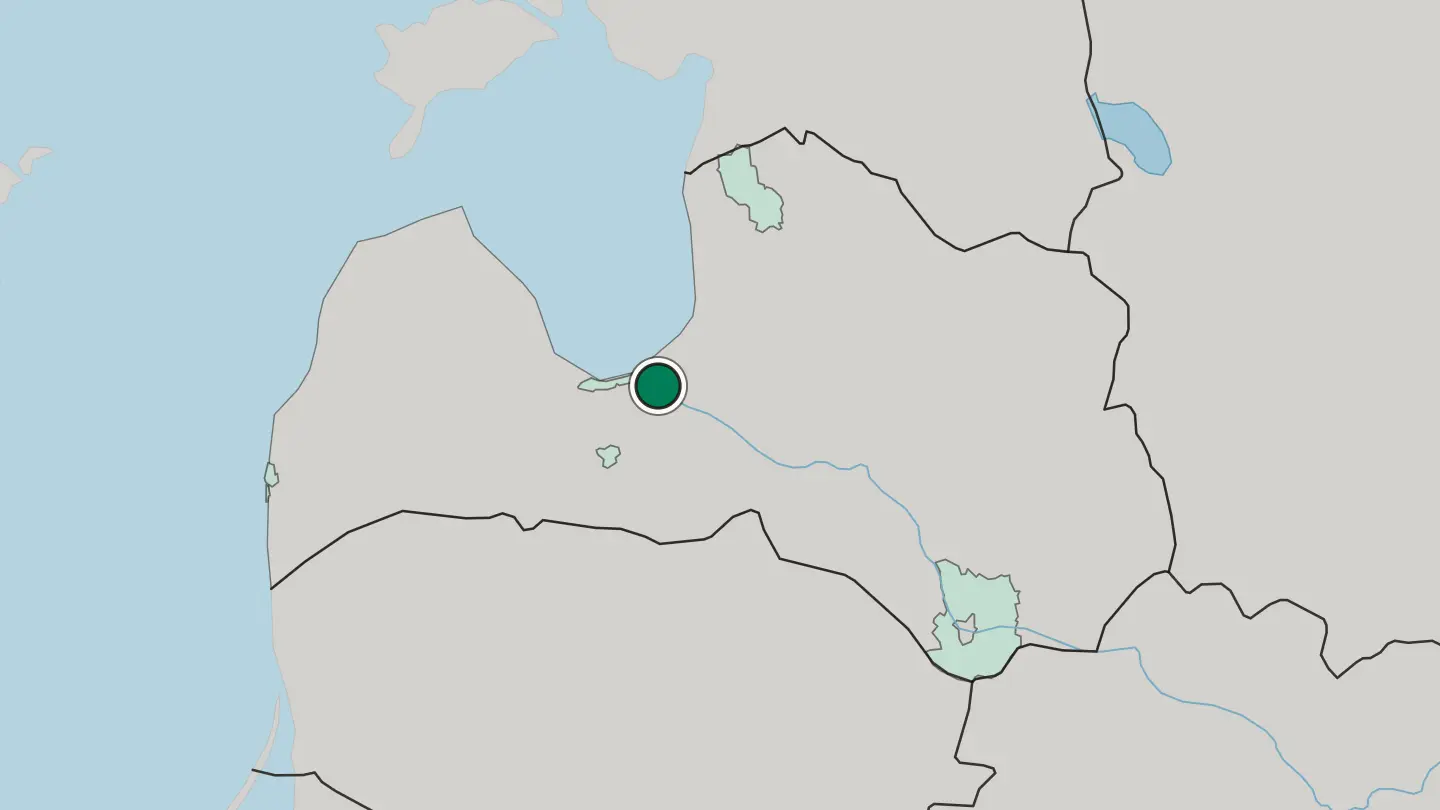
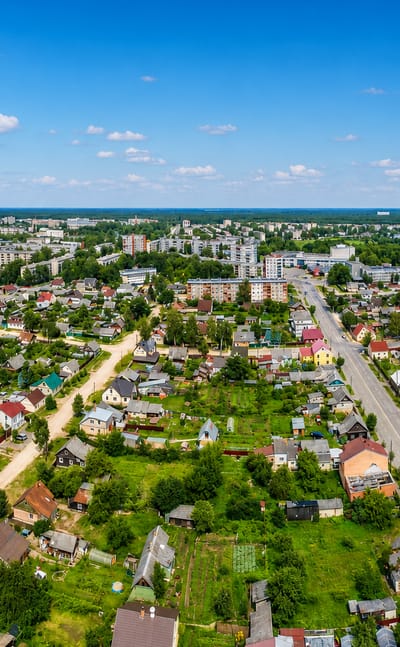 Latvia
Daugavpils
Brick ramparts ring the old fortress at Daugavpils, Latvia's second-largest city on the Daugava River, home to the Mark Rothko Art Centre.Where to stay →
 Latvia
Liepāja
Liepāja is a port city on the Baltic coast of Latvia, called the city where the wind is born, a place of beaches, an old naval port, and rock music.Where to stay →
 Latvia
Jūrmala
Jūrmala is Latvia's resort city, a 32 km strip of beach between the Gulf of Riga and the Lielupe River.Where to stay →
 Latvia
Jelgava
Jelgava is a historic city in central Latvia, the old capital of the Duchy of Courland on the Lielupe river.Where to stay →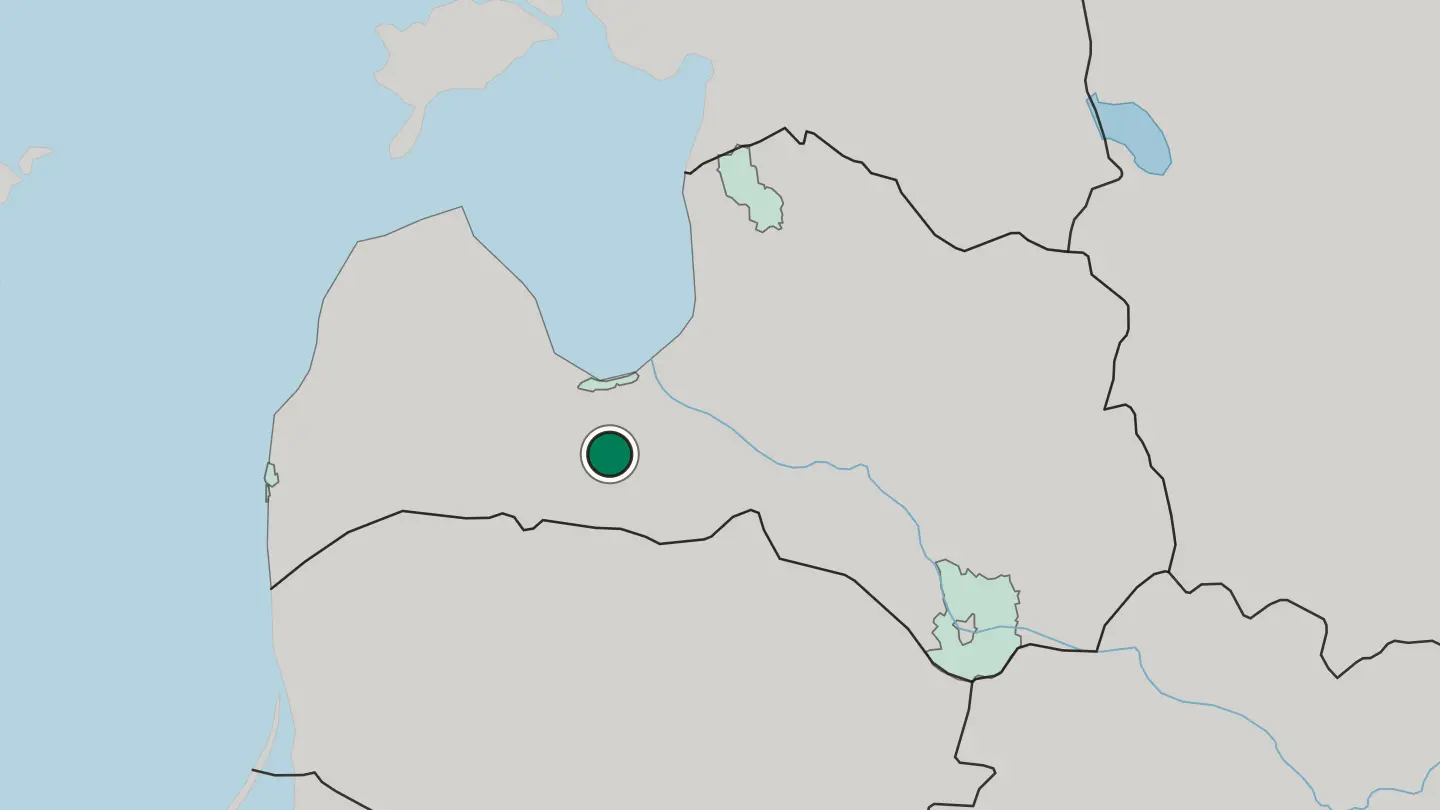
Hotel links are affiliate links: booking through them may earn us a commission, at no extra cost to you. It never affects how places are ranked. How this works
Regions of Latvia
Latvia
Daugavpils
The Daugava River splits Daugavpils, the state-city region of southeastern Latvia, between the Latgale bank and the Selonia bank.Towns & cities →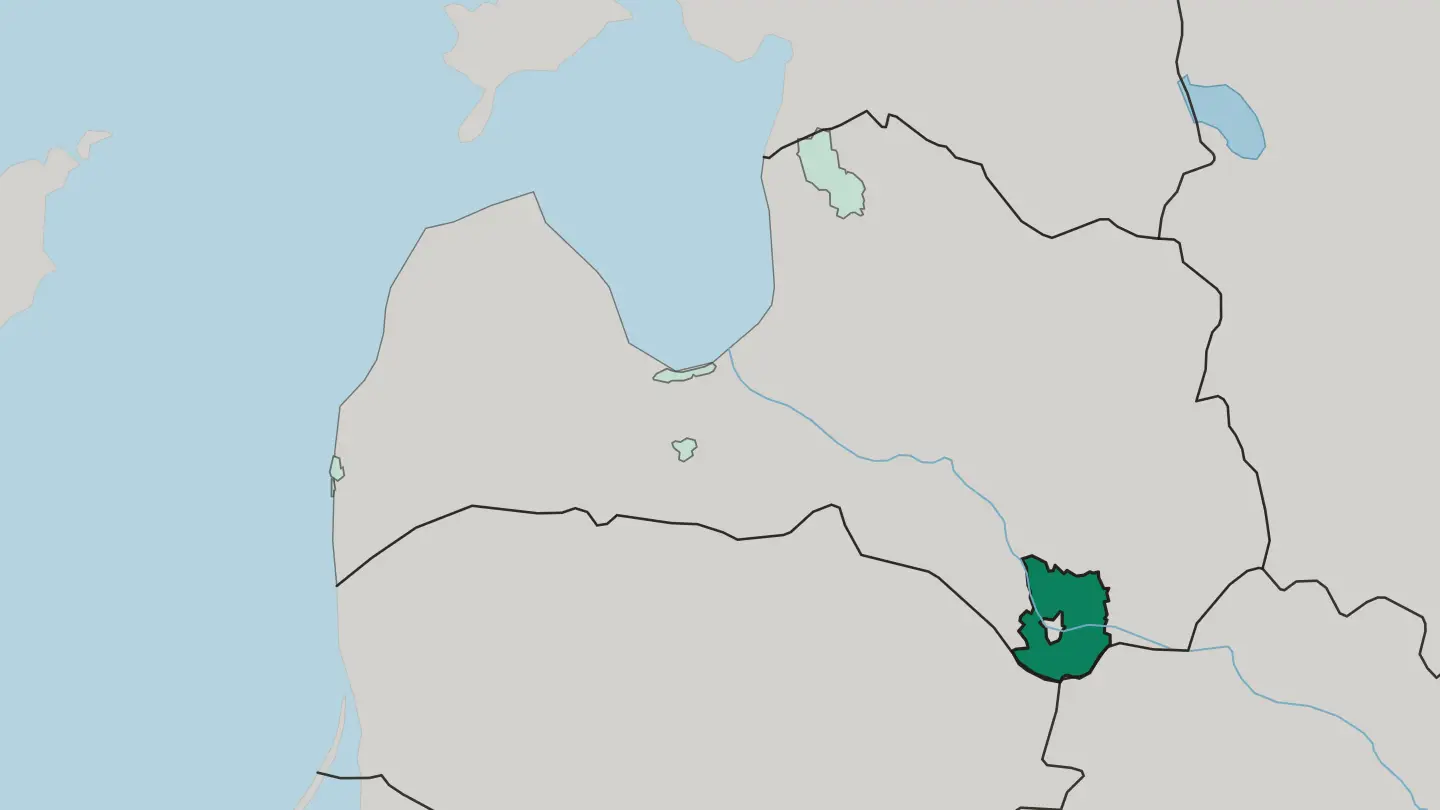 Latvia
Jelgava
Jelgava is a state city in Latvia, largest in Semigallia, once capital of the Duchy of Courland and Semigallia and dating from 1226.Towns & cities →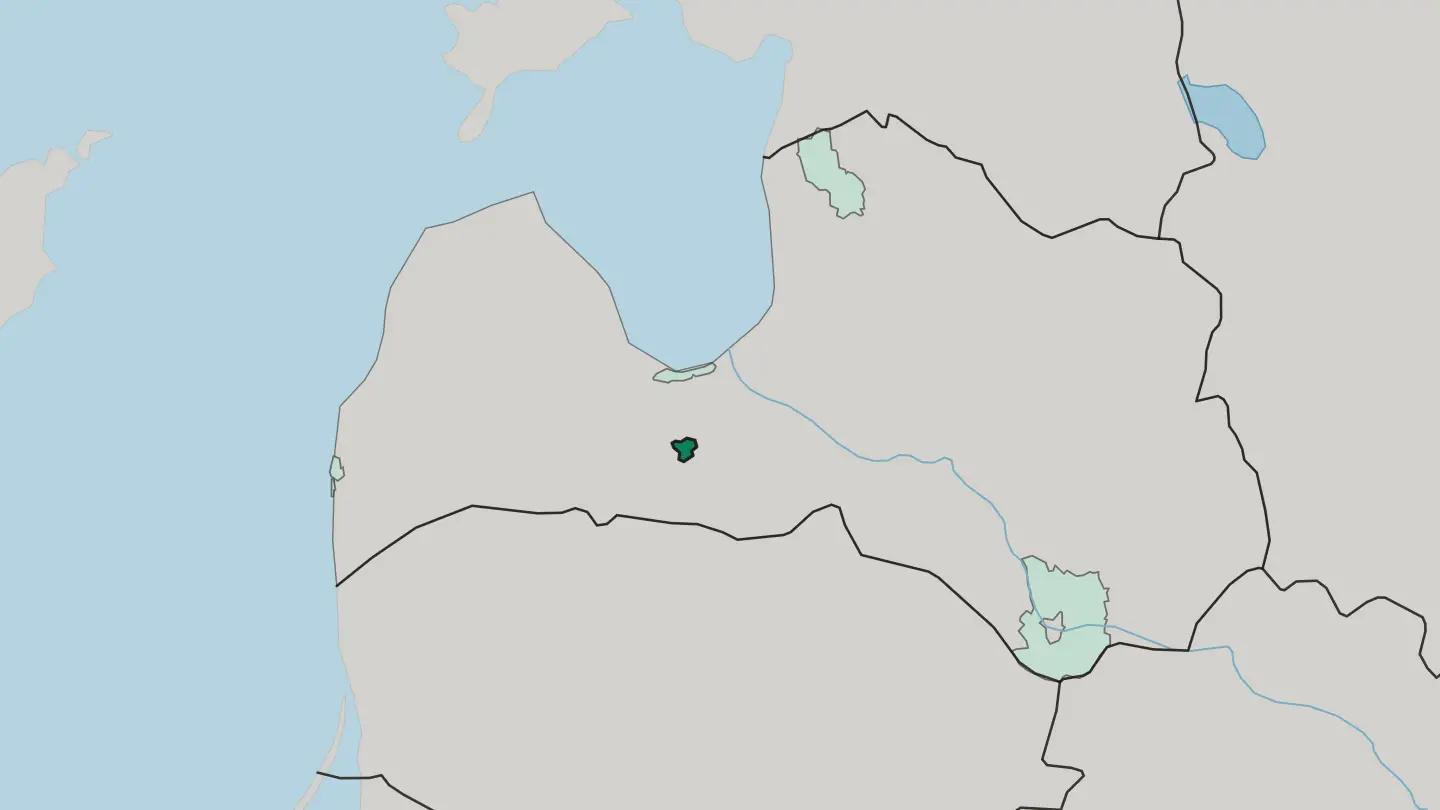 Latvia
Jūrmala
Jūrmala is a Latvian resort city on the strip between the Gulf of Riga and the Lielupe, about 25 kilometres west of Riga.Towns & cities →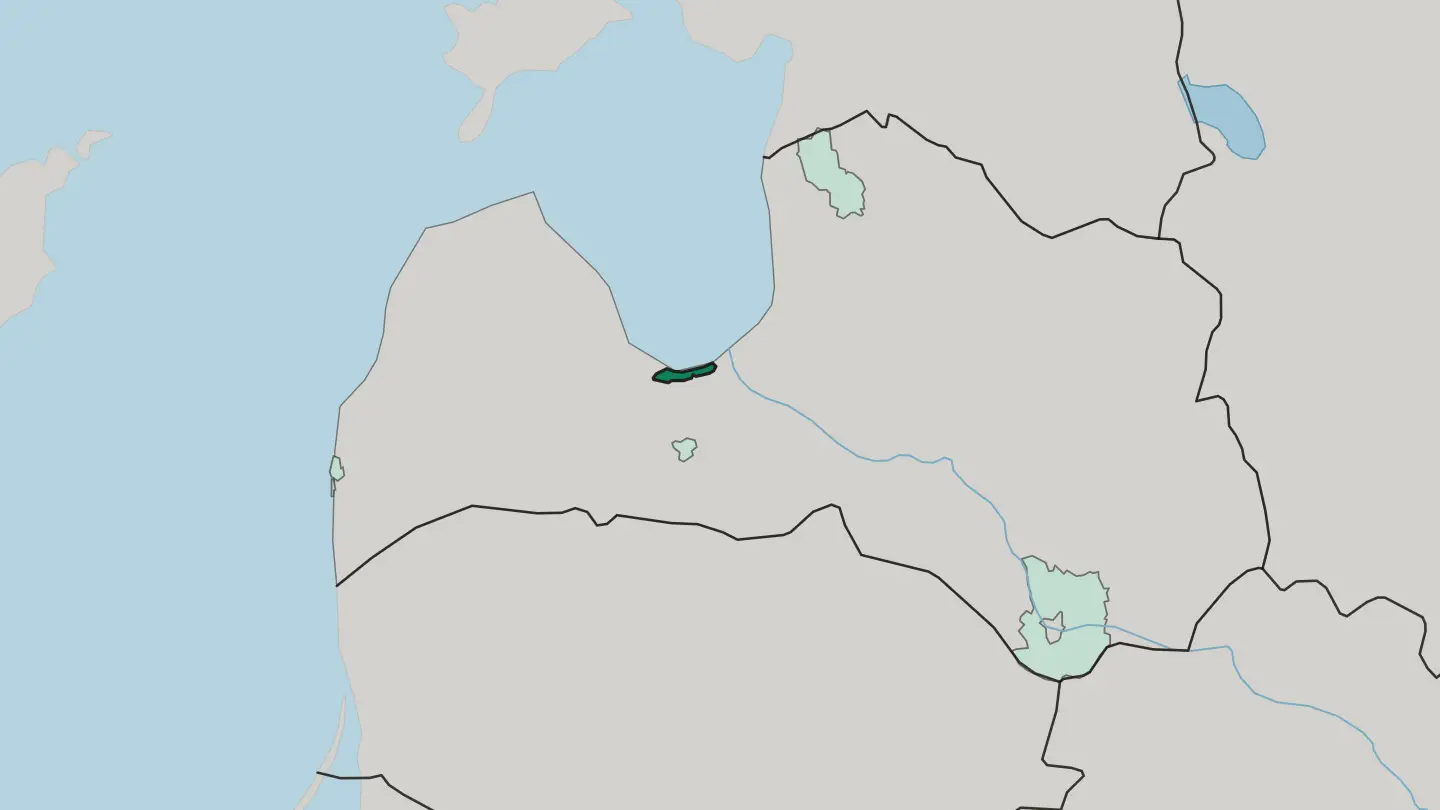 Latvia
Liepāja
Liepāja is a state city on Latvia's Baltic coast, largest in Courland, third-largest in the country, and an ice-free port dating from 1625.Towns & cities →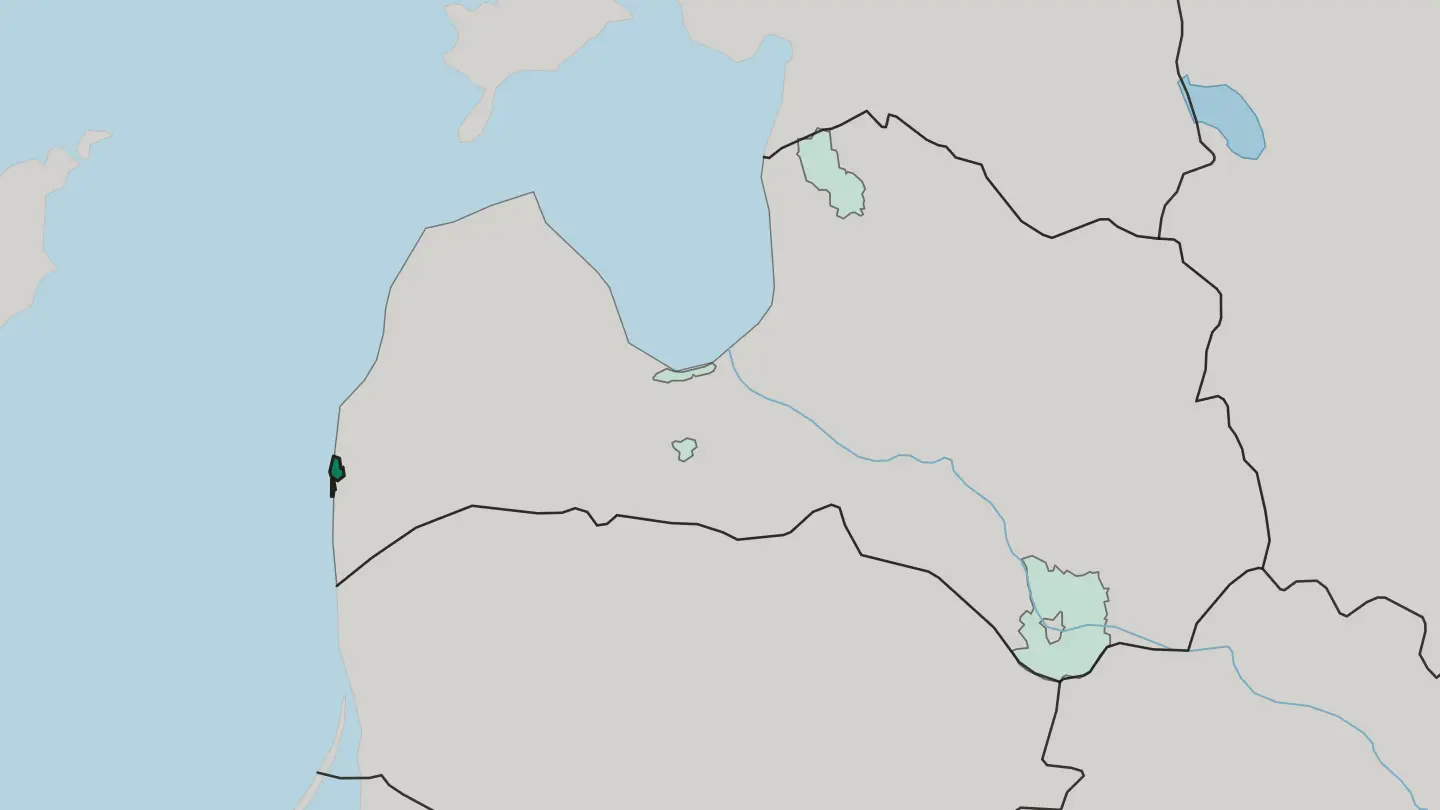 Latvia
Rīga
Rīga is the district around Latvia's capital, wrapping the lower Daugava and the shore of the Gulf of Riga in flat, sandy coastal country.Towns & cities →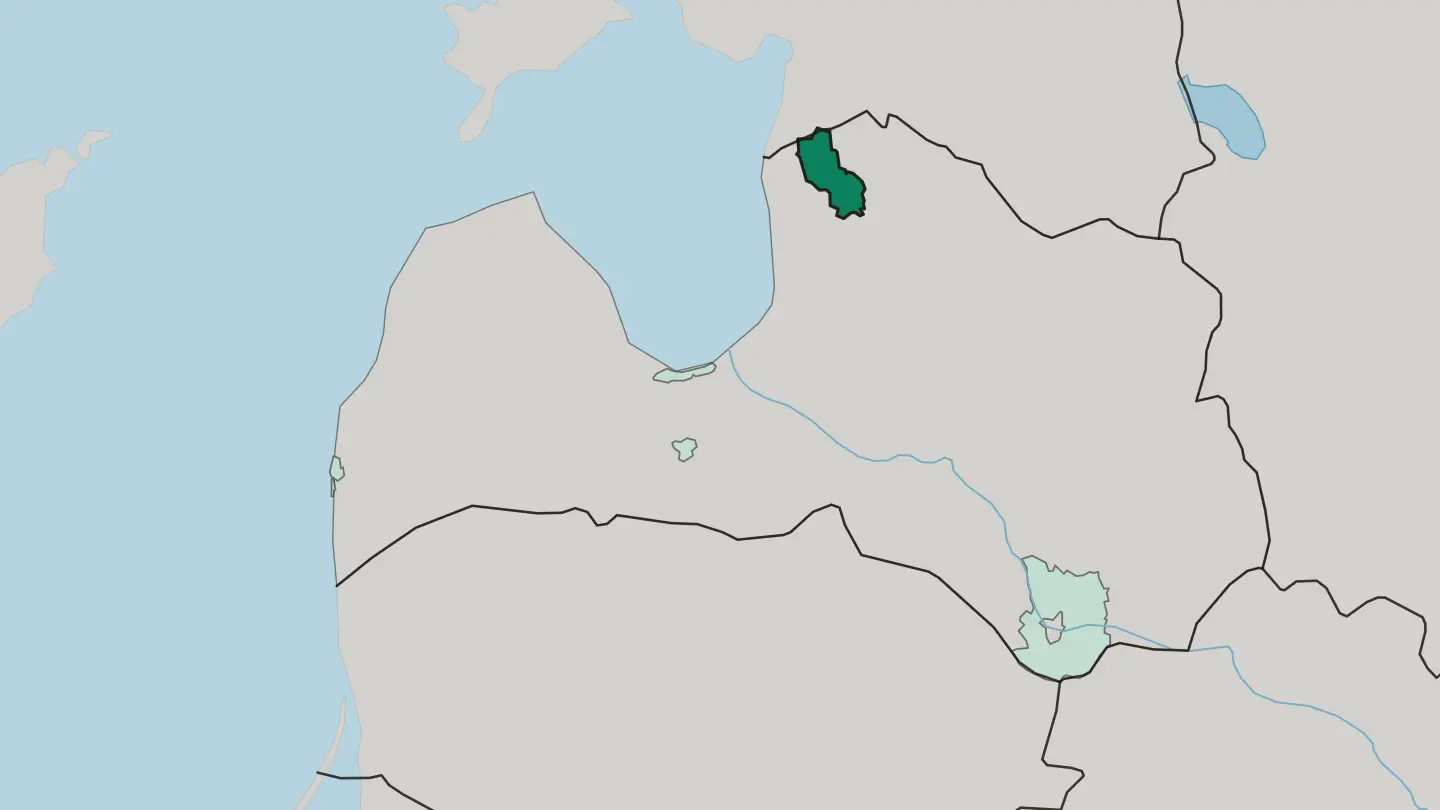
Explore by experience
Not sure which place? Start from how you want to travel.
About Latvia
Riga is the draw.
What is Latvia known for?
Its Old Town, a World Heritage Site, packs cobbled lanes and the densest run of Art Nouveau facades anywhere in Europe into a compact medieval core beside the Daugava. Beyond the capital the country reads as forest and shore: pine dunes along the Gulf of Riga, the sandstone bends of the Gauja near Sigulda, and the wide waterfall at Kuldīga. Amber washes up on the beaches.
Half of Latvia is trees.
Where is Latvia?
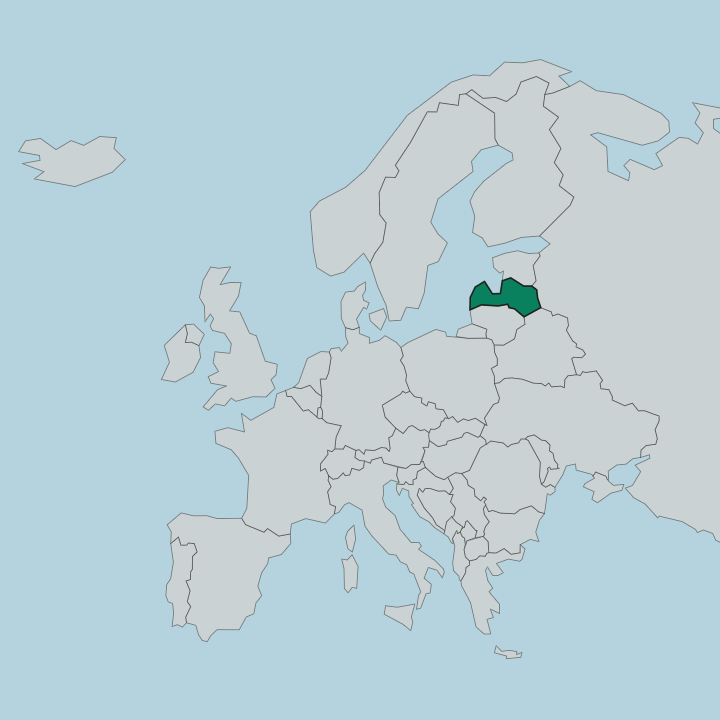
Latvia is the middle of the three Baltic states, a low, glaciated country facing the Baltic Sea between Estonia and Lithuania. Nearly all of it lies under a hundred metres of elevation, and the highest point, Gaiziņkalns in the Vidzeme uplands, barely tops three hundred metres. This is a land of water and woods.
Forest covers more than half the ground, and rivers order the rest: the Daugava crosses from the south-east to reach the sea at Riga, while the Gauja loops through its own sandstone valley in the north. The coast runs long and open. Some five hundred kilometres of Baltic shoreline curve from the Lithuanian border round the shallow Gulf of Riga, most of it empty beach, soft white sand, and dunes held together by pine.
Inland the country splits into four historical lands. Kurzeme fills the west, Zemgale the fertile central plain, Vidzeme the wooded north, and Latgale the lake-strewn east. The Ice Age set the pattern here, scattering glacial lakes, low ridges, and boggy hollows across an unhurried, level terrain.
From coast to upland, nothing rises far.
What is the history of Latvia?
Latvia's story is one of long foreign rule broken by two hard-won bursts of freedom. Baltic tribes farmed and fished this coast for millennia before German crusaders arrived around 1200, founding Riga in 1201 and pulling the land into the orbit of the Livonian Order. Rulers came and went for centuries.
Swedes, Poles, and the dukes of Courland each held pieces, until the whole territory passed to the Russian Empire by the close of the eighteenth century. Through it all a Latvian peasantry kept its language and its songs. That endurance turned political in the nineteenth-century national awakening, and in the wreckage of the First World War the Republic of Latvia declared independence in 1918, then fought a war to secure it.
The freedom did not last. Soviet and Nazi occupation in the 1940s cost the country dearly, and Soviet rule then held for half a century. The end came without a shot.
Latvians sang their way out through the Singing Revolution, and independence was restored in 1991. Two Novembers, two foundings, one continuous thread.
What is Latvia like?
Latvian culture rests on song. Every five years tens of thousands of singers and dancers gather in Riga for the Latvian Song and Dance Festival, a tradition running since 1873 and listed by UNESCO, its massed choirs the clearest expression of who Latvians take themselves to be. The old calendar still turns on the sun.
Midsummer, called Jāņi or Līgo, empties the cities each June as people light bonfires, weave oak wreaths, and sing folk songs through the shortest night of the year. Folklore feels close to the surface here. The country holds hundreds of thousands of dainas, the short folk verses that carry an older, pre-Christian sense of nature and season.
Food is plain and rooted: rye bread dark and dense, grey peas with bacon and onion, and the bitter herbal punch of Riga Black Balsam. Amber, the fossil resin of the Baltic, threads through the crafts and the jewellery. Language sits at the centre of it all, one of the last surviving branches of the Baltic tongues.
Song, solstice, and the sea run through everything.
What is the climate of Latvia?
Latvia has four distinct seasons. Its climate is temperate and humid, milder along the Baltic coast where the sea keeps the edge off, and sharper inland to the east in Latgale. Winters are long and grey, with snow lying for weeks and January often dropping below freezing across the whole country.
Summers turn warm and green, the days stretching close to eighteen hours around Midsummer, and the sea near Jūrmala warm enough to swim. Rain falls year-round. Autumn comes early and gold.
How do you get to Latvia?
Almost everyone lands at Riga. The airport sits a short drive south-west of the capital and serves as the Baltic hub for the national carrier, with a city bus running the ten-odd kilometres into the centre. Ferries cross the Baltic Sea to the port of Riga from Sweden, a slower option that lets you bring a car.
Trains and buses fan out from the capital to reach Jūrmala, Cēsis, and the coast in a few hours. The country is small. Nowhere in Latvia lies far from the next.
Good for
Updated September 2026