Morocco · Rabat-Salé-Kénitra
Where to Stay in Rabat, Rabat-Salé-Kénitra
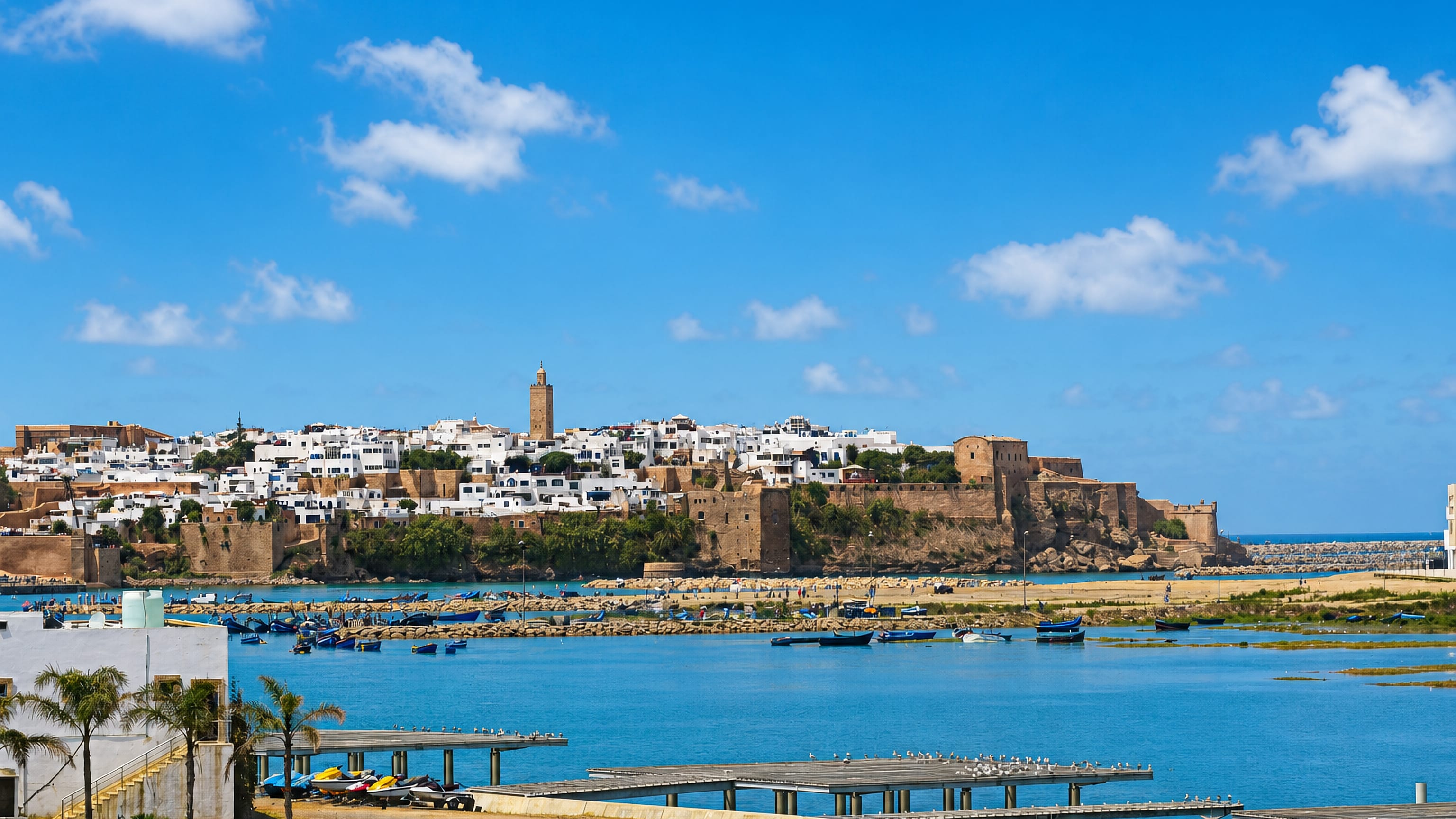
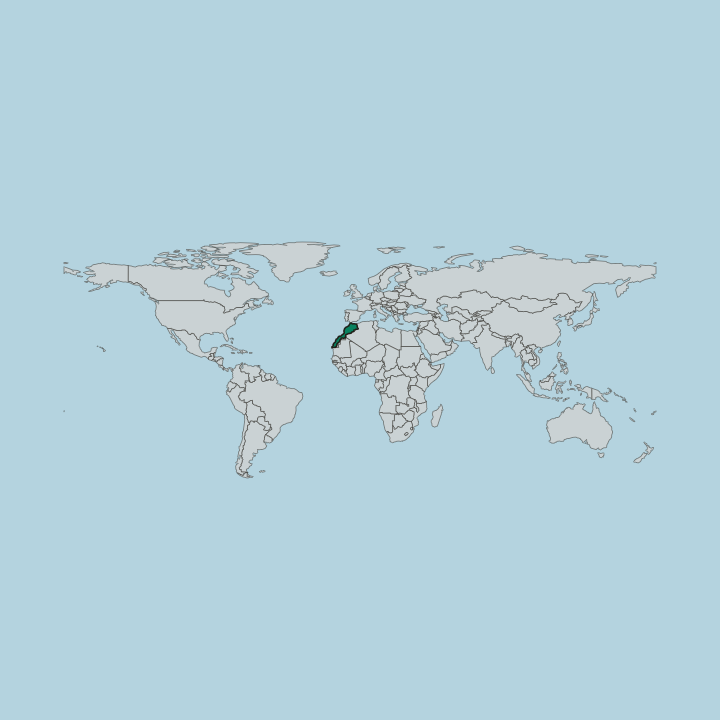
Rabat is a coastal capital city in Rabat-Salé-Kénitra, Morocco, known for the walled Chellah and the museums of its old quarters.
Hotel links are affiliate links: booking through them may earn us a commission, at no extra cost to you. It never affects how places are ranked. How this works


Where to stay in Rabat
The right area depends on your trip — here's what each neighbourhood is best for.

 RabatMorocco
Oudaya
Oudaya is a Rabat district whose name attaches to a garden, a museum and the old houses Dar Lamrini and Dar Mouline.Where to stay → RabatMorocco
Touarga
Touarga is a district of Rabat in Morocco, the quarter holding Chellah and two of the city's main museums.Where to stay →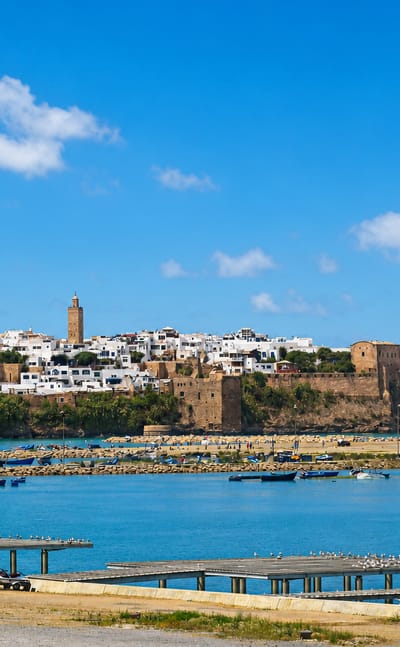 RabatMorocco
Agdal
Agdal is a district of Rabat in Morocco, the quarter that carries Salle Ibn Yassine among its named landmarks.Where to stay →RabatMoroccoEl Youssoufia
El Youssoufia is one of the districts Rabat is divided into, a residential quarter of a Moroccan city rather than a sight in itself.Where to stay →RabatMoroccoYacoub El Mansour
Yacoub El Mansour is a district of Rabat in Morocco, lying a few miles across the city from Agdal and Touarga.Where to stay →Hotel links are affiliate links: booking through them may earn us a commission, at no extra cost to you. It never affects how places are ranked. How this works
Find hotels in Rabat
Direct booking searches for these neighbourhoods.
Kasbah of the Oudaya quarter
Lanes inside the fortified kasbah drop toward the shore, minutes from the Oudaya museum and the historic gates.Find hotels in Kasbah of the Oudaya quarterGallery-led stays near the Museum of History and CivilizationsMuseum quarter
Quiet streets around the National Photography Museum and the Museum of History and Civilizations put exhibitions at the doorstep.Find hotels in Museum quarterCulture stays by the Mohammed VI Museum of Modern and Contemporary ArtModern-art district
Cafes and halls gather around the Mohammed VI Museum of Modern and Contemporary Art, a short loop from the National Post Museum of Morocco.Find hotels in Modern-art districtHotel links are affiliate links: booking through them may earn us a commission, at no extra cost to you. It never affects how places are ranked. How this works
Things to do in Rabat
Ranked by global recognition; descriptions from Wikidata (CC0).
Museums & Galleries
3- Mohammed VI Museum of Modern and Contemporary Art
- Museum of History and Civilizations in Rabat
- Oudaya museum
Churches & Religious Sites
2- Saint-Joseph church
- Saint-Pie-X church of Rabat
Castles & Historic Sites
1- Chellah Heritage
Stadiums & Sports
1- Salle Ibn Yassine
Parks & Gardens
1- Oudaya Garden Heritage
Landmarks & Notable Places
2- Dar Lamrini Heritage
- Dar Mouline
worth knowingacross 6 categories in Rabat
About Rabat
What is Rabat known for?
Rabat is known for a dense concentration of museums and heritage walls gathered along its Atlantic front in Rabat-Salé-Kénitra. Walls define it. The Chellah crowns the reputation, a ruined enclosure of medieval and older remains that draws visitors to its ramparts and quiet gardens.
Culture-minded travellers come for the Mohammed VI Museum of Modern and Contemporary Art and the Museum of History and Civilizations. Smaller collections widen the choice. The National Photography Museum and the Bank Al-Maghrib Museum round out a walkable circuit of exhibitions.
What are the main landmarks in Rabat?
Rabat gathers its main landmarks inside and around the old walled quarters of Rabat-Salé-Kénitra. The Chellah stands out first, a ruined enclosure of ramparts and older foundations at the edge of the city. Museums do much of the rest.
The Oudaya museum sits within its fortified kasbah, while the Mohammed VI Museum of Modern and Contemporary Art and the Museum of History and Civilizations anchor the modern circuit. The Borj El Kébir and the National Photography Museum add fortified and photographic stops for anyone tracing the full heritage route.
What is the history of Rabat?
Rabat traces its walled origins to the founding year of 1146, when a fortified base was raised on the Atlantic edge of what is now Rabat-Salé-Kénitra. The site was older still. The Chellah preserves layers of earlier settlement, a ruined enclosure whose foundations predate the medieval walls that later ringed the town.
From that fortified core the city grew as a seat of authority behind its ramparts and gates. Heritage from the intervening centuries survives in the old quarters and the buildings that later became museums. The Oudaya museum occupies a fortified kasbah from that long span of walled history, and traditional houses such as Dar Lamrini and Dar Mouline carry the domestic architecture of the same tradition forward.
Religious building left its own record. The Saint-Joseph church and the Salé church mark later chapters in the story, while collections like the Museum of History and Civilizations now gather the deeper past under one roof. Together these strands hold the memory of a capital shaped by walls, faith, and the sea.
Where is Rabat?
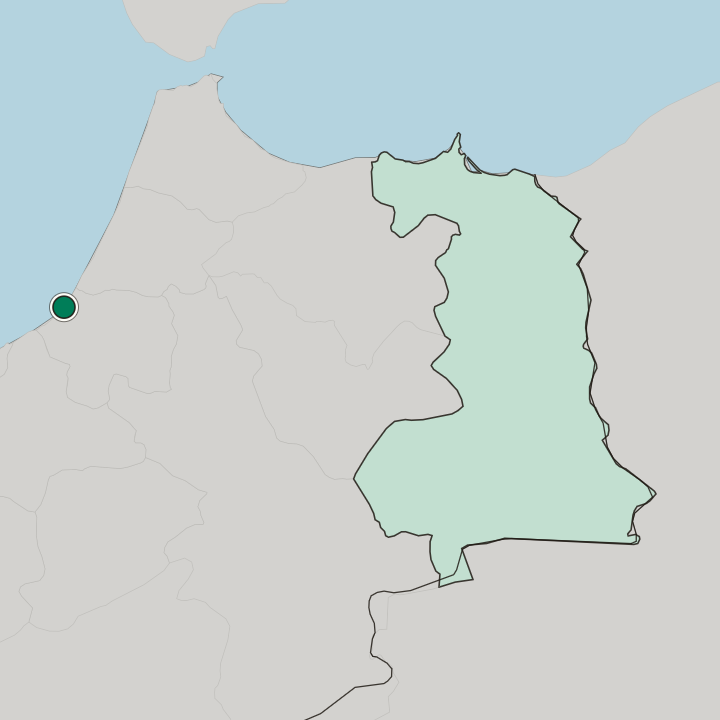
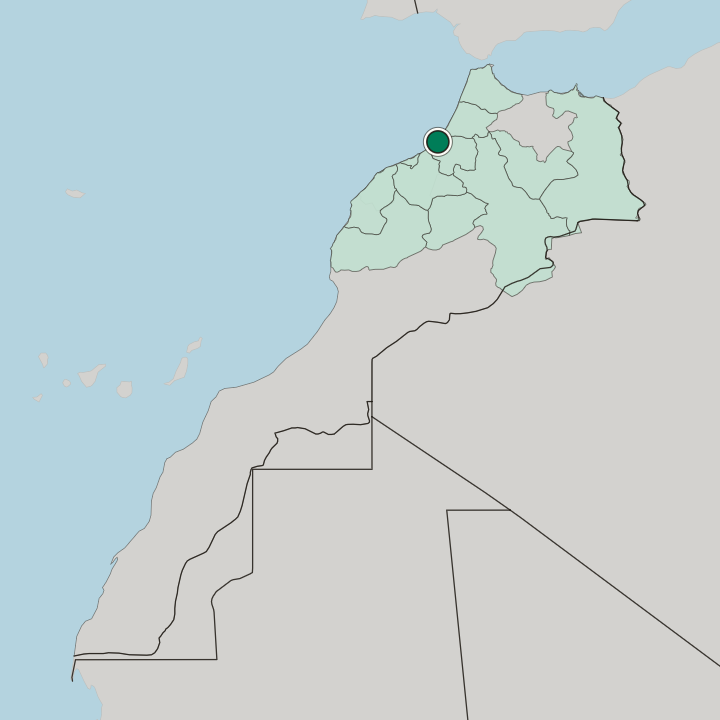
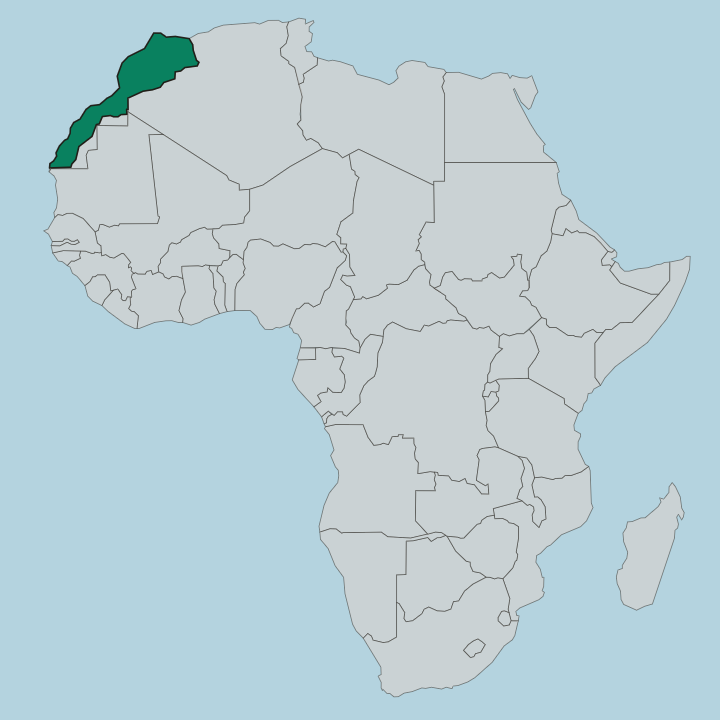
Rabat sits on the Atlantic shore of Morocco, at the coastal core of Rabat-Salé-Kénitra. The old walled quarters rise close to the water, with the fortified kasbah of the Oudaya museum overlooking the sea and the Chellah set back at the city's edge. The shoreline defines the setting.
From the ramparts the ground falls toward the Atlantic on one side, while the wider spread of the region reaches inland from the historic gates. The Borj El Kébir marks the fortified line that once guarded this maritime approach.
What is the climate of Rabat?
Rabat has a mild coastal climate shaped by the Atlantic that borders Rabat-Salé-Kénitra. Winters stay wet and temperate rather than cold, with rain arriving off the sea and greening the ground around the Chellah. Summers run warm and dry.
The ocean tempers the heat that inland Morocco endures, so the walled quarters near the Oudaya museum keep a fresher edge through the hottest months, and sea air moves steadily over the ramparts and gates from spring into autumn.
How do you get to Rabat?
Rabat is reached as the capital hub of Rabat-Salé-Kénitra on Morocco's Atlantic coast. Rail lines link it along the coastal corridor, arriving within walking reach of the old quarters and the Chellah. Roads follow the shore as well.
Buses and coaches feed the city from across the region and beyond, dropping travellers close to the historic gates, from where the Oudaya museum and the central museums lie a short walk through the walled centre toward the sea.
Common questions
What is the best area to stay in Rabat?
Kasbah of the Oudaya quarter: First stay beside the Oudaya museum. Museum quarter: Gallery-led stays near the Museum of History and Civilizations. Modern-art district: Culture stays by the Mohammed VI Museum of Modern and Contemporary Art.
Good for
More cities in Rabat-Salé-Kénitra
Updated October 2026