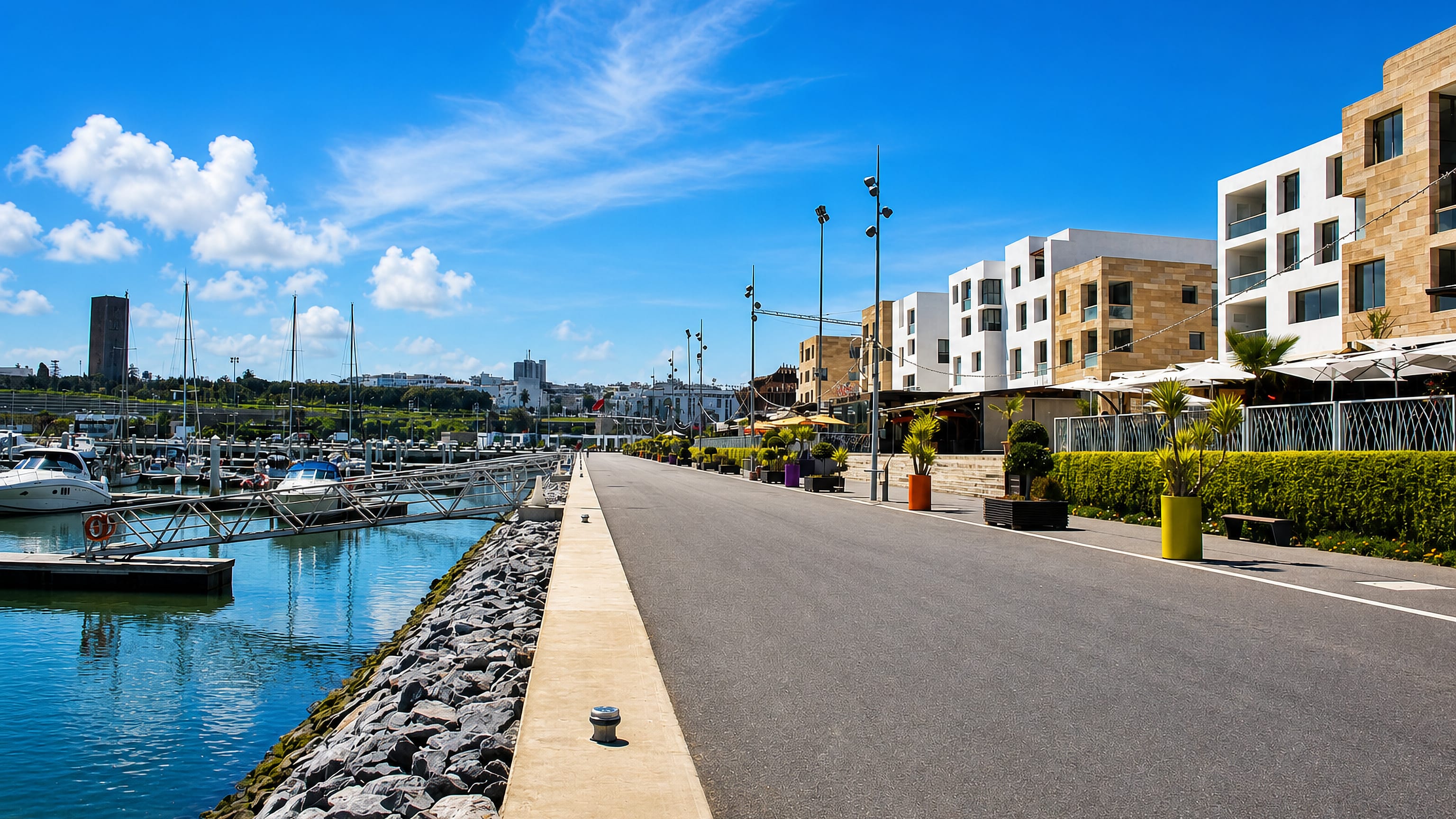
Morocco · Rabat-Salé-Kénitra
Where to Stay in Salé, Rabat-Salé-Kénitra
Salé is the old walled city across the river from Rabat in Morocco, a medina of mosque and medersa that was once a nest of Atlantic corsairs.
Hotel links are affiliate links: booking through them may earn us a commission, at no extra cost to you. It never affects how places are ranked. How this works


Where to stay in Salé
The right area depends on your trip — here's what each neighbourhood is best for.

 SaléMorocco
Tabriquet
Tabriquet sits on the district roll of Salé, a Moroccan quarter the register names without attaching a single landmark to it.Where to stay → SaléMorocco
Bettana
Bettana is the district of Salé that the record credits with the Museum of the Living Bee, and with nothing else beside it.Where to stay →Hotel links are affiliate links: booking through them may earn us a commission, at no extra cost to you. It never affects how places are ranked. How this works
Find hotels in Salé
Direct booking searches for these neighbourhoods.
The medina
Within the walls near the Great MosqueFind hotels in The medinaStays wanting the beaches and RabatThe shore
Out by the sea across to the capitalFind hotels in The shoreHotel links are affiliate links: booking through them may earn us a commission, at no extra cost to you. It never affects how places are ranked. How this works
About Salé
Salé is the corsair city on the Bou Regreg.
What is Salé known for?
On the north bank of the river mouth facing Rabat, it grew as a walled trading town and a haven of Barbary pirates, and it keeps a fine old medina with its Great Mosque and Merinid medersa, the grand water-gate of Bab Mrisa, and the shrine of the saint whose candle festival still lights the streets. The Atlantic breaks past the mouth. White walls ring the old town.
What are the main landmarks in Salé?
The old medina is the heart of Salé. The walled town of white houses, gathered around the Great Mosque and its Merinid medersa, spreads behind the ramparts, the emblem of the city, above the river. A great gate opens seaward.
The tall water-gate of Bab Mrisa still arches over the old harbour channel, while the medersa's carved courtyard, the saint's shrine, and the potters' quarter mark the streets of Salé.
What is the history of Salé?
Salé was for centuries the greater town on the river. It grew as a walled port of trade under the Almohads and the Merinids, who raised its Great Mosque and its fine medersa, and its merchants shipped goods across the sea and the desert. The river carried its wealth.
Ships came up to the water-gate of Bab Mrisa to load within the safety of the walls. In time it turned to piracy. When Muslims driven from Spain settled here, Salé and its neighbour across the water became a corsair haven, and the Sallee Rovers raided far out into the Atlantic from the river mouth.
A pirate republic ruled the banks. For a time the two towns governed themselves as a republic of corsairs, rich on plunder and ransom, until the sultans brought them to heel. The old medina still keeps its walls.
Salé keeps its mosque and its medersa behind the river gate.
Where is Salé?
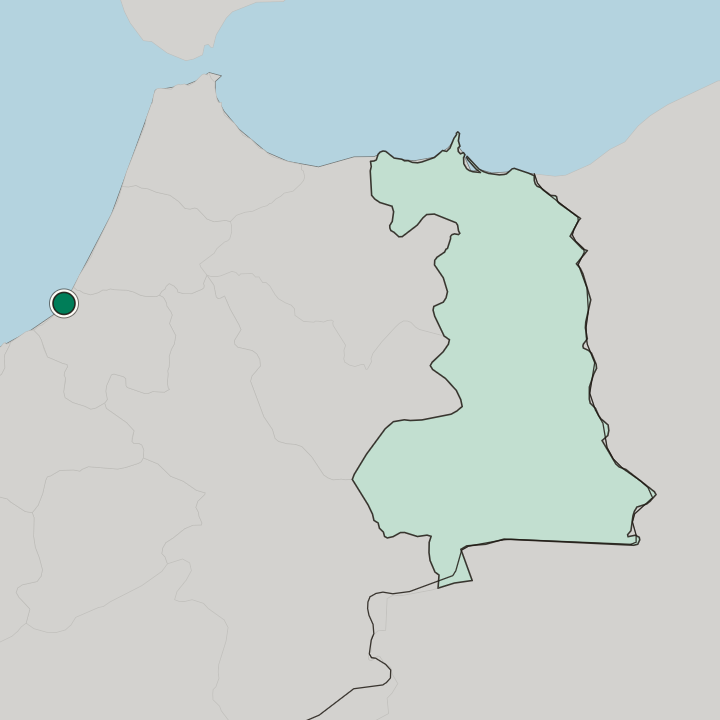
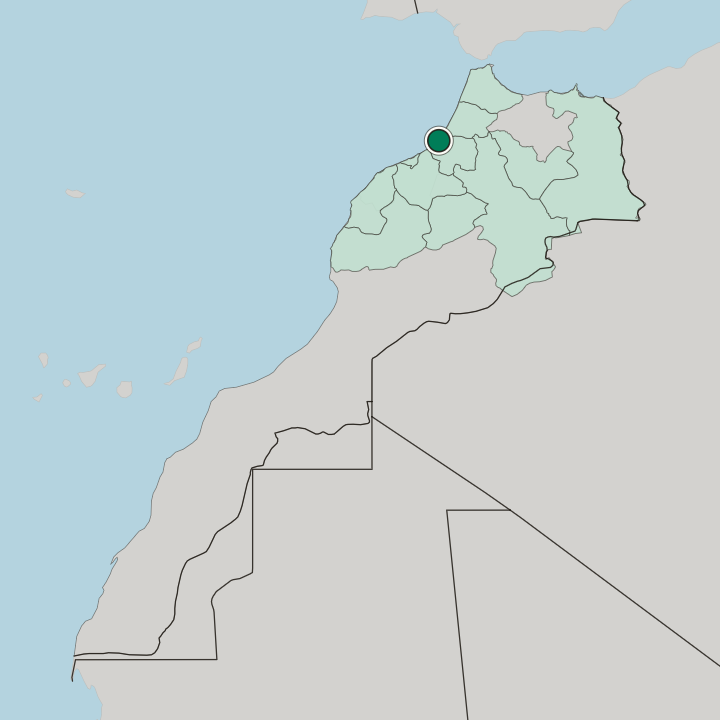
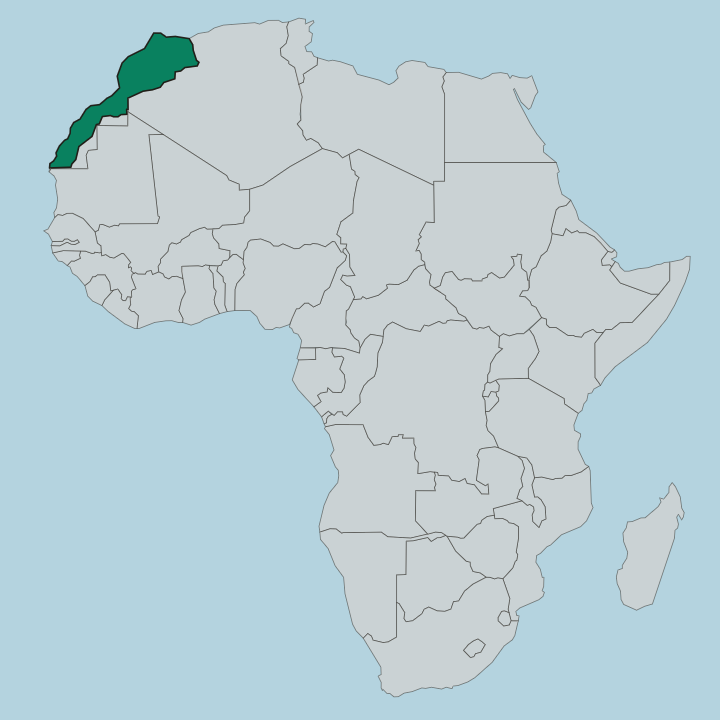
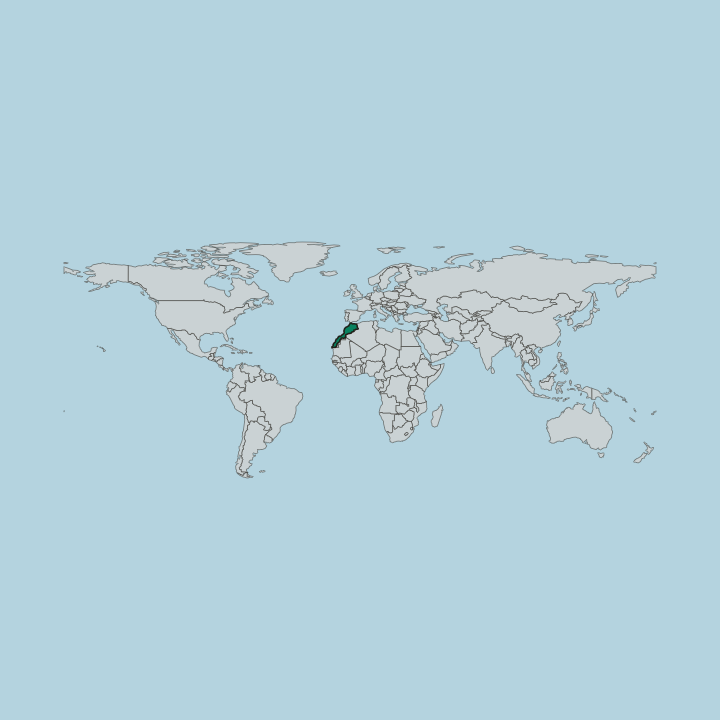
Salé stands at the mouth of the Bou Regreg on the Atlantic coast of Morocco, across the water from Rabat. The old town sits behind its walls on the river's north bank where it runs out to the sea, with beaches running north up the shore and the two cities spreading back from the estuary. Ocean surf lines the coast.
The river divides the twin towns.
What is the climate of Salé?
Salé has a mild Atlantic climate cooled by the sea. Warm dry summers and soft wet winters cross the coast, tempered year round by the ocean, with sea fog on some mornings and little cold. Sea breezes freshen the town.
The winter brings the year's rain.
How do you get to Salé?
Salé lies on the coast of central Morocco, joined to Rabat across the Bou Regreg. A tram and bridges cross the river to the capital, and the country's main airport lies just outside Salé. Trains on the coast line stop in the town.
Rabat lies just over the water.
Common questions
What is the best area to stay in Salé?
The medina: Visitors here for the mosque, medersa, and gates. The shore: Stays wanting the beaches and Rabat.
Good for
More cities in Rabat-Salé-Kénitra
Updated October 2026