Morocco
Rabat-Salé-Kénitra, Morocco — Towns & Travel Guide
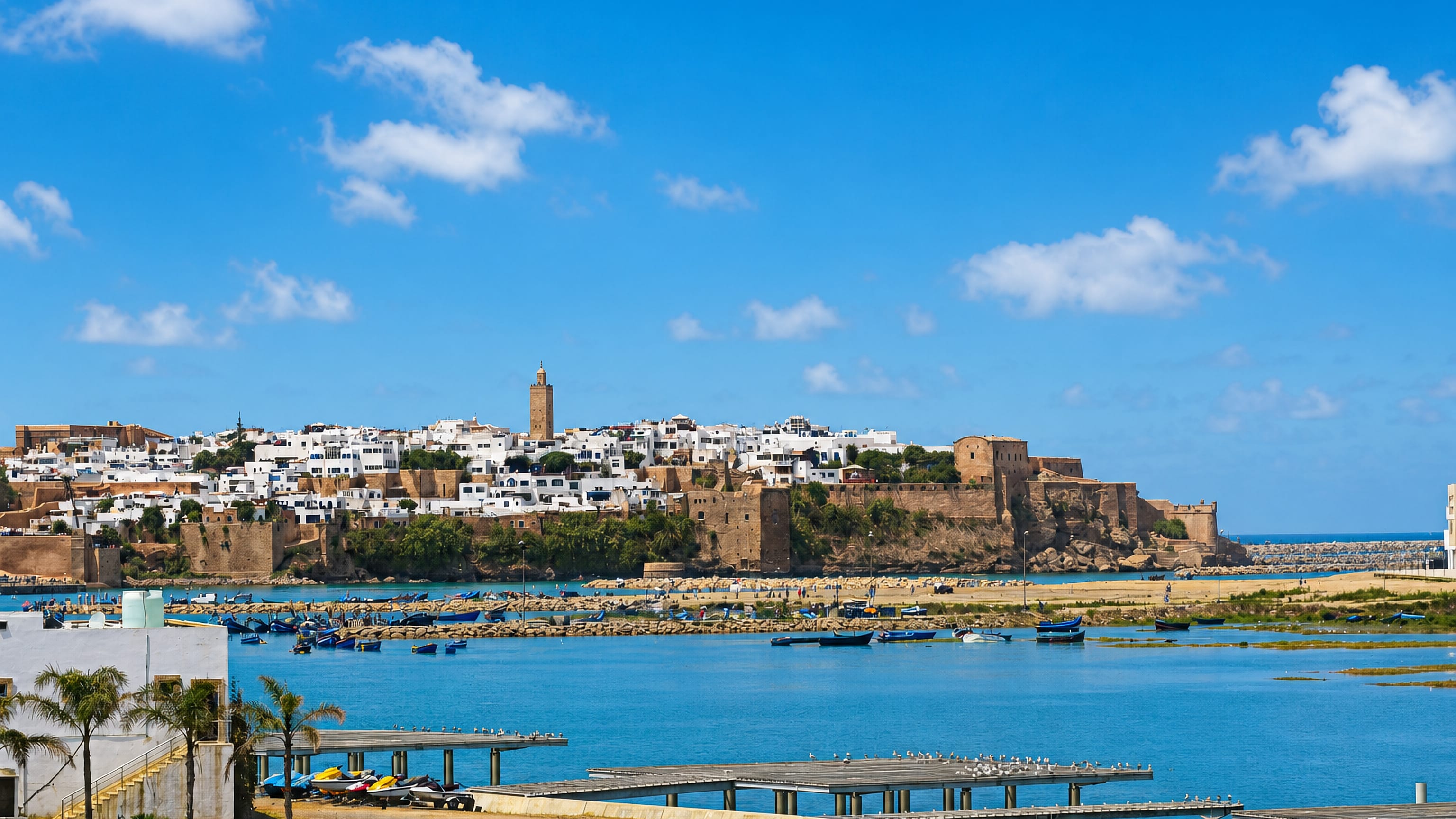
Rabat-Salé-Kénitra is the Atlantic-coast region of north-western Morocco built around the capital, Rabat, at the mouth of the Bou Regreg.
Hotel links are affiliate links: booking through them may earn us a commission, at no extra cost to you. It never affects how places are ranked. How this works


Towns & cities in Rabat-Salé-Kénitra
Pick a town or city — each links to where to stay.
 Morocco
Rabat
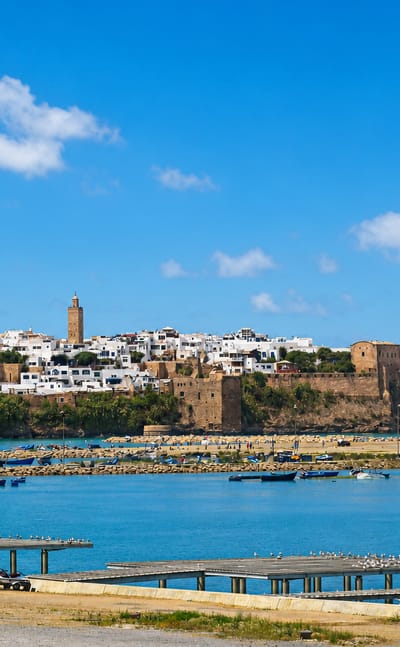
Rabat is a coastal capital city in Rabat-Salé-Kénitra, Morocco, known for the walled Chellah and the museums of its old quarters.Where to stay →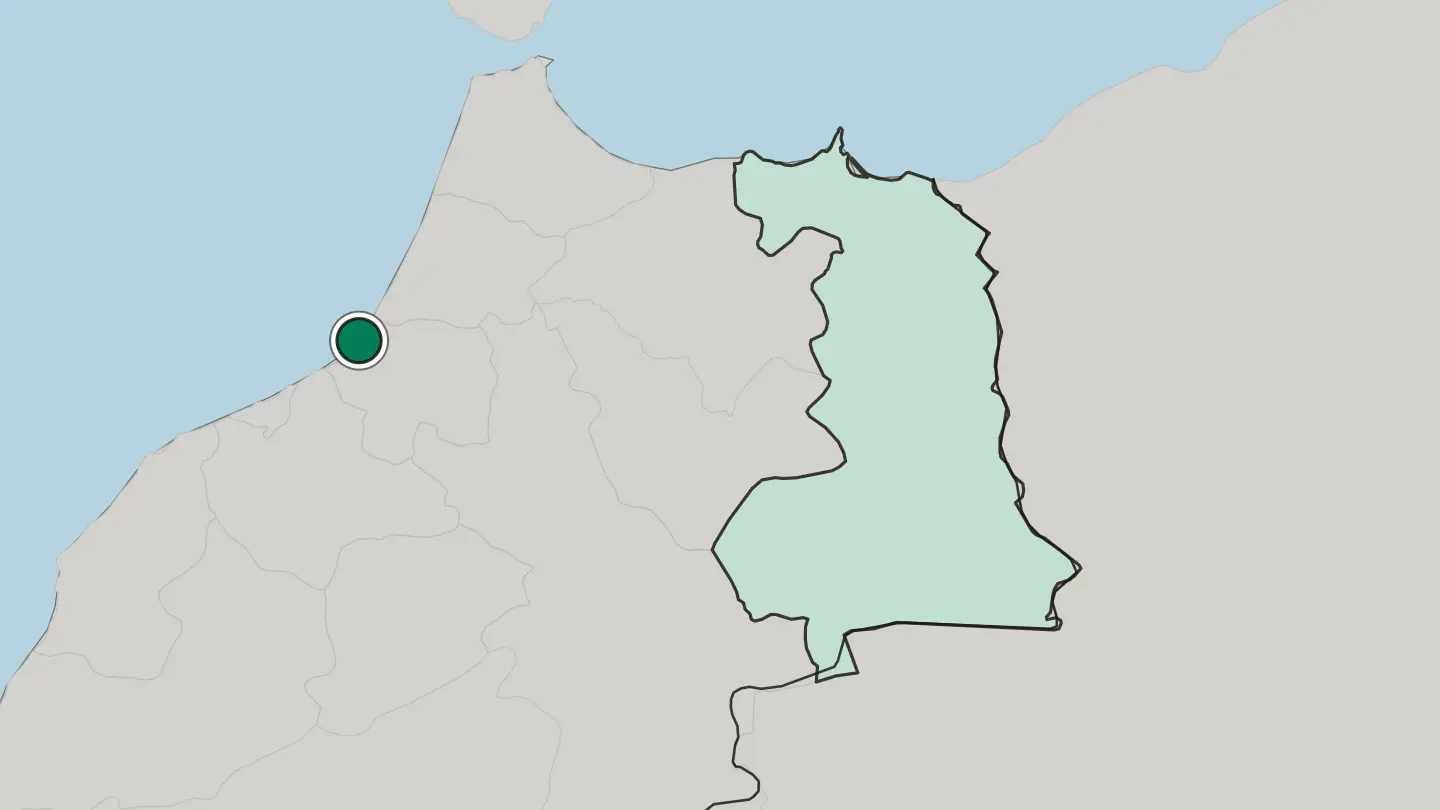
 Morocco
Salé
Salé is the old walled city across the river from Rabat in Morocco, a medina of mosque and medersa that was once a nest of Atlantic corsairs.Where to stay →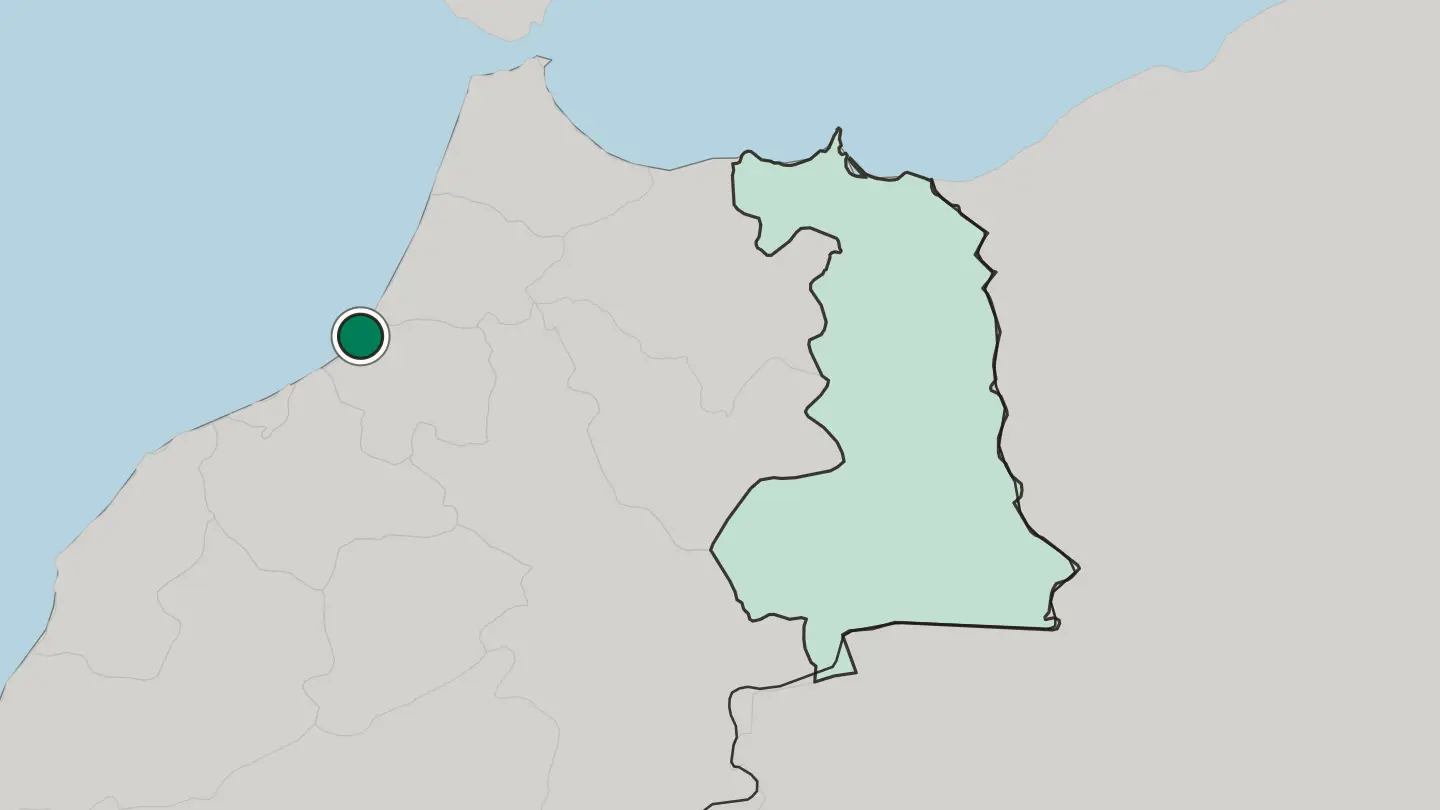
 Morocco
Kenitra
Kenitra is a city of northwest Morocco on the Sebou river, the country's main river port, set among cork forests and bird lagoons near the Atlantic.Where to stay →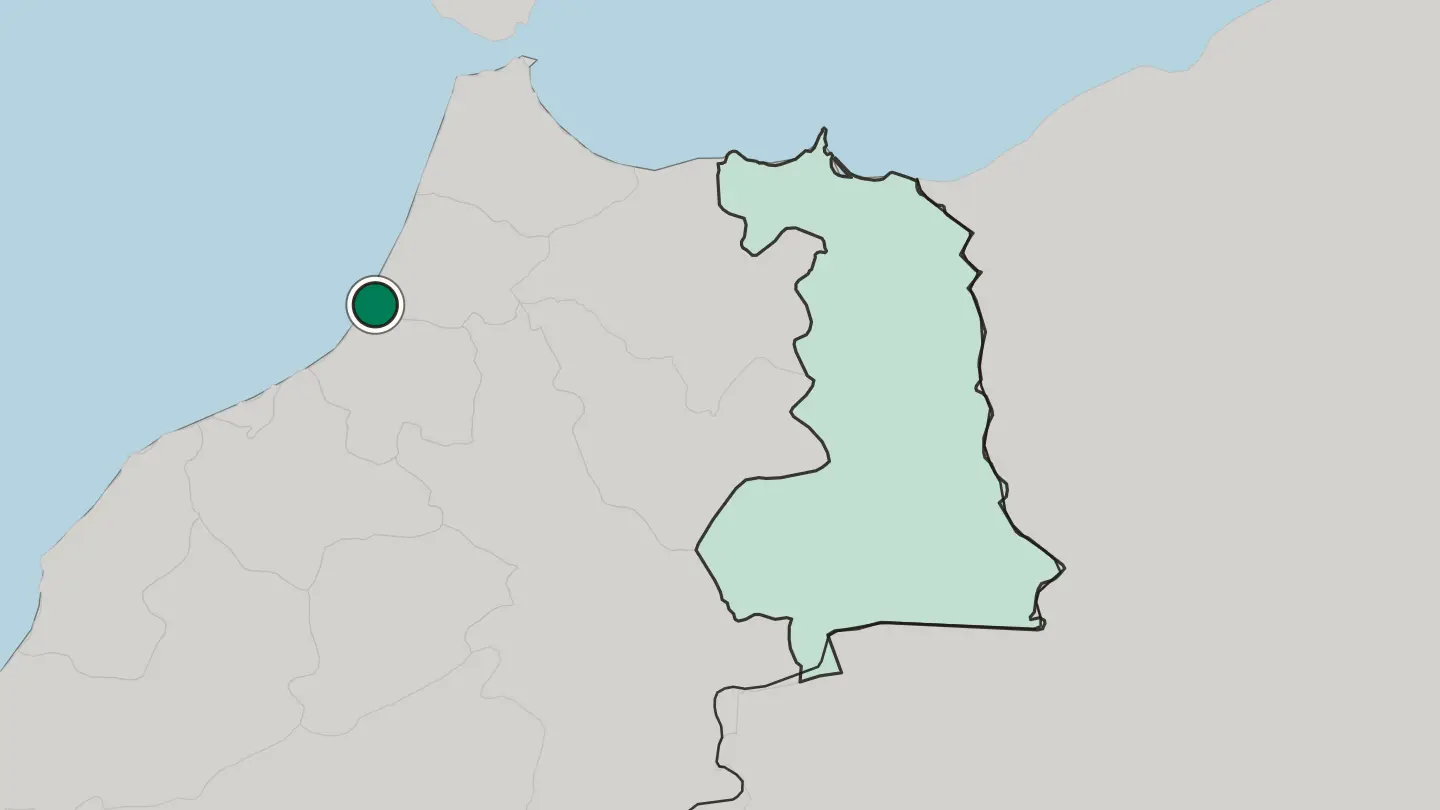 Morocco
Temara
Temara is an Atlantic coastal city directly south of Rabat, in the Rabat-Salé-Kénitra region of Morocco. Beaches run along its edge.Where to stay →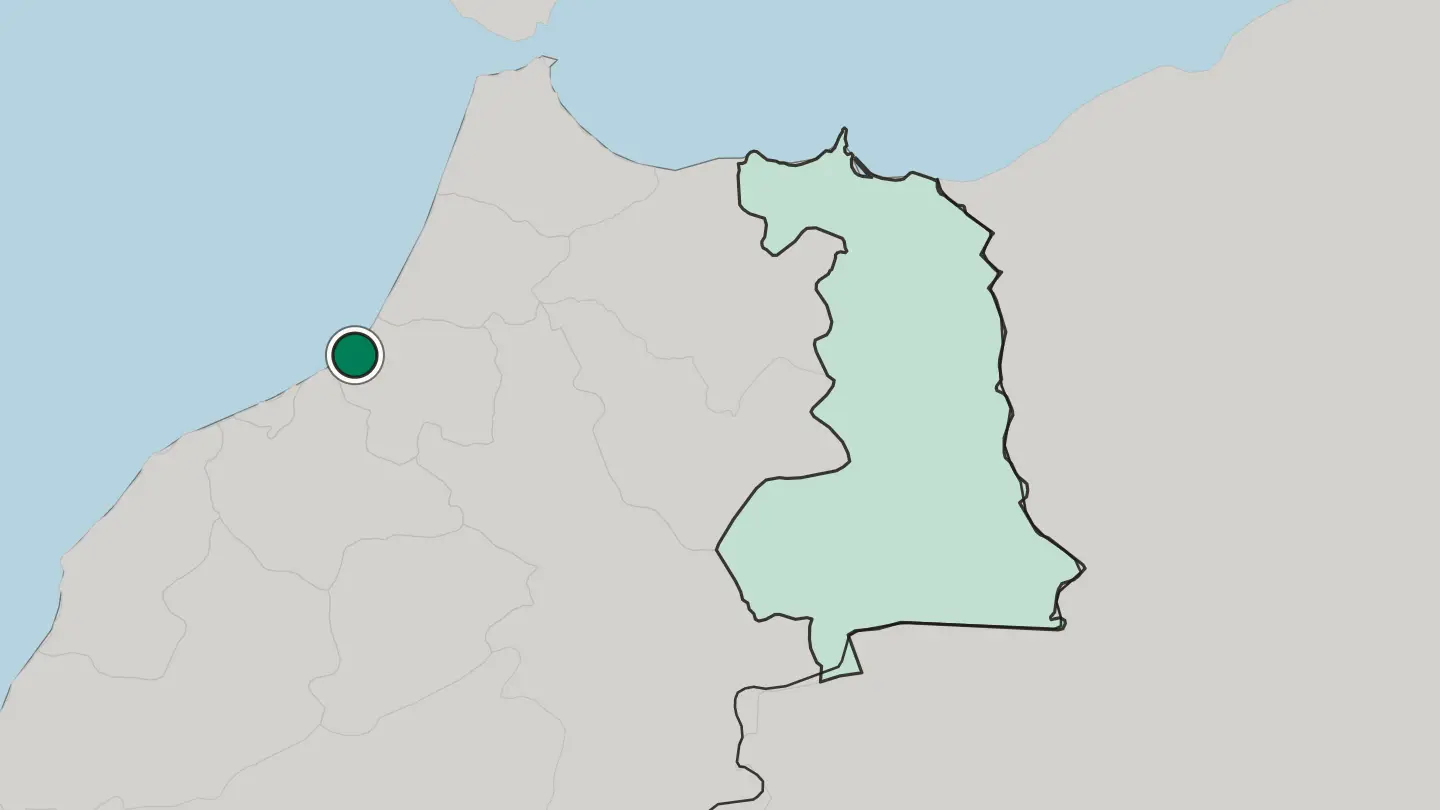 Morocco
Khemisset
Khemisset is a Moroccan city on the A2 motorway between Rabat and Meknès, and the capital of Khémisset Province.Where to stay →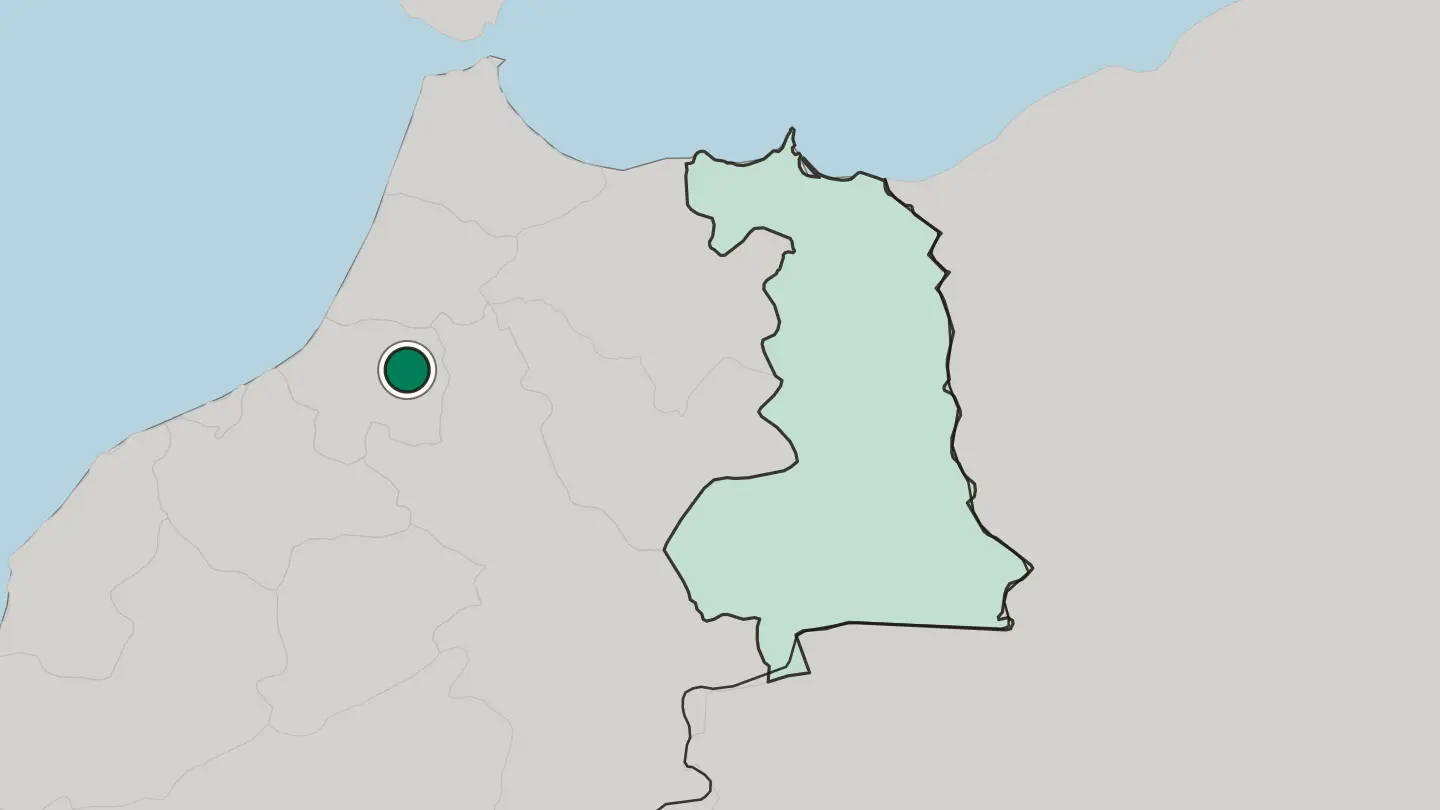
Hotel links are affiliate links: booking through them may earn us a commission, at no extra cost to you. It never affects how places are ranked. How this works
About Rabat-Salé-Kénitra
Rabat anchors it.
What is Rabat-Salé-Kénitra known for?
This is Morocco's seat of government, and the capital sits on the Atlantic Ocean where the Bou Regreg reaches the sea, its medina and the walled Kasbah of the Udayas inscribed together on the UNESCO World Heritage list. Salé faces Rabat across the same river mouth, once the harbour of the Salé Rovers. Kénitra guards the north near the Sebou, a working port and industrial town rather than a monument.
Twelve centuries of building line one short stretch of coast.
Where is Rabat-Salé-Kénitra?
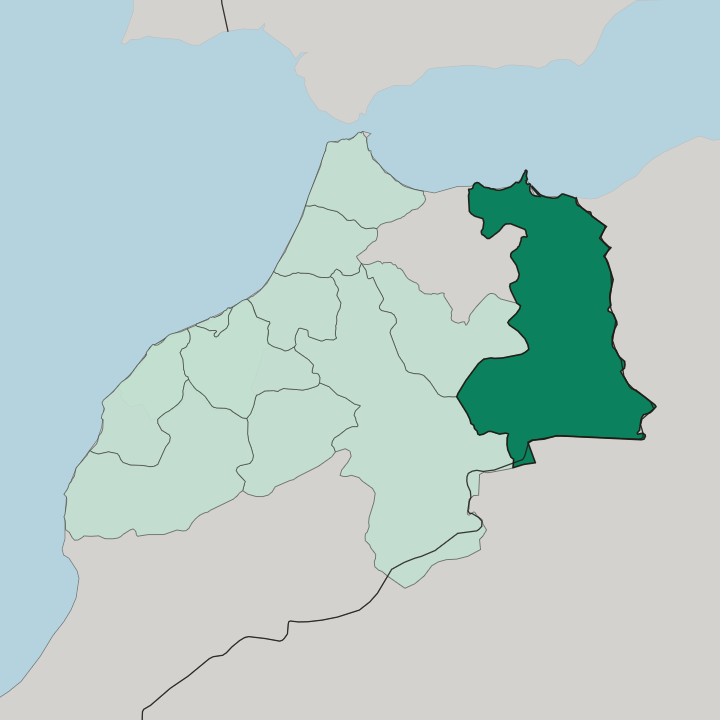
Rabat-Salé-Kénitra fronts the Atlantic Ocean in north-western Morocco. Its coast runs for roughly 120 kilometres between two river mouths. The Bou Regreg comes down from the Middle Atlas and splits the capital from Salé before it reaches the sea, and a tidal estuary pushes the salt water two dozen kilometres inland behind the two cities.
To the north the Sebou, the longest river in the country, empties near Kénitra after crossing the flat Gharb plain. That plain is the region's agricultural heart, a broad lowland of irrigated fields spreading east from the coast toward the interior. Behind it the land climbs.
The Khémisset uplands rise inland toward the Middle Atlas foothills, drier and higher than the wet coastal belt. Rabat stands near the southern end of the shore, Kénitra toward the north, and the string of Atlantic Ocean beaches links them along the edge of the water. Casablanca-Settat borders the region to the south.
The interior provinces of Sidi Kacem and Sidi Slimane carry the farmland eastward from the ocean. Two rivers, one plain, and a working coastline frame the whole of it.
What is Rabat-Salé-Kénitra like?
Rabat carries the manners of a capital. Ministries, embassies and the royal palace set the tone, and the pace is quieter and more measured than the crowds of Casablanca or Marrakesh to the south. The medina and the Kasbah of the Udayas keep the older Morocco close at hand, their lanes running down to the Bou Regreg.
Across the river, Salé is more conservative and more devout, an old walled town that never softened into a resort. Arabic is the working language, alongside French inherited from the protectorate years and Amazigh in the inland country toward Khémisset. Food follows the coast.
Grilled Atlantic Ocean fish comes off the boats at Salé and Kénitra, while the Gharb farmland behind them supplies the citrus, grain and vegetables that fill the markets. The old and the administrative sit side by side. Craft workshops still turn out carpets and leather inside the medina walls, a few streets from the government districts the French laid out.
Two cities face each other across one river, and the region's character lives in that contrast.
What is the history of Rabat-Salé-Kénitra?
Rabat began as a ribat. The Almohad Caliphate raised the fortified camp above the Bou Regreg in the 12th century, and the caliph al-Mansur started a vast mosque here whose unfinished minaret, the Hassan Tower, still stands over the river. Across the water Salé grew into a medieval merchant port, and its estuary later sheltered the 17th-century corsairs known as the Salé Rovers.
France made Rabat its seat in 1912. The city stayed the capital when Morocco won independence in 1956, and the region itself was drawn up only in 2015 from two older provinces.
What is the climate of Rabat-Salé-Kénitra?
The coast is mild. Rabat and Salé share a Mediterranean climate softened by the Atlantic Ocean, with warm dry summers and damp, gentle winters that rarely turn cold. Sea air off the water keeps the capital cooler in July than the Moroccan interior.
Rain falls mostly between autumn and spring, feeding the Sebou and watering the Gharb plain behind Kénitra. Inland toward Khémisset the ocean's reach fades, so summers grow hotter and the winters turn sharper well away from the shore.
How do you get to Rabat-Salé-Kénitra?
Most arrivals fly into Rabat-Salé airport, set just outside the capital across the Bou Regreg. Many travellers instead land at Casablanca to the south and ride the train north up the coast, a fast and frequent line that runs through Rabat, Salé and on to Kénitra. Rail is the easy way in.
Trains link the region to Casablanca, Fès and Tangier, and a tram crosses the Bou Regreg between Rabat and Salé once you arrive. The Atlantic Ocean and the two river mouths make the coast the natural spine that everything follows.
Common questions
What is the best area to stay in Rabat-Salé-Kénitra?
Rabat: the capital's monuments and medina. Salé: the historic port across the river. Témara: beaches south of the capital. Kénitra: the working port in the north.
Good for
More regions in Morocco
Updated October 2026