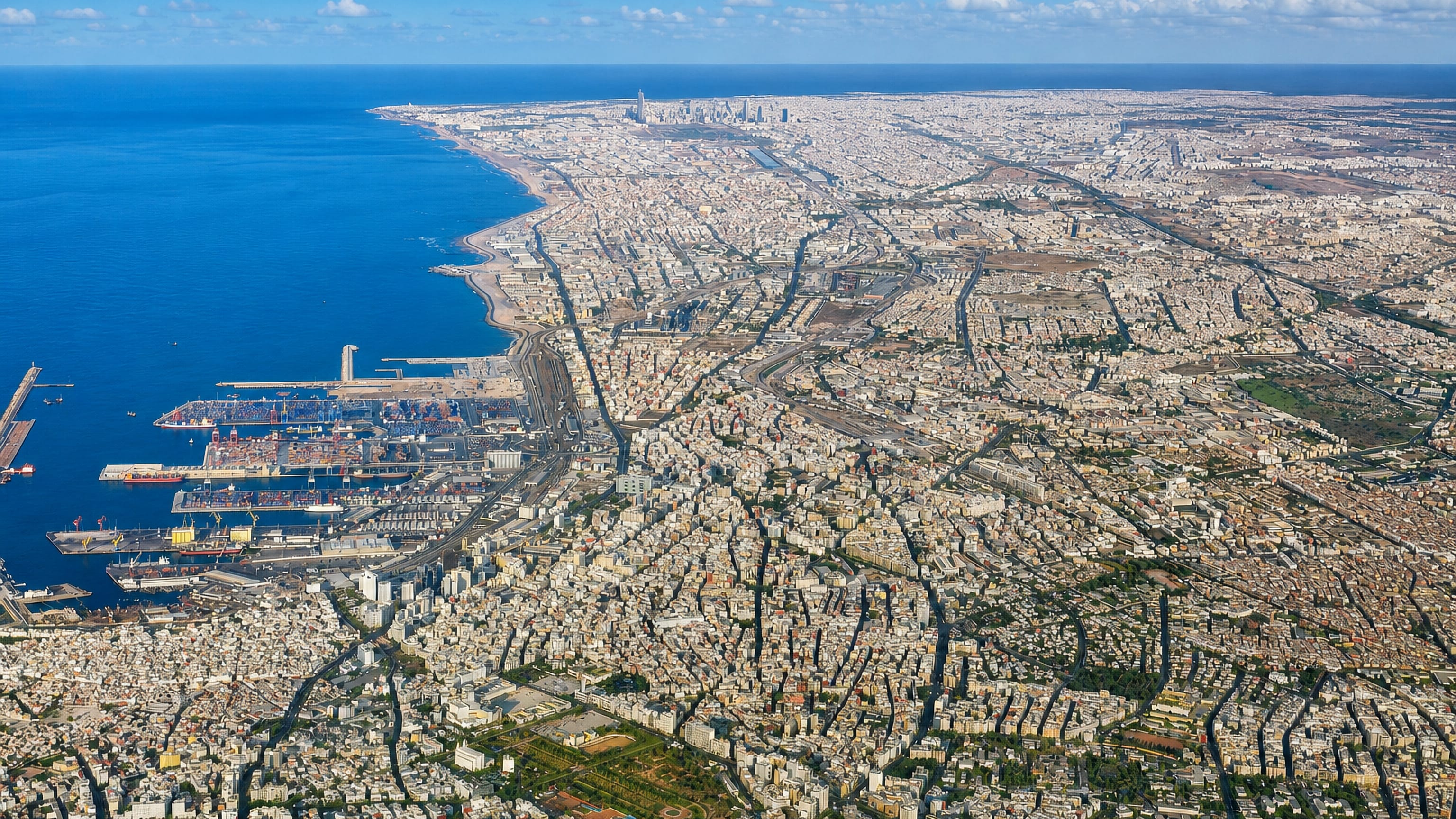
Morocco: Regions, Cities & Travel Guide
Atlantic surf and Saharan dunes edge Morocco, a kingdom of North Africa, known for its medinas and the High Atlas mountains.
Hotel links are affiliate links: booking through them may earn us a commission, at no extra cost to you. It never affects how places are ranked. How this works


Top destinations in Morocco
Cities to start from, then drill into areas and hotels.
 Morocco
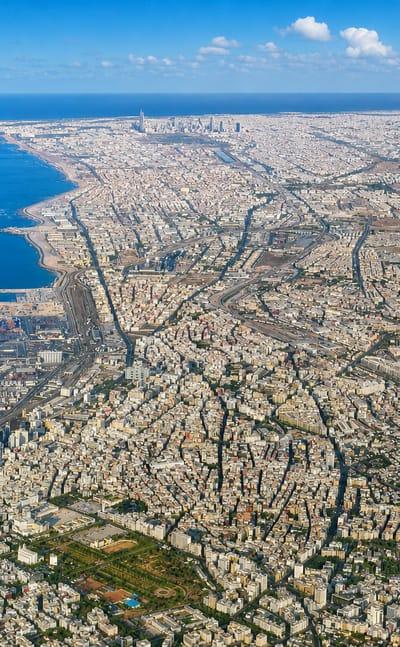
Casablanca
Salt air and Atlantic surf line the shore at Casablanca, the largest city of Morocco and its economic centre, known for the Hassan II Mosque.Where to stay →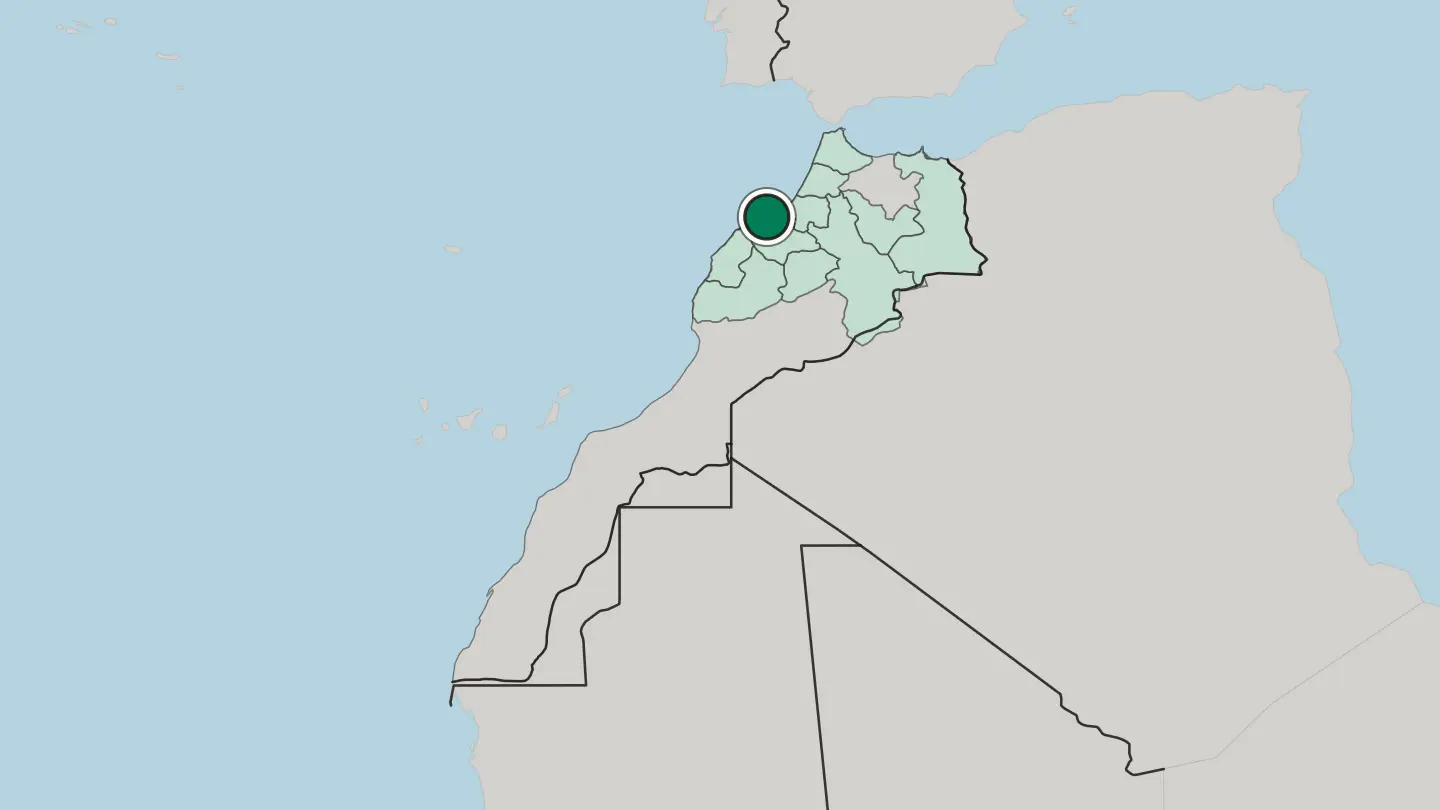
 Morocco
Marrakesh
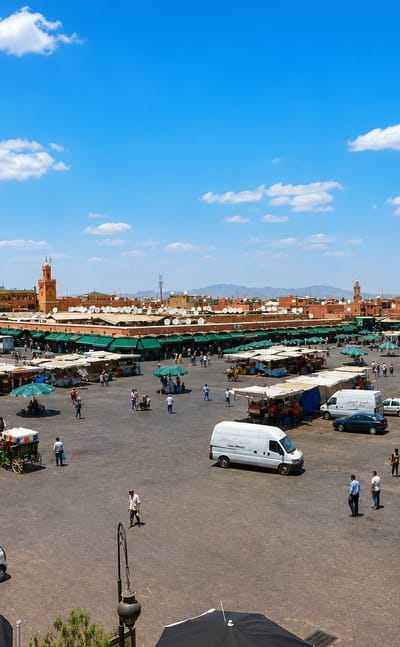
Marrakesh is an imperial city in Marrakesh-Safi, Morocco, set west of the Atlas Mountains and known for the Bahia Palace.Where to stay →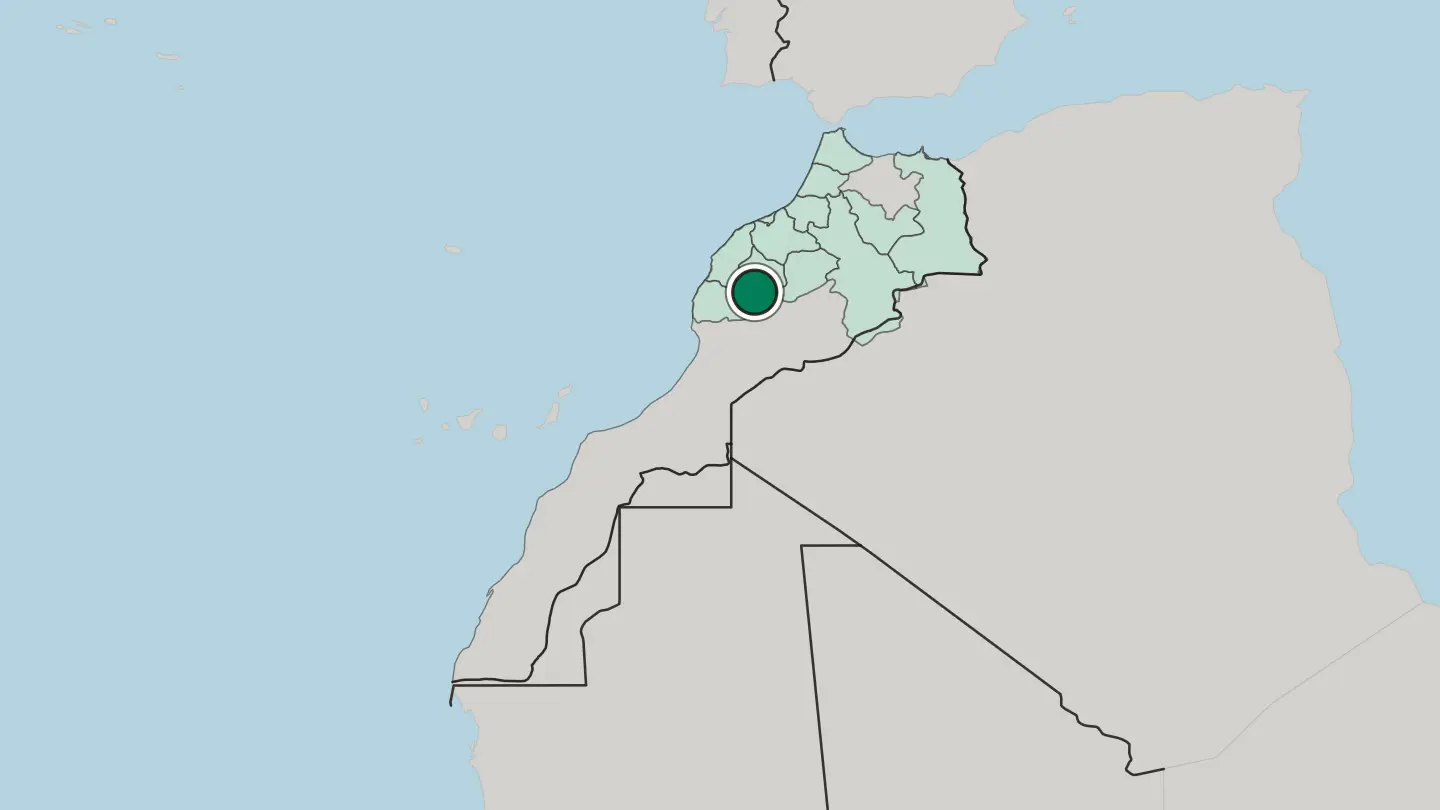
 Morocco
Tangier
Tangier is a Moroccan port with coastline on both the Mediterranean Sea and the Atlantic Ocean, and the capital of the Tangier-Tetouan-Al Hoceima region.Where to stay →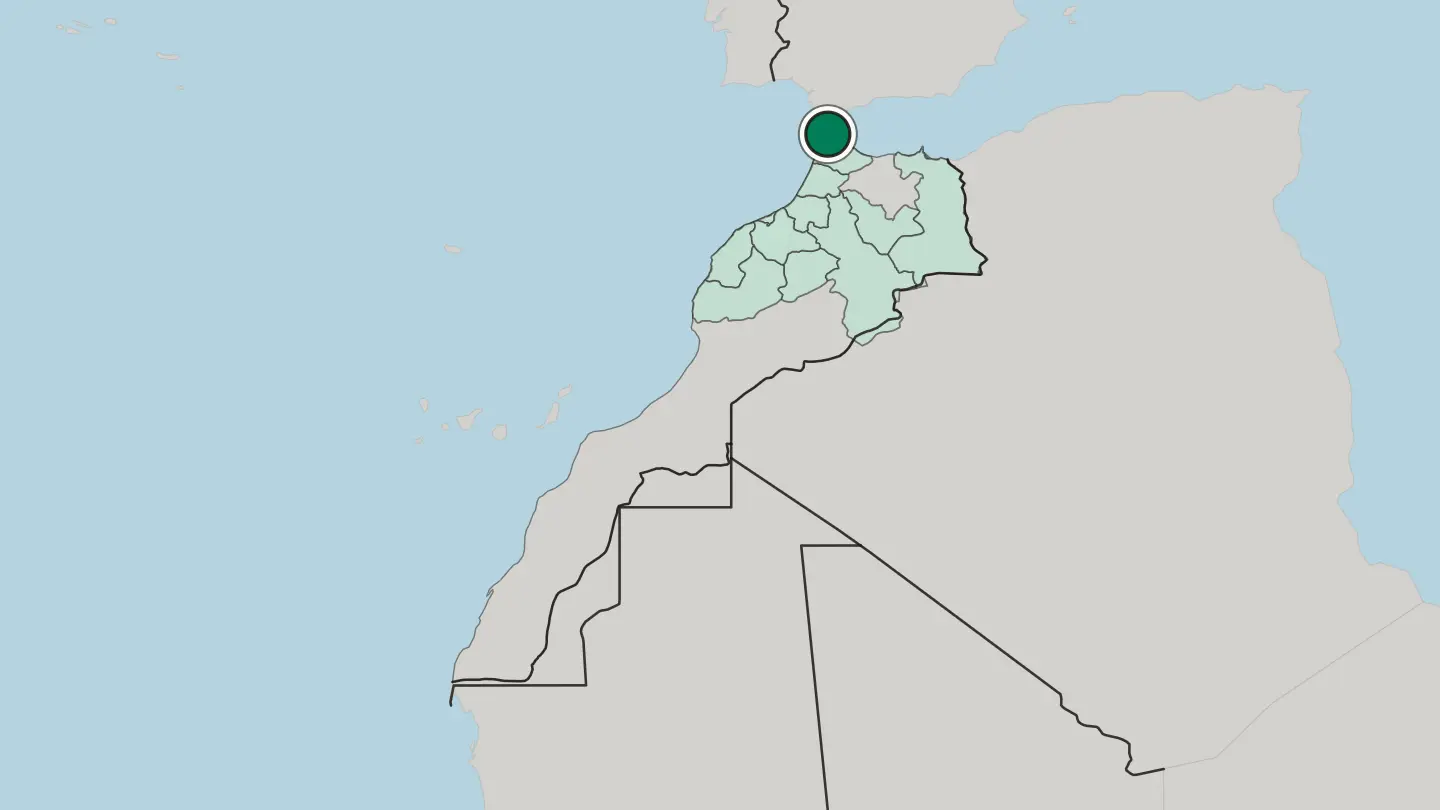
 Morocco
Rabat
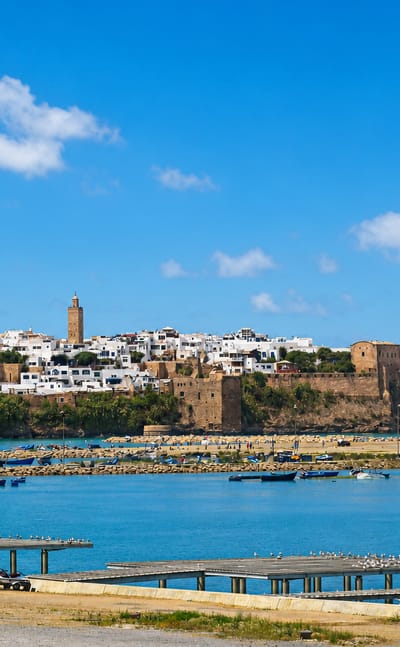
Rabat is a coastal capital city in Rabat-Salé-Kénitra, Morocco, known for the walled Chellah and the museums of its old quarters.Where to stay →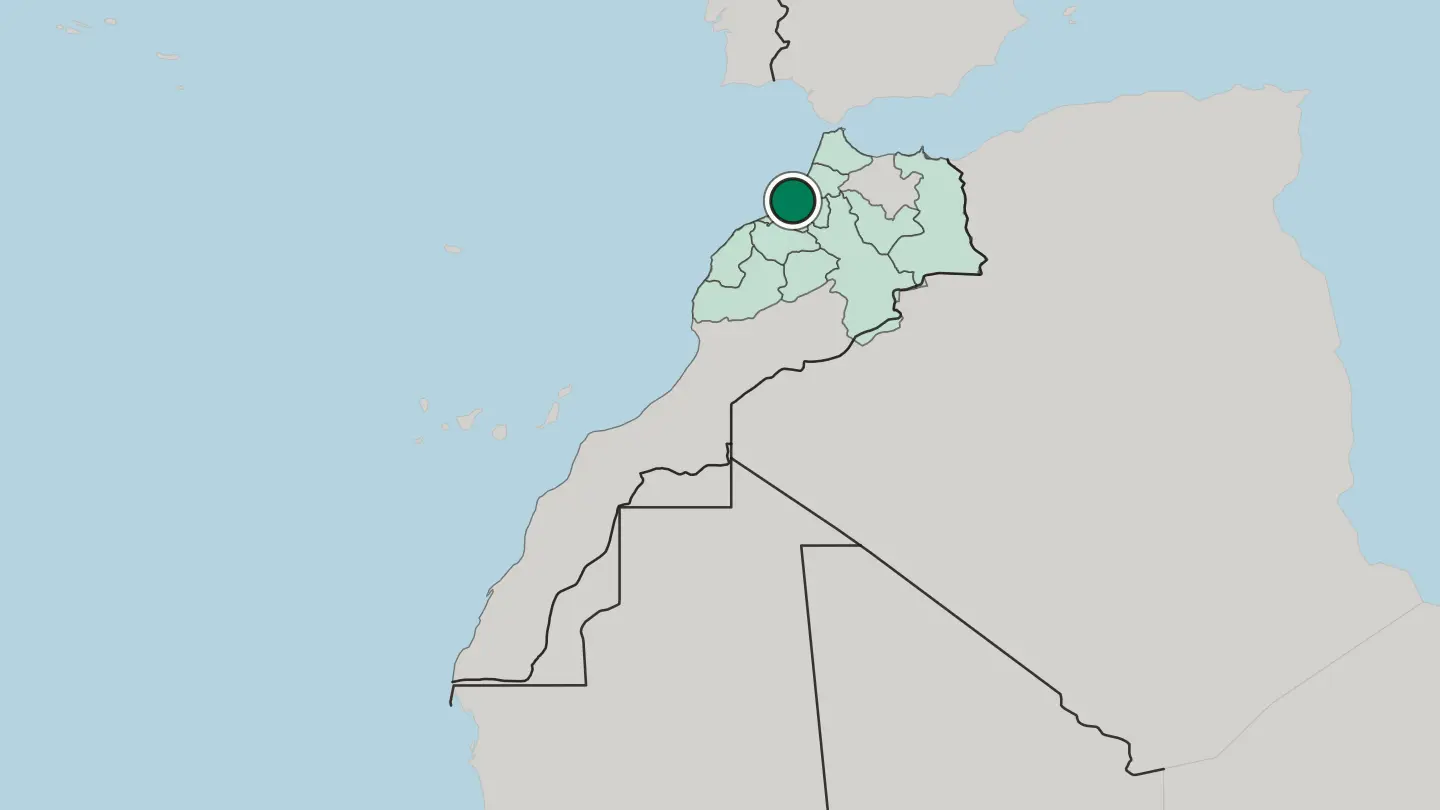
 Morocco
Fes
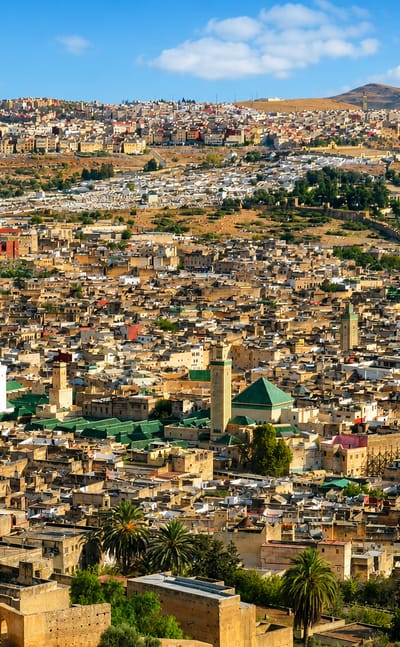
Fes is a walled inland city in Fès-Meknès, Morocco, ringed by hills on the Fez River and known for Dar Batha.Where to stay →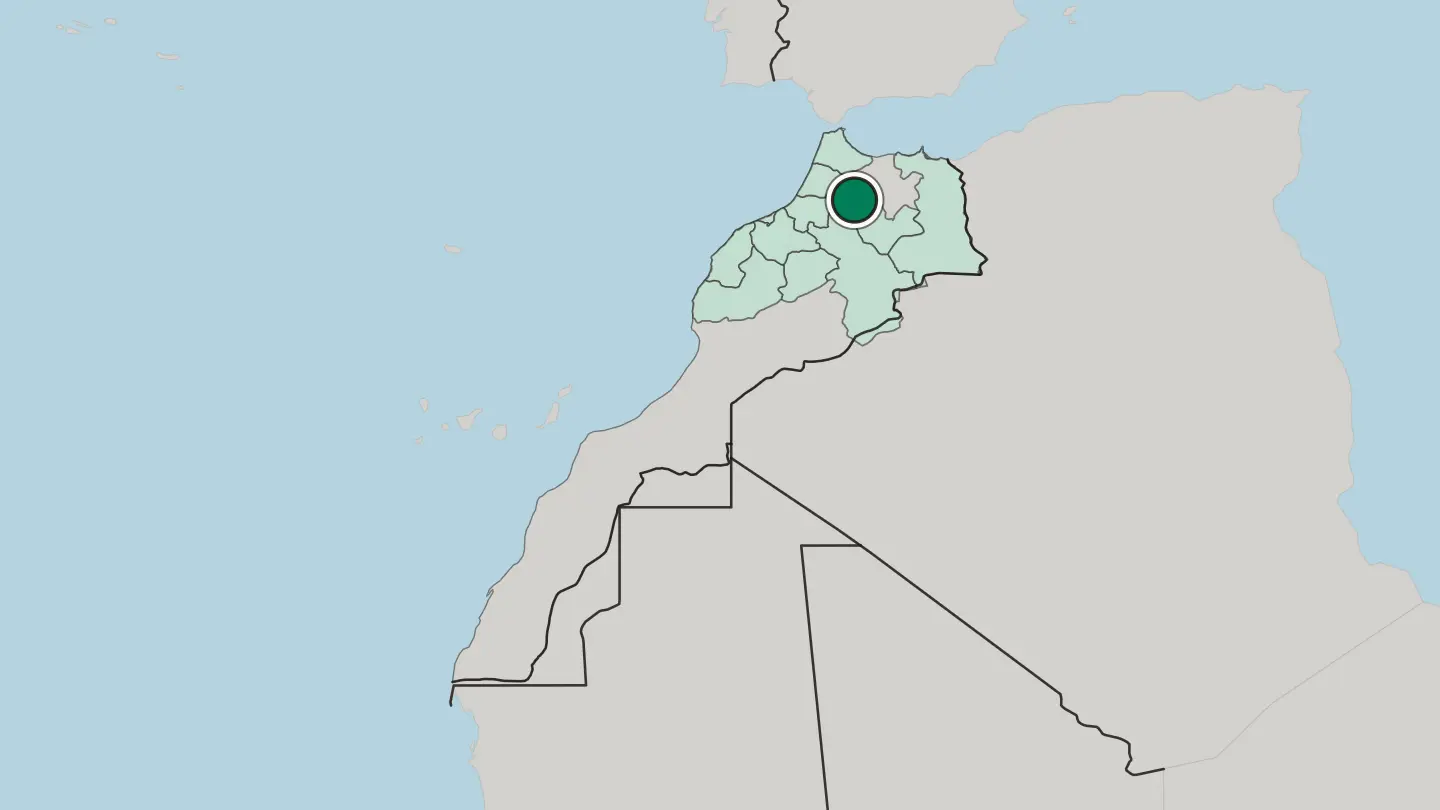
 Morocco
Agadir
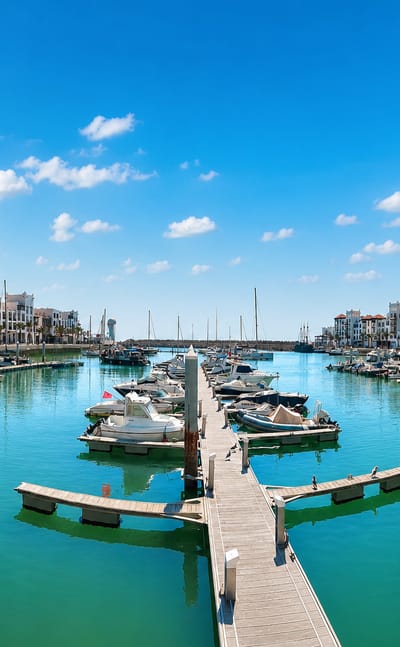
Atlantic light fills the bay at Agadir, capital of Souss-Massa, Morocco, a rebuilt resort city below the Atlas Mountains by the Souss River.Where to stay →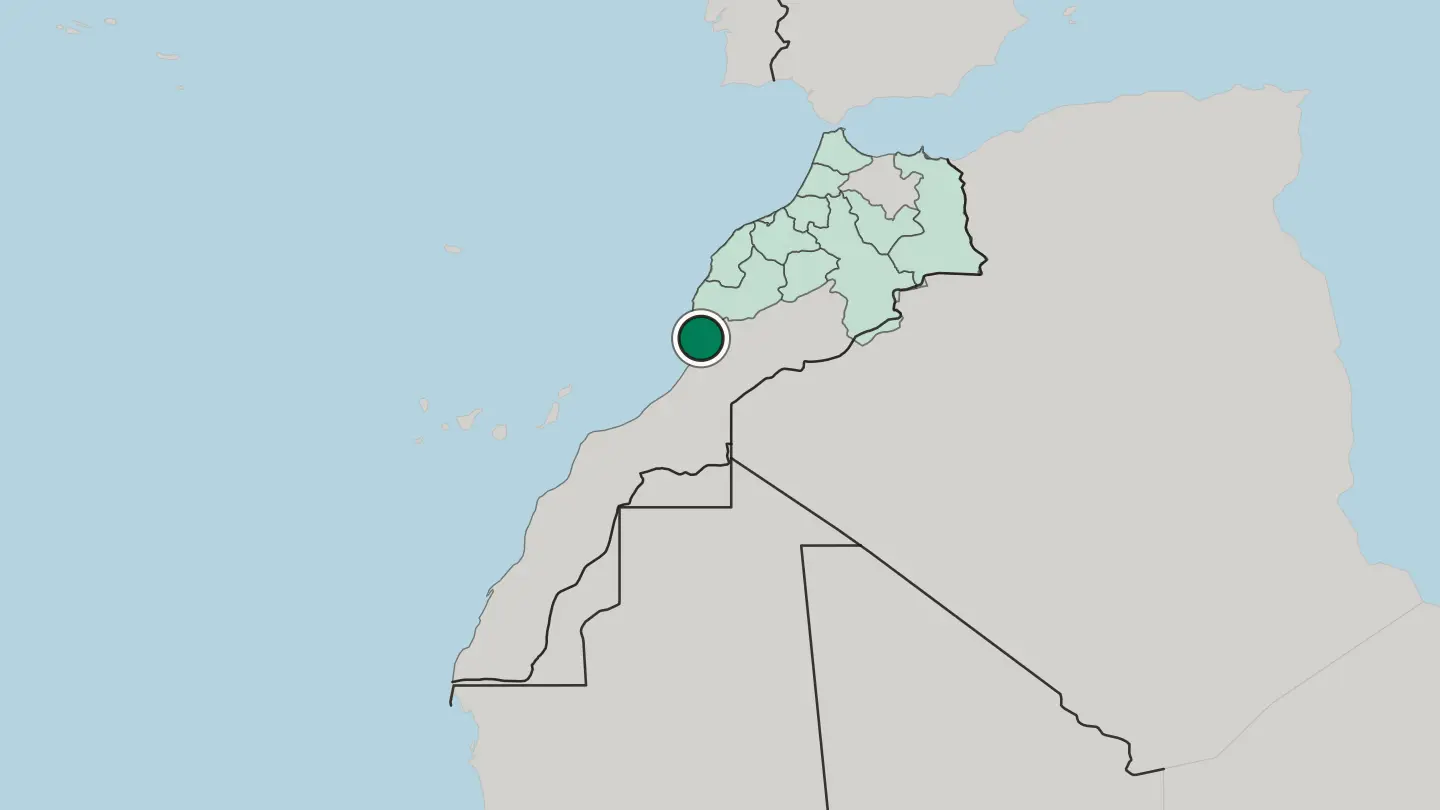
 Morocco
Essaouira
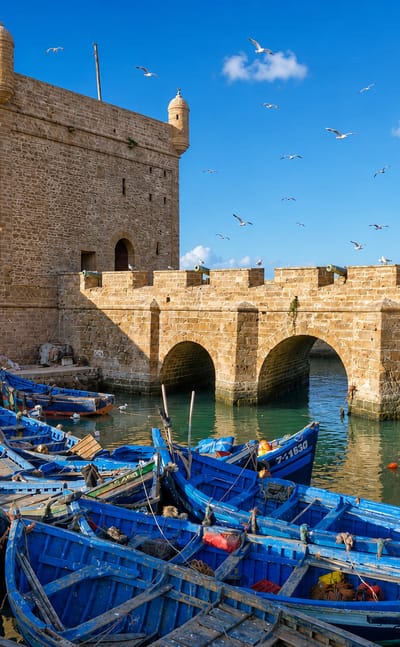
Sea wind scours the ramparts at Essaouira, a walled Atlantic port in Marrakesh-Safi, Morocco, known for its UNESCO medina, once called Mogador.Where to stay →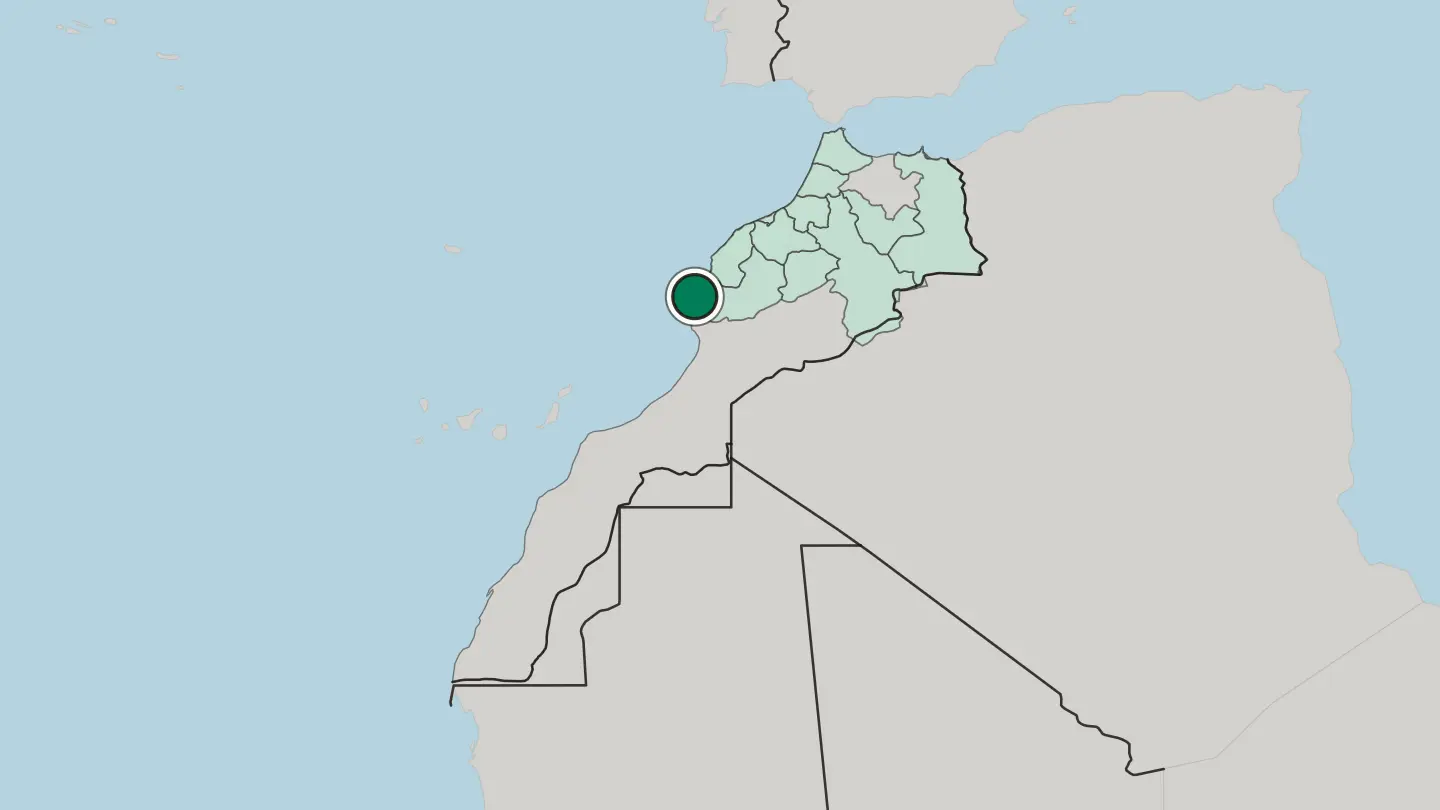
 Morocco
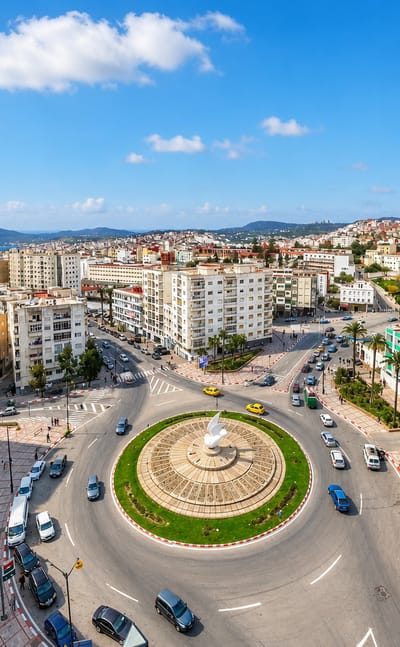
Tétouan
White walls rise above the Martil Valley at Tétouan, a Mediterranean port in Tanger-Tetouan-Al Hoceima, Morocco, known for its UNESCO medina.Where to stay →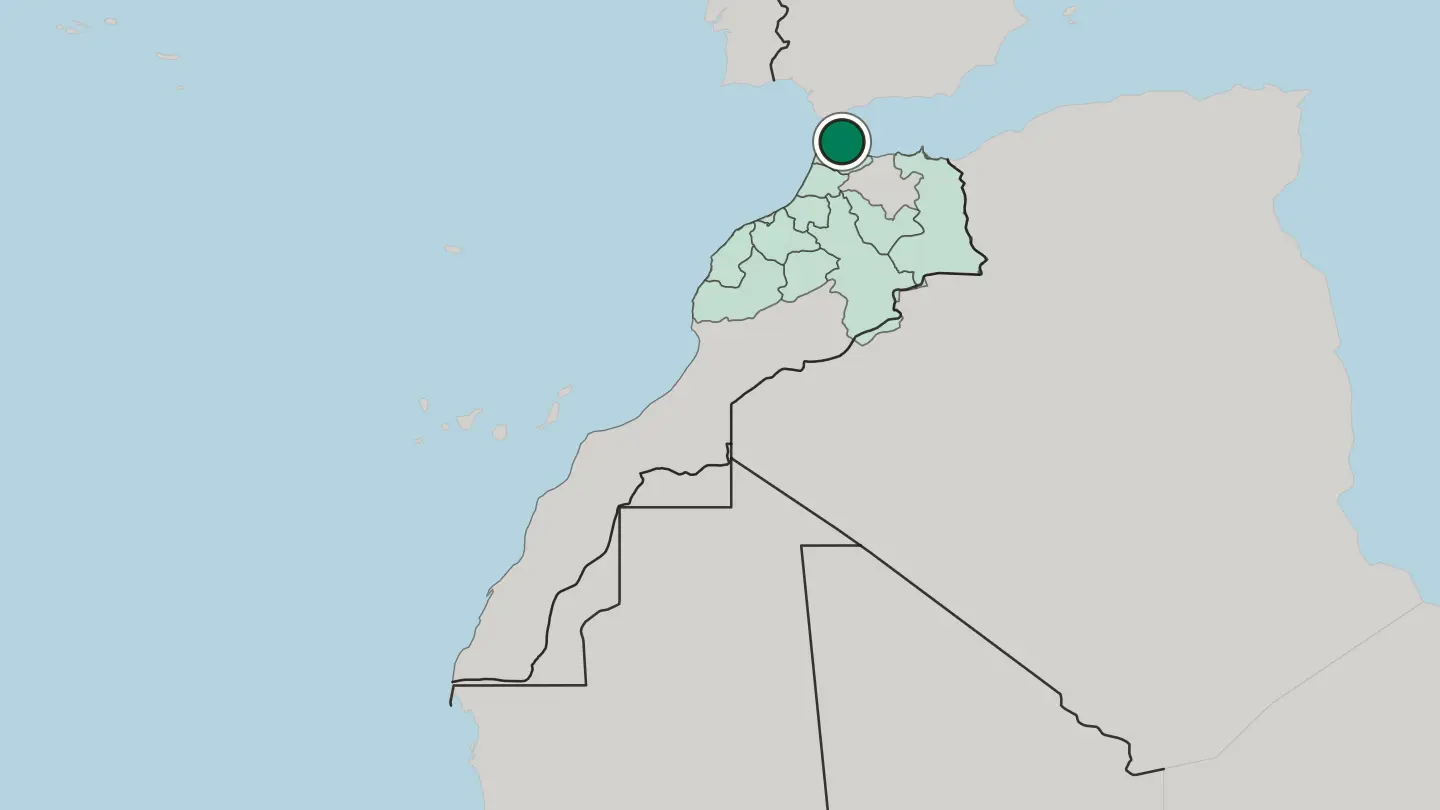
 Morocco
Meknes
Meknes is one of the four imperial cities of Morocco, a walled town of grand gates and palaces raised by Sultan Moulay Ismail behind the great Bab Mansour.Where to stay →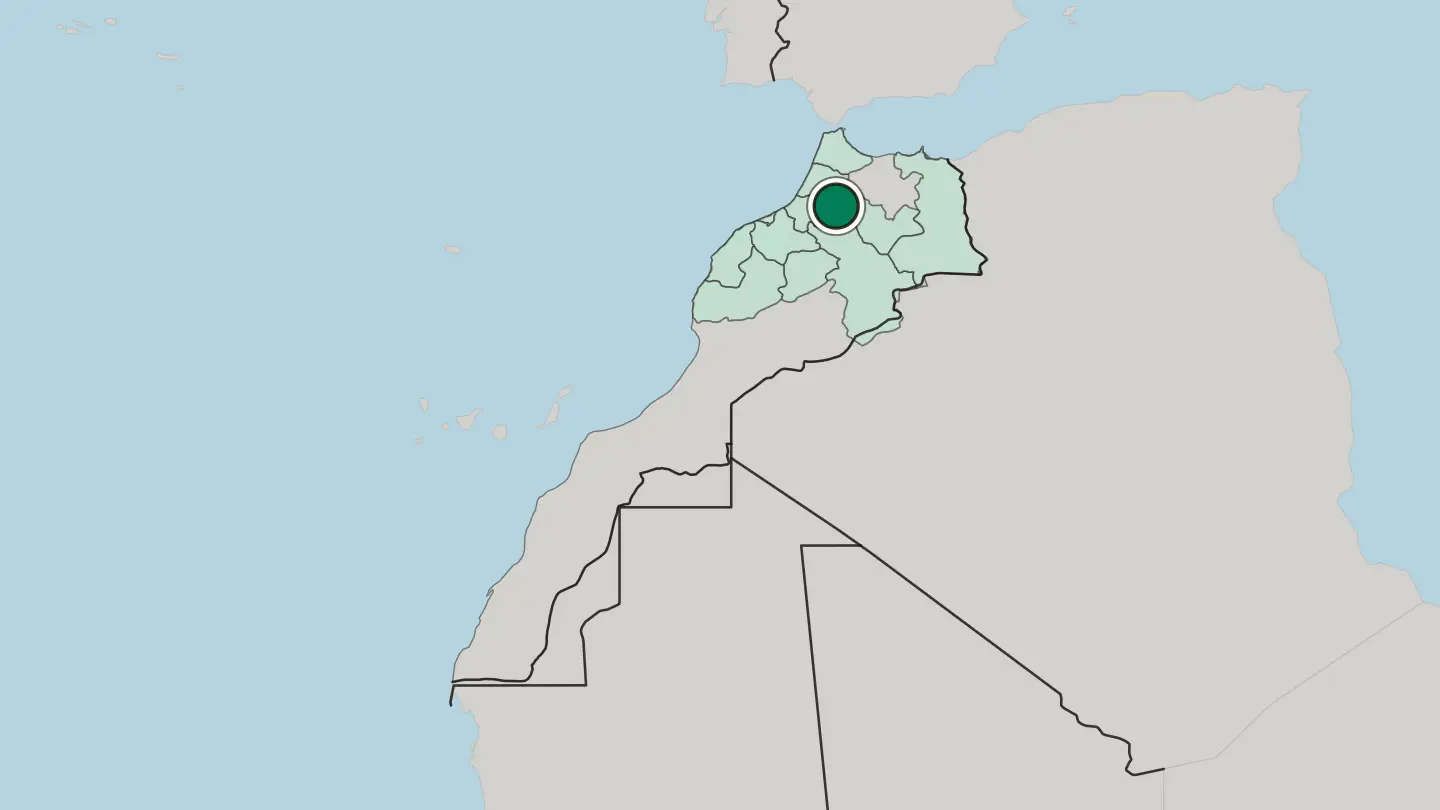
Hotel links are affiliate links: booking through them may earn us a commission, at no extra cost to you. It never affects how places are ranked. How this works
Regions of Morocco
 Morocco
Béni Mellal-Khénifra
Béni Mellal-Khénifra is Morocco's mountain-and-plain interior, where the Tadla plain meets the Middle and High Atlas.Towns & cities →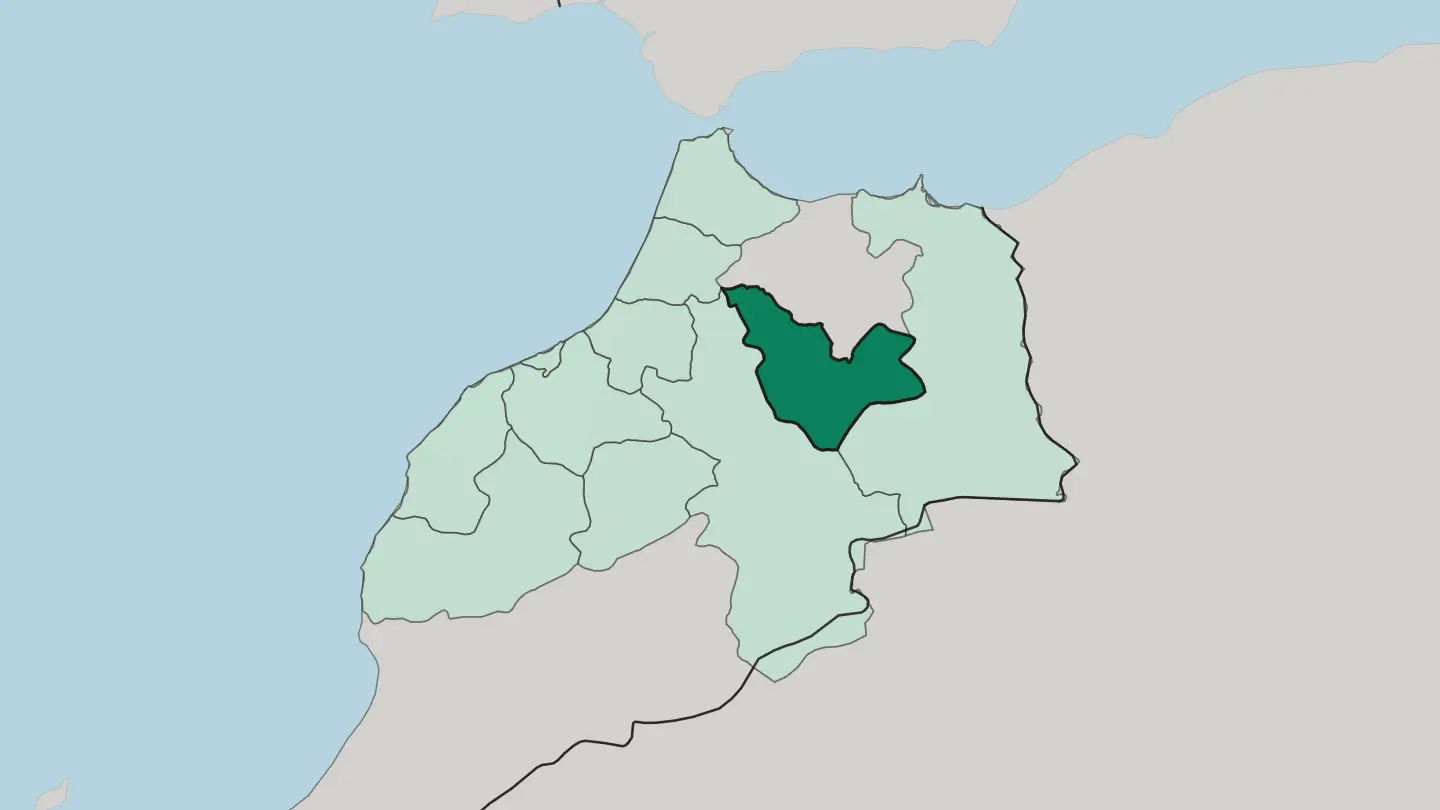 Morocco
Casablanca-Settat
Casablanca-Settat is one of the twelve administrative regions of Morocco, named after its capital, Casablanca, and after Settat.Towns & cities →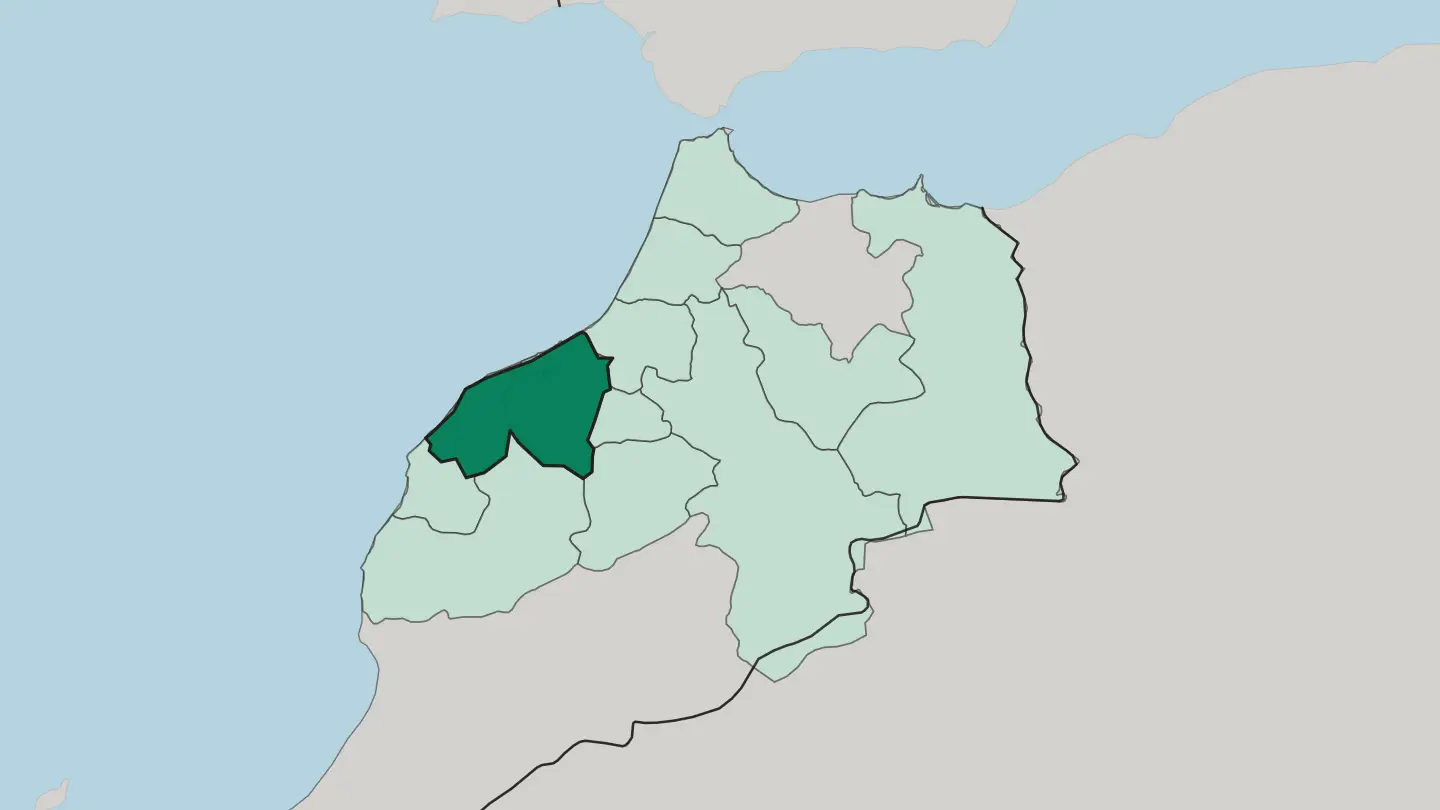 Morocco
Dakhla-Oued Ed-Dahab
Dakhla-Oued Ed-Dahab is Morocco's southernmost region, a thread of Atlantic desert coast wrapped around a shallow lagoon at Dakhla.Towns & cities →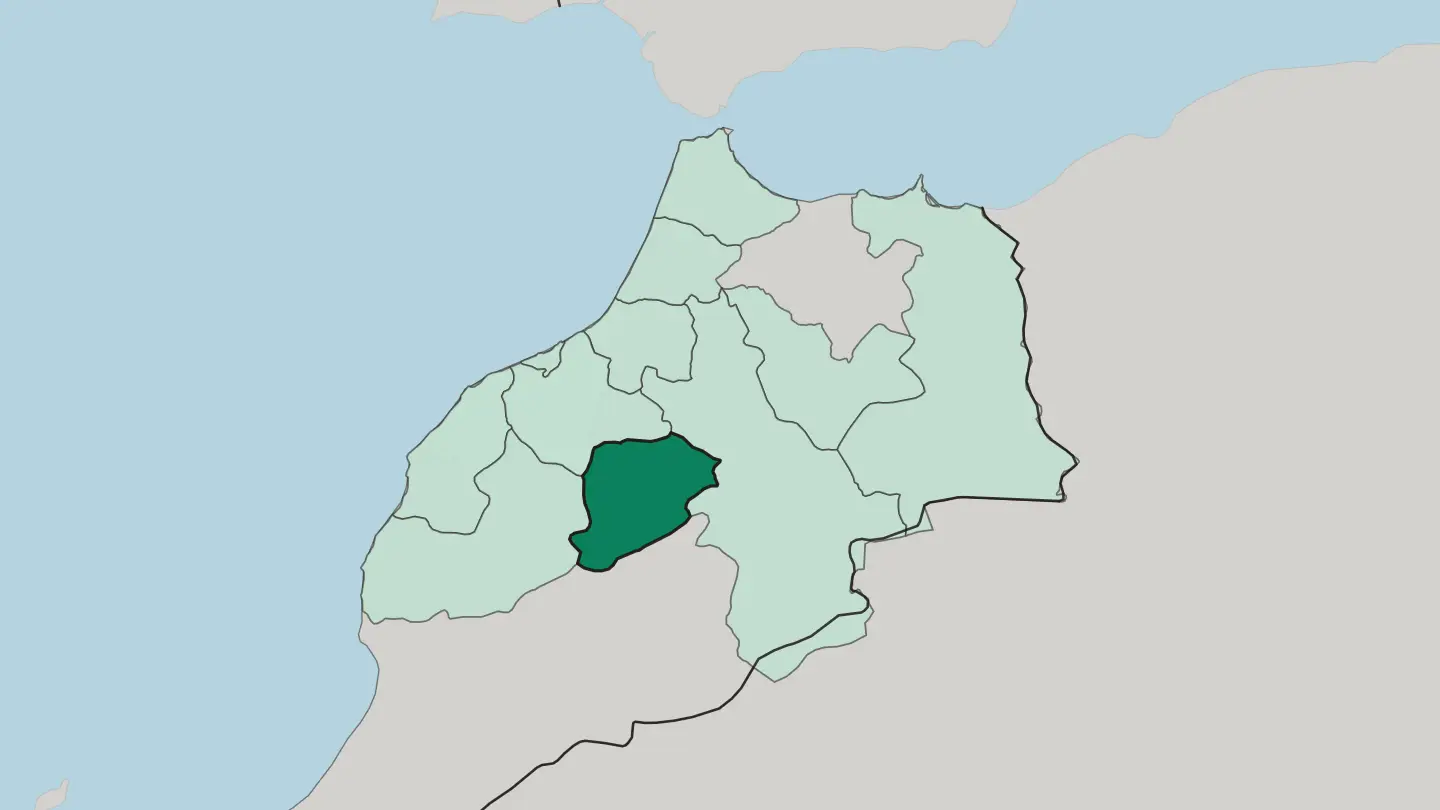
 Morocco
Drâa-Tafilalet
Drâa-Tafilalet is Morocco's desert region, where the High Atlas drops toward the Sahara through date-palm oases.Towns & cities → Morocco
Fès-Meknès
Fès-Meknès holds two of Morocco's imperial cities on the Saïss plain, between the Rif and the Middle Atlas.Towns & cities →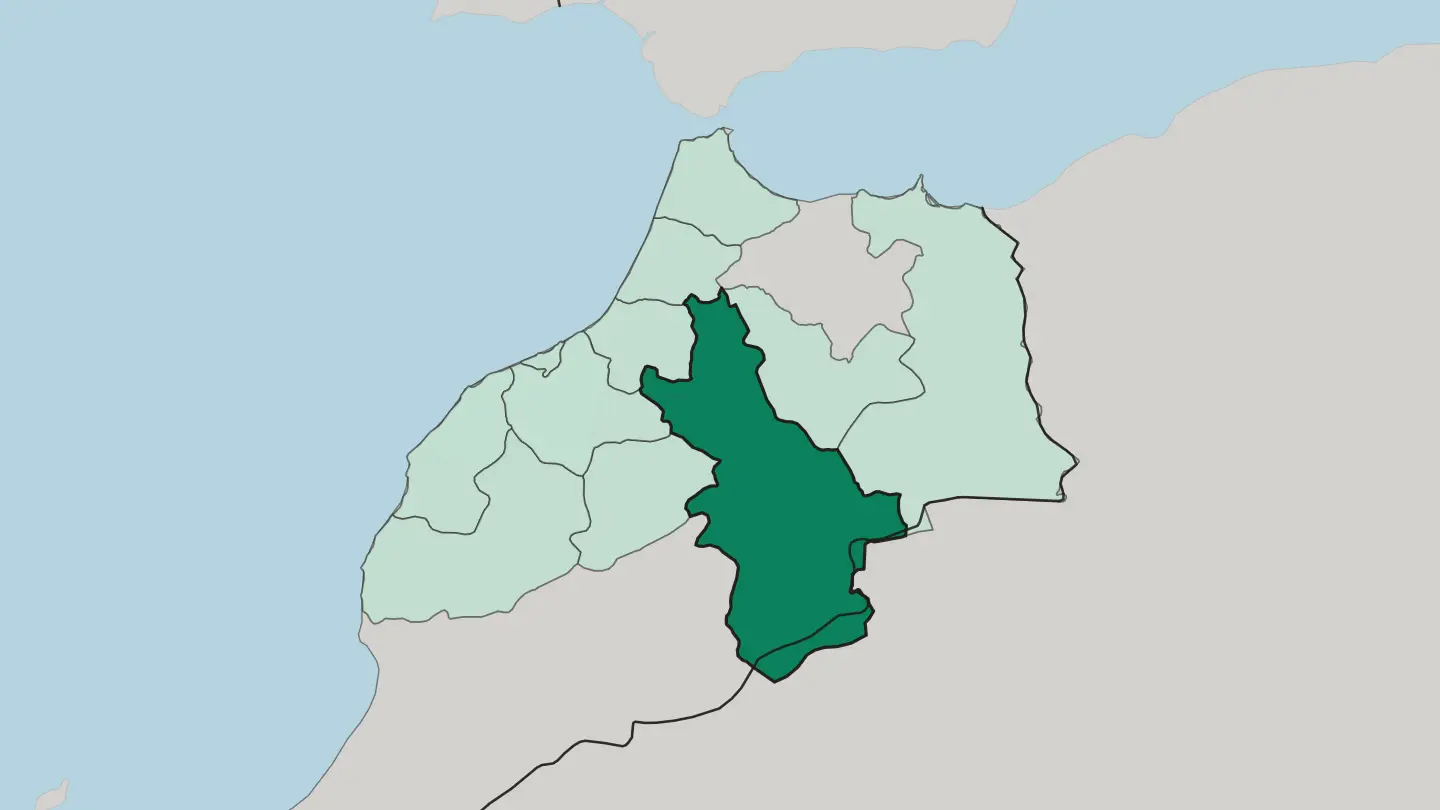 Morocco
Guelmim-Oued Noun
Guelmim-Oued Noun is Morocco's Saharan threshold, where the Anti-Atlas breaks toward the desert and a red-clay caravan town keeps its camel market.Towns & cities →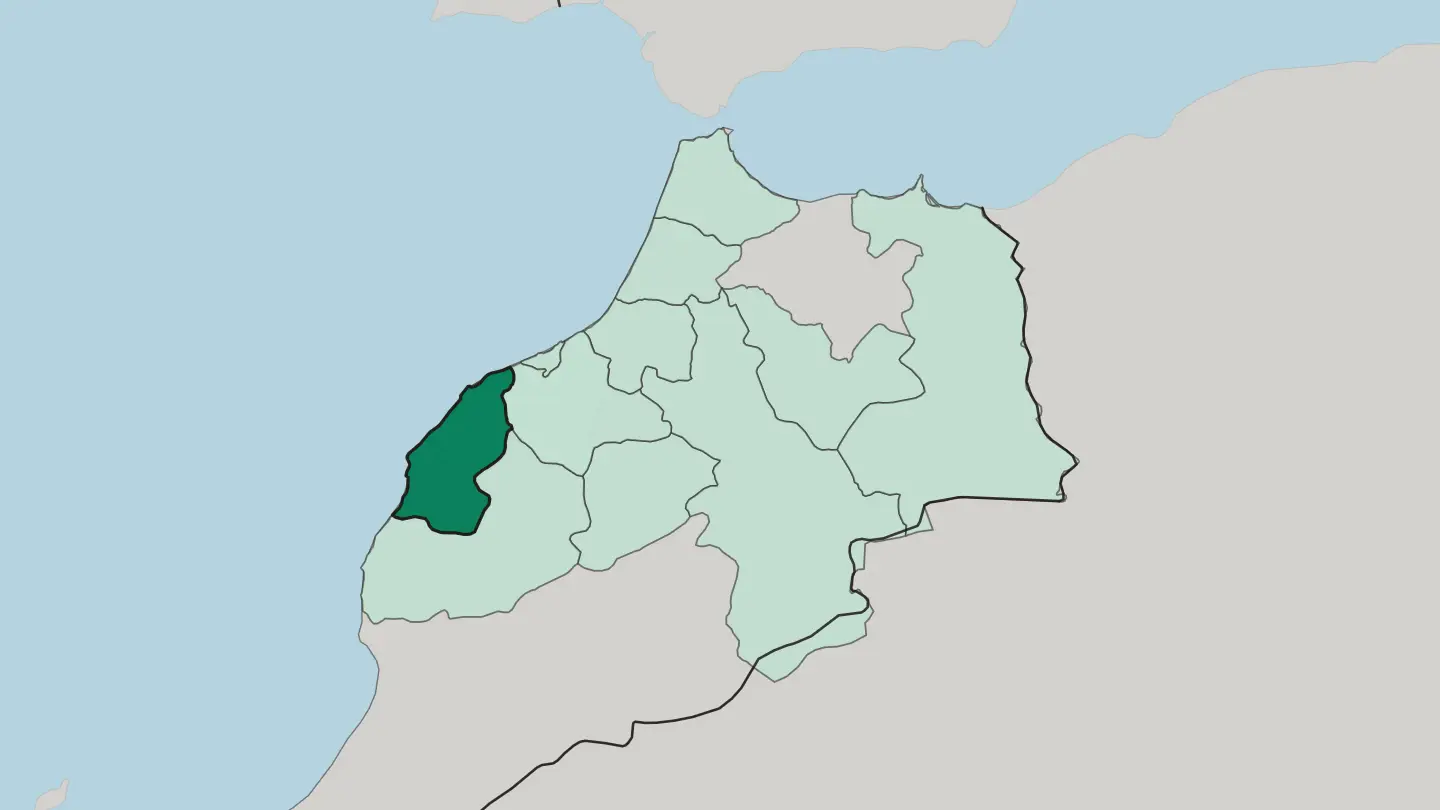 Morocco
Laâyoune-Sakia El Hamra
Laâyoune-Sakia El Hamra is Morocco's Atlantic-facing desert south, built around the Saguia el-Hamra wadi and the city of Laâyoune.Towns & cities →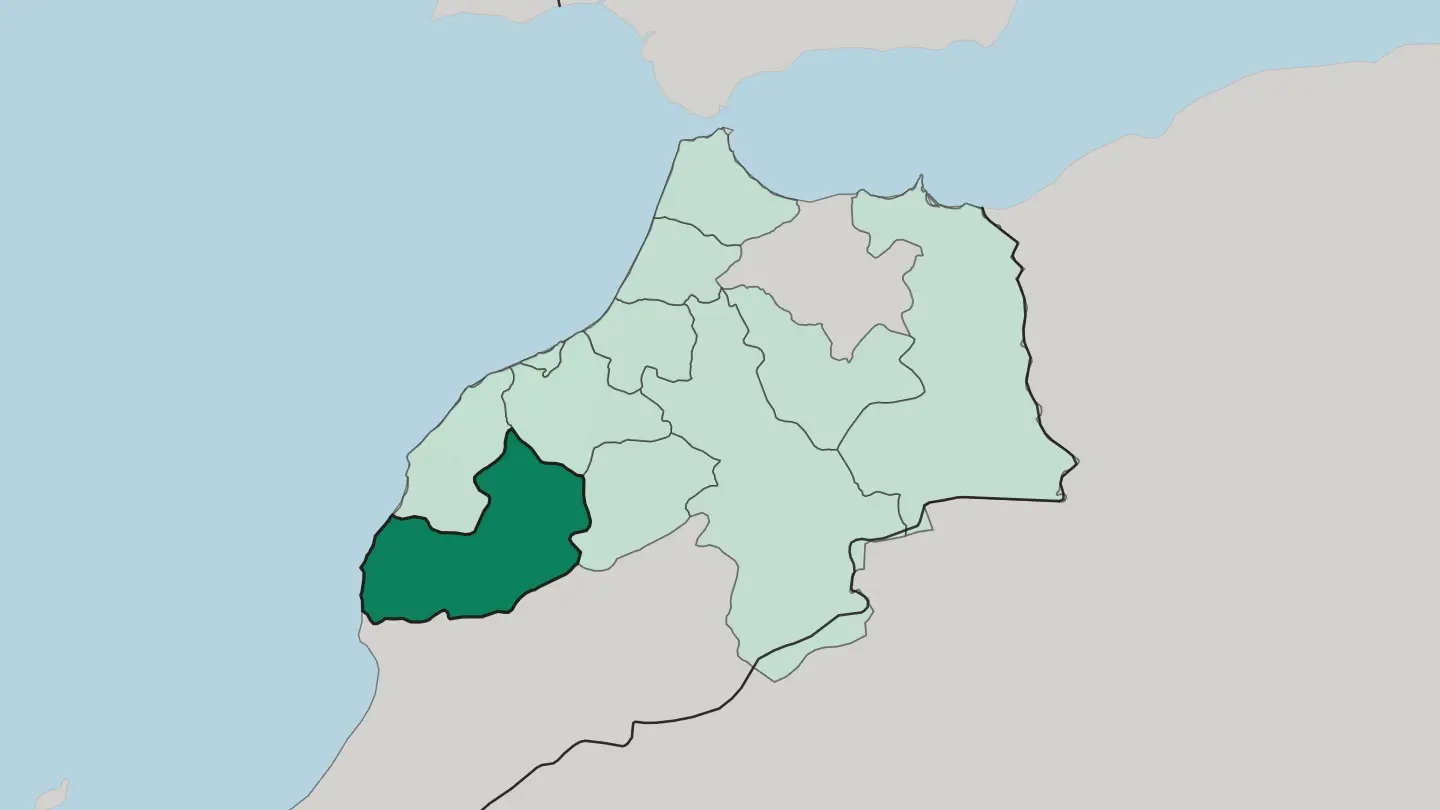 Morocco
Marrakesh-Safi
Marrakesh-Safi runs from the red walls of Marrakech across the Haouz plain to the Atlantic ramparts of Essaouira and Safi.Towns & cities →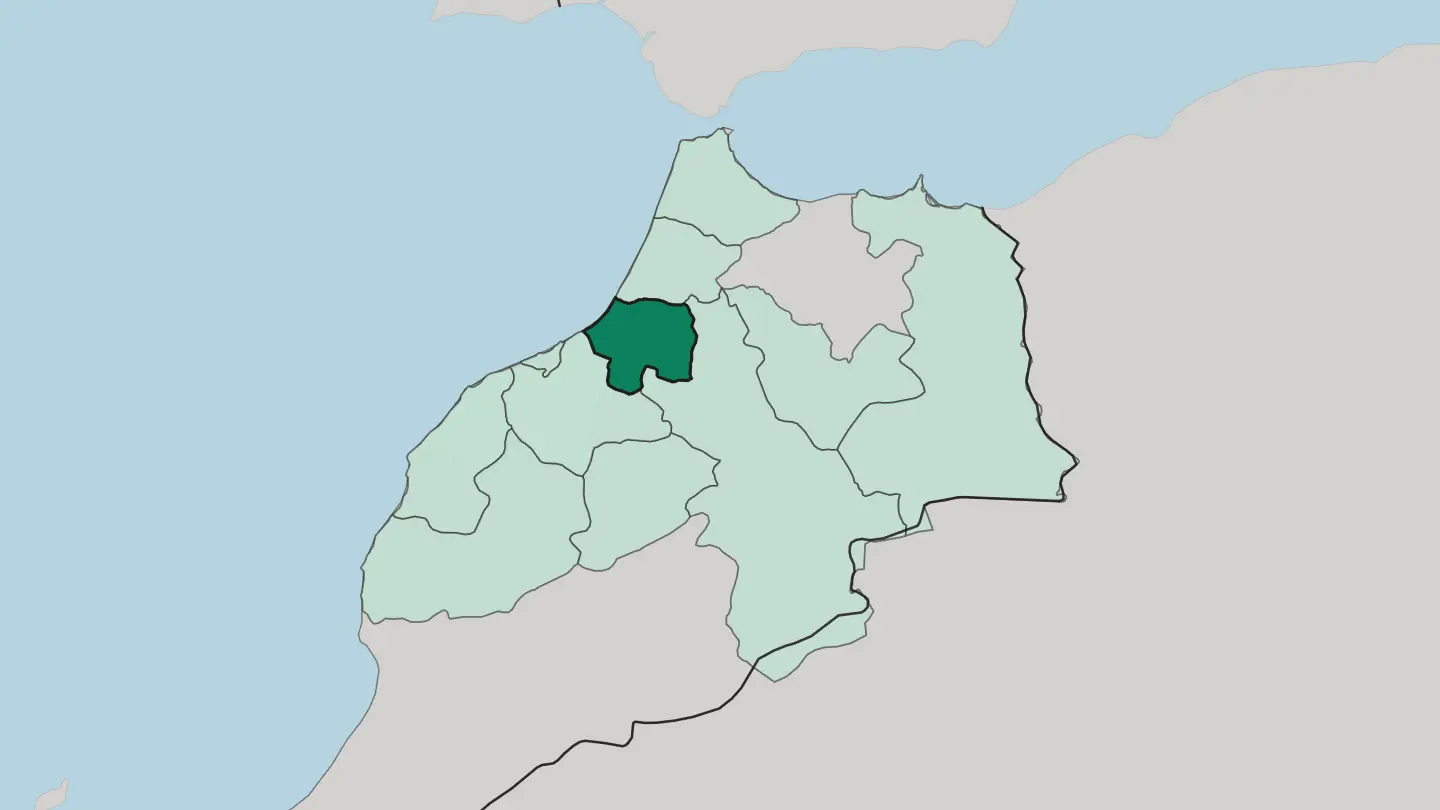
 Morocco
Oriental
Oriental is Morocco's north-eastern corner, running from the Mediterranean at Saïdia to the Sahara oasis of Figuig.Towns & cities →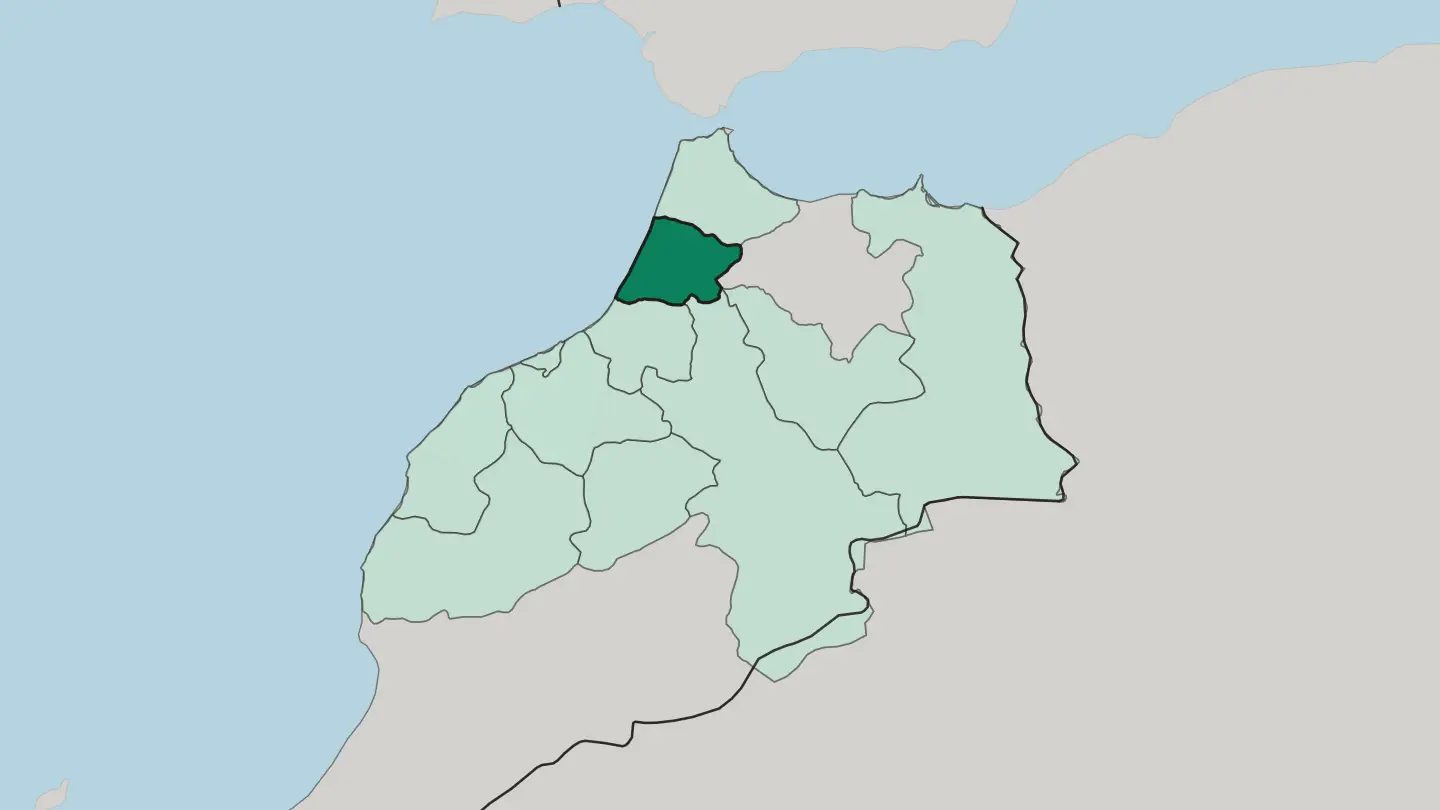 Morocco
Rabat-Salé-Kénitra
Rabat-Salé-Kénitra is the Atlantic-coast region of north-western Morocco built around the capital, Rabat, at the mouth of the Bou Regreg.Towns & cities →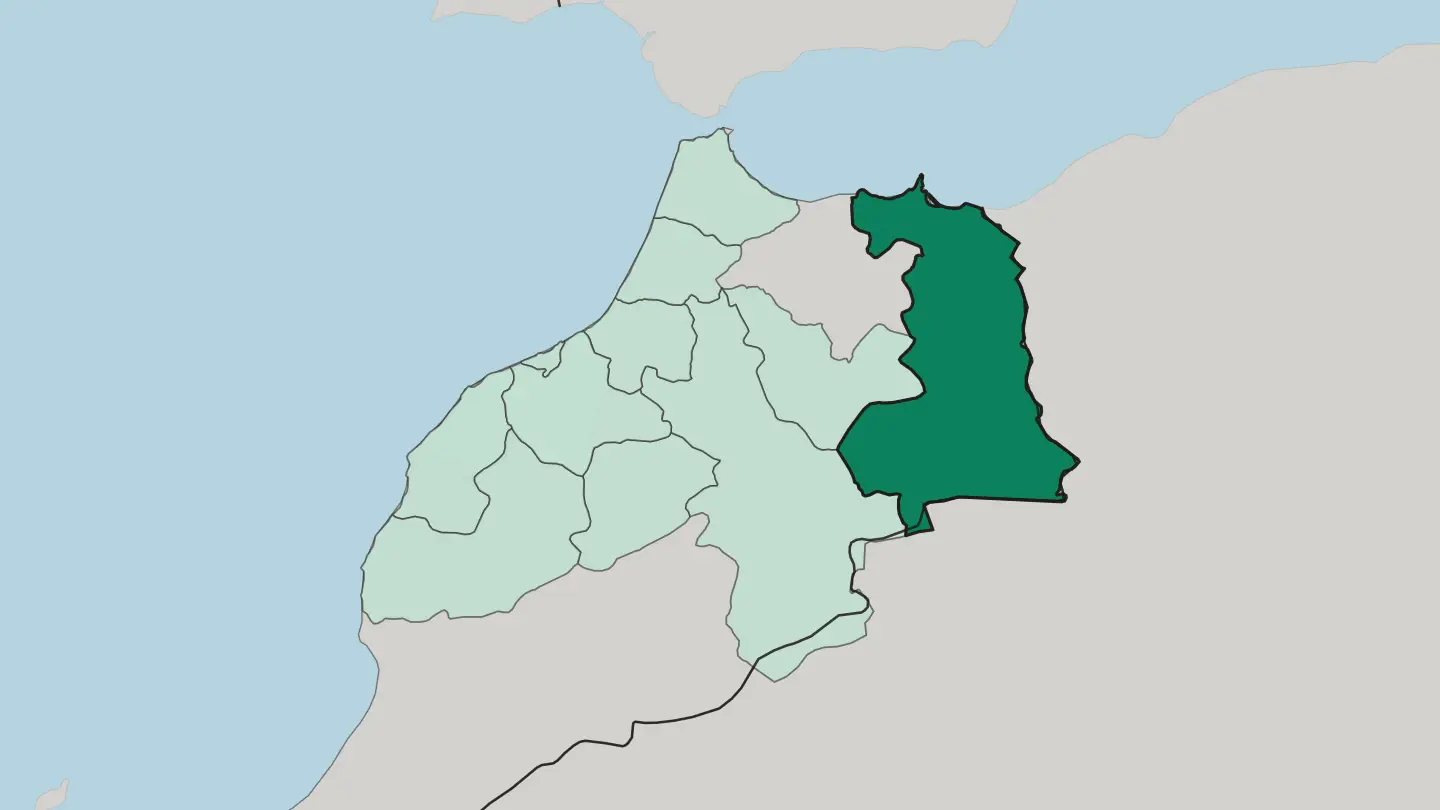 Morocco
Souss-Massa
Souss-Massa is Morocco's Atlantic southwest, where the Souss valley opens between the High Atlas and Anti-Atlas onto Agadir's beaches.Towns & cities →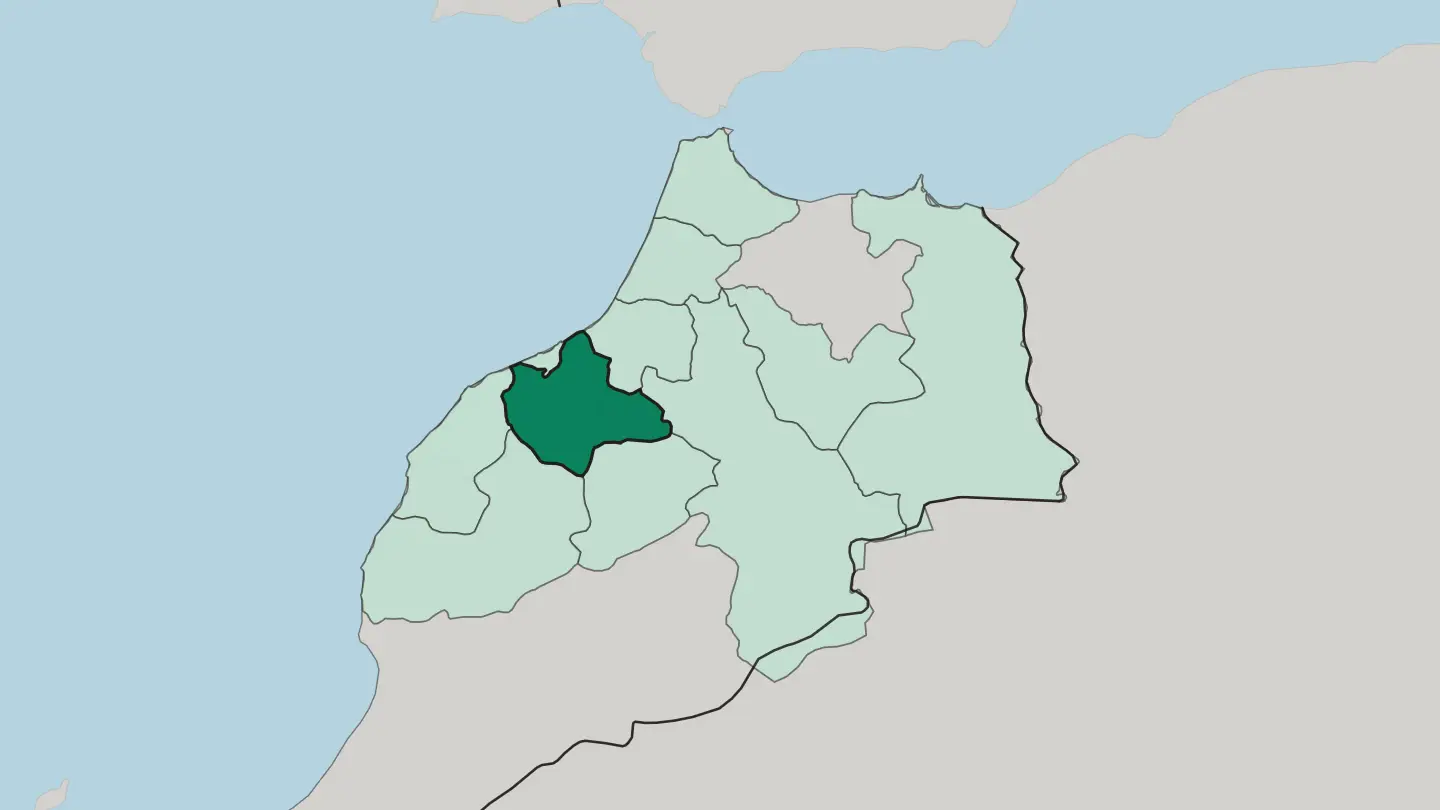 Morocco
Tanger-Tetouan-Al Hoceima
Tanger-Tetouan-Al Hoceima is Morocco's northern tip, where the Rif meets the Strait of Gibraltar and Tangier guards two seas at once.Towns & cities →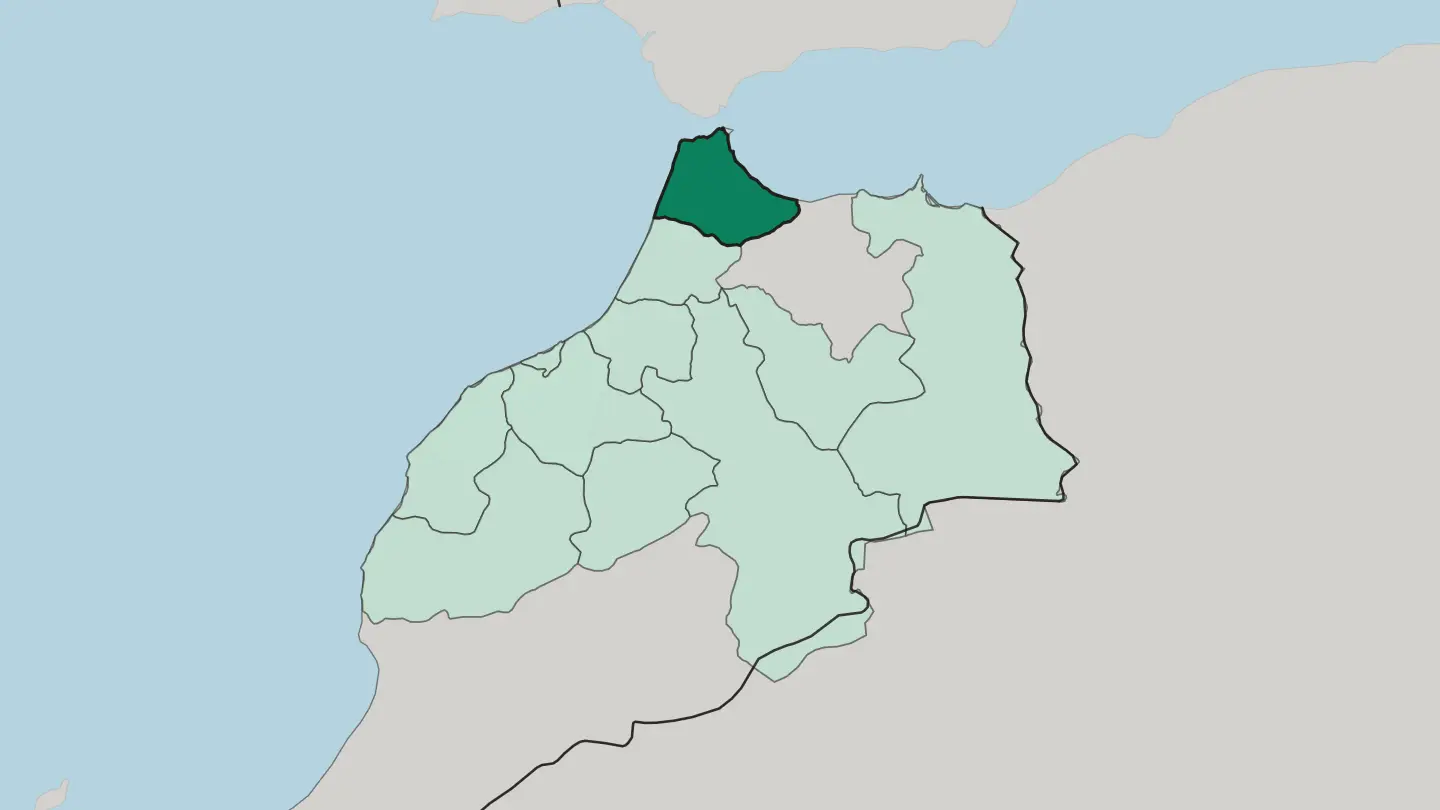
Explore by experience
Not sure which place? Start from how you want to travel.
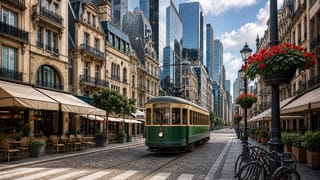
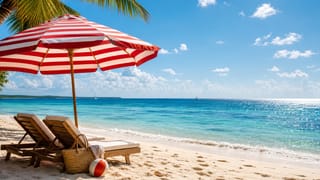
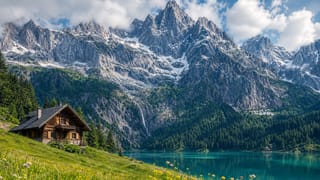
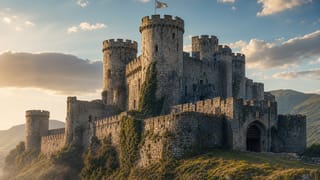
About Morocco
What is Morocco known for?
Morocco is known as a kingdom of North Africa, spread between the Atlantic Ocean and the Sahara. Its cities draw the eye. The old medinas, souqs, and spice markets fill its cities, from the capital at Rabat to Casablanca on the coast, while the High Atlas rises inland toward snow-covered peaks above the dunes of the Sahara.
Where is Morocco?
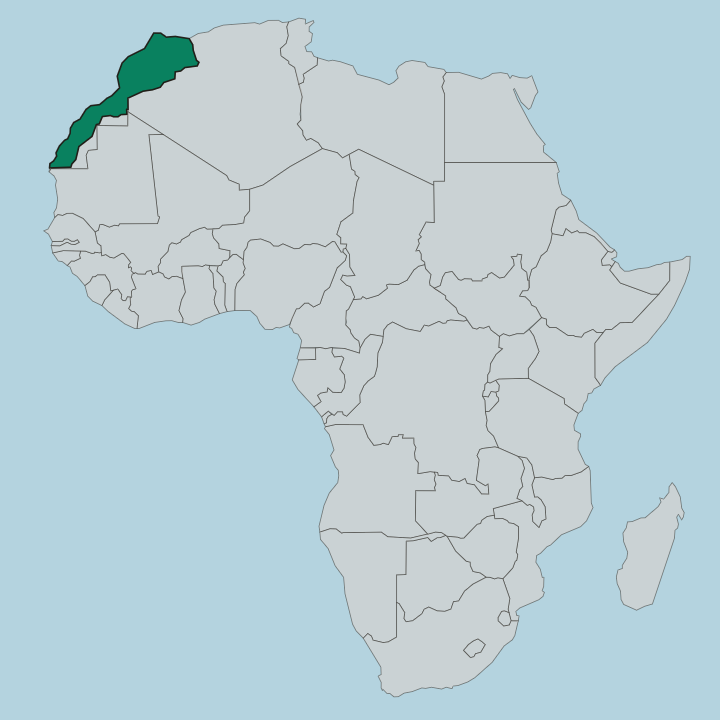
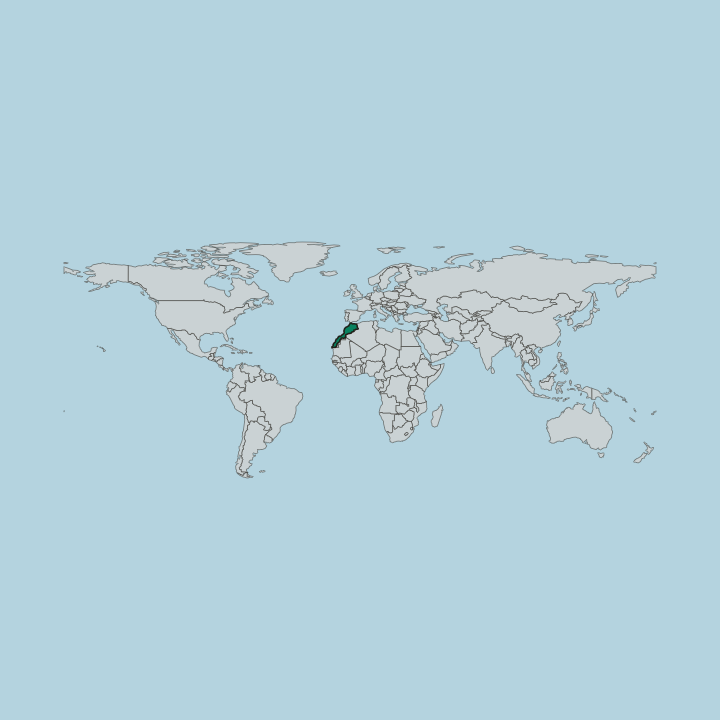
Morocco lies in the Maghreb of North Africa, with coastlines on two sides. Water frames the north and west. The Mediterranean Sea runs along the north and the Atlantic Ocean along the west, while Algeria lies to the east and the disputed territory of Western Sahara to the south.
The land climbs inland. From the coast the ground rises into the High Atlas, whose snow-covered peaks stand over the interior before the land falls away to the dunes of the Sahara. Two great landscapes define it.
The High Atlas divides the fertile coast from the Sahara, its ridges holding snow through the year while the desert runs south and east toward Algeria in a sea of sand. The northern shore holds enclaves. Along the Mediterranean coast sit the Spanish exclaves of Ceuta and Melilla, small footholds on the northern edge of Morocco between the sea and the Maghreb interior.
Water and desert mark its bounds. Between the Atlantic Ocean, the Mediterranean Sea, the High Atlas, and the Sahara, Morocco holds more kinds of country than most of the whole of North Africa.
What is the history of Morocco?
Morocco carries a long history as a kingdom of the Maghreb, shaped by the peoples who have crossed North Africa. Two peoples shaped it most. Berber and Arab heritage run through the country, and Islam took hold as the faith of nearly all its people, giving Morocco the enduring mix of Arab, Berber, European, and African cultures.
Europe pressed in later. European powers came to the coast in the modern era, and the Spanish exclaves of Ceuta and Melilla still stand on the northern shore as marks of that time. Independence came in 1956.
The Kingdom of Morocco took its modern form when the country gained independence in 1956, with Rabat as its capital and Casablanca growing into its largest city on the Atlantic Ocean. The monarchy has held since. Since 1956 Morocco has stood as a kingdom of North Africa, its cities keeping the medinas and mosques of the older centuries while Rabat governs the country from the Atlantic coast.
Its roots reach far back. Long before independence, the Berber and Arab peoples built the towns and mosques of the Maghreb, and that inheritance still shapes Morocco from Casablanca to the edge of the Sahara.
What is Morocco like?
Morocco is a country of two tongues and one faith, layered over centuries of exchange across the Maghreb. Arabic and Berber share it. Arabic and Berber are the official languages, and the Moroccan dialect of Arabic serves as the common speech, while Islam is the faith of nearly the whole country from the coast to the Sahara.
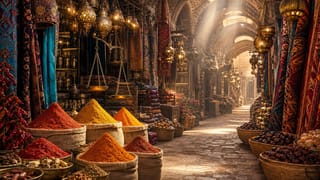
Many streams feed the culture. The culture of Morocco draws on Arab, Berber, European, and African roots at once, a blend seen in the souqs, spice markets, and mosques of its old medinas. The medina is the heart of it.
In the old cities of Morocco, souqs and spice markets wind through the medinas, and the call from the mosques marks the day across the Maghreb from Casablanca to the towns of the interior. Land shapes the table too. The coast, the High Atlas, and the Sahara each mark the life of Morocco, from the white-washed seaside towns of the Atlantic Ocean to the desert edges where Berber traditions run oldest.
Berber roots hold in the hills. In the High Atlas and along the Sahara, Berber language and custom run deep, while Arabic and Islam bind the whole of Morocco from the Mediterranean Sea to the Atlantic Ocean.
What is the climate of Morocco?
Morocco holds more than one climate, split between the coast, the mountains, and the desert. The shore stays mild. Warm dry summers and mild wet winters run along the Mediterranean Sea and the Atlantic Ocean, while the High Atlas holds snow on its peaks and the Sahara bakes hot and dry through much of the year.
How do you get to Morocco?
Morocco is reached easily from Europe, a short way across the water from the main European cities. Two coasts open the country. Most travellers arrive by air into Casablanca or the capital at Rabat, or by sea across the Mediterranean, with the Atlantic Ocean and the roads of the Maghreb carrying them on into Morocco.
Good for
Updated September 2026