Morocco · Souss-Massa
Where to Stay in Agadir, Souss-Massa
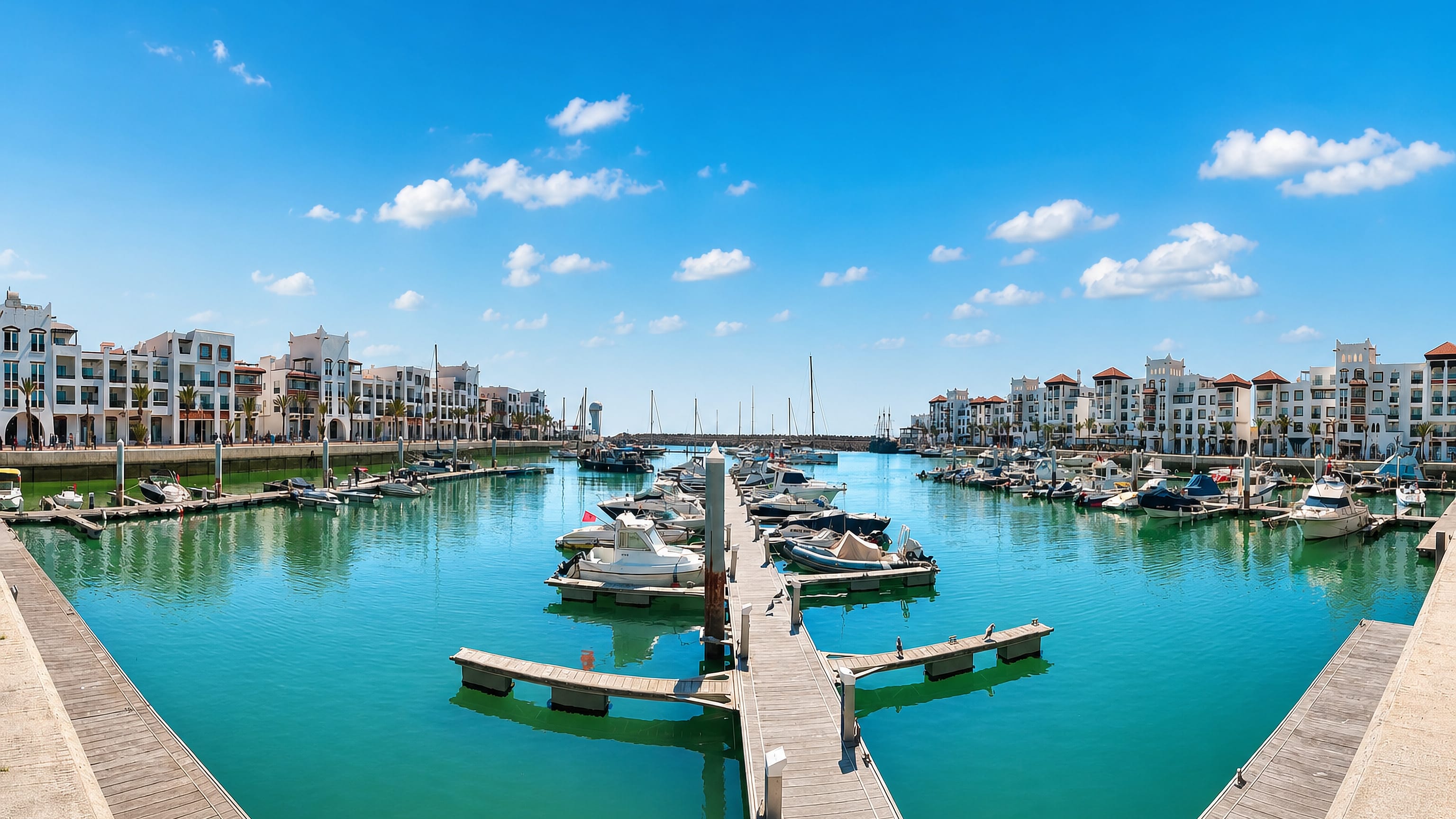
Atlantic light fills the bay at Agadir, capital of Souss-Massa, Morocco, a rebuilt resort city below the Atlas Mountains by the Souss River.
Hotel links are affiliate links: booking through them may earn us a commission, at no extra cost to you. It never affects how places are ranked. How this works


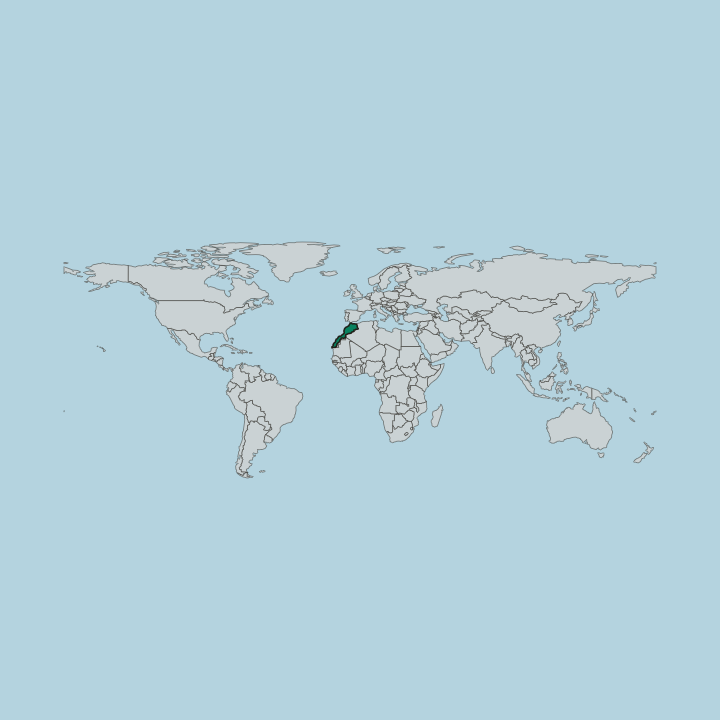
Where to stay in Agadir
Where visitors usually base themselves, and why.
Agadir gathers most of its hotels along the beachfront, a straight band of resorts and apartments facing the Atlantic bay. The seafront is the obvious base. Its promenade runs the length of the sand, lined with hotels a few steps from the water and within reach of the Ibn Zaidoun Garden and the palm-shaded walks that replaced the streets of the old town.
Rooms here favour pools, sea views, and easy access to the beach over the intimacy of a walled quarter, since the rebuilt city has none. Away from the shore, the districts climbing toward the hill of the Kasbah of Agadir hold quieter, cheaper guesthouses used more by locals than by beach travellers. This inland side trades sea views for calm.
From either base the Olhão Garden, the Amazigh Culture Museum, and the Memory Agadir Museum sit a short taxi ride apart, and the marina anchors the northern end of the bay, so the choice comes down to how close to the surf you want to sleep.
Find hotels in Agadir
Direct booking searches for these neighbourhoods.
The Agadir beachfront
The straight seafront strip lines the bay with pools and sea-view hotels near the Ibn Zaidoun Garden, minutes on foot from the sand that replaced the old town.Find hotels in The Agadir beachfrontBudget stays and a quieter, resident-side base away from the resortsThe inland slopes below the Kasbah
Guesthouses climb the districts toward the ruined Kasbah of Agadir, trading sea views for calm within a taxi ride of the Olhão Garden and the Memory Agadir Museum.Find hotels in The inland slopes below the KasbahHotel links are affiliate links: booking through them may earn us a commission, at no extra cost to you. It never affects how places are ranked. How this works
Things to do in Agadir
Ranked by global recognition; descriptions from Wikidata (CC0).
Museums & Galleries
2- Agadir Amazigh Culture Museum
- Memory Agadir Museum
Churches & Religious Sites
1- Agadir Catholic Church
Castles & Historic Sites
1- Kasbah of Agadir Heritage
Nature & Outdoors
1- Ibn Zaidoun Garden Heritage
Parks & Gardens
1- Olhão Garden Heritage
worth knowingacross 5 categories in Agadir
About Agadir
What is Agadir known for?
Agadir is known for its wide Atlantic beach and its modern, low-rise plan, the capital of the Souss-Massa region. A long crescent of sand curves along the bay, backed by a promenade and gardens rather than an old medina. The whole city was rebuilt.
Above it the ruined Kasbah of Agadir crowns a hill, while the Memory Agadir Museum and the Amazigh Culture Museum keep the story of that older town, and the Atlas Mountains rise inland behind the coast.
What are the main landmarks in Agadir?
Agadir's landmarks split between the hill and the rebuilt town below. The ruined Kasbah of Agadir crowns the northern height, its walls looking down over the bay and the Aghzdisse lighthouse on the shore. Two museums hold its memory.
The Memory Agadir Museum and the Agadir Amazigh Culture Museum trace the vanished old town and the Amazigh heritage of the Souss-Massa region, while green space marks the modern grid at the Olhão Garden and the Ibn Zaidoun Garden.
What is the history of Agadir?
Agadir's history runs from a sixteenth-century fortress to a city rebuilt entirely in modern times. A Portuguese trading fort was established on the bay in 1505, and control later passed to Moroccan rule, with the hilltop Kasbah of Agadir raised above the harbour to guard the Atlantic anchorage near the mouth of the Souss River. Trade in sugar and goods from the Souss-Massa plain moved through the port for centuries.
The old town clustered below the Kasbah walls. That older Agadir did not survive. Its ruined Kasbah of Agadir still stands on the hill, and the Memory Agadir Museum records the town that once filled the slope below it.
The city was rebuilt afterward on the flat ground by the shore, planned as a low, open grid of avenues, gardens, and a long beachfront rather than a walled medina. The Olhão Garden, named for a partner port, and the Amazigh Culture Museum belong to this rebuilt Agadir, capital of the Souss-Massa region.
Where is Agadir?
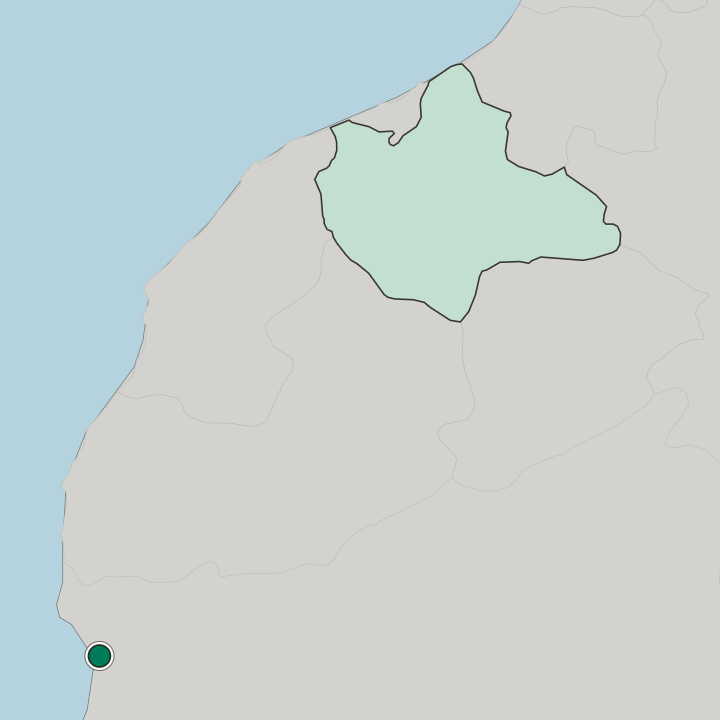
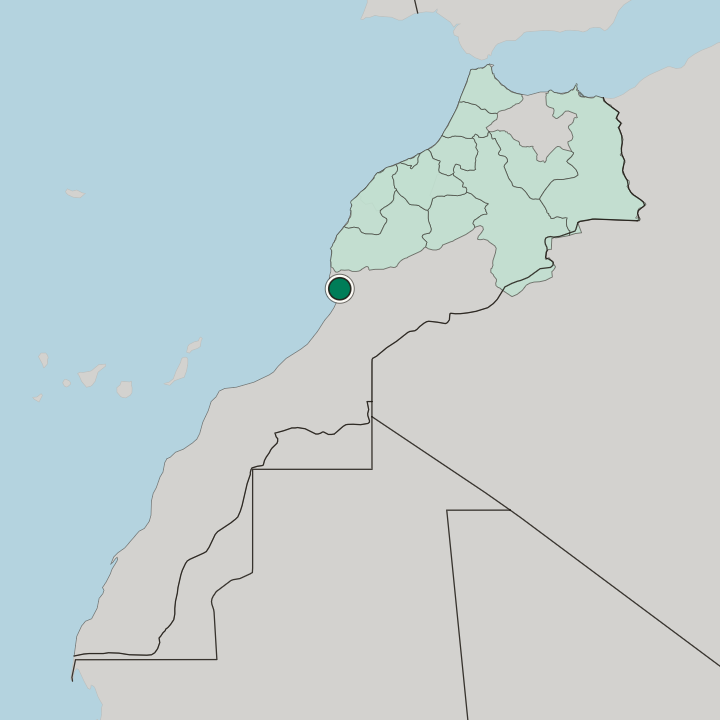
Agadir lies on the Atlantic coast of Souss-Massa, just north of where the Souss River meets the ocean. The Atlas Mountains rise inland to the east, sheltering the coast and framing the wide bay. A long beach runs south below the town.
The old Kasbah of Agadir sits on a hill at the northern end of that bay, and Casablanca lies far up the same Atlantic shore, the larger port to which the coastal road runs north.
What is the climate of Agadir?
Agadir has a mild, dry climate softened by the Atlantic and shielded by the Atlas Mountains. Sunshine is near constant. Warm, rainless summers give way to gentle winters, when the ocean holds the temperature steady and the mountains inland block the harsher weather of the interior, so the beach stays usable across much of the year.
Cool sea air tempers the heat.
How do you get to Agadir?
Agadir is served by its own international airport, the main gateway for travellers to the Souss-Massa coast. Flights from Europe land year-round, and a coastal road runs north toward Casablanca and south along the Atlantic. Buses reach the city daily.
Many arrive by air straight to the beach resorts, while others come overland across the Souss River plain or down from the Atlas Mountains through the Souss valley.
Common questions
What is the best area to stay in Agadir?
The Agadir beachfront: Sun and sea travellers who want a room steps from the Atlantic promenade. The inland slopes below the Kasbah: Budget stays and a quieter, resident-side base away from the resorts.
Good for
More cities in Souss-Massa
Updated September 2026