Morocco
Souss-Massa, Morocco — Towns & Travel Guide
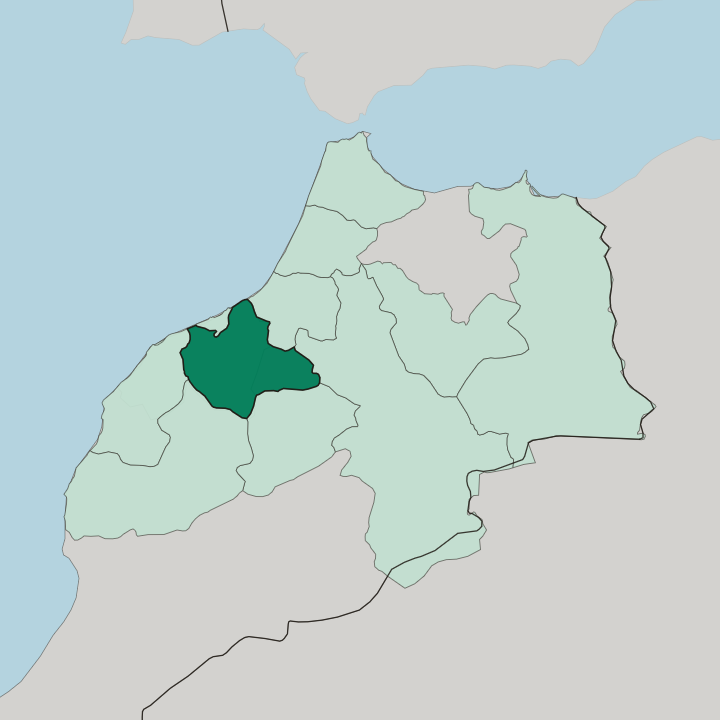
Souss-Massa is Morocco's Atlantic southwest, where the Souss valley opens between the High Atlas and Anti-Atlas onto Agadir's beaches.
Hotel links are affiliate links: booking through them may earn us a commission, at no extra cost to you. It never affects how places are ranked. How this works


Towns & cities in Souss-Massa
Pick a town or city — each links to where to stay.
 Morocco
Agadir
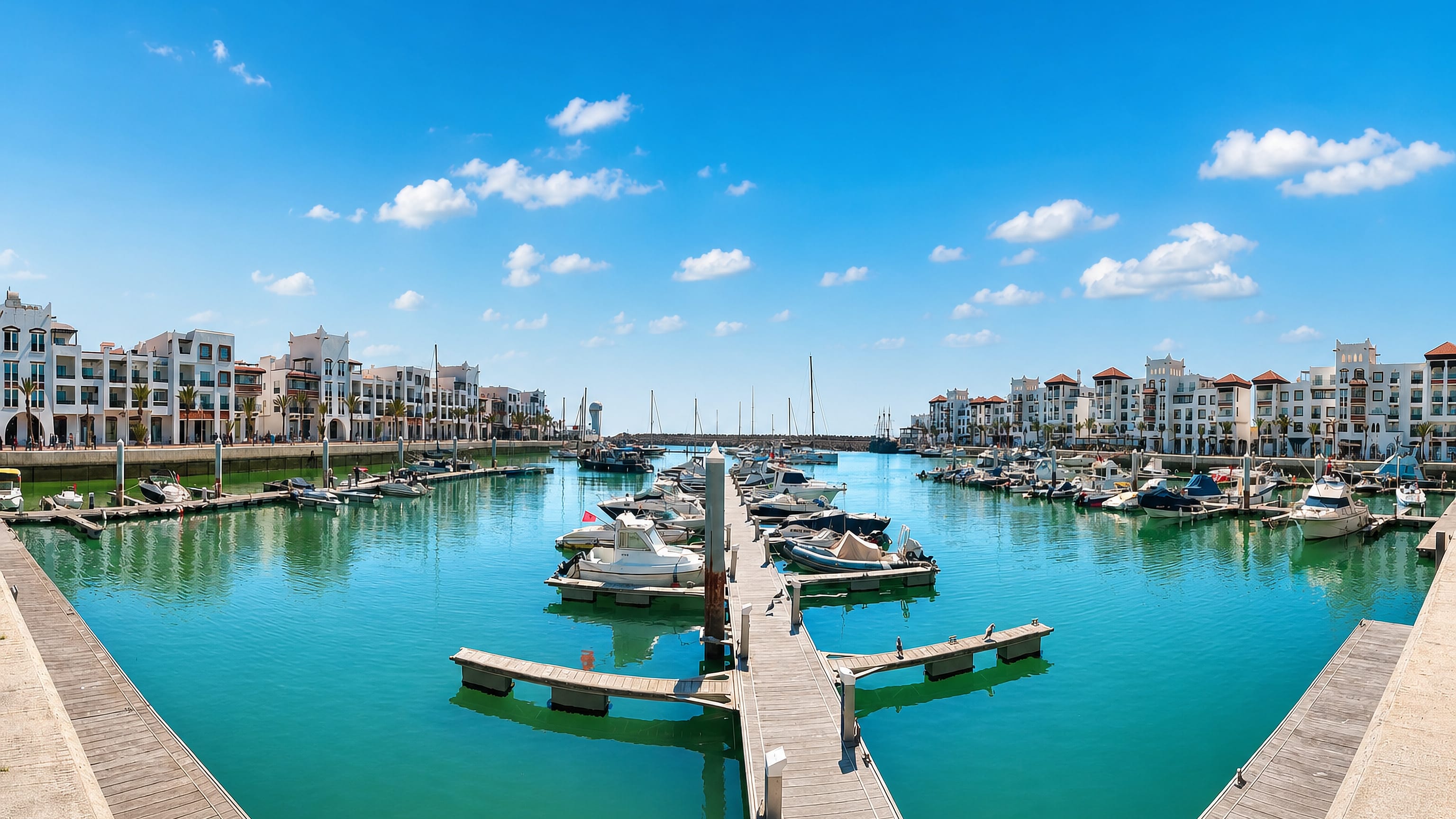
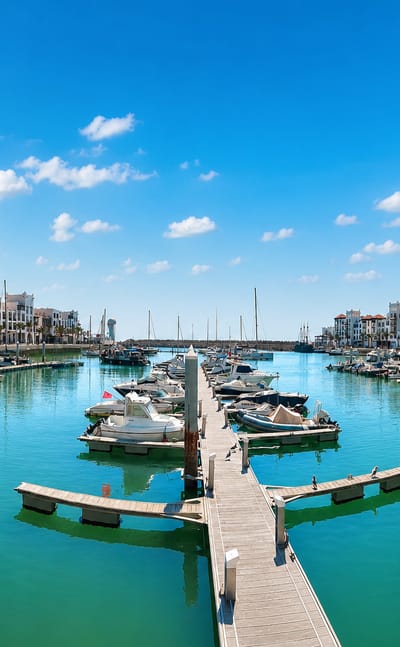
Atlantic light fills the bay at Agadir, capital of Souss-Massa, Morocco, a rebuilt resort city below the Atlas Mountains by the Souss River.Where to stay →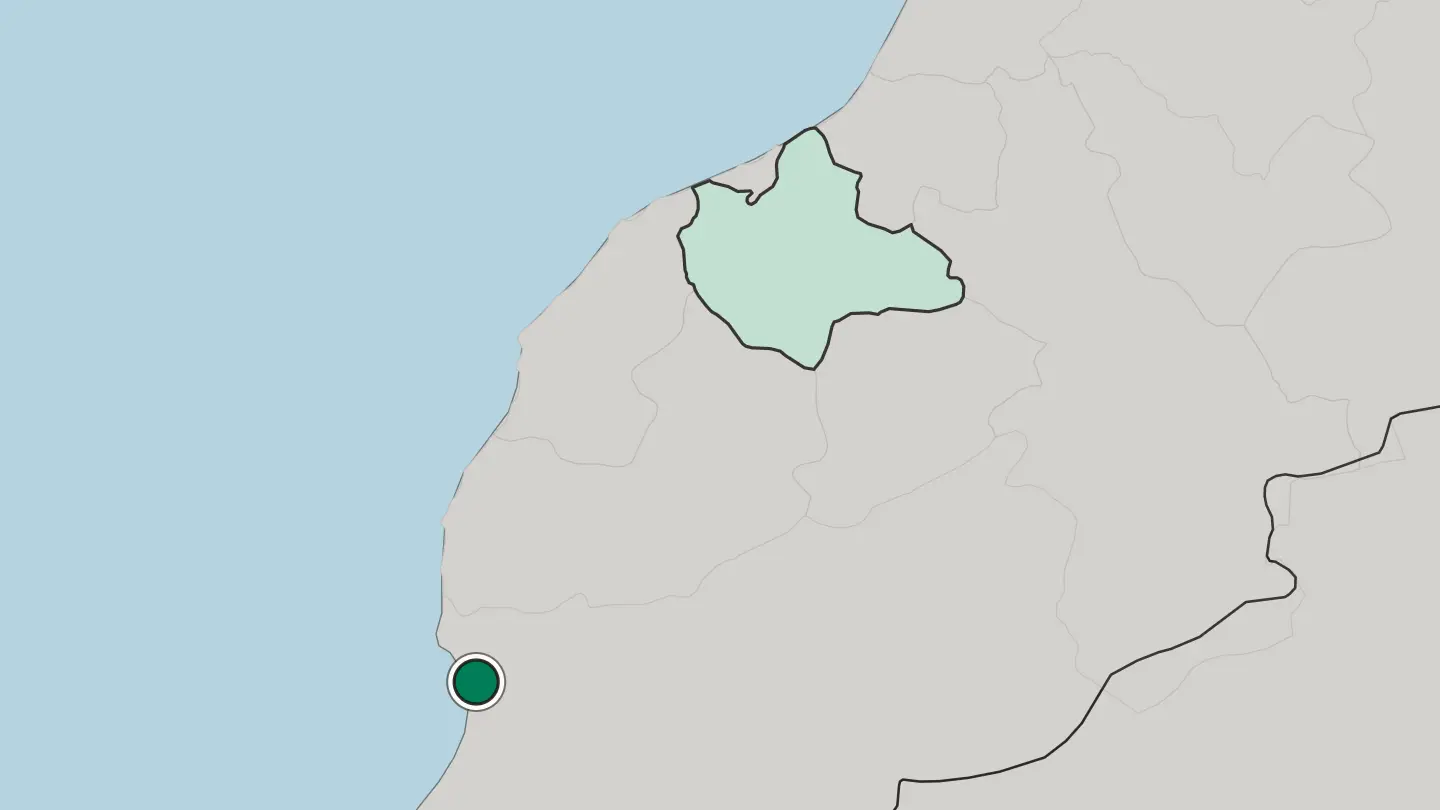
 Morocco
Oulad Teïma
Oulad Teïma, also known as Houara, is a city of Taroudant Province in the Souss-Massa region of Morocco.Where to stay →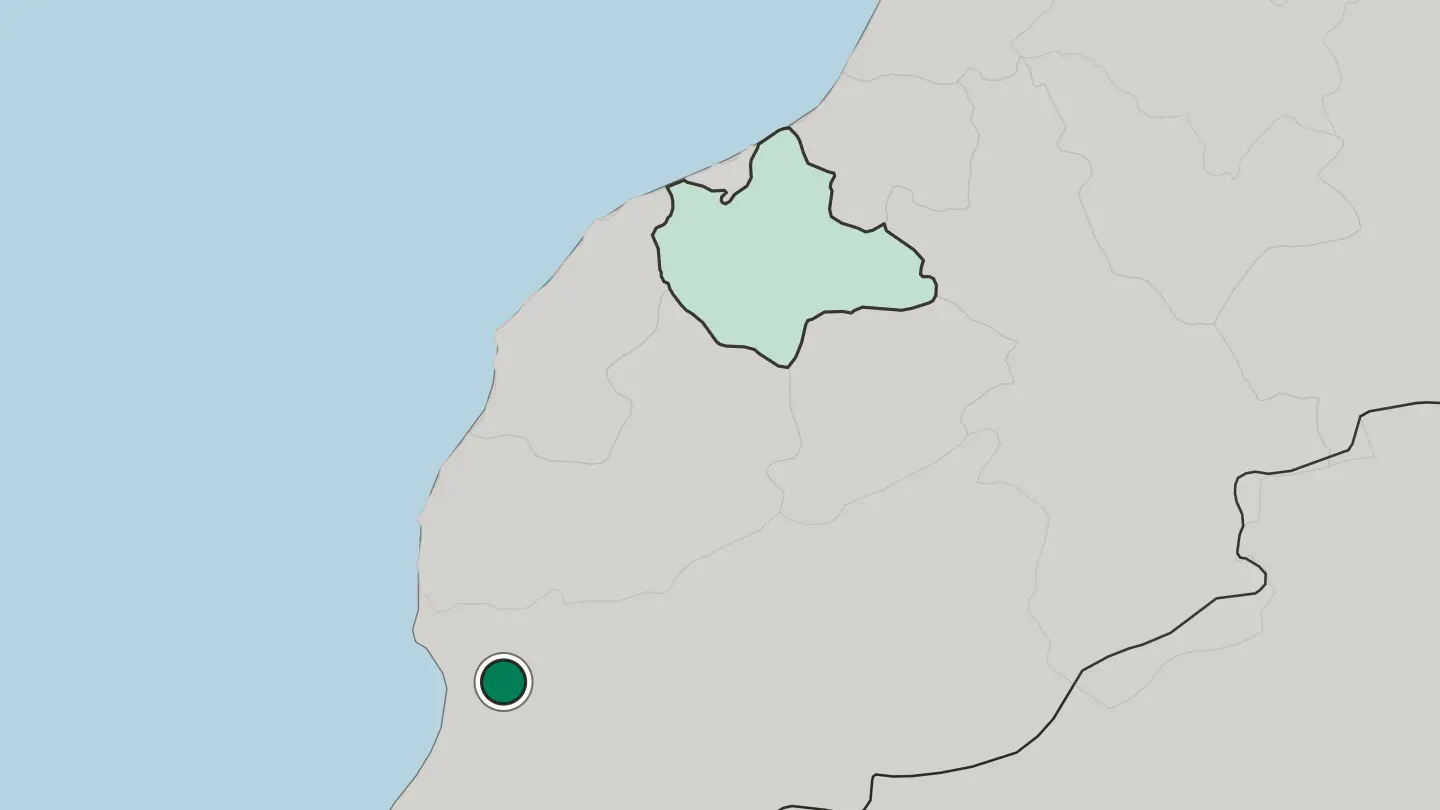
 Morocco
Taroudant
Taroudant is a walled town of the Souss valley in southern Morocco, ringed by great red ramparts that have earned it the name of little Marrakech.Where to stay →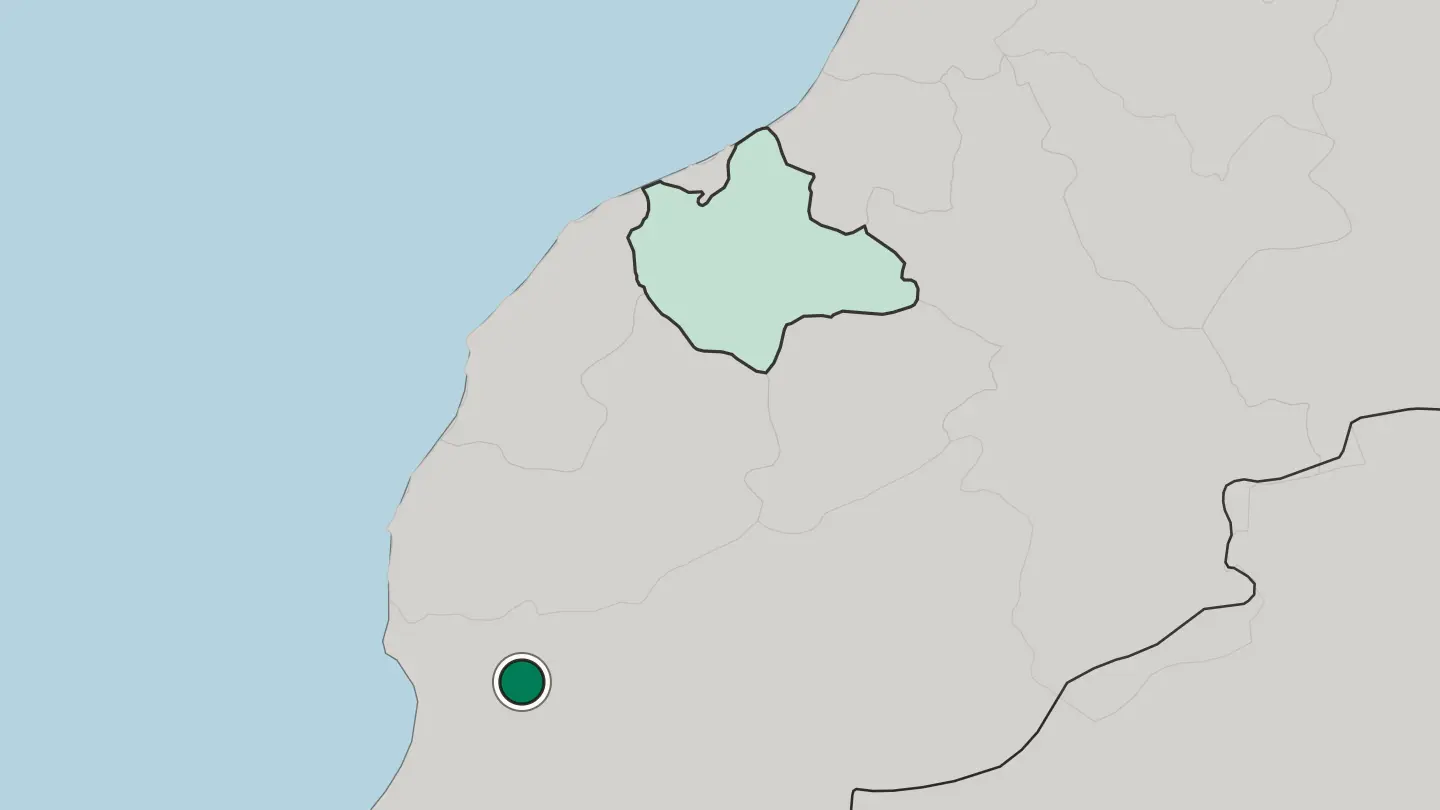
 Morocco
Tiznit
Tiznit is a walled town in the Souss-Massa region of Morocco, founded in 1881 and still ringed by the ramparts that enclose its medina.Where to stay →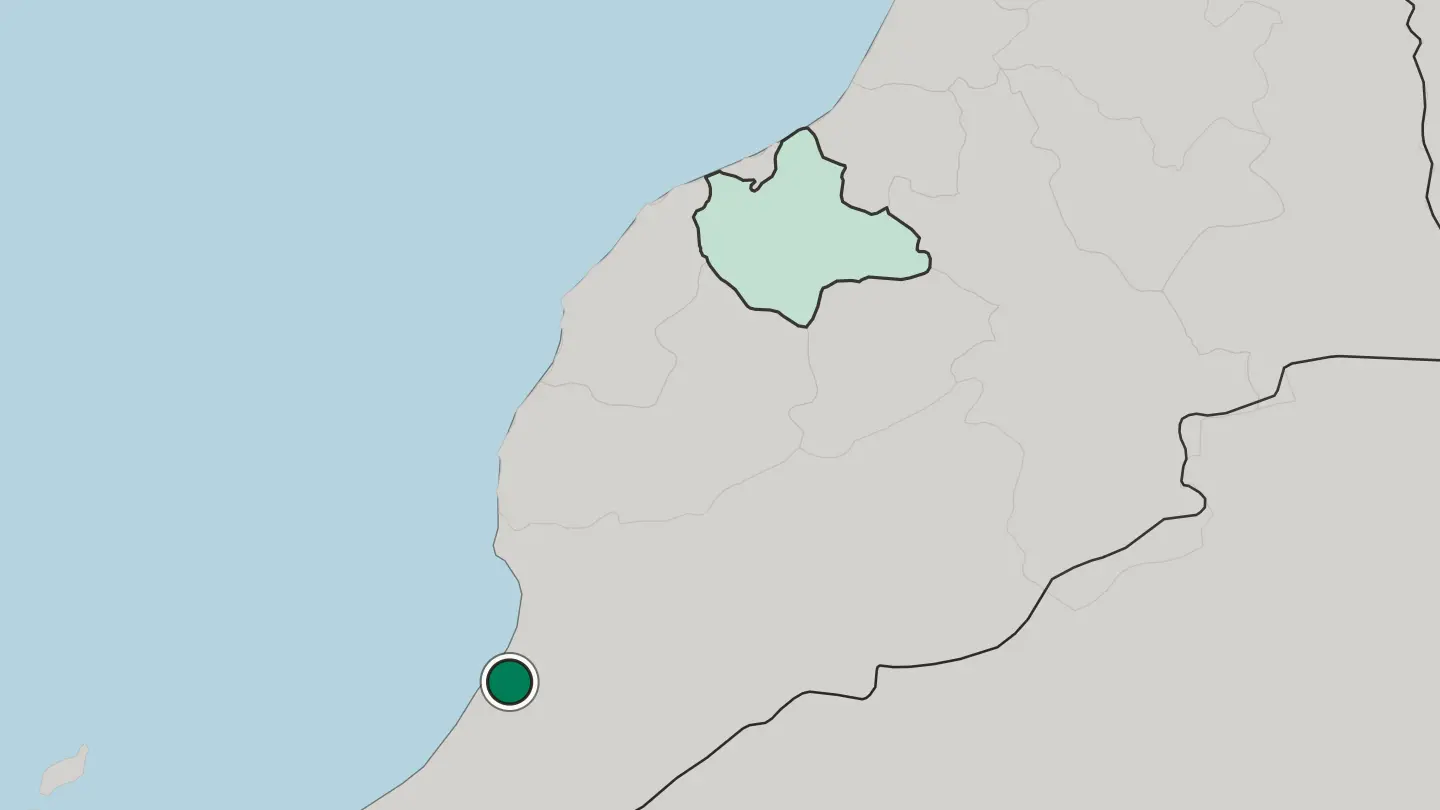
Hotel links are affiliate links: booking through them may earn us a commission, at no extra cost to you. It never affects how places are ranked. How this works
About Souss-Massa
Agadir sets the tone.
What is Souss-Massa known for?
The rebuilt beach city anchors the region and draws visitors to a long crescent of Atlantic sand. Just up the coast, the old fishing village of Taghazout has turned into Morocco's best-known surf town, with right-hand point breaks that peel for hundreds of metres. Inland the mood shifts from resort to earth-walled market town, and argan trees cover the plains around Taroudant.
Silversmiths in Tiznit still hammer the fibulae the region is known for.
Where is Souss-Massa?
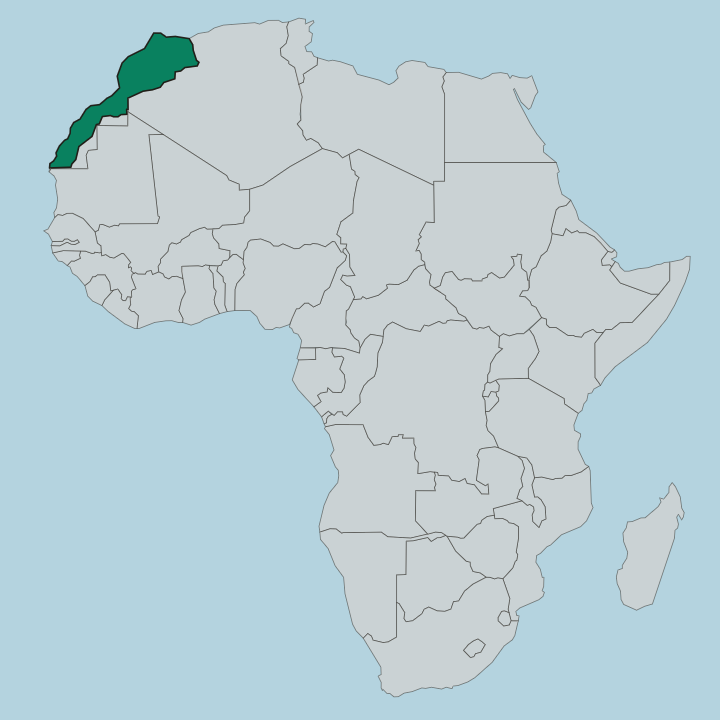
Souss-Massa fills the southwestern corner of Morocco, facing the Atlantic. Its shape is a valley. The Souss rises in the High Atlas and runs west for about 180 kilometres to reach the ocean just south of Agadir, and the whole region is really the basin that river drains, walled to the north by the High Atlas and to the south by the older Anti-Atlas.
That trough is the fertile heart of the region, and its alluvial soil, sheltered from the Sahara by the Anti-Atlas wall, makes the Souss a major farming plain. The coast runs long and open. Beyond Agadir the shore bends south past the mouth of the smaller Massa river, where the Souss-Massa National Park guards dunes, lagoon and estuary along the Atlantic edge.
Marrakesh-Safi lies over the High Atlas to the north. Inland the Anti-Atlas rises in bare rock toward Tafraout, and the road east from Taroudant climbs on toward Ouarzazate and the desert beyond.
What is Souss-Massa like?
This is Chleuh country. The Souss is the homeland of the Shilha, and their language, Tashelhit, is the everyday speech of the valley and the mountains behind it. You hear it in the markets of Taroudant and the silver souk of Tiznit long before you hear Arabic or French.
Amazigh poetry, sung verse and the region's own festivals carry that identity forward, and the weekly souks remain the real social calendar of the plain. Argan binds the culture to the land. The argan grows wild here, and for generations women's cooperatives across the Souss have cracked its nuts by hand to press the oil that flavours the local food and travels to cosmetics shelves far beyond Morocco.
Tiznit's silversmiths keep an older craft alive, working the heavy fibulae and daggers that Amazigh women once wore. Agadir, rebuilt and modern, is the outlier. It looks out to the ocean while the towns behind it look inward to the mountains.
What is the history of Souss-Massa?
The Souss valley has thrown long shadows across Moroccan history. Taroudant became the Saadian capital in the 16th century, and its wealth from sugar and trade helped launch that dynasty out of the south. Agadir grew from a Portuguese-era port.
In 1960 an earthquake destroyed the city in seconds, and the Agadir seen now was rebuilt from scratch a little to the south. The region itself is young. Souss-Massa was drawn up only in the 2015 redistricting of Morocco.
What is the climate of Souss-Massa?
The Souss sits at a meeting of three influences: the cool Atlantic, the sheltering mountains, and the Sahara close behind them. That makes it warm, dry and mild rather than fiercely hot. The coast around Agadir stays temperate almost year-round, cooled by ocean air, while summers turn hot and dusty on the inland plain around Taroudant.
Rain is sparse and falls mostly in winter. The Anti-Atlas keeps the desert's worst heat off the valley.
How do you get to Souss-Massa?
The gateway is Agadir. Its airport, just inland at Al Massira, takes charter and scheduled flights from across Europe, and that is how the great majority of visitors reach the region. From there the coast road runs north through Taghazout and Inezgane, while another climbs inland up the Souss valley to Taroudant and Tiznit.
Marrakesh lies about three hours north over the High Atlas passes. Long-distance buses tie the region to the rest of Morocco.
Common questions
What is the best area to stay in Souss-Massa?
Agadir: the seafront promenade and the bay. Taghazout: surfing the point breaks up the coast. Taroudant: sleeping inside the ramparts. Tiznit: the silver souk and the Anti-Atlas edge.
Good for
More regions in Morocco
Updated October 2026