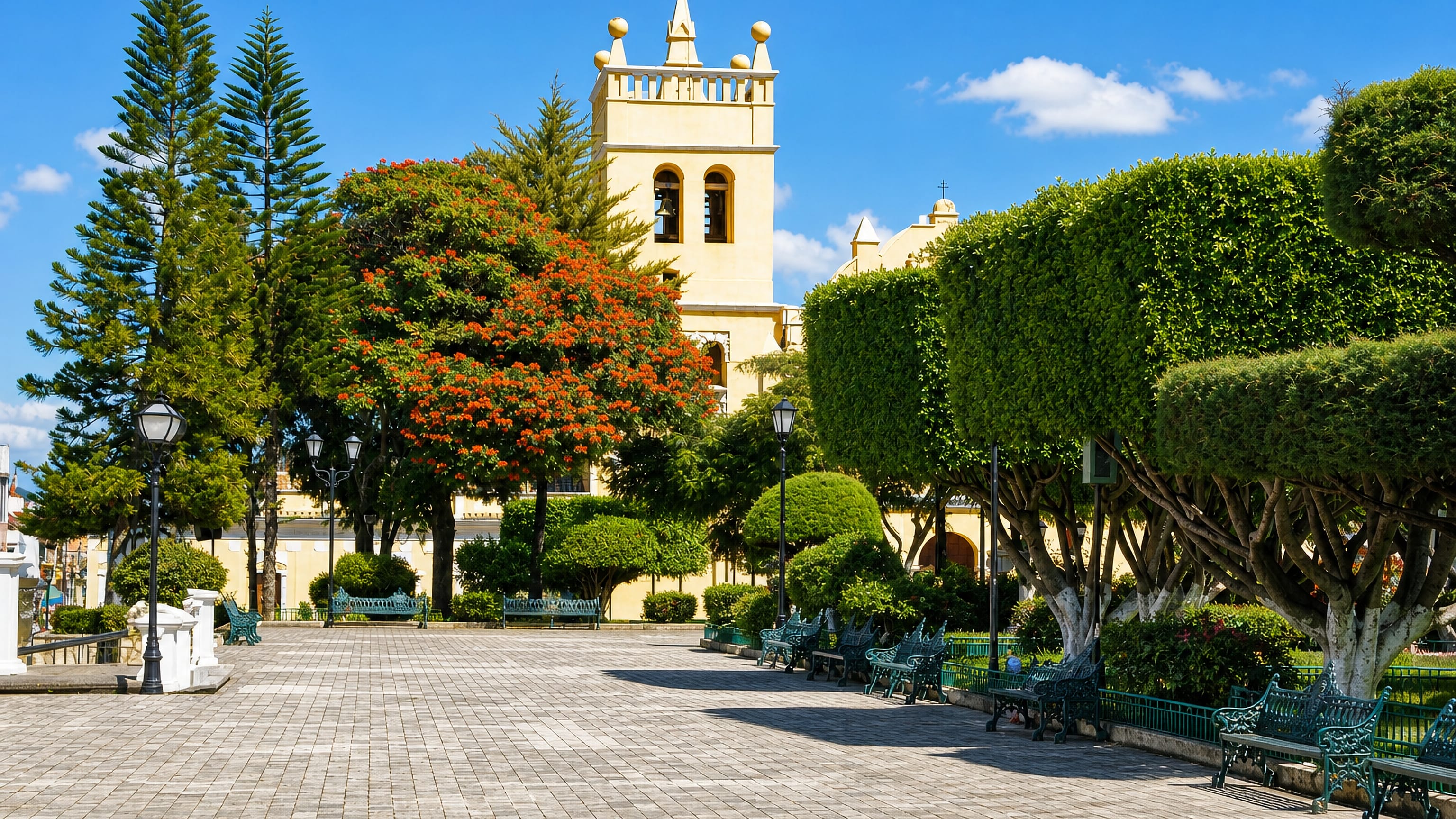
Mexico · Estado de Chiapas
Where to Stay in Comitán, Estado de Chiapas
Comitán de Domínguez is the fourth-largest city of Chiapas, Mexico, a colonial town that serves as the seat of the municipality of the same name.
Hotel links are affiliate links: booking through them may earn us a commission, at no extra cost to you. It never affects how places are ranked. How this works


Where to stay in Comitán
Where the beds are, and what that means for the visit.
The colonial grid holds the rooms. Narrow avenues concentrate the useful beds within reach of the Casa Museo Belisario Domínguez and the Museo Rosario Castellanos, which is where most of a visit here actually gets spent. Walking is the point.
Comitán draws travellers from within Mexico more than from abroad, and its lodging follows that pattern rather than an international one, so what is on offer is straightforward town accommodation near the centre. Two things pull outward. The Sala Introductoria de la Zona Arqueológica de Tenam Puente points to a site beyond the built-up area, and reaching Tenam Puente is easier from a base in Comitán de Domínguez than from anywhere else in that part of Chiapas.
Distances inside town are small. If the days run between the Museo Arqueológico de Comitán and the Museo de Arte Hermila Domínguez de Castellanos, anywhere central will serve; if they run out to the ruins, take a room on the edge of the grid so that leaving early does not mean crossing the whole city first. Both options keep the Casa Museo Belisario Domínguez and the Museo Rosario Castellanos inside an easy walk of the room.
Find hotels in Comitán
Direct booking searches for these neighbourhoods.
Comitán colonial centre
The narrow avenues and colonial fronts that hold most of the city's rooms and most of its six museums.Find hotels in Comitán colonial centreearly starts for the Zona Arqueológica de Tenam PuenteOuter Comitán de Domínguez
The edge of the municipal seat, where a departure for Tenam Puente avoids the colonial grid altogether. Rooms are few around here — worth securing early.Find hotels in Outer Comitán de DomínguezHotel links are affiliate links: booking through them may earn us a commission, at no extra cost to you. It never affects how places are ranked. How this works
About Comitán
Six museums in one small city.
What is Comitán known for?
Comitán keeps collections for Rosario Castellanos, two separate houses for Belisario Domínguez, and an art museum under the name of Hermila Domínguez de Castellanos, alongside the Museo Arqueológico de Comitán and the Sala Introductoria de la Zona Arqueológica de Tenam Puente. Visitors come mostly from within Mexico. The draw is colonial architecture, narrow avenues and clean streets rather than any single monument, and the collections fill the hours between them.
What are the main landmarks in Comitán?
Names repeat across the collections. Rosario Castellanos has the Museo Rosario Castellanos, Belisario Domínguez has two houses in the Casa Museo Belisario Domínguez and the Casa Museo Dr. Belisario Domínguez Palencia, and the Museo de Arte Hermila Domínguez de Castellanos carries the same surname into the art holdings. Archaeology takes the other two.
The Museo Arqueológico de Comitán keeps the finds, while the Sala Introductoria de la Zona Arqueológica de Tenam Puente prepares visitors for the site itself.
What is the history of Comitán?
Tenam Puente is the deepest layer. The Sala Introductoria de la Zona Arqueológica de Tenam Puente exists to explain that site, and the Museo Arqueológico de Comitán holds what has come out of the ground around the city. Occupation here runs old.
The standing fabric is later work: the colonial architecture that gave Comitán its narrow avenues and the shape the city still keeps. The official name records a person. Comitán de Domínguez sets Domínguez behind the older word, and the city maintains two houses under that surname, the Casa Museo Belisario Domínguez and the Casa Museo Dr. Belisario Domínguez Palencia, which is an unusual weight of commemoration for one name.
Rosario Castellanos is the other name that recurs. The Museo Rosario Castellanos and the Museo de Arte Hermila Domínguez de Castellanos hold the personal and artistic side of that record, and between them the six collections do the work an archive would do elsewhere. Government status explains the remainder.
The city is the seat of government of the municipality of the same name and the fourth-largest in the Mexican state of Chiapas, which is why it carries museums, visitors and maintained streets that smaller places in Chiapas do not. Most of those visitors are Mexican. Comitán has become a destination within Mexico rather than beyond it, and the colonial centre, with Hermila Domínguez de Castellanos and Belisario Domínguez commemorated inside it, is the reason.
Where is Comitán?
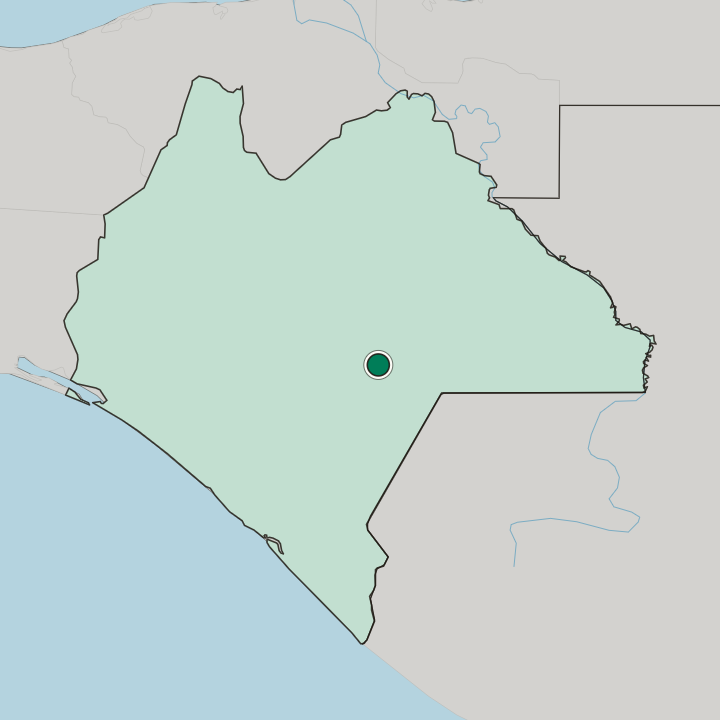
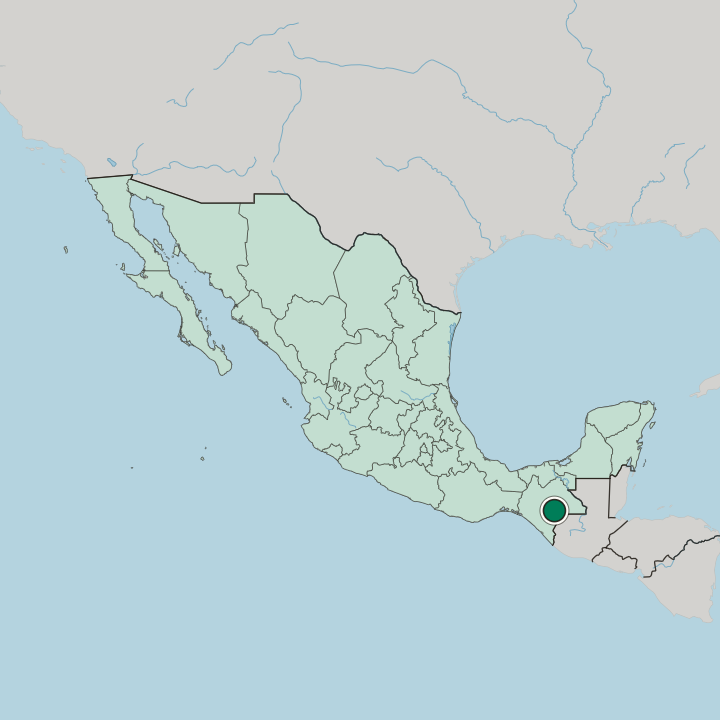
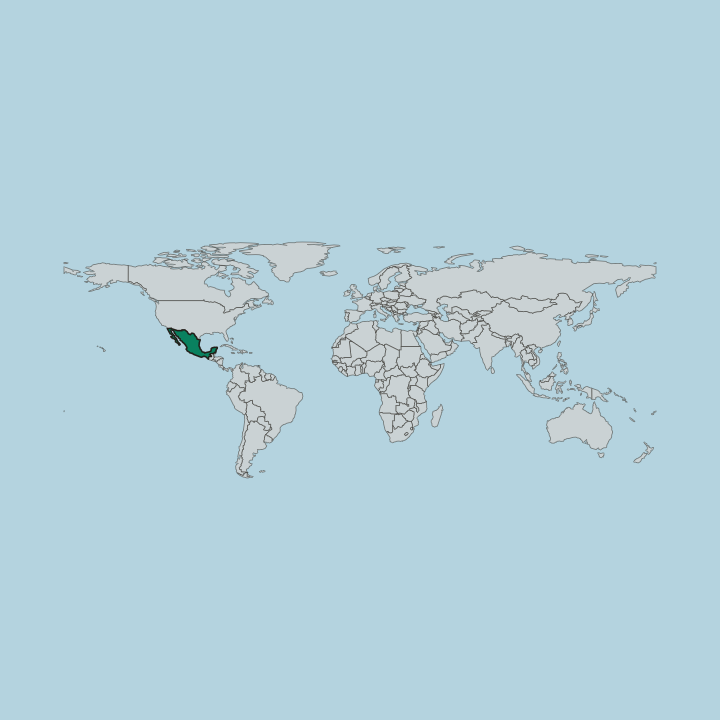
Chiapas is the setting. Comitán sits north of the equator inside the tropics, in the Mexican state of Chiapas, and it holds the seat of government for the municipality that shares its name. Tenam Puente lies beyond the built-up area.
The ground between the city and that archaeological zone is the local hinterland, while the narrow avenues of the colonial centre mark where Comitán de Domínguez is at its most compact.
What is the climate of Comitán?
The tropics govern the year. Comitán lies north of the equator inside the tropical band, which divides the calendar into wet and dry stretches rather than into the warm and cold halves that places further north work by. Narrow avenues help.
The colonial streets of Comitán de Domínguez carry more shade through the middle of the day than an open grid would, and that is a practical detail for anyone walking between the six museums of Chiapas's fourth city.
How do you get to Comitán?
Every arrival comes by highway. Comitán is reached overland from elsewhere in the Mexican state of Chiapas, and most of the traffic into it is domestic, because the city draws visitors from within Mexico far more than from outside it. The last stretch is ordinary.
Once inside, the narrow avenues of the colonial centre take over, and only the Zona Arqueológica de Tenam Puente asks for a vehicle out of town again.
Common questions
What is the best area to stay in Comitán?
Comitán colonial centre: walkers working through the Casa Museo Belisario Domínguez and the Museo Rosario Castellanos. Outer Comitán de Domínguez: early starts for the Zona Arqueológica de Tenam Puente.
Good for
More cities in Estado de Chiapas
Updated September 2026