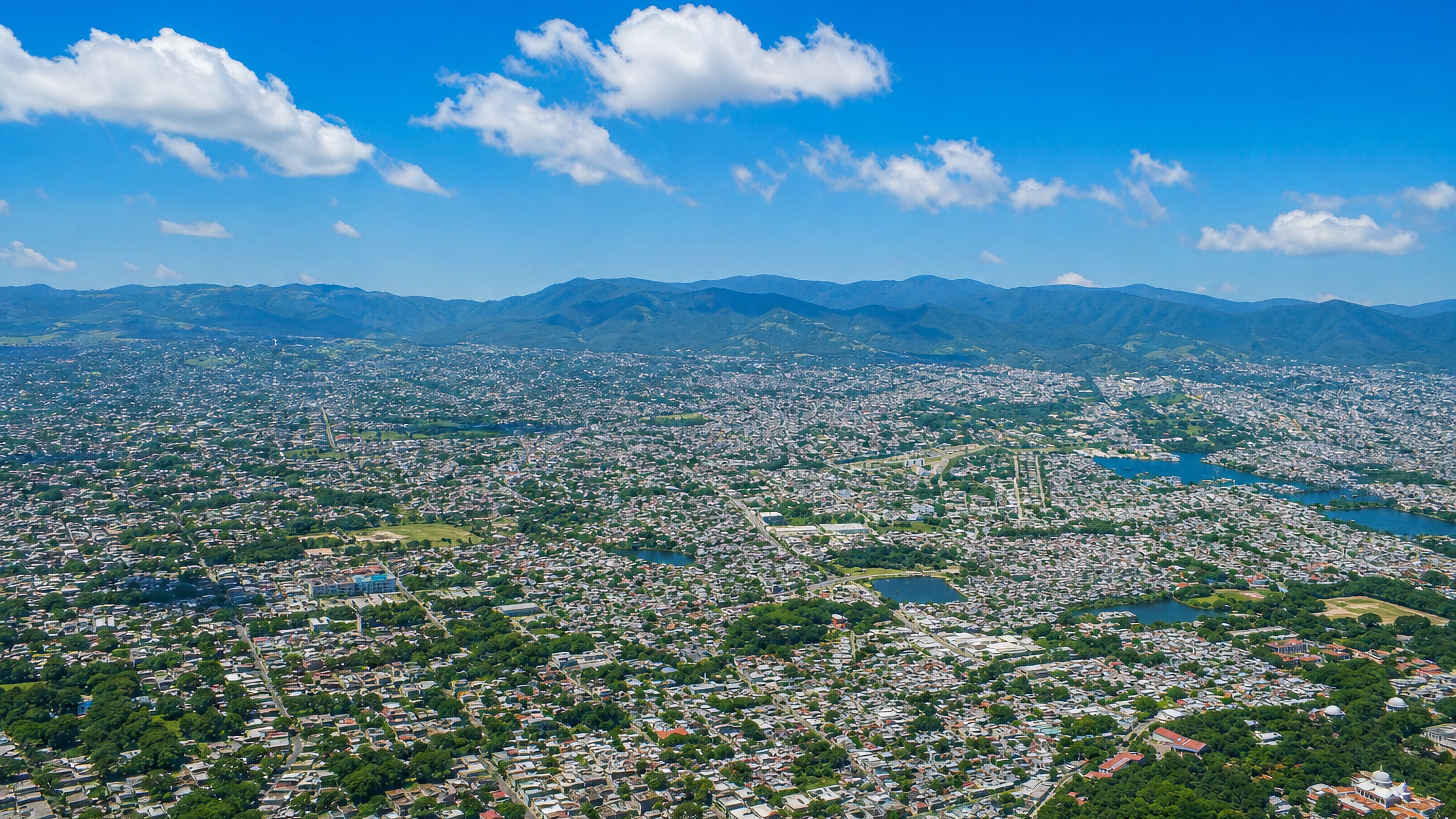
Mexico · Estado de Chiapas
Where to Stay in Tuxtla, Estado de Chiapas
Tuxtla is the capital of Chiapas in southern Mexico, a warm valley city below the great Sumidero Canyon, famous for its marimba music.
Hotel links are affiliate links: booking through them may earn us a commission, at no extra cost to you. It never affects how places are ranked. How this works


Where to stay in Tuxtla
How the choice of base plays out on the ground.
Where you stay in Tuxtla turns on the town or the canyon. The streets around the centre keep the marimba square, the museums, and the markets within a walk, and staying downtown suits anyone here for the city and its music. The warm squares fill at dusk.
Marimbas play under the trees. Out toward the canyon and the highlands, the town gives way to the river gorge, the wildlife park, and the road to the Maya towns. A room out of town trades the streets for the canyon boats, the green ridges, and the cool mountain air above.
The gorge cuts deep and steep. Stay downtown for the music, or out for the canyon. A short drive connects the plaza to the gorge.
Find hotels in Tuxtla
Direct booking searches for these neighbourhoods.
Downtown
Around the central squaresFind hotels in DowntownStays wanting the Sumidero and highlandsThe canyon
Out toward the gorgeFind hotels in The canyonHotel links are affiliate links: booking through them may earn us a commission, at no extra cost to you. It never affects how places are ranked. How this works
Things to do in Tuxtla
Ranked by global recognition; descriptions from Wikidata (CC0).
Museums & Galleries
3- Regional Museum of Anthropology and History of Chiapas
- Planetario Tuxtla - Jaime Sabines Gutiérrez
- Museo Botánico de Tuxtla Gutiérrez
Churches & Religious Sites
2- Cristo de Chiapas
- Cathedral of Saint Mark the Evangelist
Stadiums & Sports
1- Estadio Samuel León Brindis
worth knowingacross 3 categories in Tuxtla
About Tuxtla
Tuxtla is the valley capital of Chiapas.
What is Tuxtla known for?
In a warm valley of southern Mexico below the highlands, near the mouth of the great Sumidero Canyon, it is the busy capital of the state, and it keeps the sheer walls of the canyon on the Grijalva river nearby, the marimba music that plays in its evening squares, a fine regional zoo of Chiapas wildlife, and the road up to the Maya highlands and their old towns. The warm valley lies open. The green highlands rise around.
What are the main landmarks in Tuxtla?
The Sumidero Canyon is the wonder of Tuxtla. The vast gorge where the Grijalva river runs between cliffs a thousand metres high, alive with crocodiles and birds, opens just north of the city, the emblem of Chiapas, on the river. Marimba fills the evening square.
The wooden marimbas play under the trees at dusk downtown, while the wildlife zoo, the anthropology museum, and the great Christ statue mark the country around Tuxtla.
What is the history of Tuxtla?
Tuxtla began as a Zoque town. Long before the Spanish, the Zoque people lived in this warm valley, and their name for the place, a word for the rabbits of the hills, became Tuxtla in time. The highland ruled at first.
For centuries the old colonial capital of Chiapas sat up in the cool mountains at San Cristóbal, while Tuxtla stayed a small warm town on the valley floor. The capital came down to the valley. Late in the nineteenth century the seat of Chiapas was moved down to Tuxtla, and the warm town grew fast into a busy modern capital of offices and avenues.
Music filled its evenings. The marimba, the wooden xylophone of the south, became the sound of the city, played in its squares at dusk, and Tuxtla spread through its valley as the hub of Chiapas, keeping its marimba, its zoo, and the great canyon nearby. The bands still play at dusk.
Tuxtla keeps its music and its canyon in the heart of Chiapas.
Where is Tuxtla?
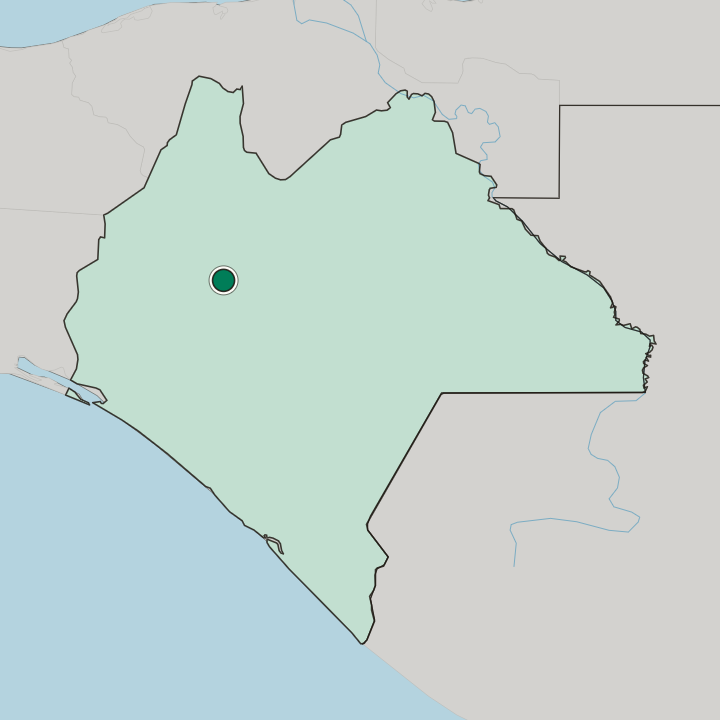
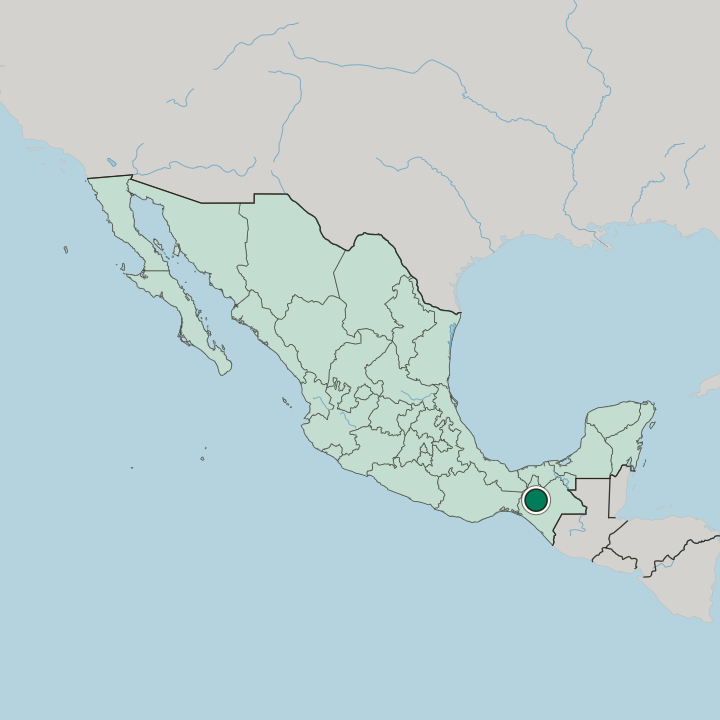
Tuxtla lies in the center of Chiapas in southern Mexico, in a warm dry valley of the Grijalva. The city spreads over the floor of a broad valley between green ridges, where the Grijalva river cuts north into the deep Sumidero gorge, with the cool Maya highlands rising to the east and hot lowlands beyond. The valley lies warm and green.
Steep ridges wall the town.
What is the climate of Tuxtla?
Tuxtla has a hot, dry tropical climate. Warm weather holds all year on the valley floor, with a hot dry season and a green rainy season of afternoon storms in summer. The valley bakes in the dry months.
Rains green the hills in summer.
How do you get to Tuxtla?
Tuxtla sits in a valley of central Chiapas in southern Mexico. Roads and flights reach it from Mexico City and the coast, and the highway climbs east to the Maya highlands. Boats run the canyon river.
San Cristóbal lies east up the road.
Common questions
What is the best area to stay in Tuxtla?
Downtown: Visitors here for the marimba and museums. The canyon: Stays wanting the Sumidero and highlands.
Good for
More cities in Estado de Chiapas
Updated September 2026