Mexico · Estado de Guerrero
Where to Stay in Acapulco de Juárez, Estado de Guerrero
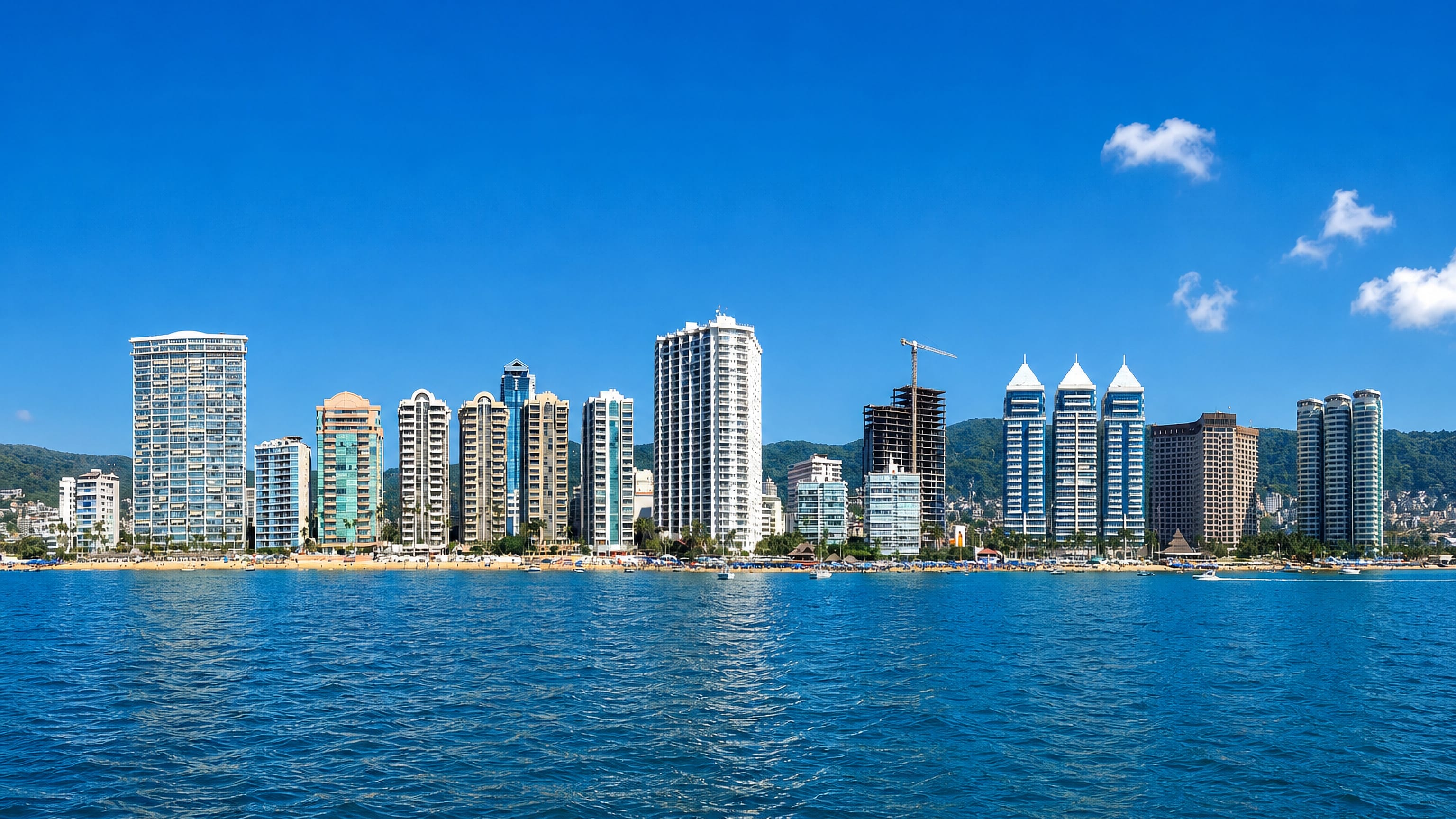
Acapulco de Juárez curves around a deep Pacific bay in Guerrero, a seaport and resort city known for Fuerte de San Diego.
Hotel links are affiliate links: booking through them may earn us a commission, at no extra cost to you. It never affects how places are ranked. How this works


Where to stay in Acapulco de Juárez
The practical side of choosing where to sleep.
Acapulco de Juárez lodging follows the shape of its bay, and the curve divides the city into old and new. The harbour comes first. The old town gathers around Plaza Álvarez and the Our Lady of Solitude Cathedral near the colonial Fuerte de San Diego, the historic port core where the Naval Museum of Acapulco and the Museo Histórico keep the seaport's memory beside the water.
Around the sweep of the bay the newer resort strips run along the Pacific shore, closer to the Club de Yates and the Fuente de la Diana cazadora that mark the modern seafront of Guerrero. If you want colonial streets, museums, and the working port, base yourself near Plaza Álvarez in the old town; if you prefer beach frontage and the balneario resort life, take the bay-side strips south of Mexico City. Both belong to the same municipal seat on the Pacific Coast.
Find hotels in Acapulco de Juárez
Direct booking searches for these neighbourhoods.
Acapulco old town
The historic harbour core of Acapulco de Juárez around Plaza Álvarez, the Our Lady of Solitude Cathedral, and the colonial walls of Fuerte de San Diego.Find hotels in Acapulco old townBeachfront resort stays near the Club de YatesAcapulco bay strips
The newer seafront of Acapulco de Juárez curving around the Pacific bay past the Club de Yates and the Fuente de la Diana cazadora.Find hotels in Acapulco bay stripsHotel links are affiliate links: booking through them may earn us a commission, at no extra cost to you. It never affects how places are ranked. How this works
Things to do in Acapulco de Juárez
Ranked by global recognition; descriptions from Wikidata (CC0).
Museums & Galleries
3- Museo Histórico de Acapulco, Fuerte de San Diego
- Mask Museum
- Naval Museum of Acapulco
Churches & Religious Sites
1- Our Lady of Solitude Cathedral, Acapulco
Castles & Historic Sites
2- Fuente de la Diana cazadora
- Plaza Álvarez
Stadiums & Sports
2- Unidad Deportiva Acapulco
- Club de Yates
worth knowingacross 4 categories in Acapulco de Juárez
About Acapulco de Juárez
What is Acapulco de Juárez known for?
Acapulco de Juárez is known as the largest city of Guerrero and the country's foremost beach and balneario resort on the Pacific Coast. The bay makes the city. Wrapped around a deep semicircular harbour south of Mexico City, Acapulco is known for the colonial Fuerte de San Diego, the Our Lady of Solitude Cathedral above Plaza Álvarez, and its long history as a seaport far larger than the state capital, Chilpancingo.
What are the main landmarks in Acapulco de Juárez?
Acapulco de Juárez keeps its landmarks between the colonial port and the museums of the bay. The old fort still guards it. The star-shaped Fuerte de San Diego holds the Museo Histórico above the harbour, while the Our Lady of Solitude Cathedral rises over Plaza Álvarez and the Naval Museum of Acapulco, the Mask Museum, and the Palma Sola archaeological site carry the deeper heritage of Guerrero on the Pacific Coast.
What is the history of Acapulco de Juárez?
Acapulco de Juárez has been a port on its Pacific bay in Guerrero since the early colonial period, its harbour opened around the year 1520. The bay drew ships from the first. Standing on a deep semicircular harbour south of Mexico City, the town became a port of call on the shipping route between Panama and San Francisco, and the star fort of Fuerte de San Diego was raised to guard the treasure trade that crossed its water.
The Palma Sola archaeological site records a settlement far older than the colonial port, and the Museo Histórico inside Fuerte de San Diego now tells that long seaport story. Growing far past the state capital, Chilpancingo, Acapulco became the largest city of Guerrero and the country's foremost beach resort. Its cathedral over Plaza Álvarez and its museums hold the layered past of a working harbour on the Pacific Coast.
Where is Acapulco de Juárez?
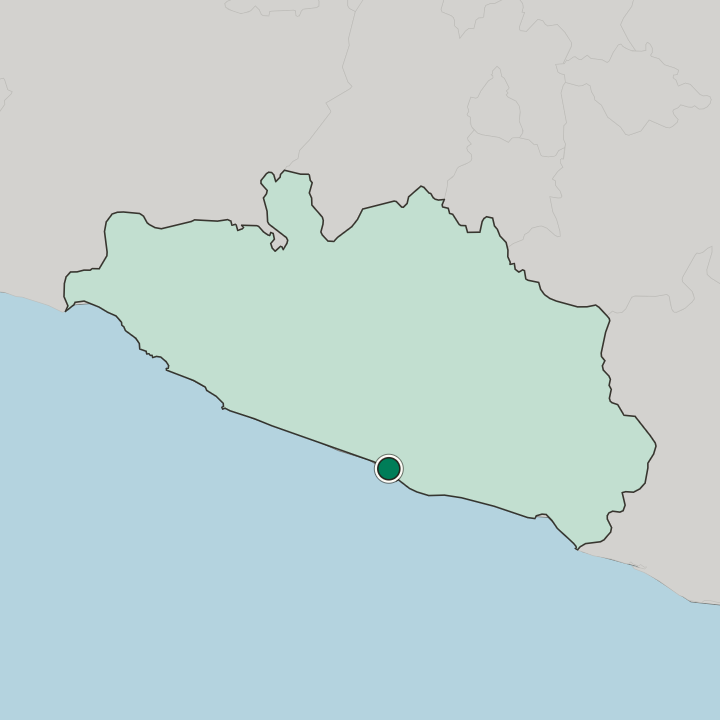
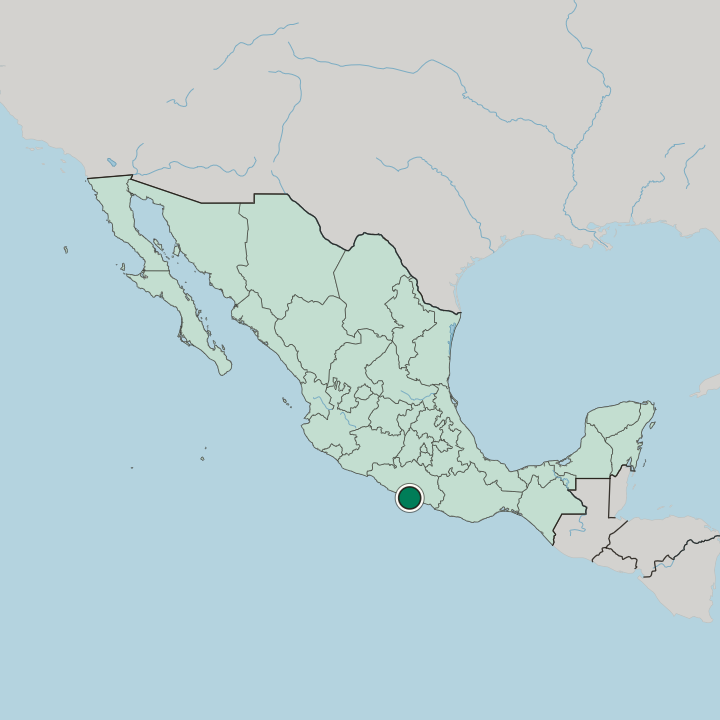
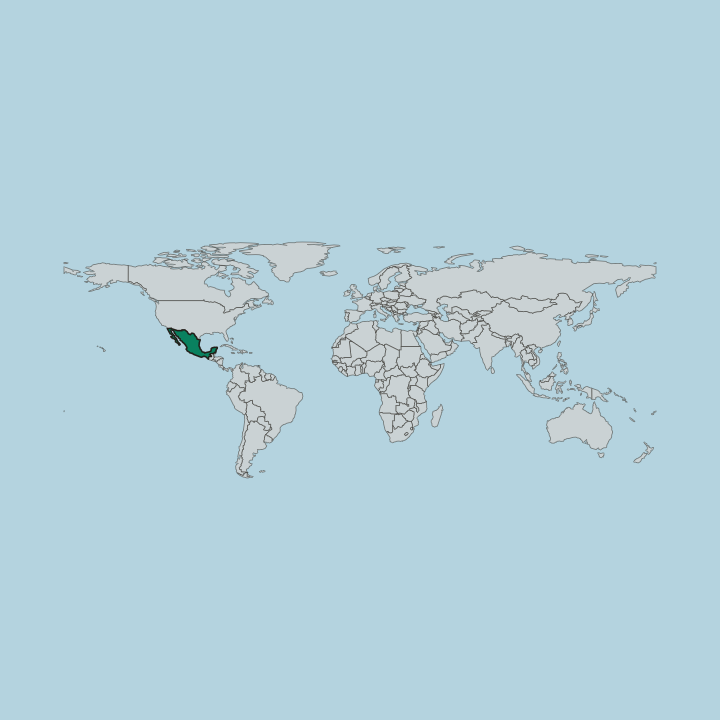
Acapulco de Juárez sits on a deep semicircular bay on the Pacific Coast of Guerrero, south of Mexico City. Steep hills ring the water. The city climbs the slopes that enclose the harbour, wrapping the shore of one of the largest natural bays on the coast, with the Pacific opening westward beyond the headlands of the municipal seat.
What is the climate of Acapulco de Juárez?
Acapulco de Juárez has a hot tropical climate warmed by the Pacific. The heat holds all year. A humid rainy season sweeps the bay through the summer months, when storms can run up the Pacific Coast, while the drier winter brings the calmest, clearest weather to the harbour and the hills of Guerrero.
How do you get to Acapulco de Juárez?
Acapulco de Juárez is reached most easily by the highway down from Mexico City, which drops through the mountains of Guerrero to the coast. The road ends at the sea. The city's international airport serves the Pacific bay, and as a working seaport Acapulco remains a port of call for cruise lines, its harbour tying the state to shipping along the Pacific Coast.
Common questions
What is the best area to stay in Acapulco de Juárez?
Acapulco old town: Colonial-port stays around Plaza Álvarez and Fuerte de San Diego. Acapulco bay strips: Beachfront resort stays near the Club de Yates.
Good for
More cities in Estado de Guerrero
Updated September 2026