Mexico · Estado de Guerrero
Where to Stay in Ixtapa-Zihuatanejo, Estado de Guerrero
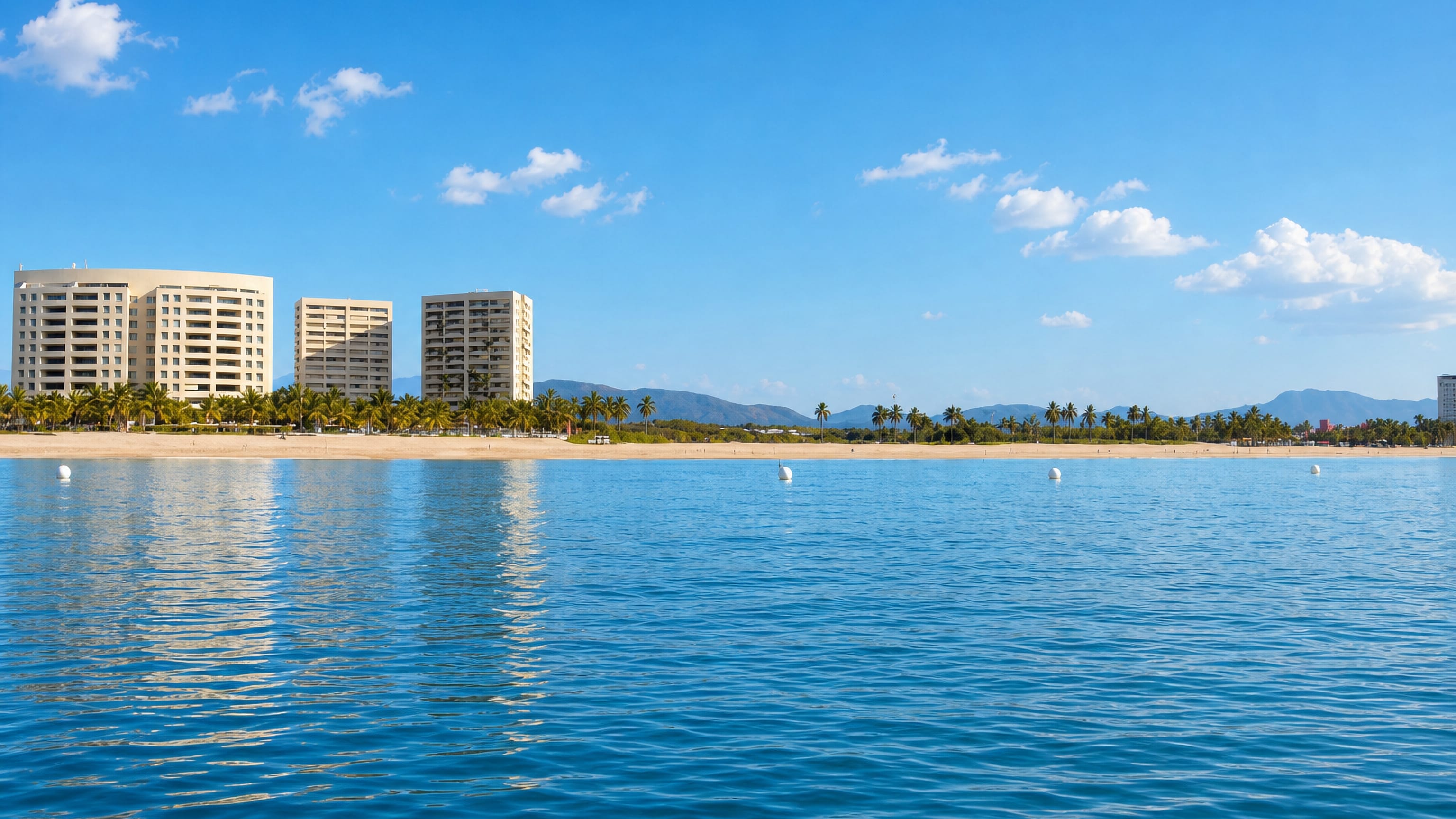
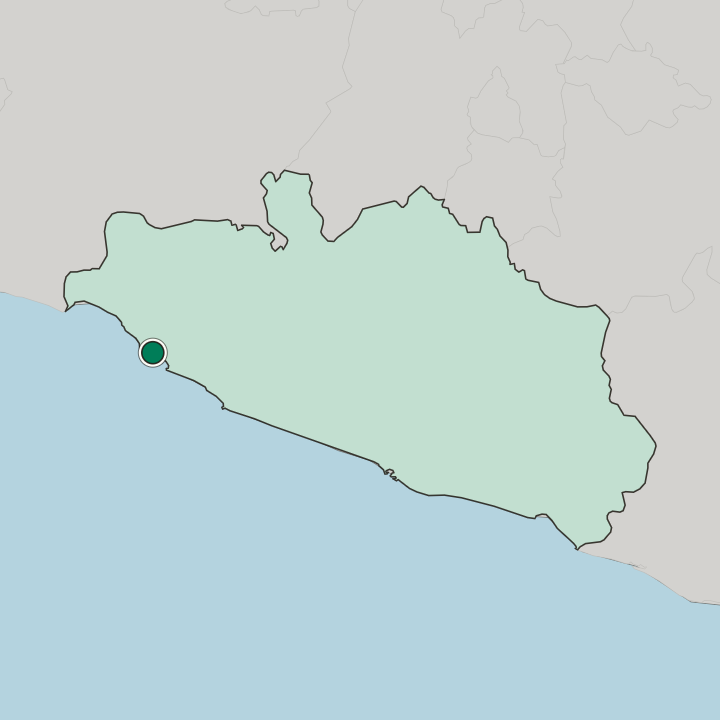
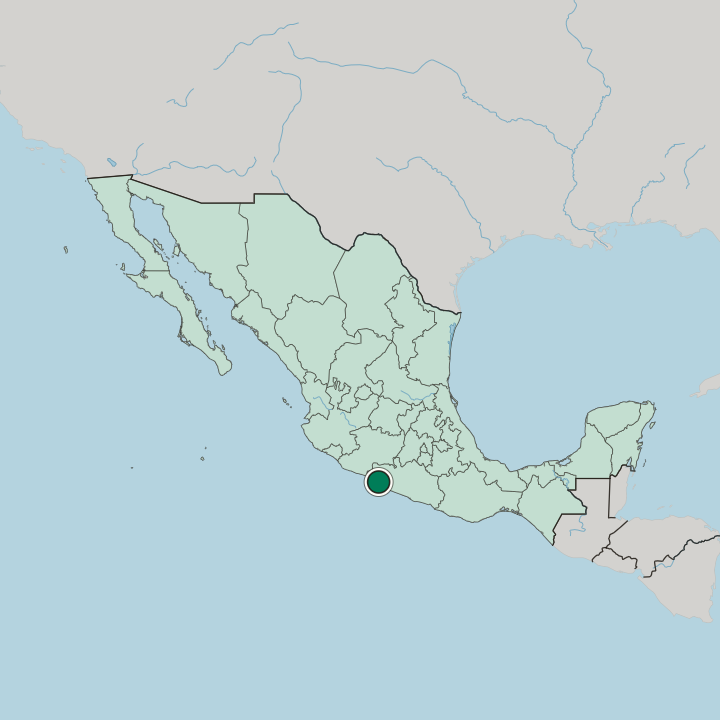
Ixtapa is a planned resort on the Pacific Ocean in Guerrero, 5 km from Zihuatanejo, seat of the Zihuatanejo de Azueta municipality.
Hotel links are affiliate links: booking through them may earn us a commission, at no extra cost to you. It never affects how places are ranked. How this works


Where to stay in Ixtapa-Zihuatanejo
The practical side of choosing where to sleep.
Two halves, one choice. Ixtapa is the planned side, laid out in the early 1970s over a coconut plantation and a mangrove estuary, and it suits anyone who wants the beach and the built resort together. Zihuatanejo is the other.
The municipal seat of Zihuatanejo de Azueta stands 5 km away and carries the Museo Arqueológico de la Costa Grande, which makes it the side to pick when the beach is not the whole point. Rolling mountains stand behind both. The 5 km between them matters.
Beds along that stretch of Guerrero coast let a stay use both, and they suit anyone unwilling to commit to either the resort or the old city for the whole trip. Acapulco is the far alternative. It lies 245 km along the same Pacific coast, which makes it a base only for a trip that treats Ixtapa-Zihuatanejo as one stop among several.
The Pacific Ocean is the constant on all of it, from the estuary Ixtapa covers to the beaches the older city keeps. Spanish serves everywhere here. Zihuatanejo de Azueta is the municipality that holds both halves, the planned resort and the seat that predates it.
Find hotels in Ixtapa-Zihuatanejo
Direct booking searches for these neighbourhoods.
Ixtapa
The purpose-built half, laid out in the early 1970s over a coconut plantation and mangrove estuary on the Pacific Ocean.Find hotels in Ixtapathe municipal seat 5 km from the resortZihuatanejo
The older city and seat of Zihuatanejo de Azueta, the side that carries the Museo Arqueológico de la Costa Grande.Find hotels in Zihuatanejosplitting the trip across both halvesThe 5 km between Ixtapa and Zihuatanejo
The short stretch of Guerrero coast that separates the planned resort from the old municipal seat, taken when neither half alone will do. Rooms are few around here — worth securing early.Find hotels in The 5 km between Ixtapa and Zihuatanejoa base 245 km down the same coastAcapulco instead
The other Guerrero resort, 245 km off, for a run along the Pacific that takes in Ixtapa-Zihuatanejo as a single stop.Find hotels in Acapulco insteadHotel links are affiliate links: booking through them may earn us a commission, at no extra cost to you. It never affects how places are ranked. How this works
About Ixtapa-Zihuatanejo
Two places share one name.
What is Ixtapa-Zihuatanejo known for?
Ixtapa was planned and built in the early 1970s on a former coconut plantation and mangrove estuary, while Zihuatanejo is the older city 5 km away and the seat of the municipality. The Pacific Ocean does the rest. Rolling mountains and beaches make the setting, and the Museo Arqueológico de la Costa Grande is the one museum the pair carries.
What are the main landmarks in Ixtapa-Zihuatanejo?
One museum is recorded. The Museo Arqueológico de la Costa Grande takes its name from the stretch of coast called the Costa Grande, and it is the single marked point recorded for Ixtapa and Zihuatanejo together. Landscape accounts for the rest.
Beaches on the Pacific Ocean, the mangrove estuary Ixtapa was built over and the rolling mountains of this coast are what the record names in place of monuments.
What is the history of Ixtapa-Zihuatanejo?
One half of this pair is new. Ixtapa was planned and built in the early 1970s, laid out on a former coconut plantation and a mangrove estuary, which makes it a designed resort rather than a town that grew. Zihuatanejo was already there.
The older city lies 5 km from the resort and holds the seat of the municipality of Zihuatanejo de Azueta, so the administrative weight stayed where it had always been. The coast set the terms. Both sit on the Pacific Ocean in Guerrero, 245 km from Acapulco, and the choice to build a new resort this far along that shore is what created the double name.
Older ground shows up in one place. The Museo Arqueológico de la Costa Grande holds what the Costa Grande has yielded, and it is the only part of the record here that reaches back past the plantation and the estuary. Guerrero is the state around both, on the Pacific Coast of Mexico.
No founding year is given for either. Ixtapa-Zihuatanejo is the joint name the pair is listed under, and Spanish is the language of both halves, the planned one and the old municipal seat alike.
Where is Ixtapa-Zihuatanejo?
The Pacific Ocean is the front edge. Ixtapa lies on that shore in Guerrero, 5 km from Zihuatanejo and 245 km from Acapulco, with rolling mountains standing inland of the beaches. A mangrove estuary was here first.
The resort was laid over that estuary and a coconut plantation, so the ground itself is part of what the tropical band and the coast handed the builders. Zihuatanejo de Azueta is the municipality.
What is the climate of Ixtapa-Zihuatanejo?
The Pacific Ocean sets it. Ixtapa and Zihuatanejo sit in the tropical band directly on that ocean, and the water beside them is the agent the record names, with the rolling mountains inland a second influence it mentions in passing. The mangrove estuary tells the same story.
Mangrove ground belongs to warm coasts, and Ixtapa was built over exactly that, which is as much as the file supports about the run of the year here.
How do you get to Ixtapa-Zihuatanejo?
Distance does the explaining. Zihuatanejo, the municipal seat, is 5 km from Ixtapa, and Acapulco lies 245 km along the same Guerrero coast, so arrivals come either from the seat next door or from far down the shore. No road number or operator is recorded.
The file names no line and no terminal for either half, which leaves the pair described by the 5 km between them and the 245 km back to Acapulco. Both halves run in Spanish.
Common questions
What is the best area to stay in Ixtapa-Zihuatanejo?
Ixtapa: the planned resort side on the Pacific. Zihuatanejo: the municipal seat 5 km from the resort. The 5 km between Ixtapa and Zihuatanejo: splitting the trip across both halves. Acapulco instead: a base 245 km down the same coast.
Good for
More cities in Estado de Guerrero
Updated September 2026