Mexico · Estado de Hidalgo
Where to Stay in Pachuca de Soto, Estado de Hidalgo
Pachuca is the silver-mining capital of Hidalgo in central Mexico, a windy highland city of Cornish miners, football, and pasties below the Sierra.
Hotel links are affiliate links: booking through them may earn us a commission, at no extra cost to you. It never affects how places are ranked. How this works


Where to stay in Pachuca de Soto
The practical side of choosing where to sleep.
Where you stay in Pachuca turns on the old centre. The streets around the clock keep the square, the museums, and the markets within a walk, and staying downtown suits anyone here for the city. Steep lanes climb the hillsides.
The wind whistles through the streets. Out toward Real del Monte and the mining hills, the town gives way to old mine works and pine woods. A room up in the hills trades the centre for the old mining towns, the Cornish graves, and the cool mountain air.
Pines cover the high ridges. Stay downtown for the clock, or in the hills for the mines. The centre lies a short drive down.
Find hotels in Pachuca de Soto
Direct booking searches for these neighbourhoods.
The old centre
Around the Monumental Clock in the old townFind hotels in The old centreStays wanting the old mines and Real del MonteThe mining hills
Up in the sierra among the mine worksFind hotels in The mining hillsHotel links are affiliate links: booking through them may earn us a commission, at no extra cost to you. It never affects how places are ranked. How this works
Things to do in Pachuca de Soto
Ranked by global recognition; descriptions from Wikidata (CC0).
Museums & Galleries
3- Museo Nacional de la Fotografía
- Historic Archive and Museum of Mining in Pachuca
- Cuartel del Arte en Pachuca, Hidalgo
Castles & Historic Sites
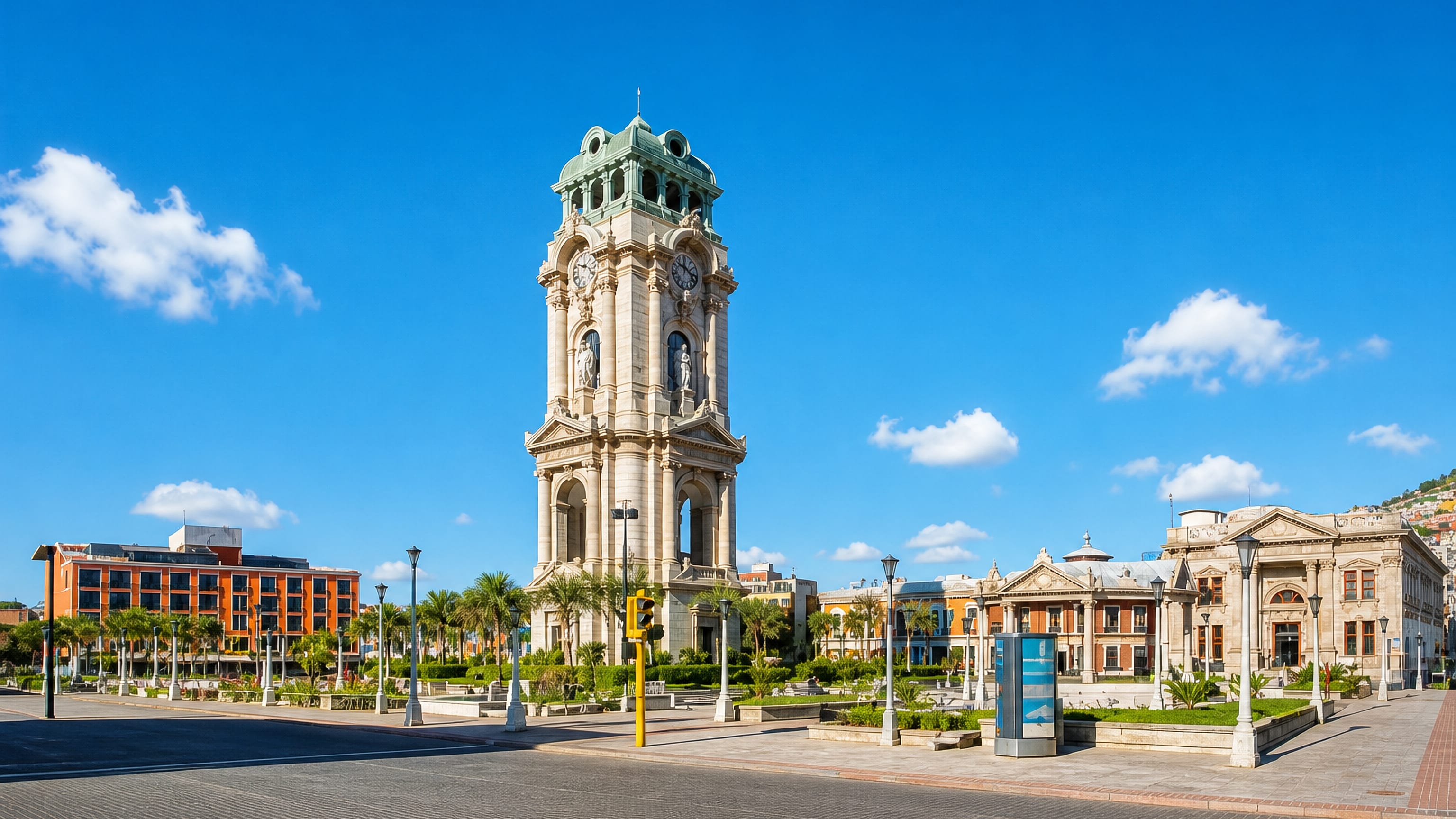
3- Monumental Clock of Pachuca
- Rotonda de los Hidalguenses Ilustres en Pachuca
- Memorial en honor a las víctimas de feminicidio
worth knowingacross 2 categories in Pachuca de Soto
About Pachuca de Soto
Pachuca is the silver city of the Mexican highlands.
What is Pachuca de Soto known for?
High in a windy fold of the Sierra north of the capital, it grew on the richest silver mines of the land, and its mines drew Cornish miners who brought football and the pasty, leaving the town the oldest club in Mexico, the meat pie they call the paste, and the tall Monumental Clock on its square. The wind sweeps the streets. Old mine heads dot the hills.
What are the main landmarks in Pachuca de Soto?
The Monumental Clock stands at the heart of Pachuca. The tall white clock tower on the main square, raised for the centenary of independence, rises over the city, the emblem of the town, above the streets. A mining museum keeps the past.
The old mining museum and archive hold the story of the silver, while the photography museum, the miners' pantheon, and the pasty shops mark the streets of Pachuca.
What is the history of Pachuca de Soto?
Pachuca was built on silver. The Spanish found rich silver ore in these hills in the fifteen-hundreds and dug mines that made the district one of the wealthiest in the Americas, and a mining town grew in the windy valley. Silver ran the town.
For centuries the ore of Pachuca and nearby Real del Monte fed the mints and the crown, and shafts and smelters spread across the slopes. Then miners came from Cornwall. British companies brought Cornish men to work the deep mines in the eighteen-twenties, and they left a lasting mark, bringing the game of football and the folded meat pie of their homeland.
Their game took root here. Pachuca founded the oldest football club in Mexico, and the Cornish pie became the paste, a dish the town still eats, while the great clock rose on the square for the centenary of independence. The mines still scar the hills.
Pachuca keeps its mines and its clock in the windy sierra.
Where is Pachuca de Soto?
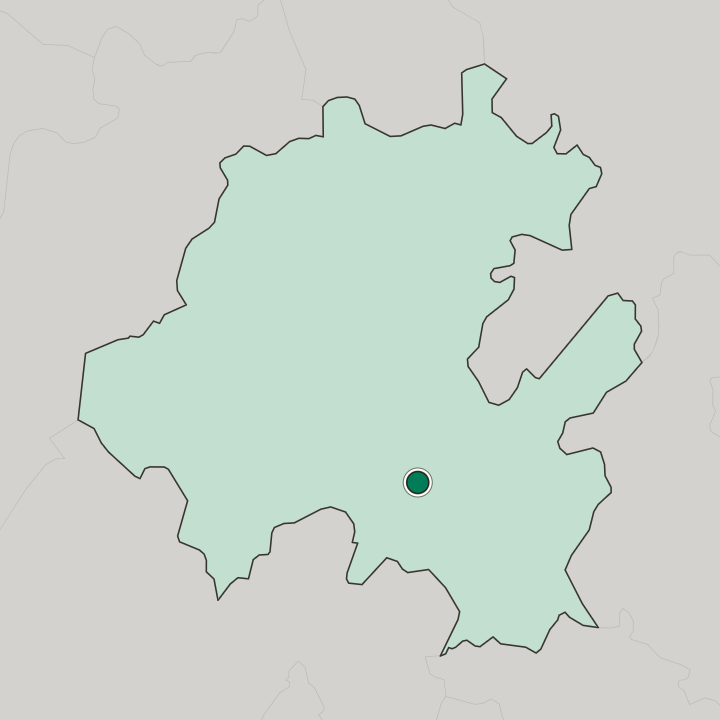
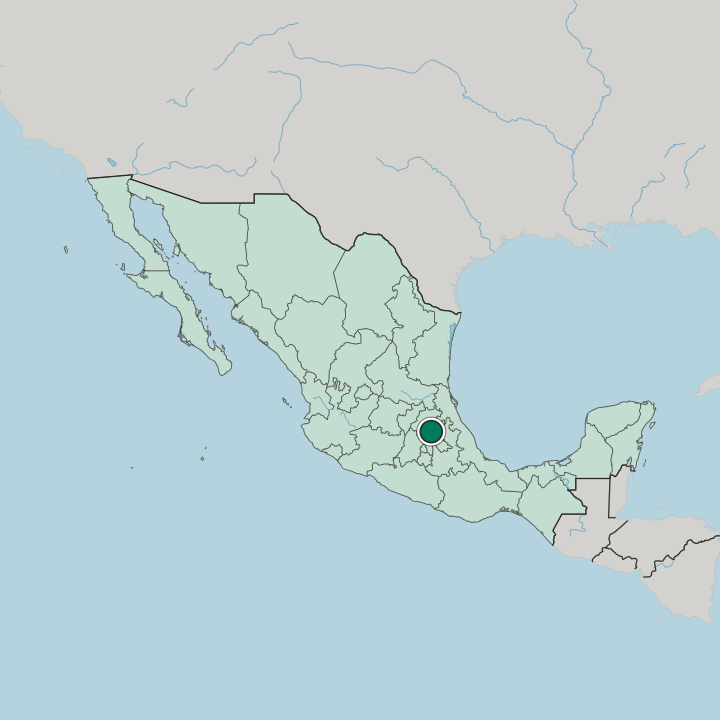
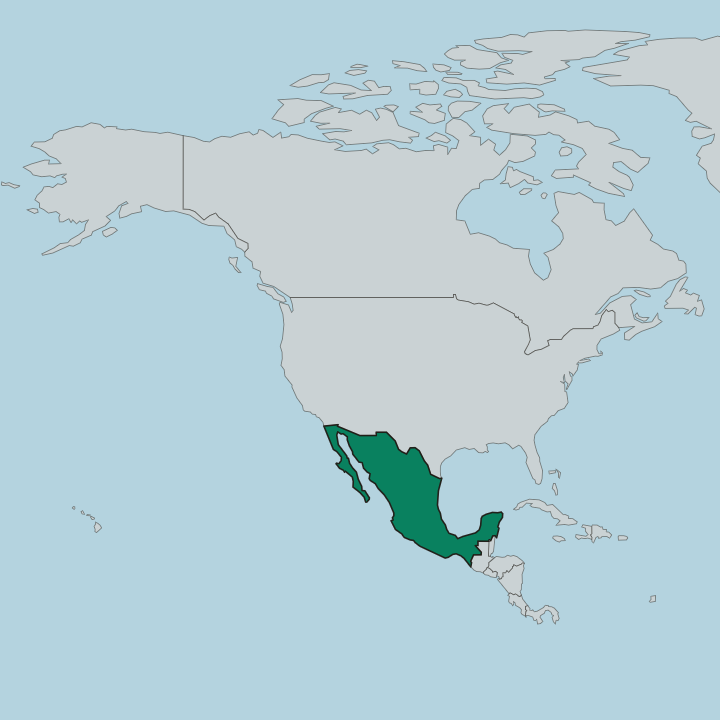
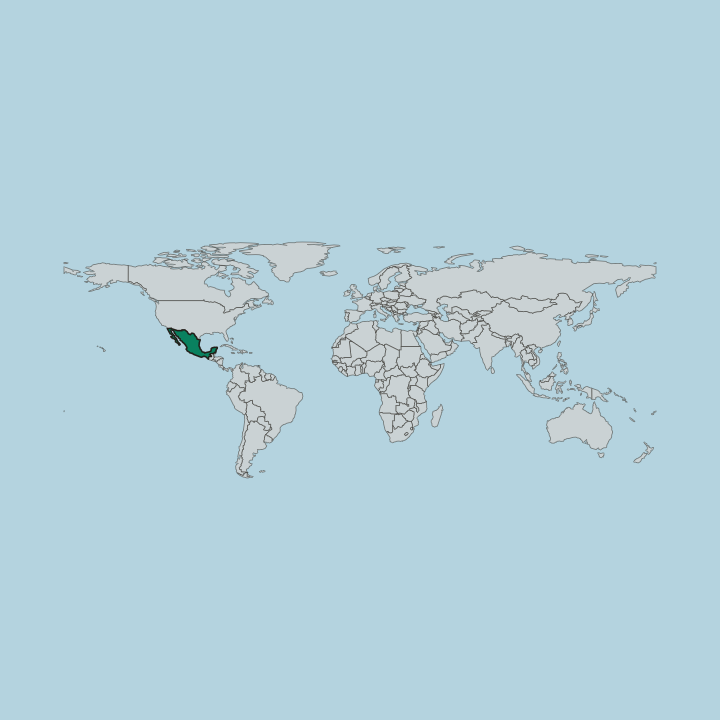
Pachuca lies in central Mexico, high in the Sierra de Pachuca north of Mexico City. The city climbs the slopes of a narrow, windy valley at over two thousand metres, ringed by bare mining hills pocked with old shafts, at the edge of the high plateau. Bare peaks rise around the town.
The wind never leaves the streets.
What is the climate of Pachuca de Soto?
Pachuca has a cool, dry highland climate marked by its wind. Chilly nights and mild days cross the year at this height, with a short summer rain and a famous wind that gives the town its name as the airy one. Cold winds sweep off the sierra.
The nights turn sharp and clear.
How do you get to Pachuca de Soto?
Pachuca lies in central Mexico, on the road north from Mexico City into the mining hills. Fast highways climb to it from the capital across the high plain, and buses run up to the old mines. Roads reach Real del Monte nearby.
Mexico City lies to the southwest.
Common questions
What is the best area to stay in Pachuca de Soto?
The old centre: Visitors here for the clock, square, and museums. The mining hills: Stays wanting the old mines and Real del Monte.
Good for
Updated September 2026