Mexico · Estado de Jalisco
Where to Stay in Puerto Vallarta, Estado de Jalisco
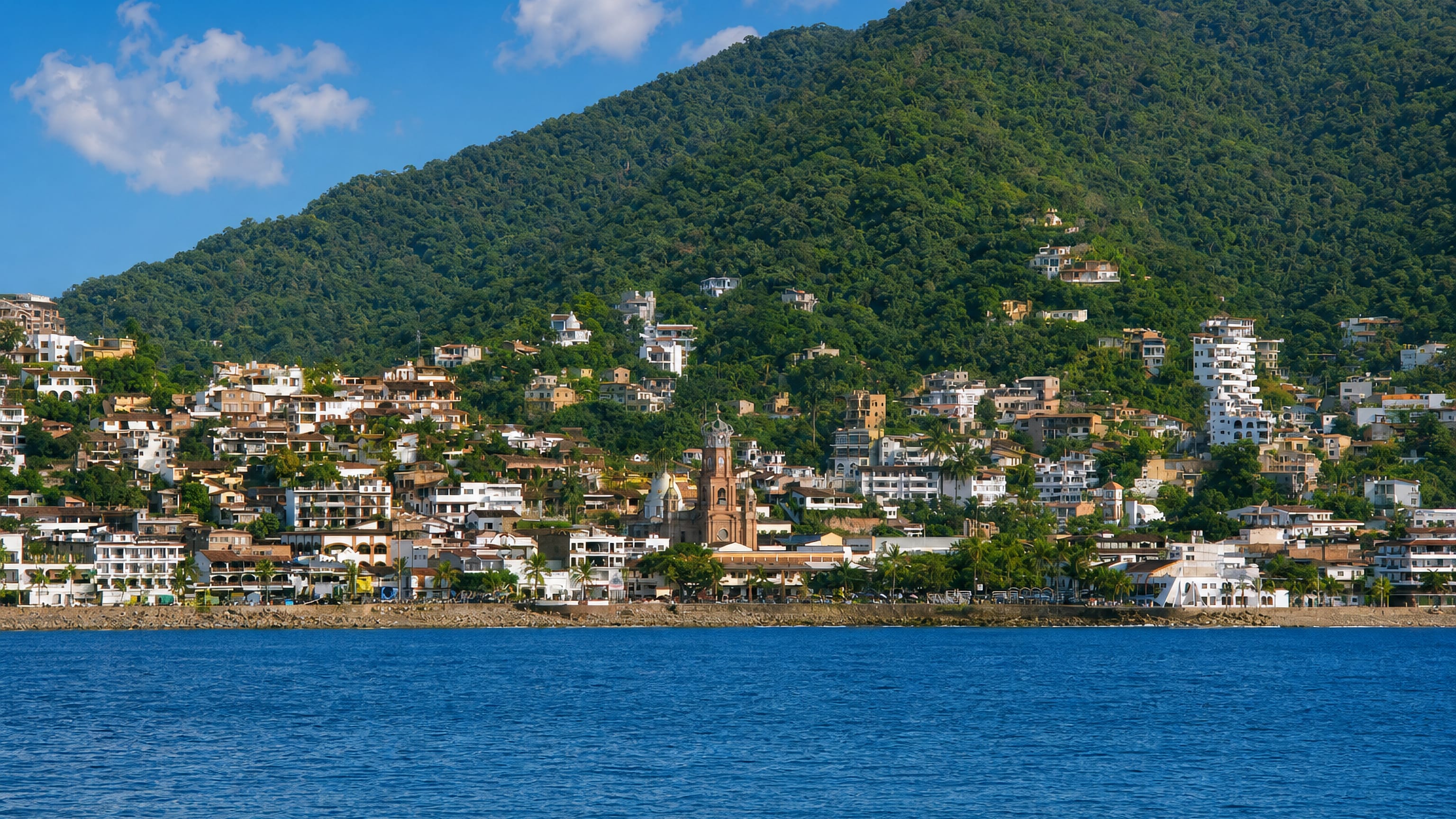
Surf folds onto the sand at Puerto Vallarta, a resort city on Bahía de Banderas along the Pacific coast in Jalisco, known for the Malecon and its old town.
Hotel links are affiliate links: booking through them may earn us a commission, at no extra cost to you. It never affects how places are ranked. How this works


Where to stay in Puerto Vallarta
Where visitors usually base themselves, and why.
Puerto Vallarta stretches along Bahía de Banderas, and where you stay turns on how close you want to be to the old town and the beach. The Zona Romantica is the walkable historic core, where cobbled lanes run down toward the water. Cross the centre and the Malecon district gathers the boardwalk, the Cathedral of Our Lady of Guadalupe, and the busiest run of shops and restaurants in town.
The resort strip lines the shore with larger hotels. Each sits behind its own stretch of sand. Every part of the city trades a different balance of quiet and access.
The Zona Romantica keeps the town at its most pedestrian and intimate. Base yourself on the Malecon and the evening crowd is at your door, close to the Museo del Arte en Piel and the Iglesia de la Santa Cruz on the bay. The resort strip favours space and a pool over street life.
Pick by the town at your door.
Find hotels in Puerto Vallarta
Direct booking searches for these neighbourhoods.
Zona Romantica
The Zona Romantica holds the cobbled historic core of Puerto Vallarta, where lanes run down toward the beaches on Bahía de Banderas.Find hotels in Zona RomanticaBoardwalk evenings by the Cathedral of Our Lady of Guadalupe in Puerto VallartaMalecon and the old town
The Malecon boardwalk gathers the Cathedral of Our Lady of Guadalupe and the busiest run of shops and restaurants in Puerto Vallarta.Find hotels in Malecon and the old townLarger hotels set back along the Bahía de Banderas shore at Puerto VallartaThe resort strip
The resort strip lines the Bahía de Banderas shore with hotels behind their own beaches, trading the street life of Puerto Vallarta for space and a pool.Find hotels in The resort stripHotel links are affiliate links: booking through them may earn us a commission, at no extra cost to you. It never affects how places are ranked. How this works
Things to do in Puerto Vallarta
Ranked by global recognition; descriptions from Wikidata (CC0).
Museums & Galleries
3- Museo Arqueológico de Puerto Vallarta Cuale
- Museo Histórico Naval de Puerto Vallarta
- Museo del Arte en Piel
Churches & Religious Sites
2- Cathedral of Our Lady of Guadalupe
- Iglesia de la Santa Cruz
Stadiums & Sports
1- Canto Del Sol Puerto Vallarta All Inclusive
worth knowingacross 3 categories in Puerto Vallarta
About Puerto Vallarta
What is Puerto Vallarta known for?
Puerto Vallarta is known first for its shoreline on Bahía de Banderas, where beaches curve between the water and the jungle hills behind the town. The Malecon, a seafront boardwalk, threads past shops and restaurants toward the old town. Its historic heart is the Zona Romantica.
The Cathedral of Our Lady of Guadalupe rises above the streets nearby. Add the Museo Arqueológico de Puerto Vallarta Cuale and the resort strip along the bay, and the draw is clear.
What are the main landmarks in Puerto Vallarta?
Puerto Vallarta gathers its landmarks around the old town near Bahía de Banderas. The Cathedral of Our Lady of Guadalupe crowns the centre with its tower above the streets, and the Iglesia de la Santa Cruz stands a short walk away. Two museums hold the town's past.
The Museo Arqueológico de Puerto Vallarta Cuale keeps pre-Hispanic finds, while the Museo Histórico Naval de Puerto Vallarta traces the coast's maritime history. Worked leather fills the Museo del Arte en Piel. Together they anchor the walk between the Malecon and the Zona Romantica.
What is the history of Puerto Vallarta?
Puerto Vallarta grew from a settlement on Bahía de Banderas that was founded in 1851. It began as a small landing on the Pacific coast that served the mining districts inland toward Mascota and San Sebastián del Oeste. Supplies moved through the anchorage.
The port sat within the state of Jalisco, hemmed in by jungle and the hills behind it. For a long time the place stayed a fishing and shipping port with poor roads, and the sea did most of the carrying. Access changed the town.
Once air and highway links reached Bahía de Banderas, the old core filled out with visitors, and the settlement founded in 1851 spread along the shore into the resort city it became. The Cathedral of Our Lady of Guadalupe, raised in the old town, marks the older centre at the heart of that growth. It stands second in Jalisco after Guadalajara.
Where is Puerto Vallarta?
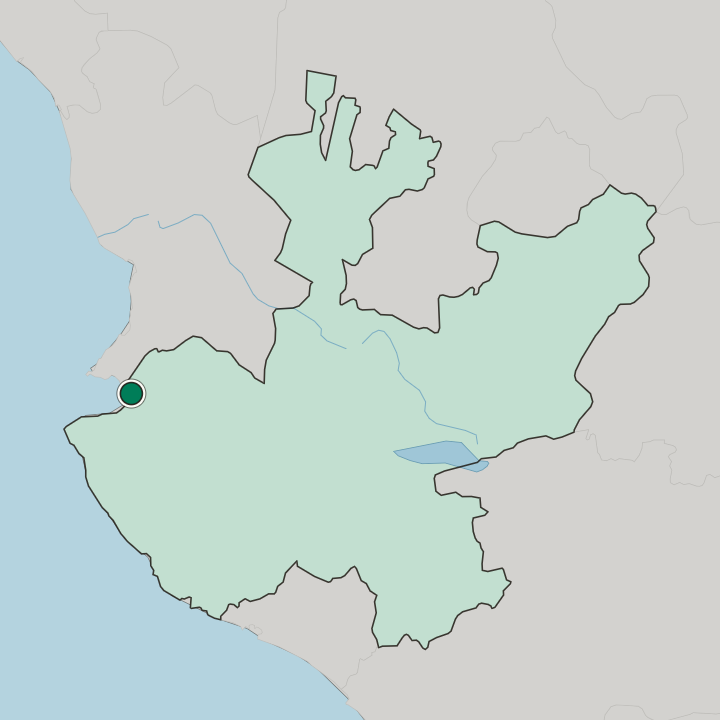
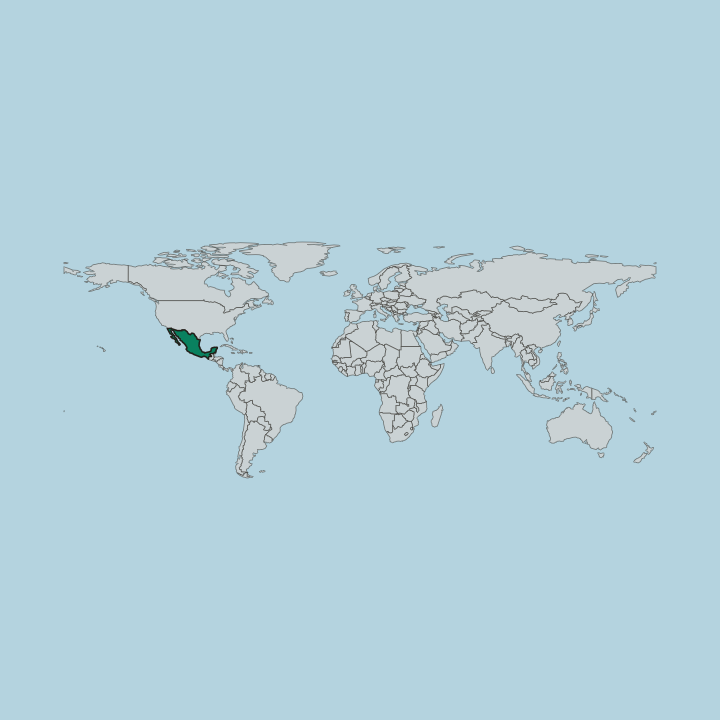
Puerto Vallarta sits on Bahía de Banderas, the wide Pacific bay that opens the town to the sea. Jungle-covered hills rise close behind the city. The municipality reaches from Boca de Tomatlán in the south to the Nayarit border in the north, bordering the municipalities of Mascota and Cabo Corrientes inland.
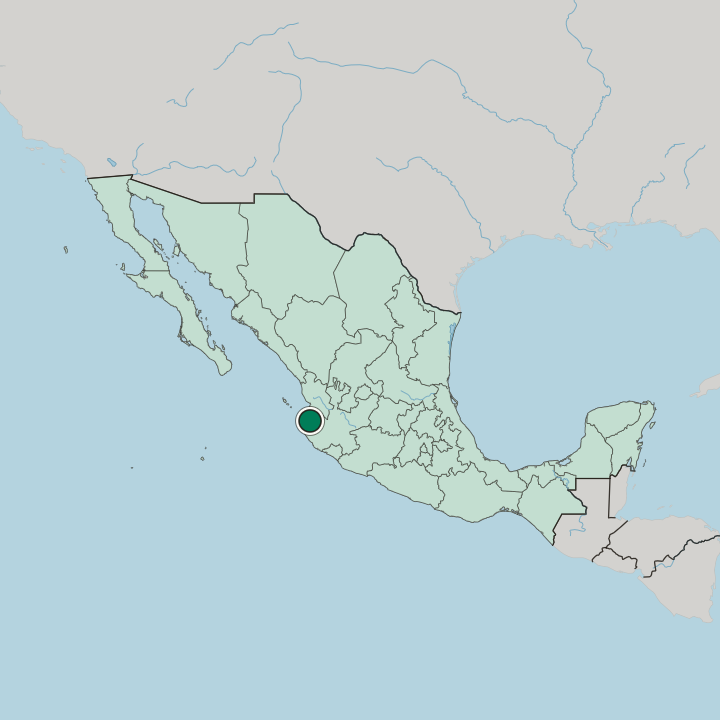
It lies west of Guadalajara, across the state of Jalisco. Waterfalls run down from the hills toward the bay.
What is the climate of Puerto Vallarta?
Puerto Vallarta has a tropical climate shaped by Bahía de Banderas and the Pacific. The year splits in two. A hot, humid wet season gives way to a warmer, drier stretch, and the rains fall in the warm months when afternoon storms build over the hills behind the town and run down toward the bay.
Drier months bring long, bright days along the coast. The sea keeps the shore warm, and the jungle stays green well past the rains.
How do you get to Puerto Vallarta?
Puerto Vallarta is reached most easily by air, through its coastal airport along the bay. Most visitors fly in. By land, a highway climbs east to Guadalajara across Jalisco, while another follows the shore north into Nayarit past Bahía de Banderas, and the mountain roads link the inland towns of Mascota and Talpa de Allende.
South along the coast, the road runs to Boca de Tomatlán, where the paved route ends and the bay's south shore turns to boat access.
Common questions
What is the best area to stay in Puerto Vallarta?
Zona Romantica: Walkable old town lanes down to the Bahía de Banderas beaches in Puerto Vallarta. Malecon and the old town: Boardwalk evenings by the Cathedral of Our Lady of Guadalupe in Puerto Vallarta. The resort strip: Larger hotels set back along the Bahía de Banderas shore at Puerto Vallarta.
Good for
More cities in Estado de Jalisco
Updated September 2026