Mexico · Estado de Jalisco
Where to Stay in Zapopan, Estado de Jalisco
Zapopan, founded in 1541, is the most populous municipality of Jalisco and forms part of the Guadalajara Metropolitan Area.
Hotel links are affiliate links: booking through them may earn us a commission, at no extra cost to you. It never affects how places are ranked. How this works


Where to stay in Zapopan
One neighbourhood here has its own guide — here's what it is best for.

 ZapopanMexico
San Francisco Tesistán
San Francisco Tesistán is a village in the Zapopan municipality of Jalisco whose Nahuatl name Techistlán means the place where the Techictli bird abounds.Where to stay →Hotel links are affiliate links: booking through them may earn us a commission, at no extra cost to you. It never affects how places are ranked. How this works
Find hotels in Zapopan
Direct booking searches for these neighbourhoods.
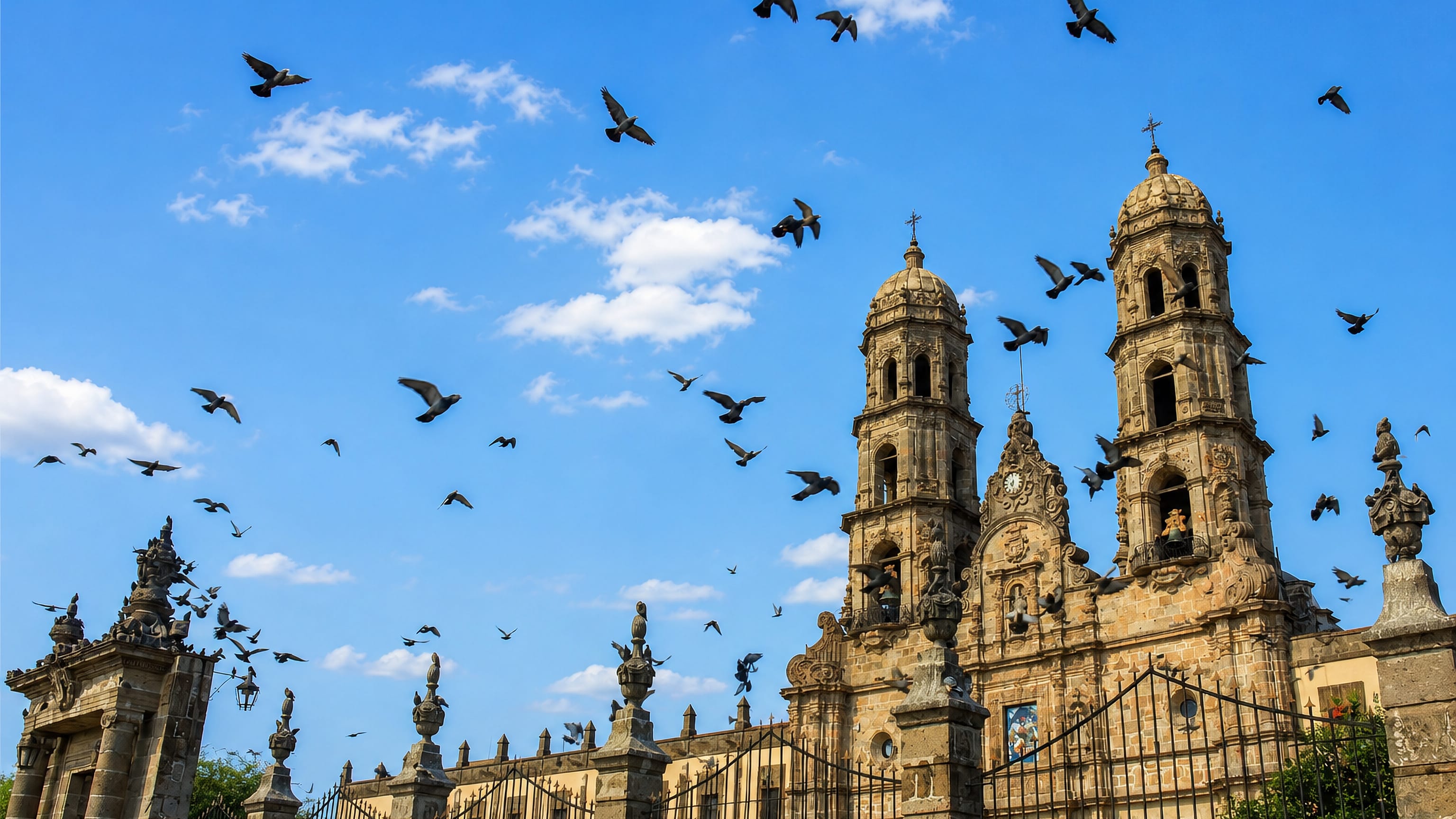
Basilica of Our Lady of Zapopan
The Basilica of Our Lady of Zapopan and the Museo de Arte de Zapopan share the oldest ground in the municipality.Find hotels in Basilica of Our Lady of Zapopanscience visits and the newer institutional side of ZapopanMuseo de Ciencias Ambientales district
The Museo de Ciencias Ambientales sits away from the basilica crowds on the municipality's newer ground.Find hotels in Museo de Ciencias Ambientales districttrips booked around a fixture or a training meetEstadio Astros and CODE Revolución
Estadio Astros and the Polideportivo CODE Revolución put the venues within walking distance of the room.Find hotels in Estadio Astros and CODE RevoluciónHotel links are affiliate links: booking through them may earn us a commission, at no extra cost to you. It never affects how places are ranked. How this works
Things to do in Zapopan
Ranked by global recognition; descriptions from Wikidata (CC0).
Museums & Galleries
3- Museo de Arte de Zapopan
- Museo Etnográfico Huichol Wixxarika
- Wixarica Huichol Art Museum
Churches & Religious Sites
1- Basilica of Our Lady of Zapopan
Castles & Historic Sites
1- Colombus memorial in Guadalajara
worth knowingacross 3 categories in Zapopan
About Zapopan
What is Zapopan known for?
The Basilica of Our Lady of Zapopan is the building everyone names first, and around it the municipality has assembled a museum roster wide enough to cover art, science, and the culture of the Huichol. Wixárika work has two homes. The Museo Etnográfico Huichol Wixxarika and the Wixarica Huichol Art Museum both hold it, while the Museo de Arte de Zapopan takes contemporary work and the Museo de Ciencias Ambientales takes the environmental side.
Sport fills Estadio Astros and the Polideportivo CODE Revolución.
What are the main landmarks in Zapopan?
One church leads. The Basilica of Our Lady of Zapopan carries the name of the municipality itself, and behind it the museums divide the ground between them: the Museo de Arte de Zapopan for contemporary work, the Museo de Ciencias Ambientales for the environment, and both the Museo Etnográfico Huichol Wixxarika and the Wixarica Huichol Art Museum for Wixárika art. Venues close the list.
Estadio Astros and the Polideportivo CODE Revolución are the addresses Jalisco uses for matches and training, and they belong to a Zapopan that grew long after the basilica was built.
What is the history of Zapopan?
Zapopan dates from 1541, and for most of the centuries after that founding it was a separate settlement of Jalisco with the Basilica of Our Lady of Zapopan at its heart rather than a district of anything larger. The basilica came to carry the name. A church of that standing draws people from well beyond the municipality, and the devotional traffic it generated shaped the streets around it long before any modern institution appeared.
Growth changed the relationship with Guadalajara. What had been a neighbouring town became part of the Guadalajara Metropolitan Area, and Zapopan ended up the most populous municipality in the state while keeping its own name, its own centre, and a footprint of 200 square kilometres. The scale is modern; the core is not.
Museums arrived with that expansion, the Museo de Arte de Zapopan for contemporary work and the Museo de Ciencias Ambientales for environmental science, and both the Museo Etnográfico Huichol Wixxarika and the Wixarica Huichol Art Museum record the Wixárika tradition that predates every building around them. Sport followed the same curve. Estadio Astros and the Polideportivo CODE Revolución are late additions to a municipality founded in 1541, and their presence marks how far the place moved from the pilgrimage town that grew up beside a basilica.
Where is Zapopan?
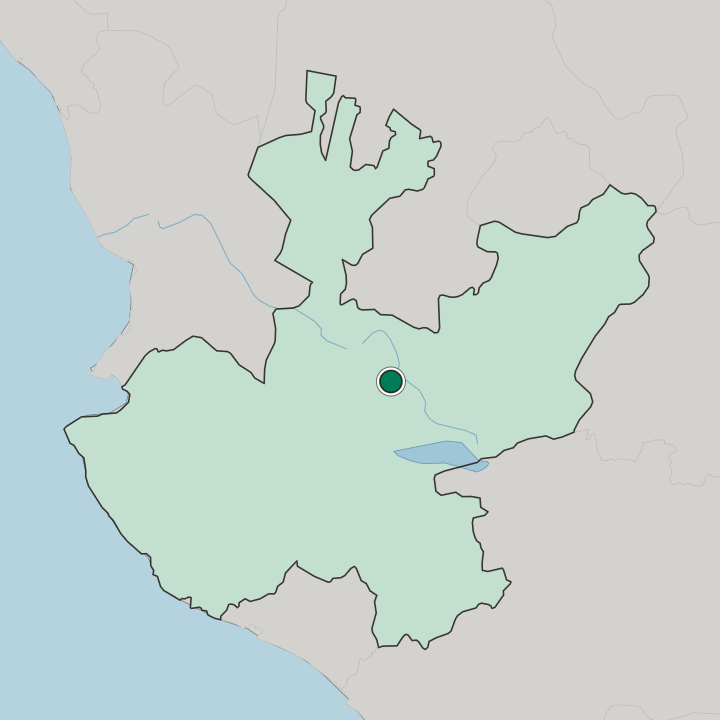
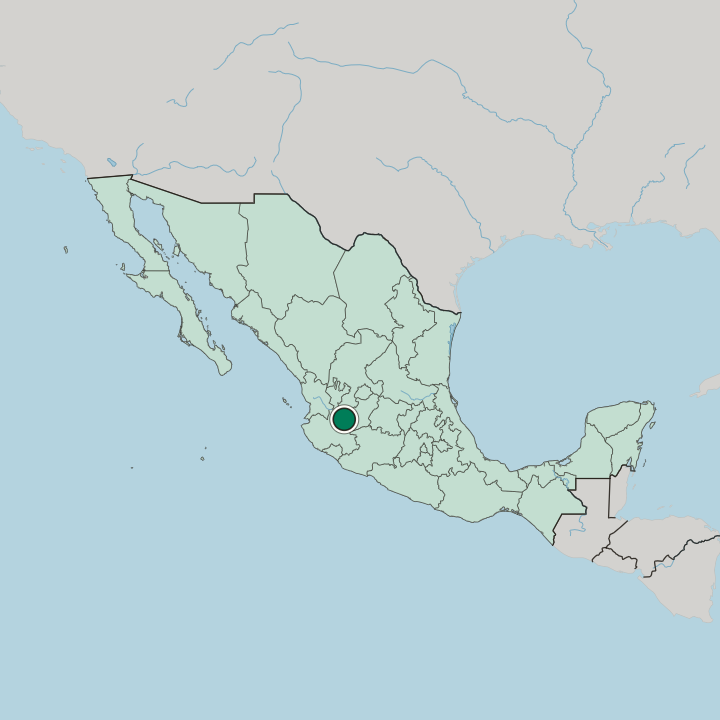
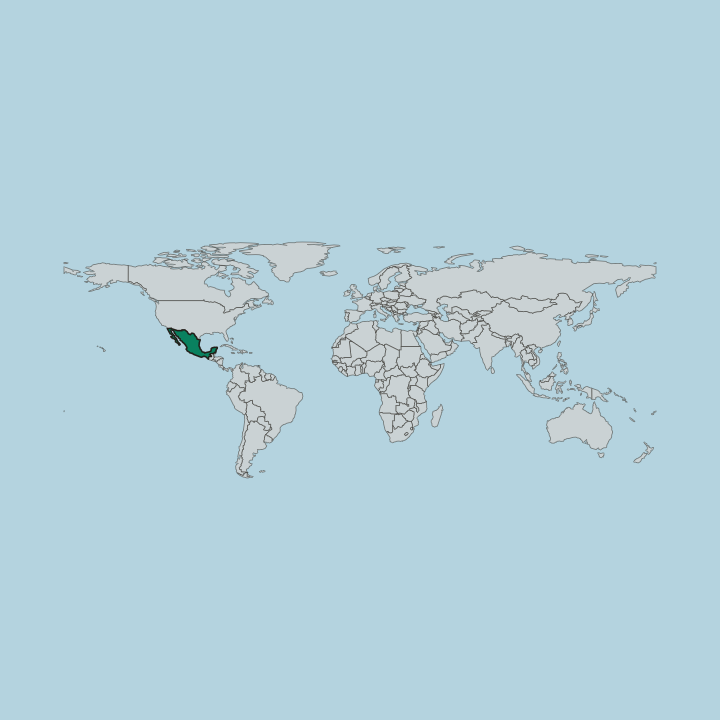
Two hundred square kilometres of Jalisco make up the municipality, and Zapopan uses that extent to hold a dense old core beside long stretches of newer building, all of it inland and none of it touching a coast. Guadalajara adjoins it. Being part of the Guadalajara Metropolitan Area means the built-up ground runs across the boundary without an obvious break, so the edge between the two is administrative rather than visible.
The tropical band covers the whole area.
What is the climate of Zapopan?
Rainfall, not temperature, is what separates one part of the year from another across the Guadalajara Metropolitan Area, and Zapopan shares that pattern with every municipality around it in Jalisco. The tropical band explains most of it. An inland position with no coastline nearby leaves the seasonal rains as the main variable a visitor plans around.
Dry months make the walking easier. Anyone timing a trip around the Basilica of Our Lady of Zapopan or an open-air fixture at Estadio Astros will notice the difference more than a thermometer would.
How do you get to Zapopan?
Most people reach Zapopan through Guadalajara, because the two share the same continuous urban ground and the Guadalajara Metropolitan Area moves traffic across the boundary all day without anything marking the crossing. Arrivals are overland. Once inside, the useful markers are the Basilica of Our Lady of Zapopan for the old centre and the Polideportivo CODE Revolución for the sports district, which stand far enough apart in a municipality of this extent to be worth checking before setting out.
Jalisco roads handle the rest.
Common questions
What is the best area to stay in Zapopan?
Basilica of Our Lady of Zapopan: mornings that begin at the basilica doors. Museo de Ciencias Ambientales district: science visits and the newer institutional side of Zapopan. Estadio Astros and CODE Revolución: trips booked around a fixture or a training meet.
Good for
More cities in Estado de Jalisco
Updated October 2026