Mexico
Estado de Jalisco, Mexico — Towns & Travel Guide
Jalisco is a state of western Mexico where tequila and mariachi began, anchored by Guadalajara and the Pacific resort of Puerto Vallarta.
Hotel links are affiliate links: booking through them may earn us a commission, at no extra cost to you. It never affects how places are ranked. How this works


Towns & cities in Estado de Jalisco
Pick a town or city — each links to where to stay.

 Mexico
Zapopan
Zapopan, founded in 1541, is the most populous municipality of Jalisco and forms part of the Guadalajara Metropolitan Area.Where to stay →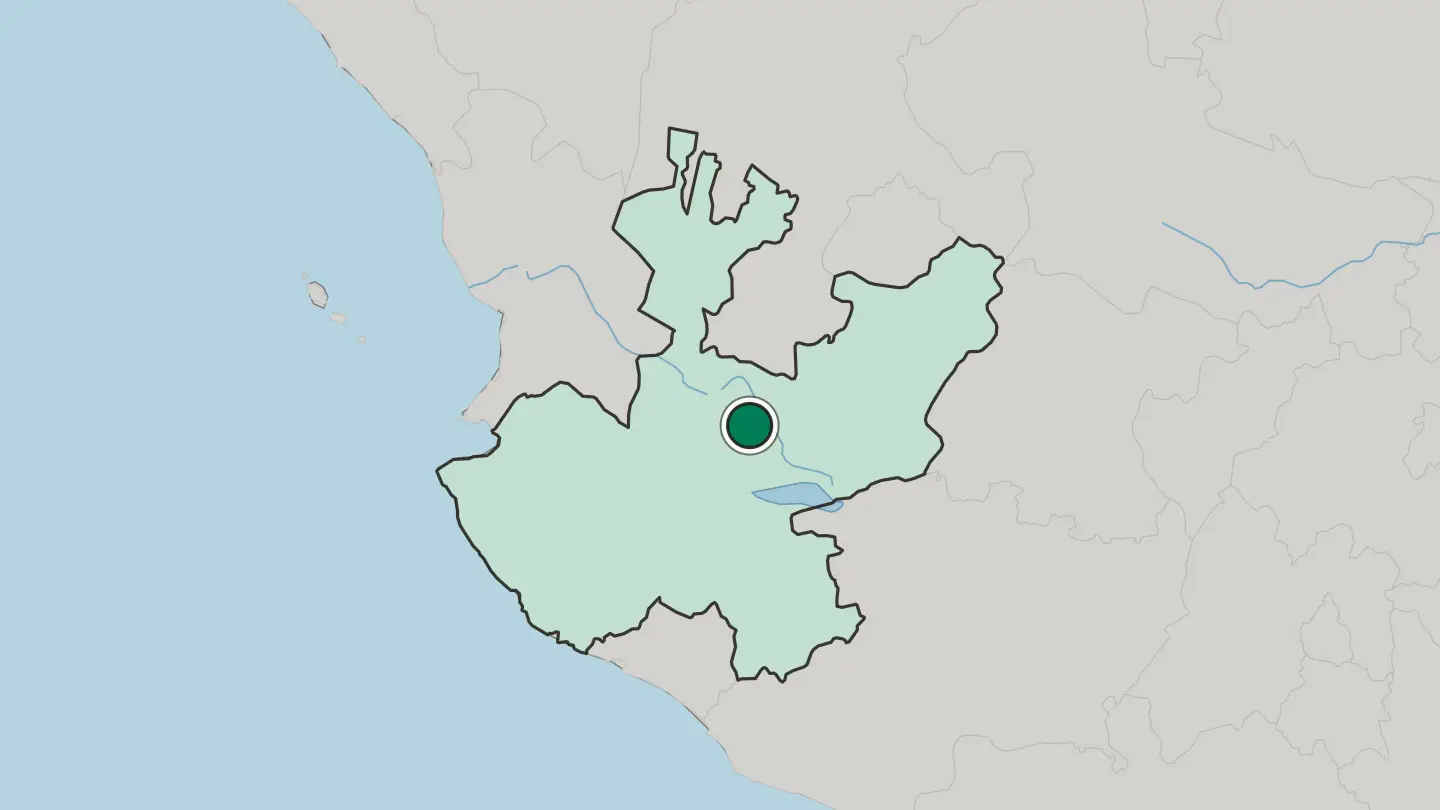
 Mexico
Guadalajara
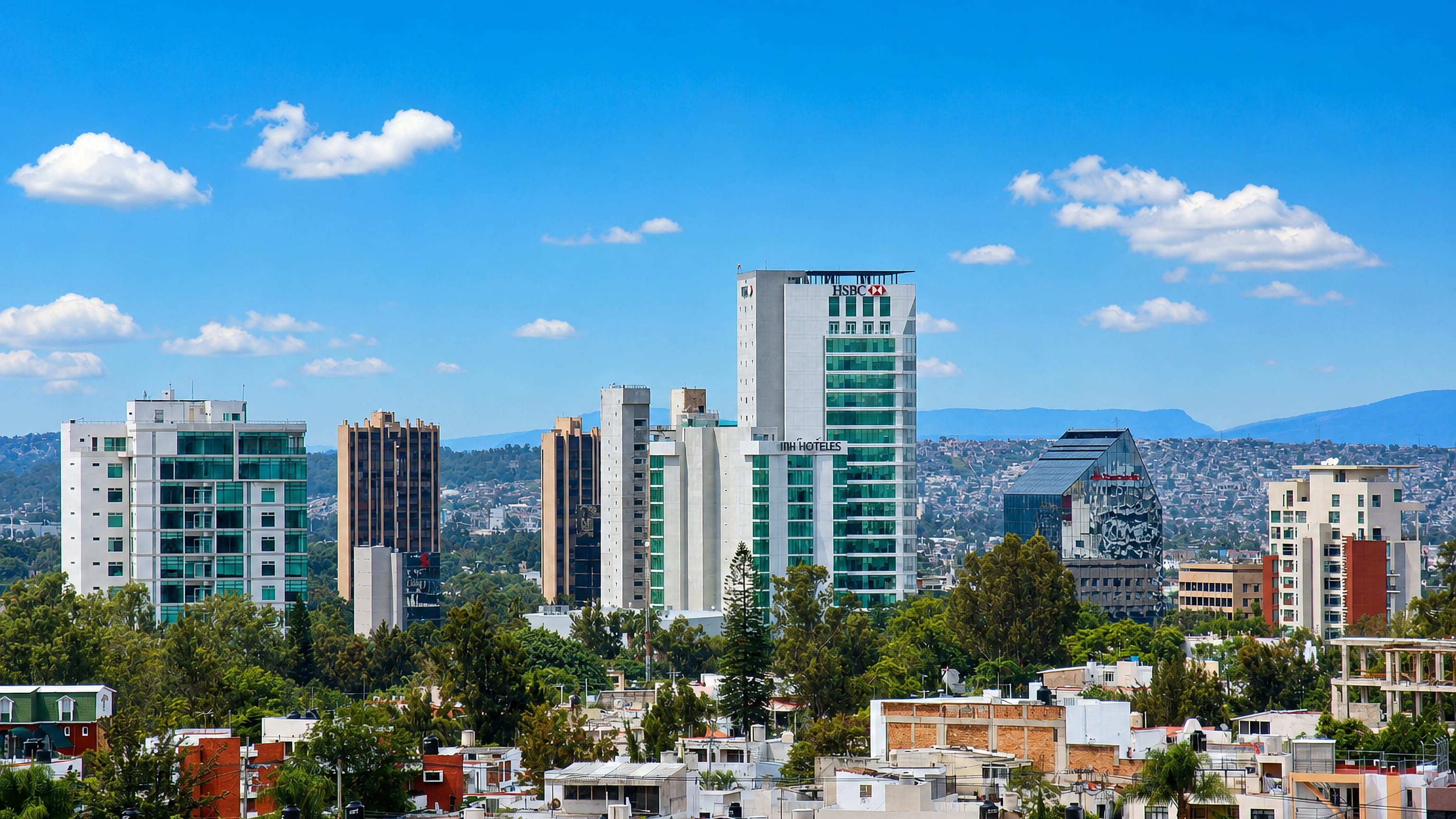
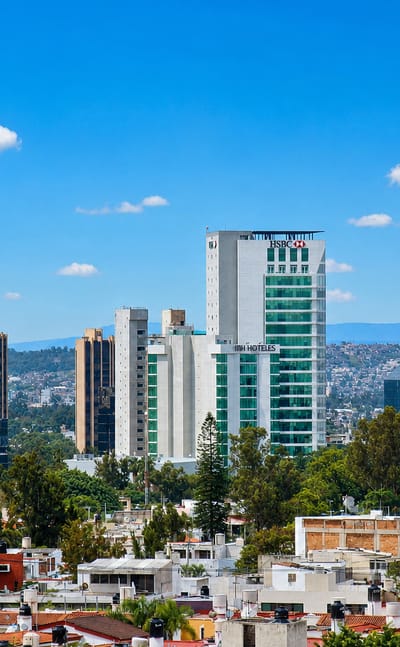
Church bells ring over colonial Guadalajara, capital of Jalisco in western Mexico, known for the Guadalajara Cathedral and its mariachi tradition.Where to stay →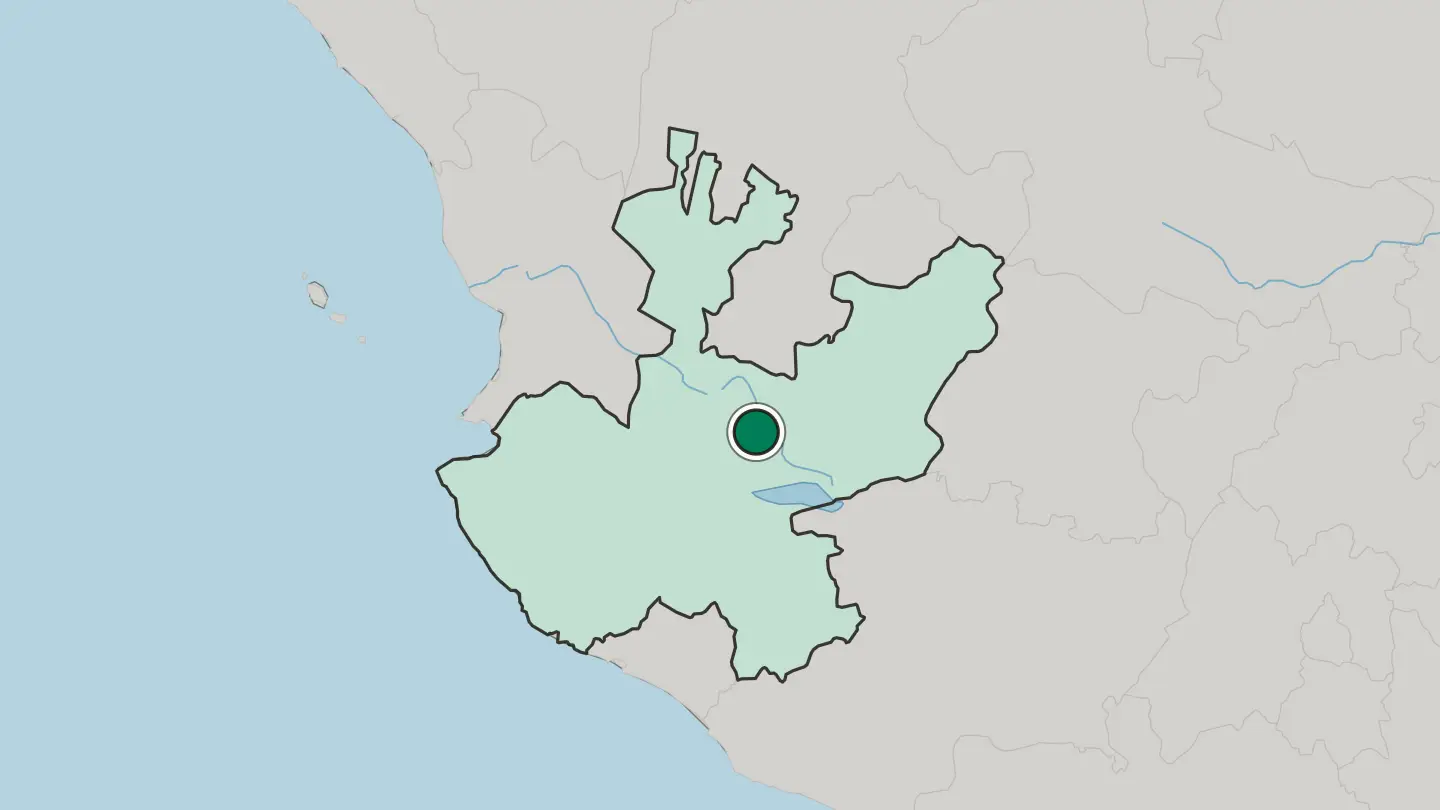
 Mexico
Tlaquepaque
Tlaquepaque, officially San Pedro Tlaquepaque, is a city and municipality of Jalisco whose public collections are built almost entirely around ceramics.Where to stay →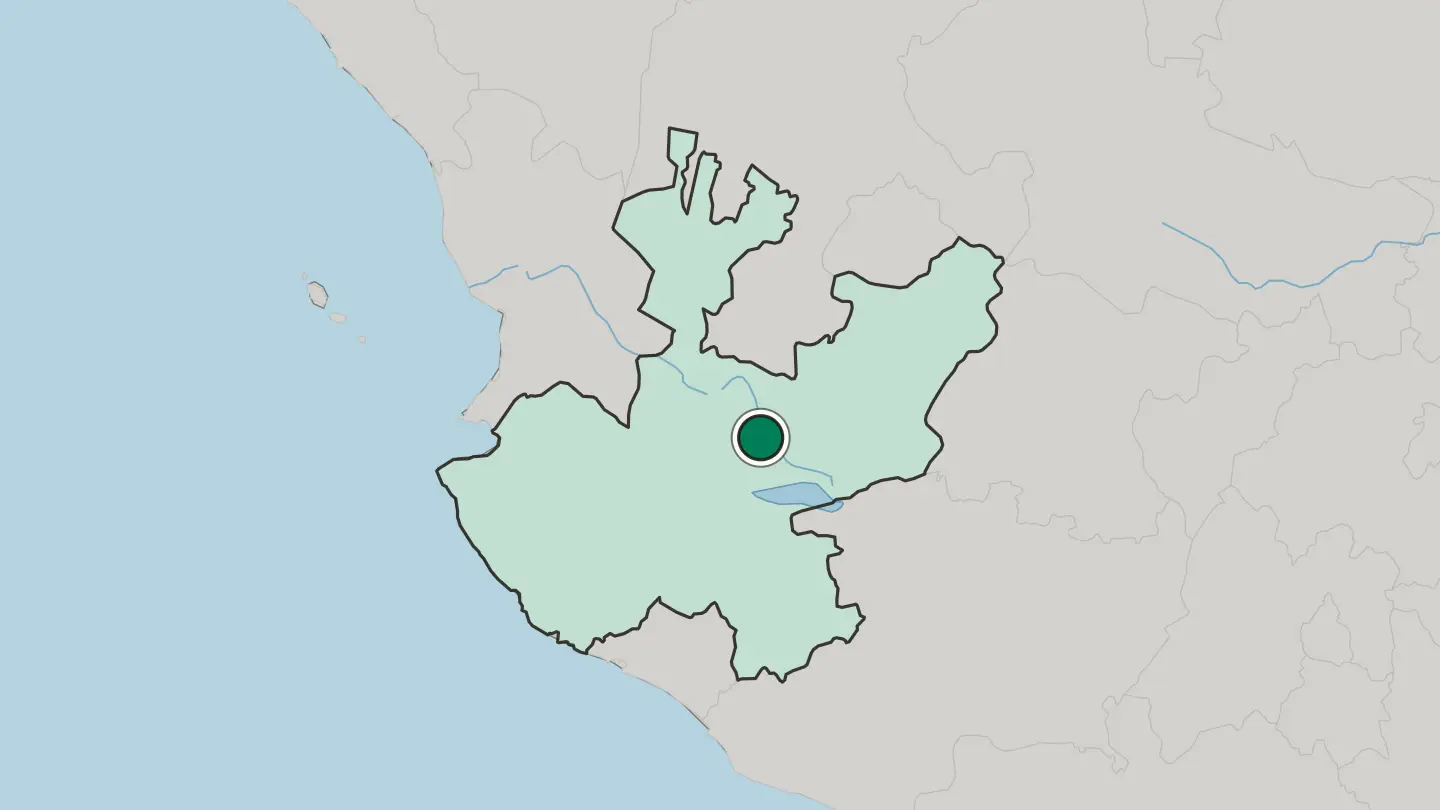
 Mexico
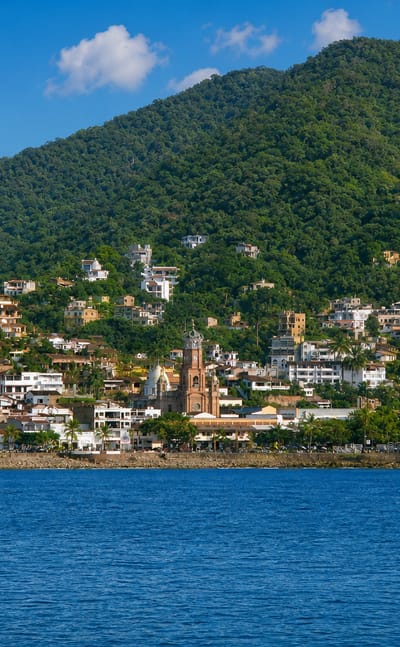
Puerto Vallarta
Surf folds onto the sand at Puerto Vallarta, a resort city on Bahía de Banderas along the Pacific coast in Jalisco, known for the Malecon and its old town.Where to stay →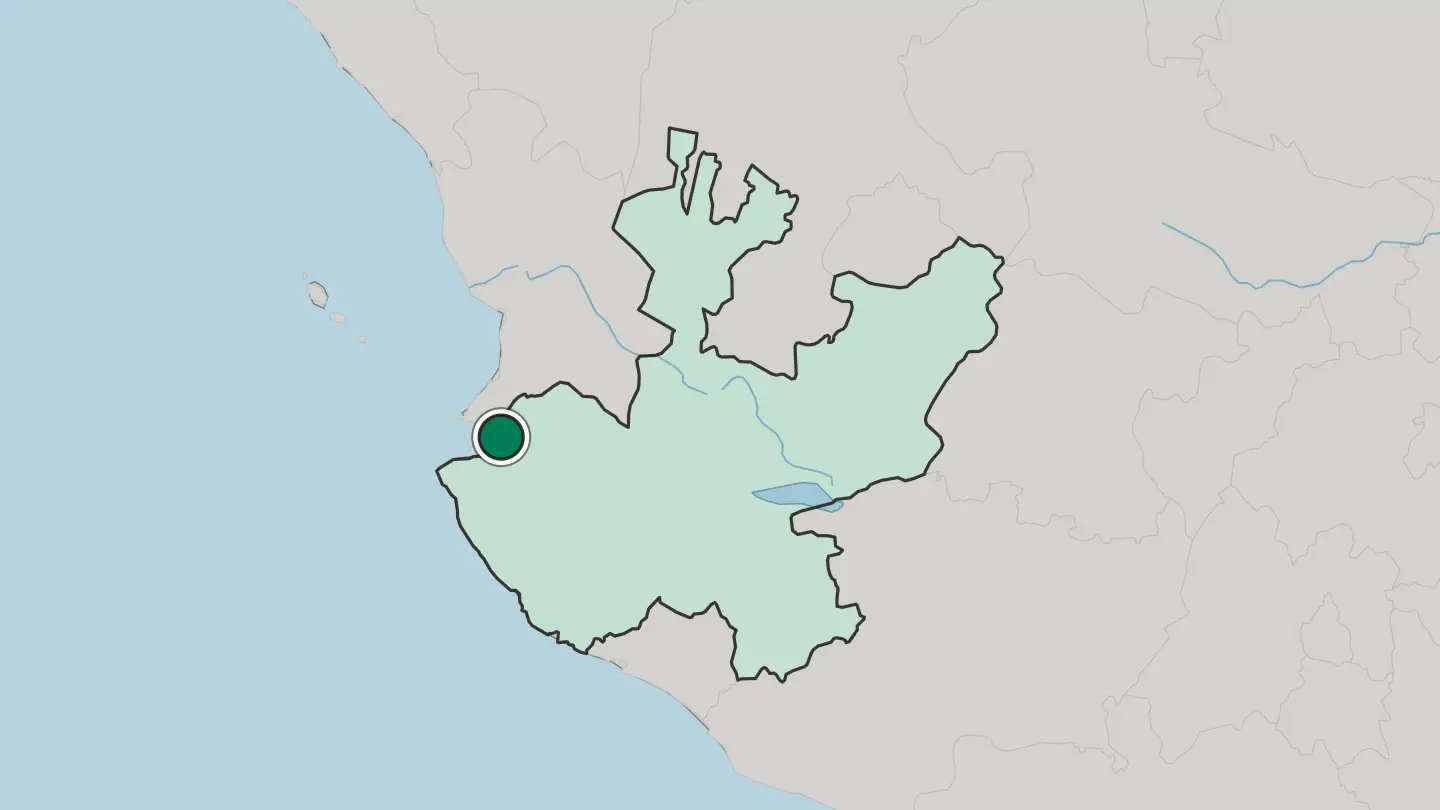
 Mexico
Ciudad Guzmán
Ciudad Guzmán is a highland city in Jalisco, 124 kilometres south of Guadalajara, built around Saint Joseph Cathedral and two museums.Where to stay →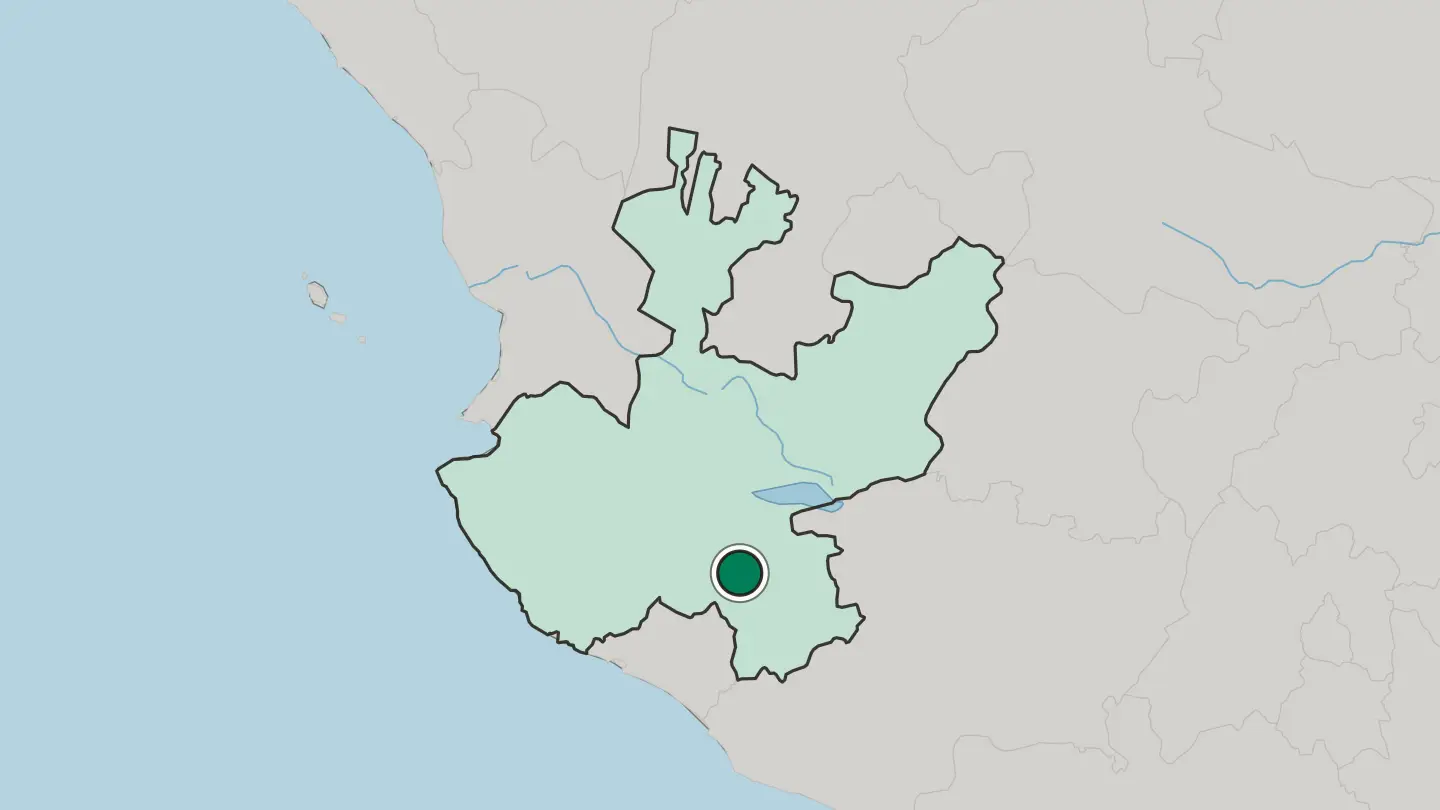
 Mexico
Lagos de Moreno
Lagos de Moreno, a city of Los Altos de Jalisco inside the Bajío, is known now and then as the Athens of Jalisco for the poets born there.Where to stay →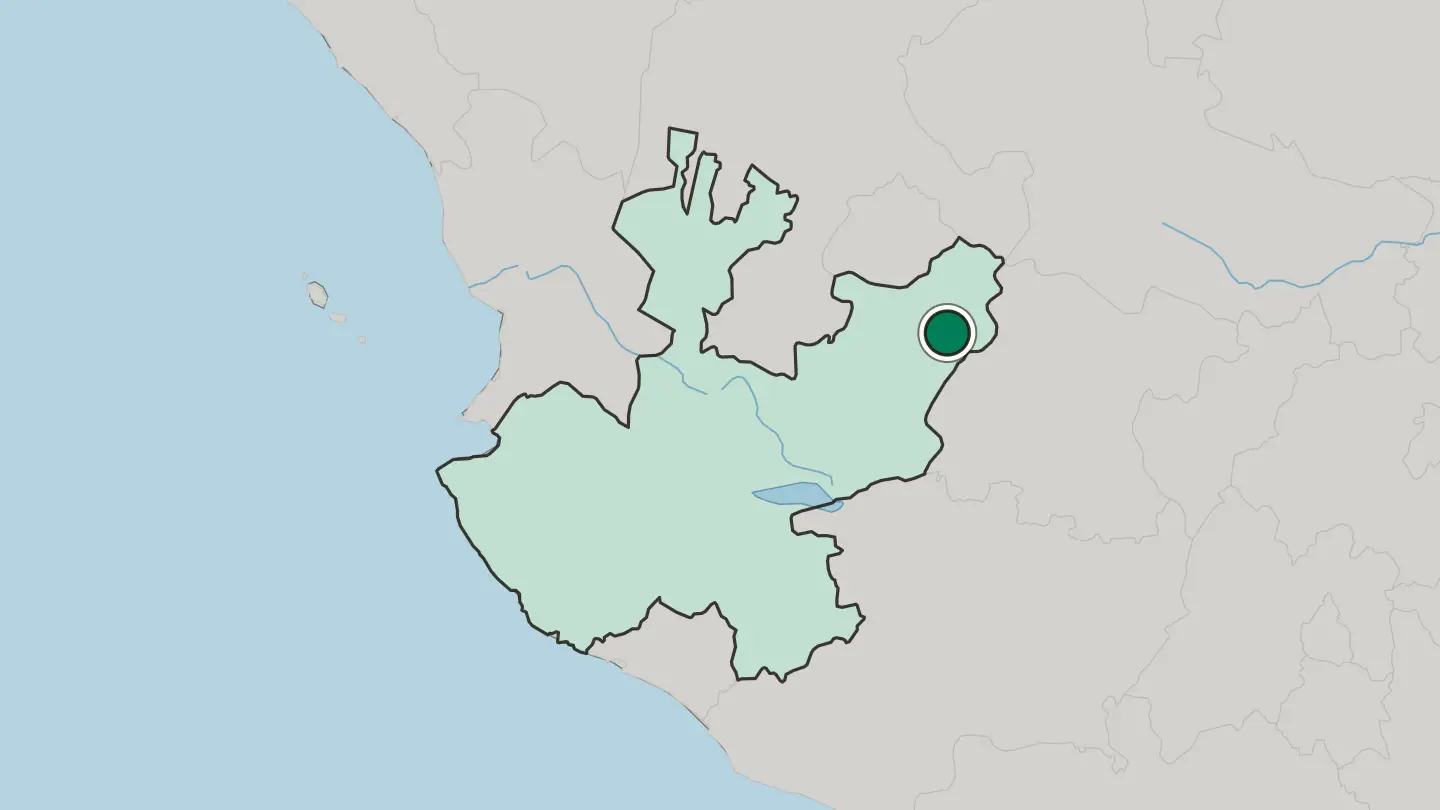
Hotel links are affiliate links: booking through them may earn us a commission, at no extra cost to you. It never affects how places are ranked. How this works
About Estado de Jalisco
Jalisco is the source of much that the world calls Mexican.
What is Estado de Jalisco known for?
Tequila is distilled from blue agave in the town of Tequila and the fields around it, a highland landscape planted with rows of the spiky plant as far as the eye follows. Mariachi grew here too. Guadalajara, the state capital and third-largest metropolitan area of Mexico, is a colonial grid of plazas and cathedrals that stages a mariachi festival each year.
Lake Chapala, the largest lake in the country, spreads across the state's southern edge, while Puerto Vallarta draws sunseekers to the Pacific shore.
Where is Estado de Jalisco?
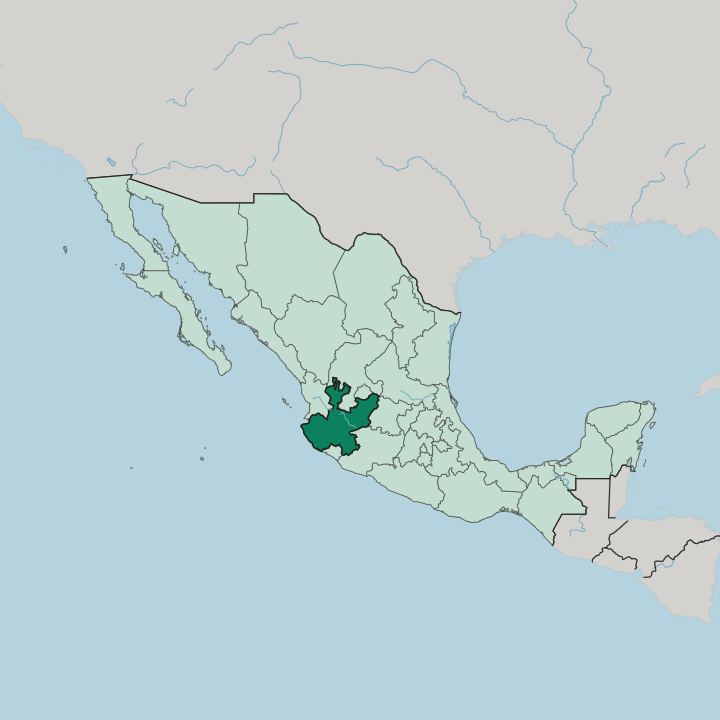
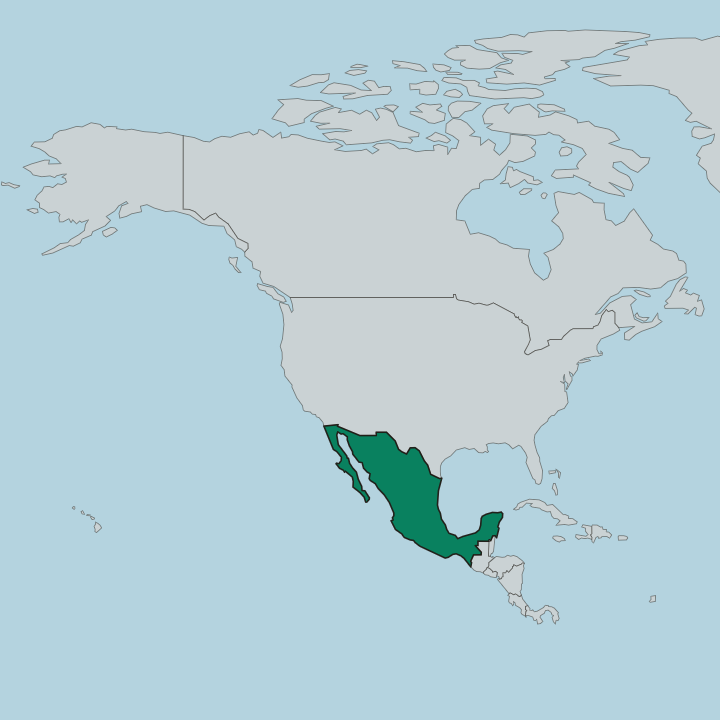
Jalisco sits in western Mexico, fronting the Pacific Ocean. Seven states ring its landward sides. Nayarit lies to the northwest, Zacatecas and Aguascalientes to the north, San Luis Potosi and Guanajuato to the east, and Michoacan and Colima along the south. The Pacific edge runs for more than 300 kilometres of headlands and bays, from Puerto Vallarta on the Bahia de Banderas south to the beaches of Costalegre.
Offshore, Chamela Bay holds the greatest cluster of islets on the Mexican coast. Inland, the land climbs fast. The Sierra Madre Occidental and the volcanic highlands of the Eje Volcanico Transversal fold the interior into pine ridges, deep barrancas, and high plateaus above the coastal plain.
The Nevado de Colima, a snow-capped volcano on the southern border, is the highest point in the state. Guadalajara spreads across the Atemajac Valley near the middle of all this. Between Guadalajara and Tequila, the ground breaks open into the Barranca de Huentitan, a canyon carved by the Santiago as it leaves the valley.
Water defines the south. Lake Chapala, the largest freshwater lake in Mexico, fills a basin along the state's southern rim, fed by the Lerma River from the east and drained westward by the Rio Grande de Santiago.
What is Estado de Jalisco like?
Much of what reads as Mexican began in Jalisco. Mariachi took shape in the countryside around Cocula and Guadalajara, its violins, trumpets, and guitarron carrying the sound of celebration across the whole country. The charreada was born on these ranches.
Riders in wide sombreros still compete in the lienzo, roping and reining in a contest Mexico honours as its national sport. Ranchera songs and the Mexican Hat Dance trace back to the same soil, and the charro sombrero rides with the mariachi wherever the music travels. Food and drink carry the same stamp.
Tequila, distilled only from blue agave grown in a legally bound zone centred on the town of Tequila, is the state's most famous export. The agave fields around it hold UNESCO World Heritage status, blue-grey rows running to the foot of the Tequila Volcano. Birria, a slow-braised stew of chile and goat or beef, comes from the same ranch kitchens.
Guadalajara gathers it all. Its cathedral squares, the potters and glassblowers of Tlaquepaque, and a September mariachi festival make the city the cultural capital of western Mexico.
What is the history of Estado de Jalisco?
Spanish settlers fixed Guadalajara on its lasting site in 1542, after four earlier attempts were driven off or abandoned. The city became capital of Nueva Galicia in 1560. Independence began here.
Miguel Hidalgo governed briefly from Guadalajara during the revolt of 1810 and signed his decree abolishing slavery in the city. Jalisco was proclaimed a free and sovereign state of Mexico in 1823, two years after the country won its independence, with Guadalajara as its capital.
What is the climate of Estado de Jalisco?
Altitude decides the weather in Jalisco. Guadalajara and the highlands around Lake Chapala sit high enough for warm days and cool evenings through most of the year, a spring-like climate that drew retirees to the lake shore. The coast is hotter.
Puerto Vallarta and the Pacific lowlands stay tropical and humid, with a marked wet season from June to October when afternoon storms roll in off the ocean. The dry months from November to April bring the clearest skies.
How do you get to Estado de Jalisco?
Two airports carry most arrivals. Guadalajara's Miguel Hidalgo y Costilla International Airport is the larger, a hub for flights from across Mexico and the United States. Puerto Vallarta has the second, busy with beach traffic and seasonal charters straight from Canadian and US cities.
Overland, it is easy. Toll highways link Guadalajara north to the border and east to Mexico City in a few hours, and long-distance buses reach the capital and neighbouring states many times a day.
Common questions
What is the best area to stay in Estado de Jalisco?
Guadalajara: a first visit to Jalisco. Puerto Vallarta: the Pacific beaches. Tequila: agave country and distillery tours. Chapala and Ajijic: the shore of Lake Chapala. Costalegre: the undeveloped southern coast.
Good for
More regions in Mexico
Updated September 2026