Mexico · Estado de Michoacán de Ocampo
Where to Stay in Pátzcuaro, Estado de Michoacán de Ocampo
Pátzcuaro holds the lake country of Michoacán, a Pueblo Mágico of colonial and Purépecha character best known for Day of the Dead.
Hotel links are affiliate links: booking through them may earn us a commission, at no extra cost to you. It never affects how places are ranked. How this works


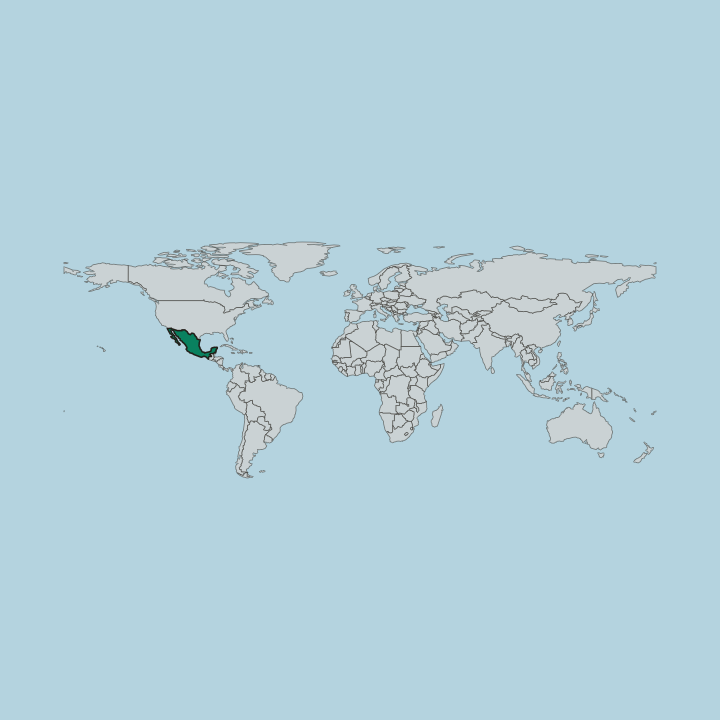
Where to stay in Pátzcuaro
How the choice of base plays out on the ground.
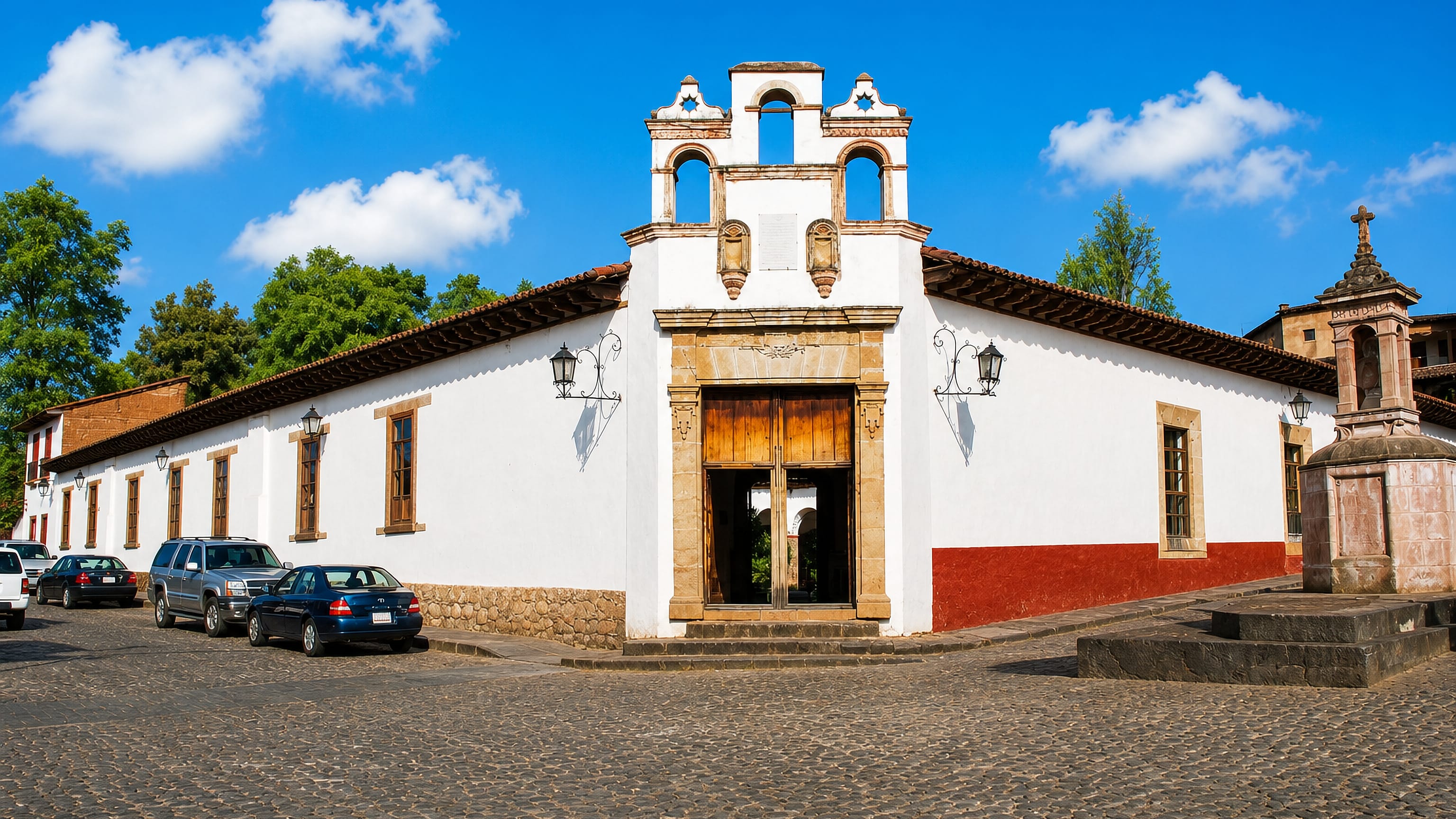
The basilica sets the centre. Rooms on the blocks around the Basilica of Nuestra Señora de la Salud put the Templo de San Juan de Dios and the Museum of Popular Arts and Industries within a few minutes on foot, which matters most during Day of the Dead when the town fills and moving by car stops being an option. Beds go early then.
The colonial street plan that Vasco de Quiroga's era left behind keeps the centre compact, so a room anywhere inside it works. Lake Pátzcuaro is the alternative. Staying down by the water trades the town's stone streets for the view across to Janitzio Island and the Monument to Morelos standing over it, and it suits visitors whose plan is the lake and the settlements around its edge rather than the churches.
Michoacán has other bases. Valladolid took the provincial capital away from Pátzcuaro long ago, and travellers touring the state often sleep elsewhere and come for a day. That misses the evenings.
Ihuatzio and the other lakeside sites are easier from a bed in the town than from anywhere further off, and the Pueblo Mágico designation covers the whole compact centre rather than one street.
Find hotels in Pátzcuaro
Direct booking searches for these neighbourhoods.
The blocks around the Basilica of Nuestra Señora de la Salud
The basilica, the Templo de San Juan de Dios and the Museum of Popular Arts and Industries stand within minutes of each otherFind hotels in The blocks around the Basilica of Nuestra Señora de la SaludVisitors whose plan is the lake rim and the crossing to Janitzio IslandThe Lake Pátzcuaro shore below the town
The water and the Monument to Morelos above Janitzio Island are the outlook from hereFind hotels in The Lake Pátzcuaro shore below the townHotel links are affiliate links: booking through them may earn us a commission, at no extra cost to you. It never affects how places are ranked. How this works
Things to do in Pátzcuaro
Ranked by global recognition; descriptions from Wikidata (CC0).
Museums & Galleries
1- Museum of Popular Arts and Industries
Churches & Religious Sites
2- Basilica of Nuestra Señora de la Salud, Pátzcuaro
- Templo de San Juan de Dios
Castles & Historic Sites
2- Monument to Morelos on Janitzio Island
- Ihuatzio
worth knowingacross 3 categories in Pátzcuaro
About Pátzcuaro
Day of the Dead brings the crowds.
What is Pátzcuaro known for?
Pátzcuaro and the lake region around it are known for those celebrations, and the town's colonial and Purépecha character is the reason the government of Mexico named it a Pueblo Mágico. The lake carries the rest. Janitzio Island rises out of the water with the Monument to Morelos above it, and Ihuatzio counts among the named sites ringing the same lake.
What are the main landmarks in Pátzcuaro?
Two churches carry the centre. The Basilica of Nuestra Señora de la Salud is the one everyone finds first, with the Templo de San Juan de Dios standing a few streets off, and both belong to the colonial layer that Pátzcuaro kept. Crafts have their own museum.
The Museum of Popular Arts and Industries holds the work of the region, and out on the water the Monument to Morelos rises over Janitzio Island while Ihuatzio marks another named site on the lake's rim.
What is the history of Pátzcuaro?
The 1320s saw the first town. Pátzcuaro became the capital of the Purépecha Empire and later served as its ceremonial centre, and that is the deepest layer the town carries. Spanish rule changed the arrangement.
Vasco de Quiroga worked to make the town the capital of the New Spain province of Michoacán, and the date carried in the record for the city is 1540. The capital did not stay. After Quiroga's death it moved to nearby Valladolid, and Pátzcuaro was left with the buildings and the standing of a capital but none of the administration, which is much of why the colonial fabric survived intact.
Little was pulled down afterwards. The Basilica of Nuestra Señora de la Salud and the Templo de San Juan de Dios both come from that period, and the street plan around them has held its shape. Recognition came later.
The government of Mexico named Pátzcuaro a Pueblo Mágico on the strength of its colonial and indigenous character, and the town is equally well known across Michoacán and beyond for the Day of the Dead observances held around Lake Pátzcuaro. Janitzio Island belongs to that reputation. The Monument to Morelos stands above the island, Ihuatzio lies among the older sites on the lake, and the Museum of Popular Arts and Industries keeps the craft record of the same region.
Where is Pátzcuaro?
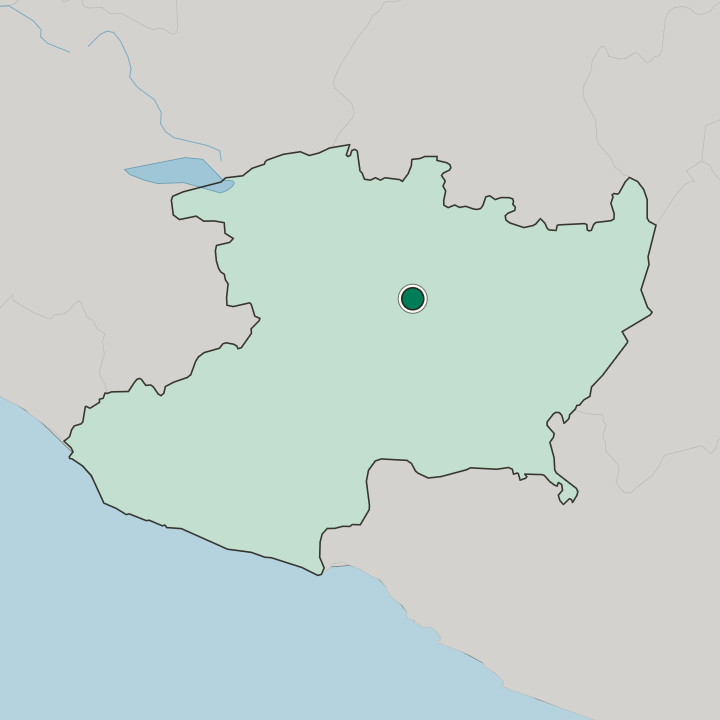
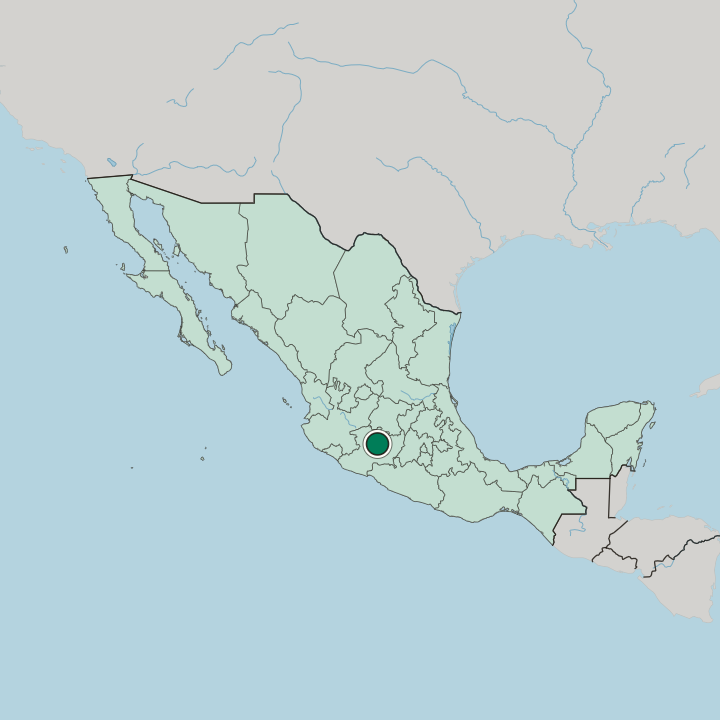
Water shapes the district. Pátzcuaro belongs to the Lake Pátzcuaro area of Michoacán, one of a ring of settlements around a basin whose surface is broken by Janitzio Island, and the lake rather than the road network is what ties the district together. Ihuatzio sits on the same rim.
Michoacán continues well past the basin, though the lake country is the unit the town actually belongs to.
What is the climate of Pátzcuaro?
The lake does the moderating. Pátzcuaro sits in the tropical band, and the water in the basin around it keeps the swing between day and night narrower than the drier country elsewhere in Michoacán. Rain comes with the warm months.
Cooler, drier air settles over the lake for the rest of the year, and the nights in the basin turn sharp when it does.
How do you get to Pátzcuaro?
Roads come in from the Michoacán side. Pátzcuaro is reached overland from Valladolid and the rest of the state, and the town's position among the lake settlements means most arrivals pass a stretch of the water before they get here. Janitzio Island is reached over the lake.
Ihuatzio and the other places on the rim are approached around the shore, which makes the town a natural base for anything in the basin.
Common questions
What is the best area to stay in Pátzcuaro?
The blocks around the Basilica of Nuestra Señora de la Salud: Day of the Dead nights spent on foot in the colonial centre. The Lake Pátzcuaro shore below the town: Visitors whose plan is the lake rim and the crossing to Janitzio Island.
Good for
More cities in Estado de Michoacán de Ocampo
Updated September 2026