Mexico · Estado de Nuevo León
Where to Stay in Monterrey, Estado de Nuevo León
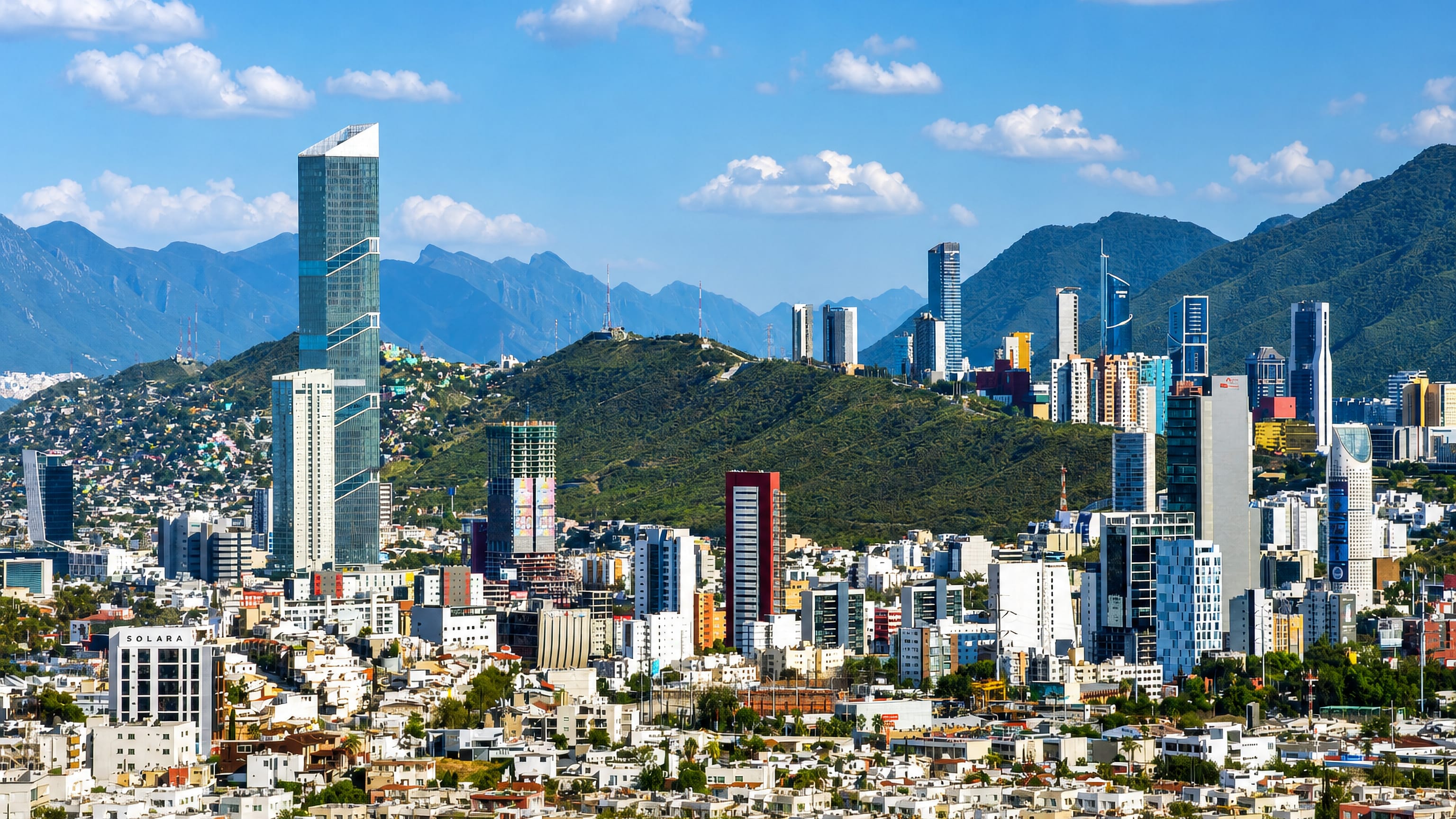
Monterrey stands at the foot of the Sierra Madre Oriental in Nuevo León, an industrial city known for the Faro del Comercio.
Hotel links are affiliate links: booking through them may earn us a commission, at no extra cost to you. It never affects how places are ranked. How this works


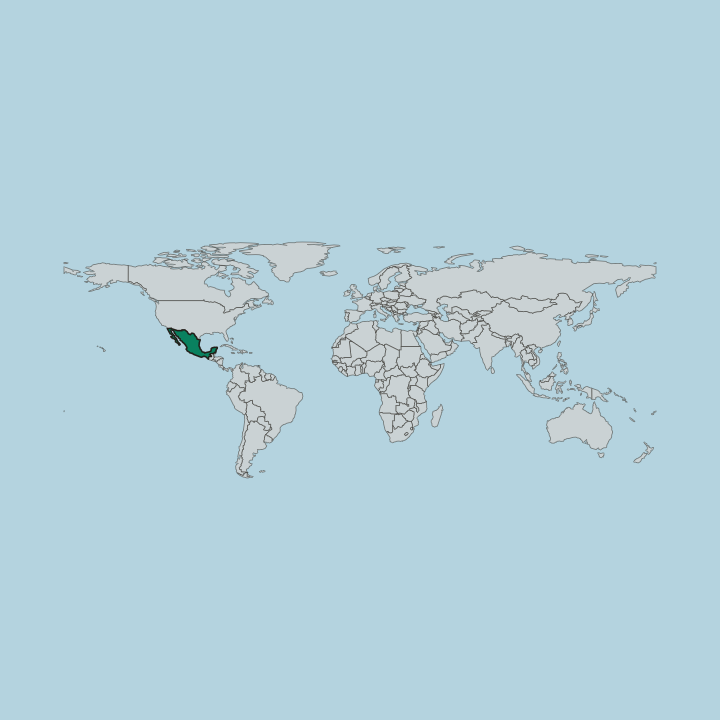
Where to stay in Monterrey
Where you base yourself shapes the visit — here's the character of each area.

 MonterreyMexico
Cerro de la Silla
Cerro de la Silla is a district of Monterrey, in Nuevo León, and it borrows the name of the mountain that Mexico records under the same words.Where to stay →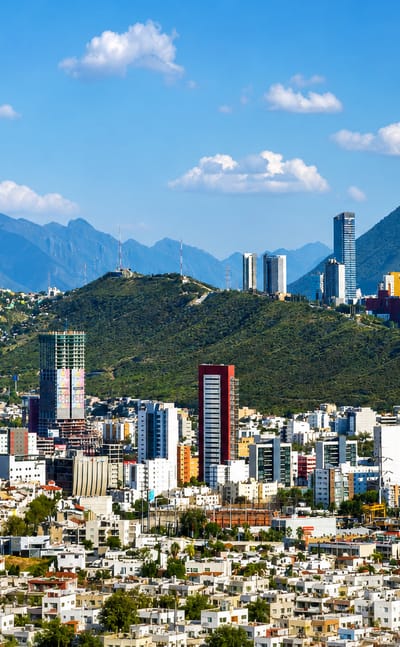 MonterreyMexico
General Escobedo
General Escobedo, a Nuevo León municipality founded in 1604, forms part of the Monterrey Metropolitan area beside San Nicolás de los Garza.Where to stay →Hotel links are affiliate links: booking through them may earn us a commission, at no extra cost to you. It never affects how places are ranked. How this works
Find hotels in Monterrey
Direct booking searches for these neighbourhoods.
Monterrey civic core
The walkable centre of Monterrey from the Monterrey Cathedral and the Museo de Arte Contemporáneo to the Faro del Comercio and the Museo del Noreste.Find hotels in Monterrey civic coreView stays below the Mirador del ObispadoObispado hill, Monterrey
The hill west of central Monterrey carrying the Palacio del Obispado and the Mirador del Obispado above the valley toward the Sierra Madre Oriental.Find hotels in Obispado hill, MonterreyHotel links are affiliate links: booking through them may earn us a commission, at no extra cost to you. It never affects how places are ranked. How this works
Things to do in Monterrey
Ranked by global recognition; descriptions from Wikidata (CC0).
Museums & Galleries
3- Government Palace Museum
- Museo de Arte Contemporáneo de Monterrey
- Mexican History Museum, Monterrey
Churches & Religious Sites
3- Monterrey Cathedral
- La Purísima
- Old Basilica of Guadalupe, Monterrey
Castles & Historic Sites
3- Palacio del Obispado
- Faro del Comercio
- Antimonumenta, Monumenta Viva
worth knowingacross 3 categories in Monterrey
About Monterrey
What is Monterrey known for?
Monterrey is known as the capital and largest city of Nuevo León and the third-largest city in Mexico. Industry built it. The commercial and industrial hub of northern Mexico, set at the foothills of the Sierra Madre Oriental, Monterrey is known for the beam of the Faro del Comercio, the twin-towered Monterrey Cathedral, and the Museum of Steel that records its founding trade.
What are the main landmarks in Monterrey?
Monterrey lines its landmarks along the Macroplaza and the Obispado hill. The green beam marks the square. The Faro del Comercio throws its laser over the Monterrey Cathedral and the Museo de Arte Contemporáneo de Monterrey, while the Palacio del Obispado crowns the hill above and the Museum of Steel, the Mexican History Museum, and the Museo del Noreste hold the city's story at the foot of the Sierra Madre Oriental.
What is the history of Monterrey?
Monterrey was founded in 1596 at the foothills of the Sierra Madre Oriental, a colonial settlement on the frontier of what became Nuevo León. The mountains hemmed it in. For its first centuries the town grew slowly in the shadow of the range, until industry, and above all steel, turned it into the commercial engine of northern Mexico and the third-largest city in the country.
The Museum of Steel, raised on the ground of the old ironworks, records that industrial rise, while the Mexican History Museum and the Museo del Noreste in the centre tell the wider story of the northeast. From the colonial core around the Monterrey Cathedral, the city climbed the valley toward the Palacio del Obispado on its hill. Founded in 1596, Monterrey became the capital of Nuevo León and the business hub of the Mexican north.
Where is Monterrey?
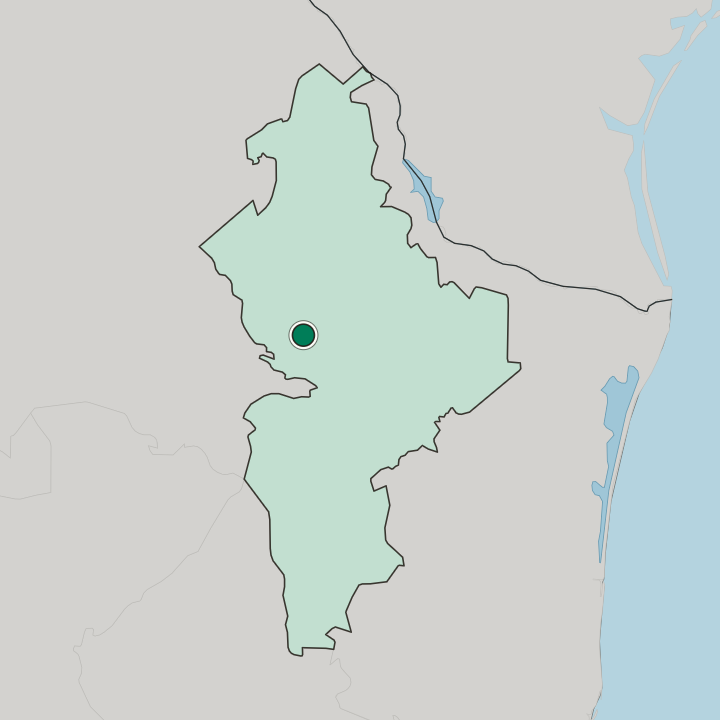
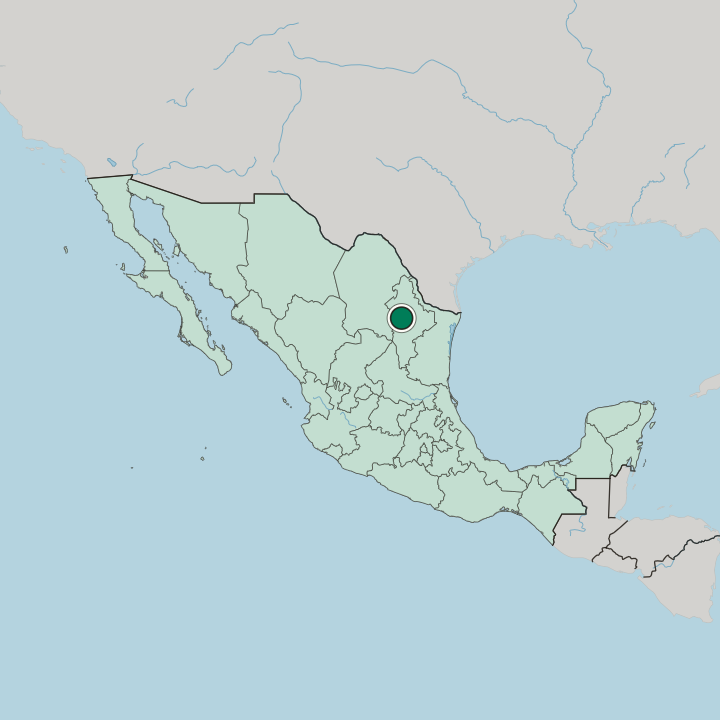
Monterrey sits at the foothills of the Sierra Madre Oriental in Nuevo León. Sharp peaks wall the city. The valley opens between the ridges of the range, the built-up ground of northern Mexico spreading across the basin that the enclosing mountains of the Sierra Madre Oriental shape and hem on almost every side.
What is the climate of Monterrey?
Monterrey has a hot, dry subtropical climate shaped by its basin below the Sierra Madre Oriental. Summers run fierce. Heat pools in the valley through the long dry season, broken by occasional storms that spill off the range, while short mild winters bring the coolest air to the foothills of Nuevo León in northern Mexico.
How do you get to Monterrey?
Monterrey is the transport hub of northern Mexico, where the country's northern road and rail routes converge. The highways all lead here. Its international airport is one of the busiest in Mexico, and the toll roads run north toward the border and south through the passes of the Sierra Madre Oriental to tie Nuevo León to the rest of the country.
Common questions
What is the best area to stay in Monterrey?
Monterrey civic core: Museum stays around the Faro del Comercio and Monterrey Cathedral. Obispado hill, Monterrey: View stays below the Mirador del Obispado.
Good for
More cities in Estado de Nuevo León
Updated October 2026