Mexico
Estado de Nuevo León, Mexico — Towns & Travel Guide
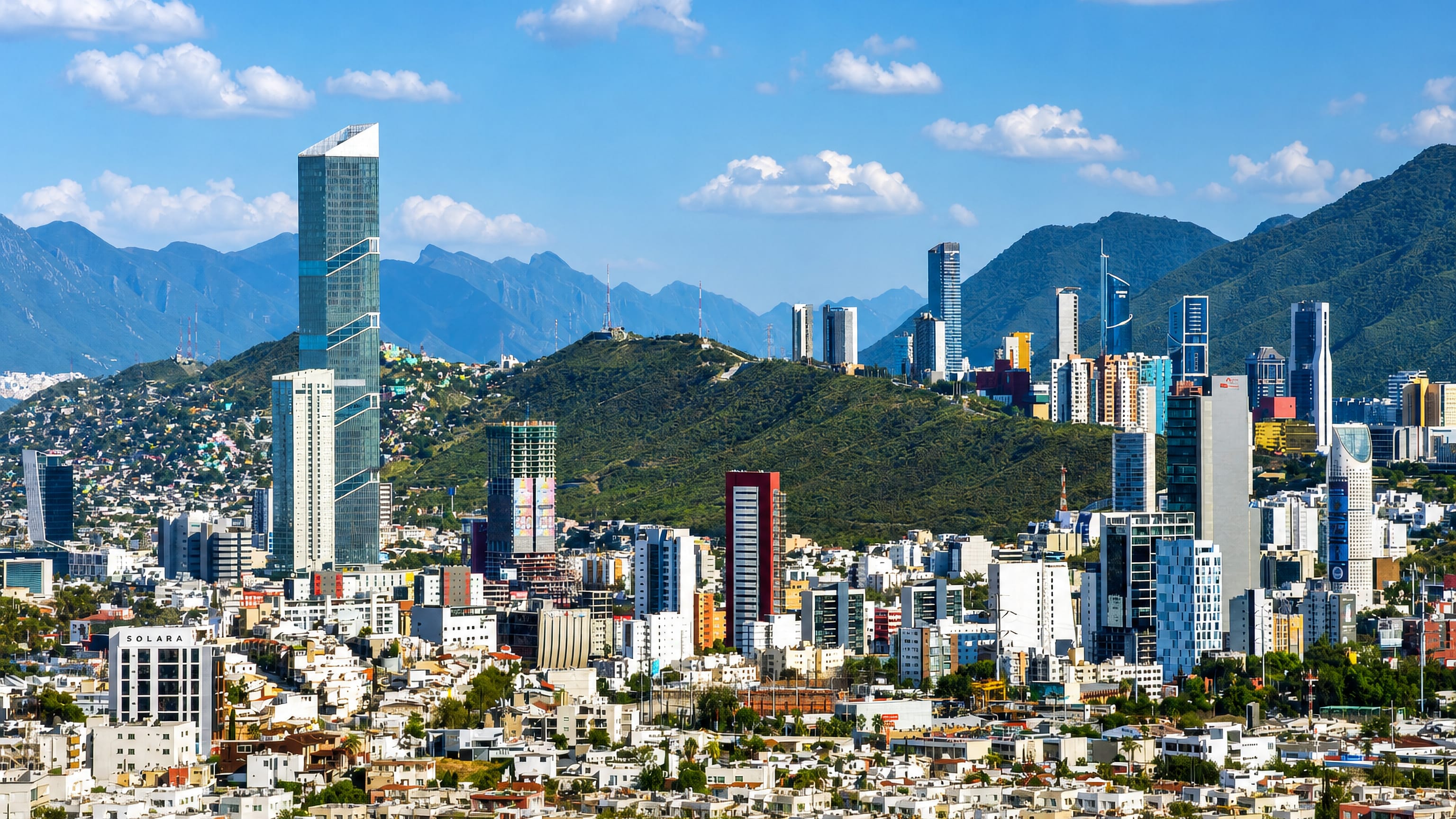
Nuevo León is an industrial state in northeastern Mexico, its capital Monterrey ringed by the peaks of the Sierra Madre Oriental.
Hotel links are affiliate links: booking through them may earn us a commission, at no extra cost to you. It never affects how places are ranked. How this works


Towns & cities in Estado de Nuevo León
Pick a town or city — each links to where to stay.
 Mexico
Monterrey
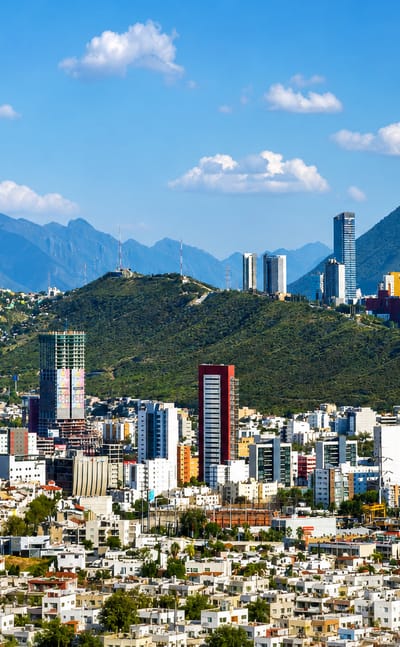
Monterrey stands at the foot of the Sierra Madre Oriental in Nuevo León, an industrial city known for the Faro del Comercio.Where to stay →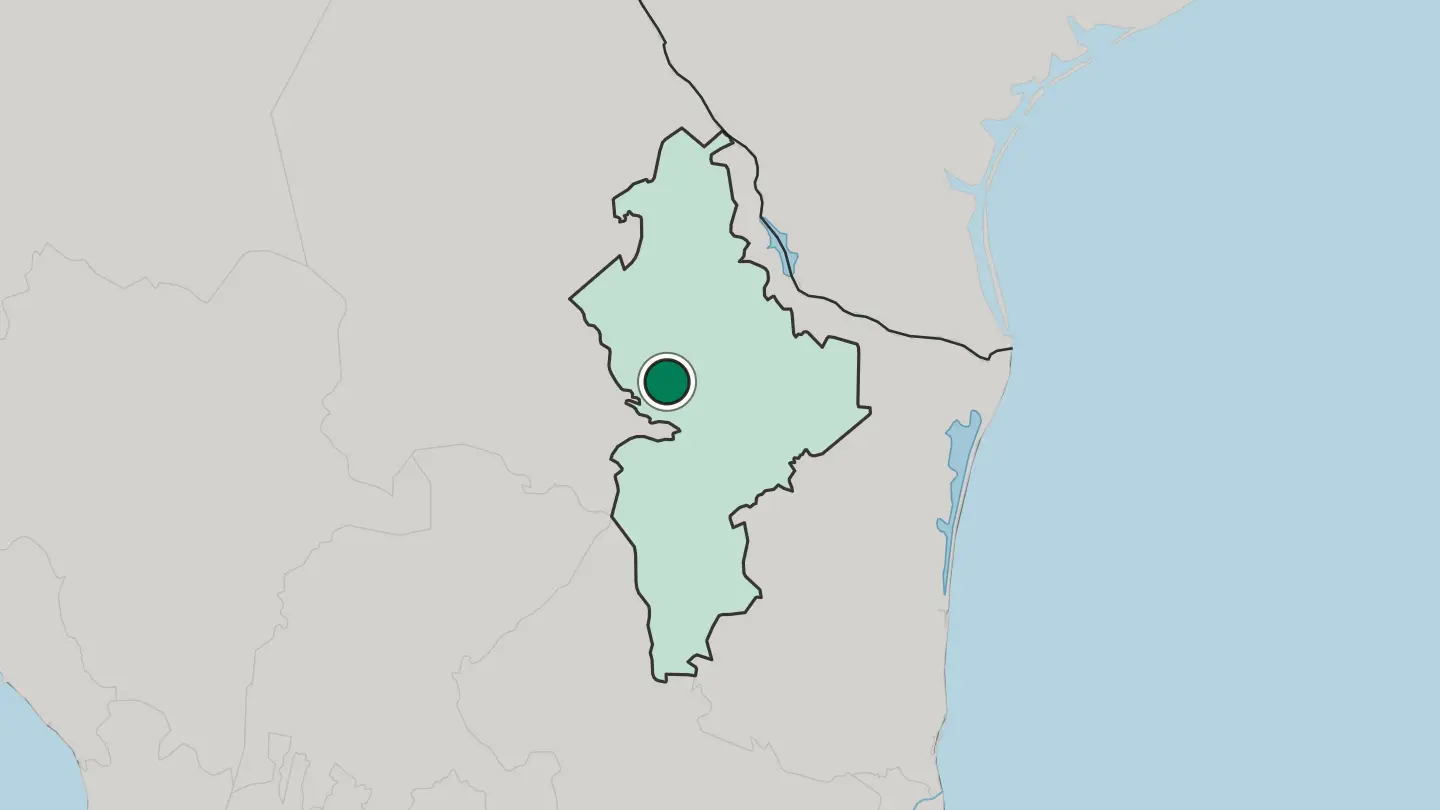
 Mexico
Guadalupe
Guadalupe fills the eastern suburbs of Monterrey, a Nuevo León city founded in 1716 within the Greater Monterrey Metropolitan area.Where to stay →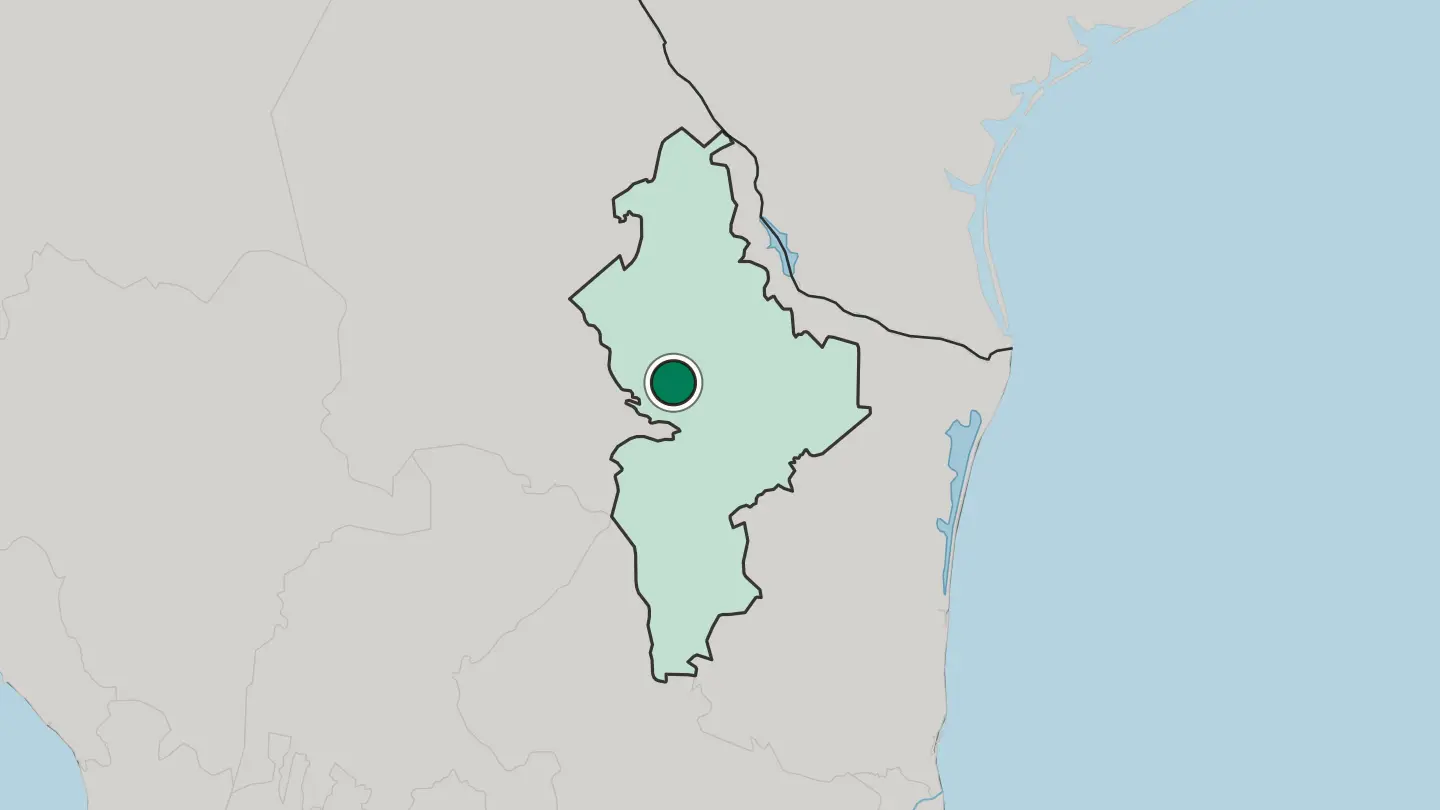 Mexico
Ciudad Apodaca
Ciudad Apodaca holds the northeast of the Monterrey Metropolitan Area, a Nuevo León manufacturing city wrapped around Monterrey International Airport.Where to stay →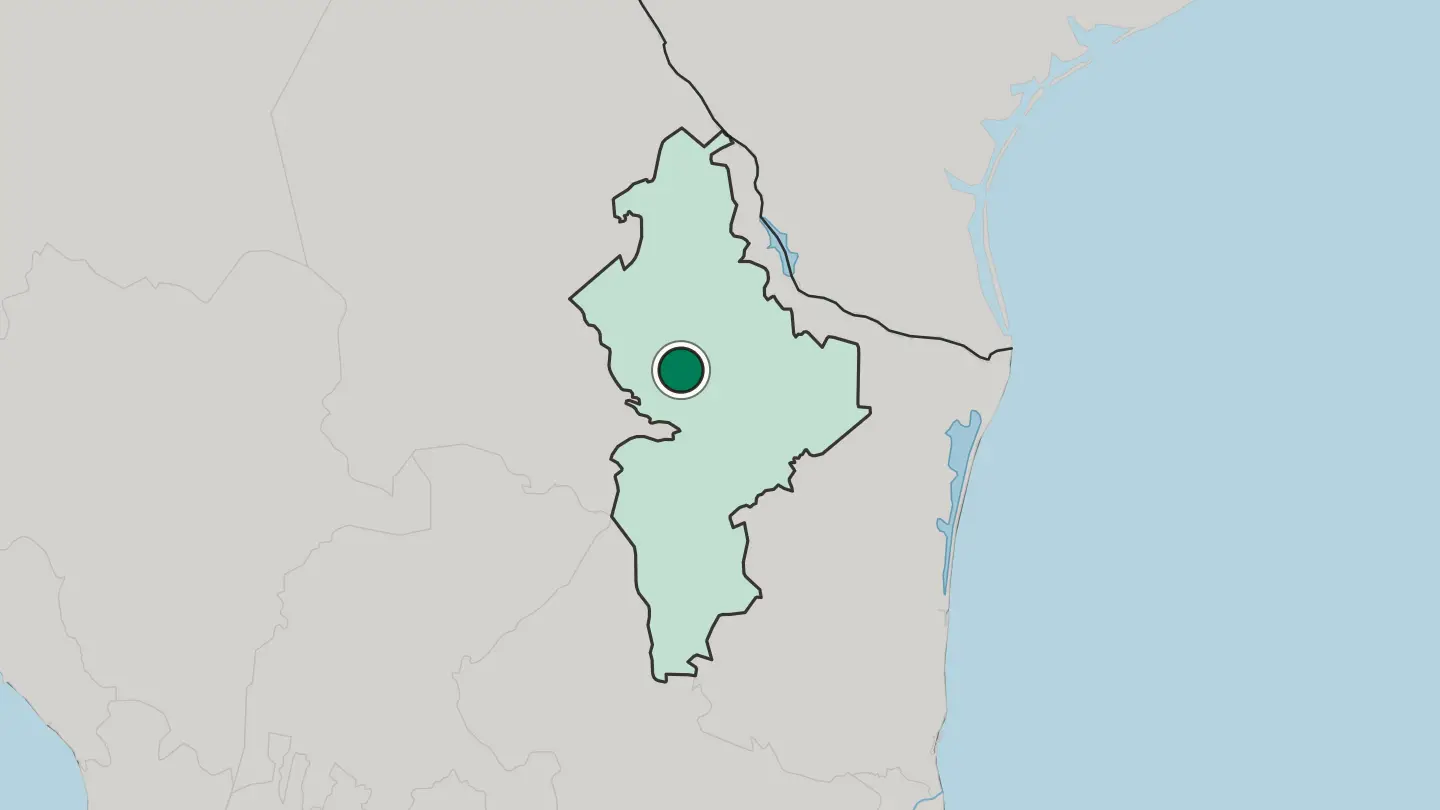 Mexico
San Nicolás de los Garza
San Nicolás de los Garza is a city and coextensive municipality in Nuevo León, part of the Monterrey metropolitan area.Where to stay →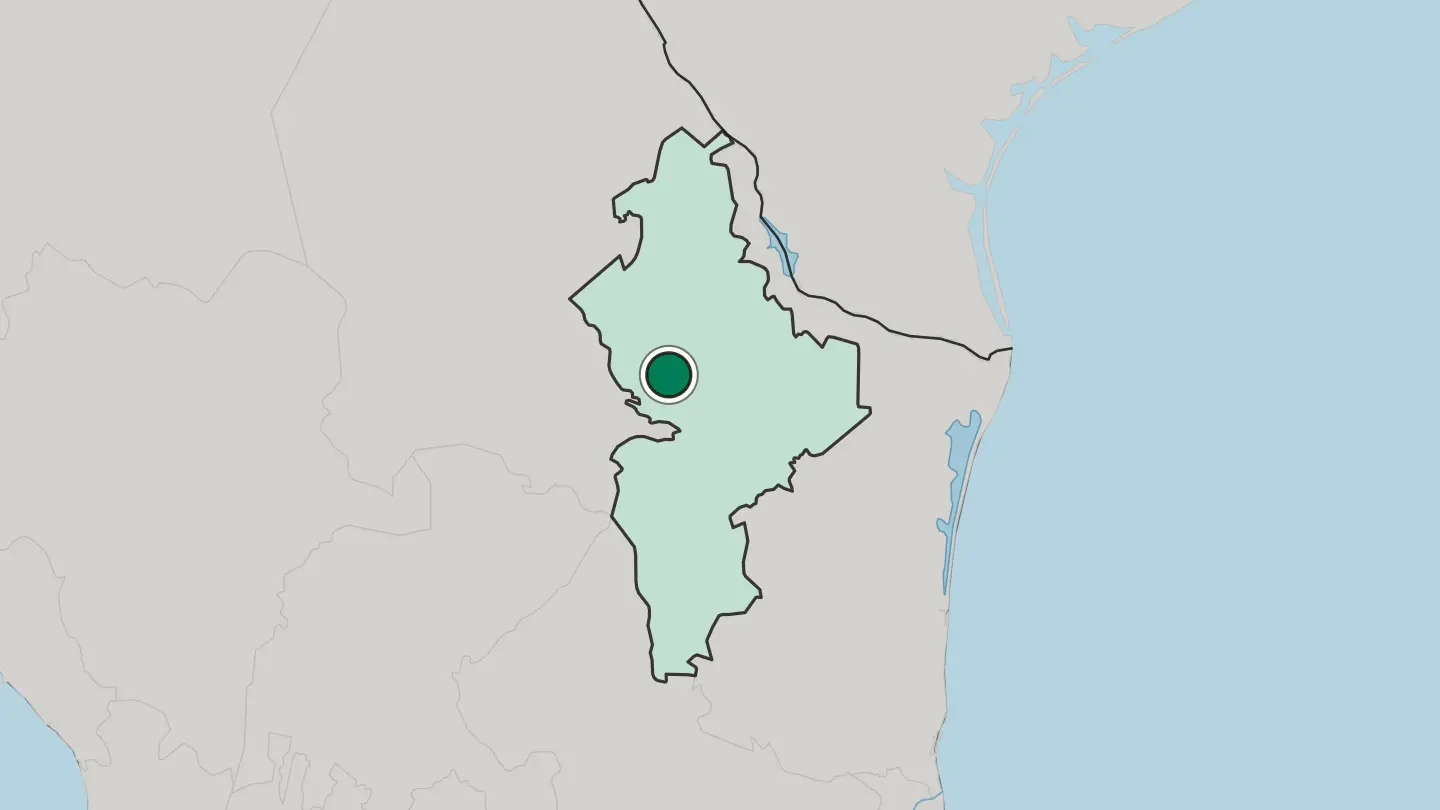 Mexico
Santa Catarina
Santa Catarina anchors its own municipality inside the Monterrey Metropolitan area, a Nuevo León city with the Palacio del Obispado in reach.Where to stay →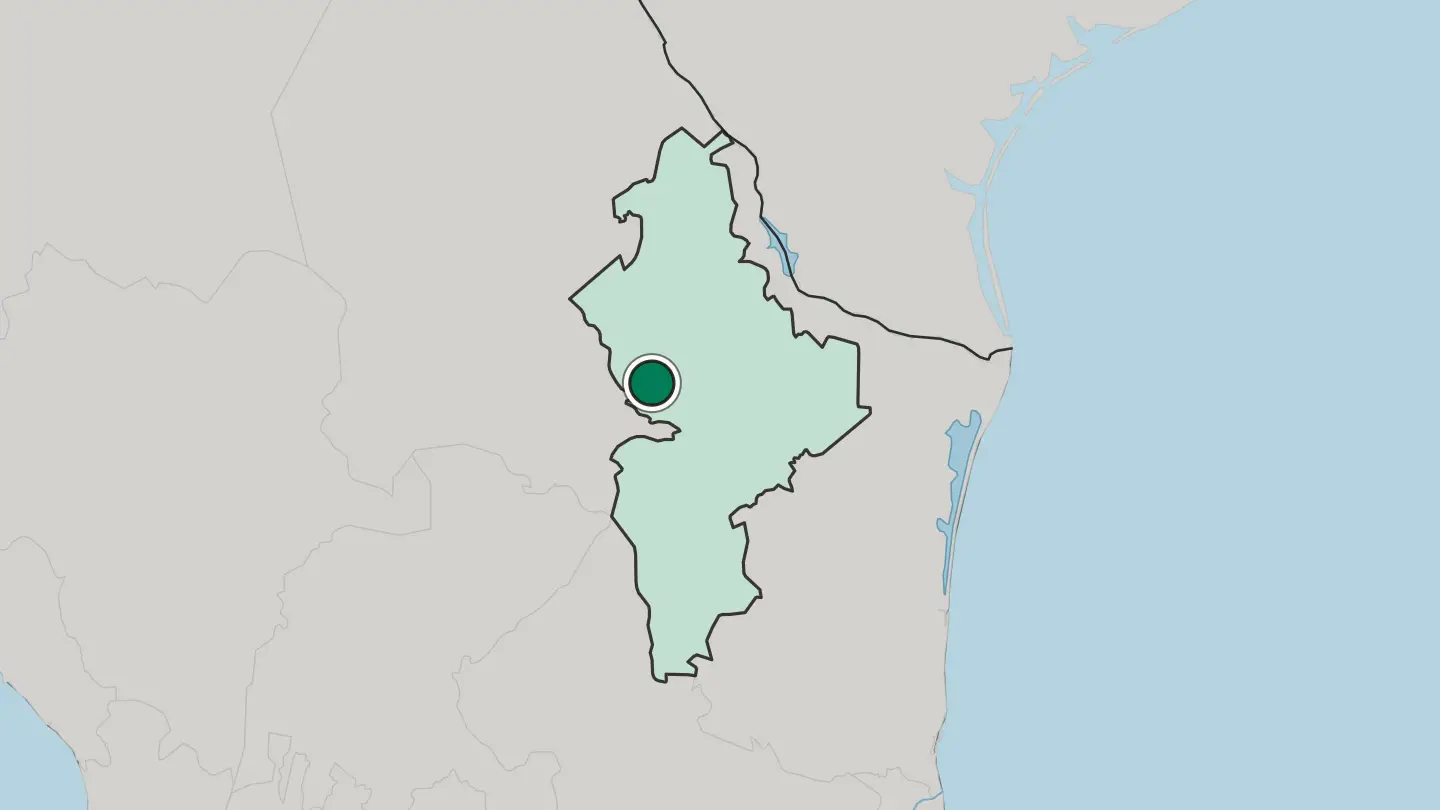
 Mexico
San Pedro Garza García
San Pedro Garza García is a commercial suburb of Monterrey in Nuevo León, rising toward Cerro de Chipinque and its ecological park.Where to stay →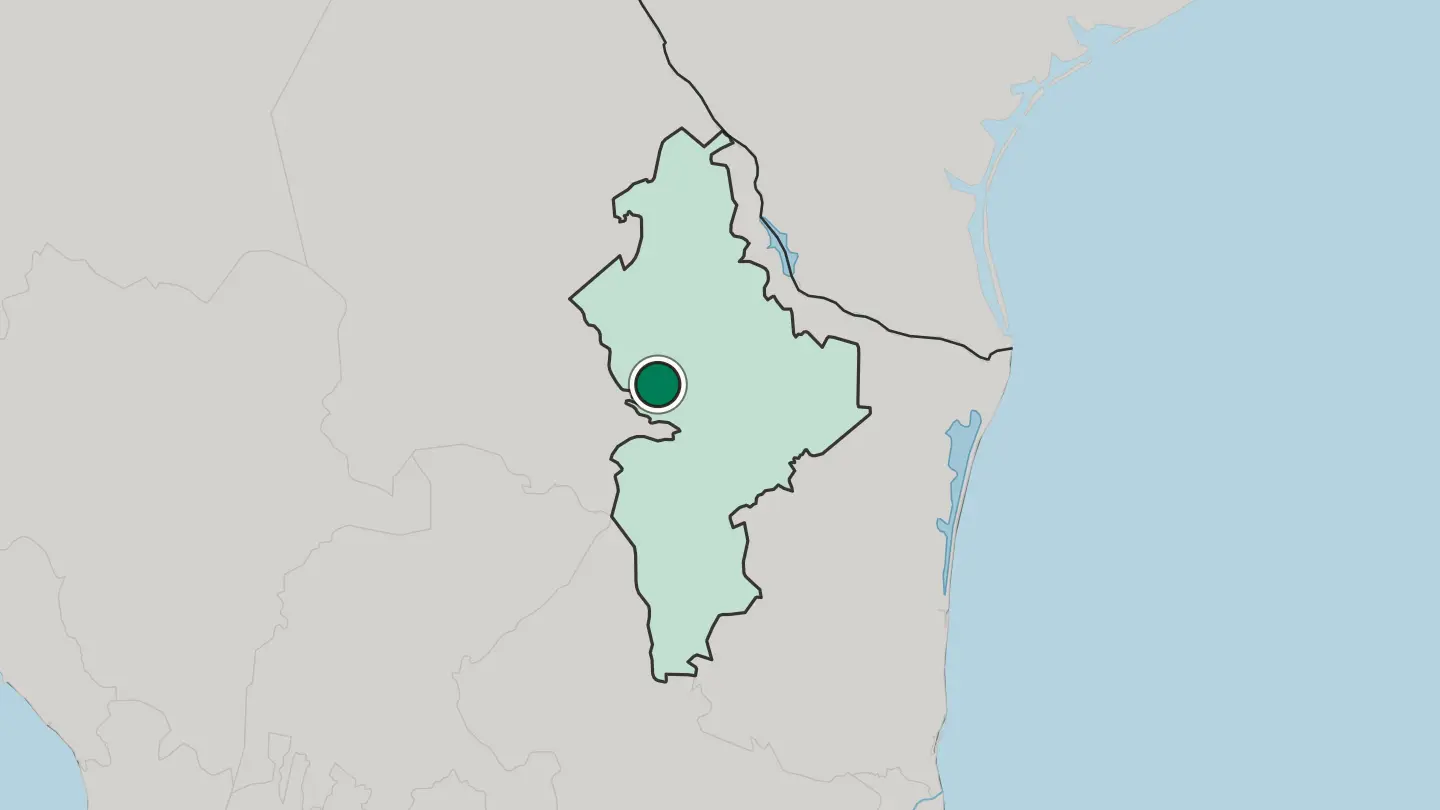
Hotel links are affiliate links: booking through them may earn us a commission, at no extra cost to you. It never affects how places are ranked. How this works
About Estado de Nuevo León
Monterrey drives the state.
What is Estado de Nuevo León known for?
Mexico's industrial capital turns out steel and cement, glass and beer, and its money built the towers that fill the valley floor. The saddle-backed Cerro de la Silla stands over the city as the emblem of Nuevo León, its twin summits split by a deep notch. Behind it the Sierra Madre Oriental walls off the western horizon.
The dish everyone claims is cabrito, milk-fed kid roasted over mesquite coals.
Where is Estado de Nuevo León?
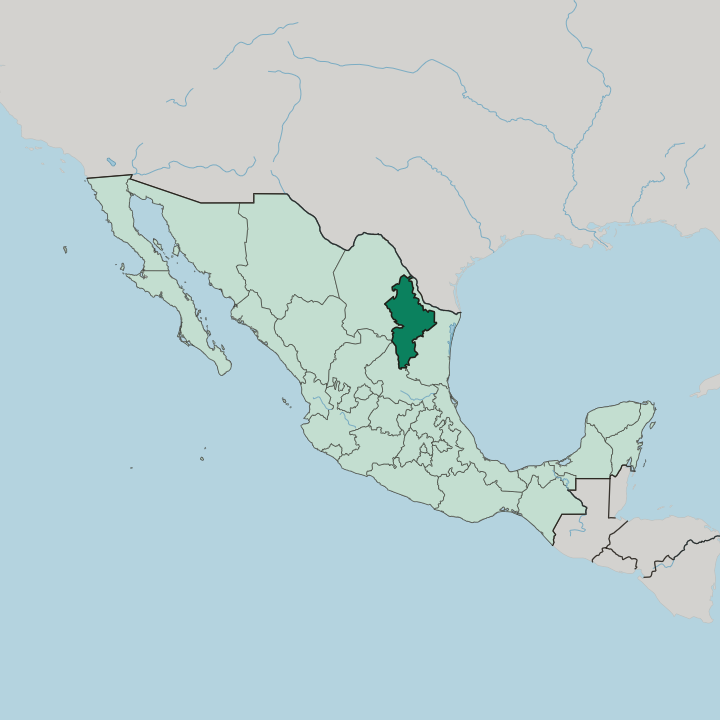
Nuevo León sits in the northeast of Mexico, a long wedge of land that reaches north to brush the United States border with Texas. Tamaulipas lies to the east and Coahuila to the west. Zacatecas and San Luis Potosí close it off in the south. The Sierra Madre Oriental cuts diagonally across the state and covers more than half of it, its limestone ranges rising in folds and cliffs.
Its saddle-shaped outlier, Cerro de la Silla, hangs over the eastern edge of Monterrey. Monterrey spreads across the semi-arid floor of the Santa Catarina River, which drains east out of the Sierra Madre and runs dry for most of the year. West of the city, the Cumbres de Monterrey National Park protects canyons, waterfalls and the limestone caverns of the Grutas de García.
North of the mountains the land flattens into dry plains and thorn scrub, tilting toward the Rio Grande and the narrow international frontier that touches the state of Texas. Water is the constant worry. Reservoirs pinned against the mountains hold what little the sky gives, and droughts empty them fast.
What is Estado de Nuevo León like?
People from Monterrey call themselves regiomontanos, and they wear the city's work ethic like a badge. Nuevo León built its wealth on furnaces and factories. The old Fundidora steelworks, whose blast furnace still stands, has become Parque Fundidora, a green expanse of museums and canals in the middle of the city.
The Cuauhtémoc Moctezuma brewery has brewed beer here since 1890. Norteño music, all accordion and bajo sexto, drifts out of the cantinas. Regiomontano cooking runs to meat: carne asada in every backyard, and cabrito, the milk-fed kid roasted upright over coals.
The result is a culture that reads as more northern than central Mexican, closer in temperament to the ranch country and the border than to the capital far south. Spanish is the language, spoken with the blunt regio accent. Downtown, the vast Macroplaza links the cathedral and government palaces to the MARCO contemporary-art museum.
A few blocks east lies Barrio Antiguo, its old streets packed with bars and live music once the sun drops. The Tecnológico de Monterrey, founded by the city's own industrialists, still pulls students from across Latin America and beyond. Money and machinery shaped this place.
It shows.
What is the history of Estado de Nuevo León?
Spain chartered the Nuevo Reino de León in 1582, handing the frontier to Luis de Carvajal y de la Cueva, who planted its first towns at Cerralvo. Monterrey took hold on its third attempt, refounded in 1596 by Diego de Montemayor beside the springs of Santa Lucía. Then came two lonely centuries.
The outpost stayed remote, raided and dry until Nuevo León became a state of independent Mexico in 1824. Steel and the railway did the rest.
What is the climate of Estado de Nuevo León?
Monterrey bakes. The lowlands run hot and dry, a semi-arid climate of blistering summers and short, mild winters. Rain stays scarce for most of the year, and the Santa Catarina River lies as a bare bed of gravel.
Then the Gulf of Mexico sends a storm, and when a hurricane's remnants pile against the Sierra Madre Oriental the runoff can turn that dry channel into a torrent that rips through the city, as it did in 1988 and again in 2010. Higher in the sierra the air turns cool and pine-scented.
How do you get to Estado de Nuevo León?
Flights land at Monterrey International Airport, named for General Mariano Escobedo, out on the plains east of the city. It links the state to Mexico City and to hubs across Texas and the United States. On the ground, Nuevo León sits astride the freight corridor that runs north to the Texas border, and the crossings at Nuevo Laredo feed a steady stream of trucks and buses.
Long-haul coaches reach Monterrey from all over Mexico. Laredo lies two hours north by road.
Common questions
What is the best area to stay in Estado de Nuevo León?
Monterrey: first nights in Nuevo León. San Pedro Garza García: upscale stays below Chipinque. Santiago: the Cola de Caballo waterfall. Cumbres de Monterrey: canyon hikes and the García caves.
Good for
More regions in Mexico
Updated September 2026