Mexico · Estado de Puebla
Where to Stay in Tehuacán, Estado de Puebla
Tehuacán is the second city of Puebla, a valley town on the borders of Oaxaca and Veracruz, with Tehuacán el Viejo nearby.
Hotel links are affiliate links: booking through them may earn us a commission, at no extra cost to you. It never affects how places are ranked. How this works


Where to stay in Tehuacán
Where visitors usually base themselves, and why.
The centre of the municipal seat holds most of the rooms, and a base there puts the restaurants and the everyday business of the second city of Puebla within a walk. Two nights is the usual stay. That covers Tehuacán el Viejo, a drive out into the Balsas River Valley, and an evening in the centre without pressing anything.
Distances inside the city stay short. The valley of Tehuacán rises around it. Good restaurants are part of the reason people stay a second night rather than passing straight through.
Tehuacán el Viejo pulls stays toward the valley edge. Rooms on that side sit closer to the site and to the open country of the valley of Tehuacán, which suits anyone whose reason for coming is the ruins rather than the town. Poultry farms fill the ground between.
The road out toward Oaxaca and Veracruz crosses that farm country, so a room on the outskirts shortens the morning for anyone driving on to either state. Tehuacán municipality reaches well beyond the built ground, and the Balsas River Valley scenery begins where the streets end, which is the argument for a night out of the centre.
Find hotels in Tehuacán
Direct booking searches for these neighbourhoods.
The municipal seat centre
The seat of Tehuacán municipality and its eating streets are hereFind hotels in The municipal seat centreRuins-first visits to Tehuacán el ViejoThe Tehuacán el Viejo side
Tehuacán el Viejo and the open valley of Tehuacán lie on this edgeFind hotels in The Tehuacán el Viejo sideDrives into the poultry country and the valley sceneryOut toward the Balsas River Valley
The Balsas River Valley and the road to Oaxaca and Veracruz start out hereFind hotels in Out toward the Balsas River ValleyHotel links are affiliate links: booking through them may earn us a commission, at no extra cost to you. It never affects how places are ranked. How this works
About Tehuacán
The city is known for its poultry farms.
What is Tehuacán known for?
They spread through the country around Tehuacán, and the rural scenery of the Balsas River Valley runs on past them, which is what brings most visitors out this way. Tehuacán el Viejo is the historical draw. The site stands among the reasons to stop for a couple of days, along with the restaurants of a city that ranks second in the state of Puebla.
Oaxaca and Veracruz begin close by.
What are the main landmarks in Tehuacán?
Tehuacán el Viejo is the one named site. The ruins stand in the country around the city, and they hold the historical interest that gives a stop here more than a night's worth of reason. Everything else is countryside.
Poultry farms cover the ground nearby, and the Balsas River Valley provides the rural scenery that the city is known for beyond its own streets.
What is the history of Tehuacán?
The city dates from 1660. It grew in the southeast of the valley of Tehuacán, on ground that reaches toward the boundaries of Oaxaca and Veracruz, which places it close to the edge of Puebla on two sides. Three states of Mexico converge near here.
Older ground lies nearby. Tehuacán el Viejo carries the older name, and the site keeps a record of occupation in this valley from before the town of 1660 was laid out. Farming shaped what followed.
The valley floor around the city carries poultry farms, and that industry is among the things Tehuacán is known for outside Puebla, along with the rural country of the Balsas River Valley. The city grew large for its state. Tehuacán ranks second among the cities of Puebla, and the municipality that surrounds it takes its seat here.
The valley still sets the limits. Oaxaca and Veracruz begin beyond the edges of the valley of Tehuacán, and the city serves as the administrative point for the municipality that carries its name. Visitors come for two or three days.
Tehuacán el Viejo, the restaurants, and the drive out into the Balsas River Valley account for most of that time, in a city that grew out of farming rather than out of tourism.
Where is Tehuacán?
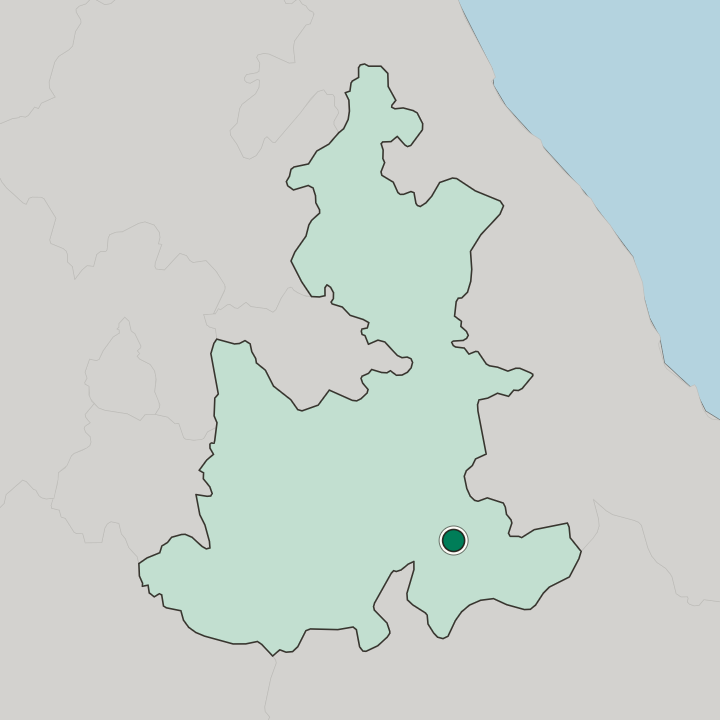
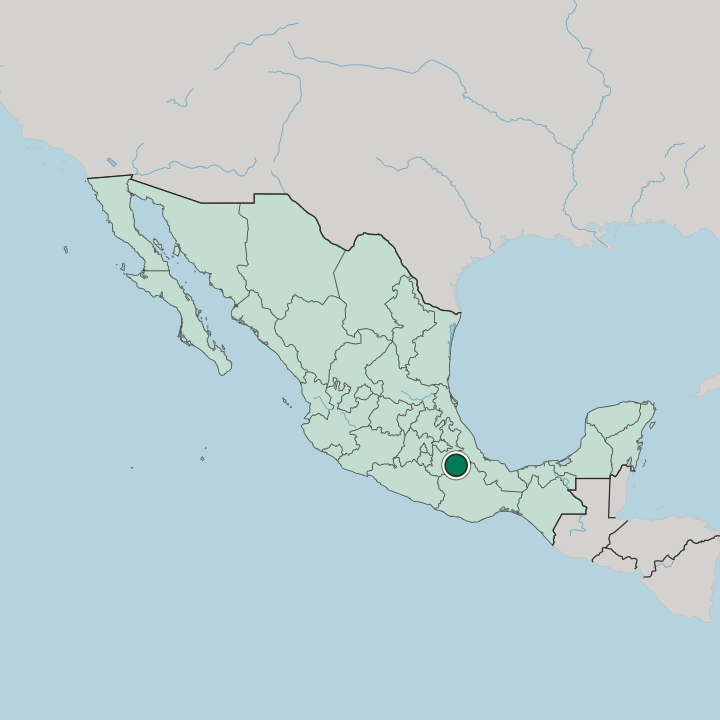
The city stands in the southeast of the valley of Tehuacán. Puebla holds it, but the state boundaries with Oaxaca and Veracruz run close on that side, so the country beyond the valley belongs to neighbours rather than to Puebla itself. The floor is farmland.
Poultry farms take much of it, and the Balsas River Valley carries the rural landscape onward past the edge of Tehuacán municipality.
What is the climate of Tehuacán?
The valley of Tehuacán keeps the weather dry. Days run warm through the year, and the rains keep to the summer, while the rest of the calendar stays dry over the farm country of the valley floor. The Balsas River Valley shares that pattern.
Tropical air sits over this part of Puebla, but the valley setting keeps the air drier than the tropical band alone would suggest.
How do you get to Tehuacán?
Roads bring almost everyone. The route from the city of Puebla runs into the valley, and the roads on toward Oaxaca and Veracruz leave from Tehuacán itself, which makes the city a natural break on a longer drive. Tehuacán el Viejo needs a short trip out.
The site lies beyond the built-up ground, in the farm country of Tehuacán municipality, so a car or a local ride is part of the visit.
Common questions
What is the best area to stay in Tehuacán?
The municipal seat centre: Two-night stops built around the Tehuacán restaurants. The Tehuacán el Viejo side: Ruins-first visits to Tehuacán el Viejo. Out toward the Balsas River Valley: Drives into the poultry country and the valley scenery.
More cities in Estado de Puebla
Updated September 2026