Mexico · Estado de Puebla
Where to Stay in Puebla, Estado de Puebla
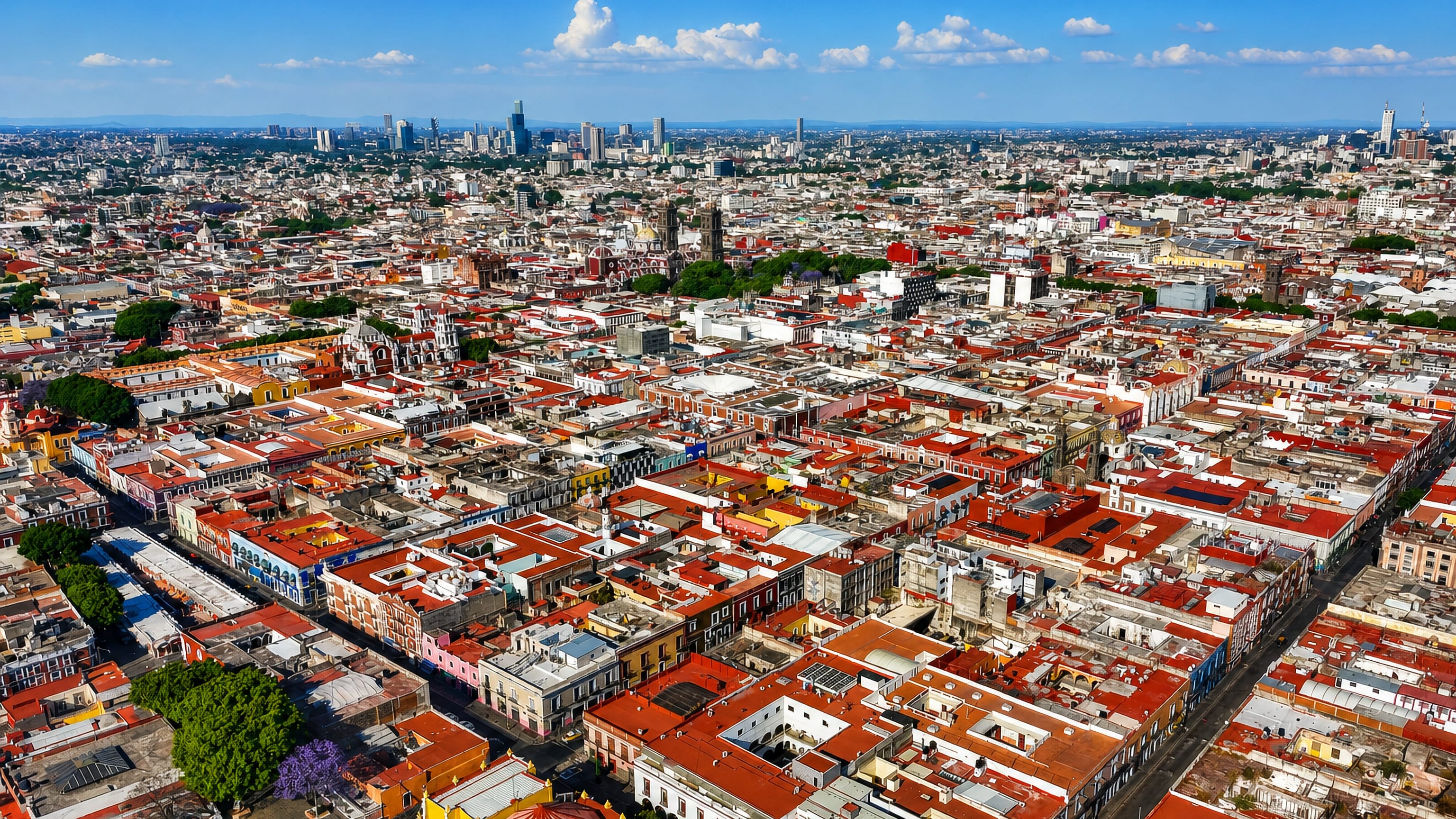
Volcanoes ring the valley around Puebla, a colonial city in Estado de Puebla known for its Baroque churches and the Puebla Cathedral.
Hotel links are affiliate links: booking through them may earn us a commission, at no extra cost to you. It never affects how places are ranked. How this works


Where to stay in Puebla
Where you base yourself shapes the visit — here's the character of each area.

 PueblaMexico
De Xanenetla
De Xanenetla, the Barrio de Xanenetla of Puebla, lies close to the Church of San Francisco and to the city's Zócalo.Where to stay →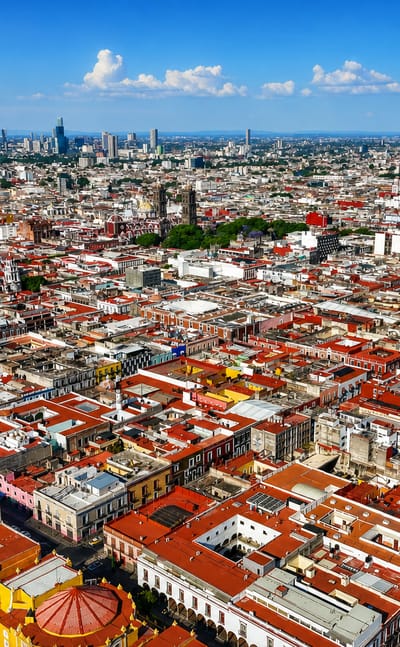 PueblaMexico
Xonaca
Xonaca, the Barrio de Xonaca, is one of the seven original barrios of Puebla, founded in the 16th century on the far bank of the Río de San Francisco.Where to stay →Hotel links are affiliate links: booking through them may earn us a commission, at no extra cost to you. It never affects how places are ranked. How this works
Find hotels in Puebla
Direct booking searches for these neighbourhoods.
The core by the Puebla Cathedral
The grid around the Zócalo and the Puebla Cathedral holds the widest choice, within walking reach of the Amparo Museum and the Church of Santo Domingo.Find hotels in The core by the Puebla Cathedralquieter nights near the sightsThe museum streets by the Casa de los muñecos
Calmer residential blocks around the Amparo Museum and the Casa de los muñecos, close to the old town without the busiest corners.Find hotels in The museum streets by the Casa de los muñecosa longer stay under the Puebla Valley volcanoesThe grid past the Estrella de Puebla
Workaday districts beyond the Estrella de Puebla with fewer rooms, suited to a slower stay under the volcanoes than a short visit. Few places to stay nearby — book ahead.Find hotels in The grid past the Estrella de PueblaHotel links are affiliate links: booking through them may earn us a commission, at no extra cost to you. It never affects how places are ranked. How this works
Things to do in Puebla
Ranked by global recognition; descriptions from Wikidata (CC0).
Museums & Galleries
3- Amparo Museum
- Casa del Alfeñique
- Serdán Brothers House and Museum, Puebla
Churches & Religious Sites
3- Church of Santo Domingo, Puebla UNESCO
- Parroquia de la Santa Cruz Heritage
- Puebla Cathedral
Castles & Historic Sites
3- Zócalo
- Equestrian statue of Ignacio Zaragoza
- Monumento a los Héroes de la Independencia
Stadiums & Sports
1- Arena Puebla
Landmarks & Notable Places
2- House of Contemporary Cultures Heritage
- Casa del Presidio
worth knowingacross 5 categories in Puebla
About Puebla
What is Puebla known for?
Puebla is known as a colonial city of Estado de Puebla and a cradle of Mexican Baroque in both architecture and the decorative arts. Its old core is a UNESCO World Heritage Site, built around the Zócalo and crowned by the twin towers of the Puebla Cathedral, and its churches rank it among the great colonial cities of the country. The valley shapes its skyline.
Volcanoes and snow-capped mountains stand over the Puebla Valley behind the town, and landmarks from the Amparo Museum to the Estrella de Puebla draw visitors through the streets below.
What are the main landmarks in Puebla?
Puebla sets its landmarks across the Baroque grid of the old city in Estado de Puebla. The Puebla Cathedral rises over the Zócalo at the heart of it, and the Church of Santo Domingo and the Church of San Francisco carry the great weight of the colonial churches. Museums fill the streets between.
The Amparo Museum and the Casa de los muñecos stand among the old mansions, the Museo Bello and the Casa del Alfeñique hold their collections nearby, and the Estrella de Puebla turns above the town among the finest of the city's Baroque landmarks.
What is the history of Puebla?
Puebla was founded in 1531 by the Spanish in the valley to secure the trade route between Mexico City and the port of Veracruz. Placed on that road, the city grew as a planned colonial town on open ground rather than an older settlement, and its grid of straight streets around the Zócalo took shape from the start under the volcanoes of the Puebla Valley. Baroque made its name.
Wealth from the trade route paid for the churches and mansions that earned the city its place as a cradle of Mexican Baroque, from the Puebla Cathedral and the Church of Santo Domingo to the carved fronts of the Casa del Alfeñique and the Casa de los muñecos. War marked it too. The Battle of Puebla was fought here, and the city carries the honorific in its formal name of Heroica Puebla de Zaragoza, remembered in the equestrian statue of Ignacio Zaragoza on the streets below.
The old core endured. That long Baroque heart won the city its listing as a UNESCO World Heritage Site, and the Zócalo, cathedral, and churches still hold the shape the colonial founders laid down. That history of trade, faith, and battle made Puebla the colonial city it remains.
Where is Puebla?
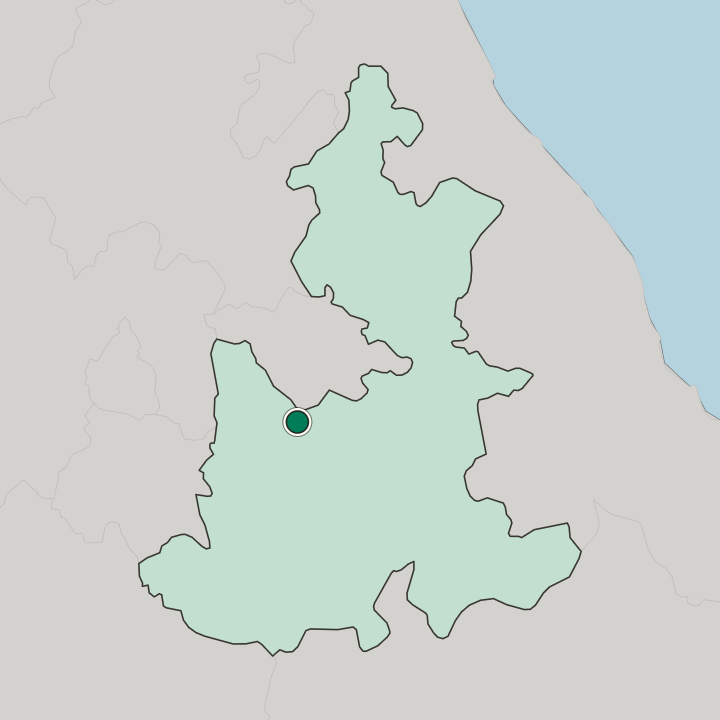
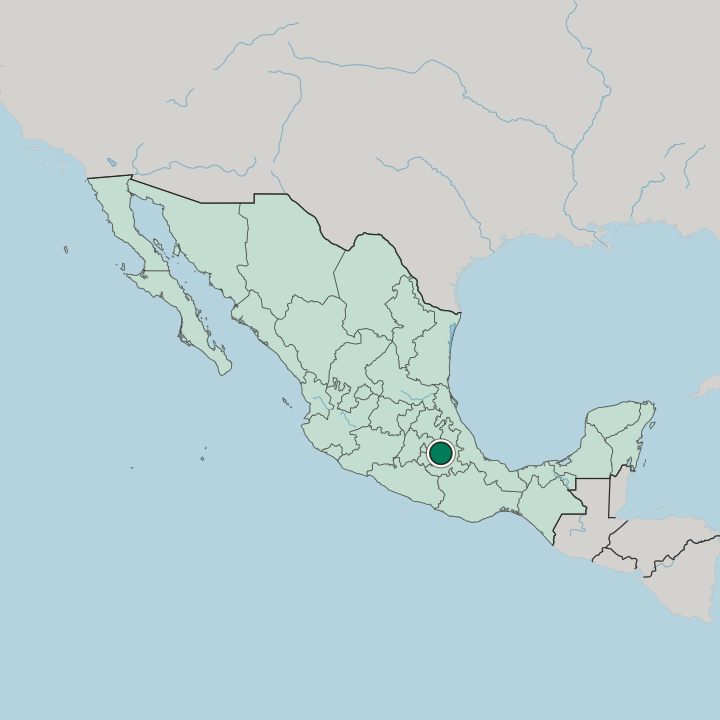
Puebla sits in the Puebla Valley in Estado de Puebla, ringed by volcanoes and snow-capped mountains. The city fills a high, broad basin, with the great peaks standing over the valley to the west and the land opening toward the plains to the east. Mountains close the horizon.
From the Zócalo and the Puebla Cathedral the flat grid of the old town runs out across the valley floor, and the volcanoes rise clear above the rooftops on a bright day over the Baroque city.
What is the climate of Puebla?
Puebla has a mild highland climate in the Puebla Valley of Estado de Puebla. The altitude of the basin keeps the air temperate through the year, cooler than the coast, and the weather turns on a summer rainy season that greens the valley before the drier, clearer winter months return. Nights run cool under the peaks.
The volcanoes and snow-capped mountains hold the cold air over the town, while the sun warms the Zócalo and the streets around the Puebla Cathedral by day on the high valley floor.
How do you get to Puebla?
Puebla stands on the old road between Mexico City and Veracruz, and the highways still follow that line into the Puebla Valley. Roads climb into the basin past the volcanoes from the plains, gathering the buses and traffic of Estado de Puebla at the city, so the town keeps its old place as a hinge on the route to the coast. Streets run in to the core.
From the highway the grid carries you down to the Zócalo and the Puebla Cathedral, and the avenues fan out past the Amparo Museum and the Estrella de Puebla to the edges of the valley town.
Common questions
What is the best area to stay in Puebla?
The core by the Puebla Cathedral: first-time visitors in the Baroque centre. The museum streets by the Casa de los muñecos: quieter nights near the sights. The grid past the Estrella de Puebla: a longer stay under the Puebla Valley volcanoes.
Good for
More cities in Estado de Puebla
Updated September 2026