Mexico · Estado de Tamaulipas
Where to Stay in Tampico, Estado de Tamaulipas
Tampico is a Gulf port city of Tamaulipas in northeastern Mexico, an old oil town of art-deco streets at the mouth of the Pánuco.
Hotel links are affiliate links: booking through them may earn us a commission, at no extra cost to you. It never affects how places are ranked. How this works


Where to stay in Tampico
Where visitors usually base themselves, and why.
Where you stay in Tampico turns on the old centre or the coast. The streets around the plazas keep the art-deco buildings, the markets, and the cafés within a walk, and staying downtown suits anyone here for the old port. The old plazas fill at evening.
Iron balconies line the streets. Out toward the beach and the lagoons, the town gives way to the river port, the wetlands, and the Gulf shore. A room by the sea trades the streets for the long Miramar beach, the seafood shacks, and the warm Gulf water.
The lagoon lies green behind. Stay downtown for the plazas, or by the sea for the beach. Downtown sits just a short way back from the sand.
Find hotels in Tampico
Direct booking searches for these neighbourhoods.
The old centre
Around the two plazasFind hotels in The old centreStays wanting the Miramar beach and seafoodThe beach and coast
Out toward the GulfFind hotels in The beach and coastHotel links are affiliate links: booking through them may earn us a commission, at no extra cost to you. It never affects how places are ranked. How this works
About Tampico
Tampico is the art-deco oil port of the Gulf.
What is Tampico known for?
On the Pánuco river near the Gulf of Mexico, it boomed a century ago as one of the world's great oil ports, and it keeps a fine old centre of art-deco and iron-work buildings, two grand plazas at its heart, a lagoon of crocodiles in the middle of the city, and the Huastec coast and its seafood around. The wide river runs to the Gulf. The green lagoon lies in the town.
What are the main landmarks in Tampico?
The two grand plazas are the heart of Tampico. The Plaza de Armas and the Plaza de la Libertad, ringed with art-deco and iron-work buildings and a cast-iron bandstand, hold the old centre, the emblem of the city, in the middle. A lagoon lies in the town.
The Laguna del Carpintero spreads its green water and crocodiles in the middle of the city, while the old customs house, the Huastec museum, and the Miramar beach mark the coast around Tampico.
What is the history of Tampico?
Tampico rose and fell and rose again. An old town by the Pánuco, it was raided and abandoned to pirates in Spanish days, then refounded and reborn as a busy port on the Gulf. Then oil made it a boom town.
When oil was struck in the country around a century ago, Tampico became one of the great oil ports of the world, and money, ships, and people poured in from across the seas. The boom built the old centre. In the flush oil years the town raised grand buildings of art-deco and cast iron around its plazas, in a style more of New Orleans than of Mexico, and Tampico shone as a rich and worldly port.
The oil slowed in time. As the great fields ran down, the boom eased, but Tampico kept its port, its plazas, and its handsome old centre, and it lived on by shipping, fishing, and the Huastec trade. The old plazas still hold the heart.
Tampico keeps its port and its plazas on the Pánuco.
Where is Tampico?
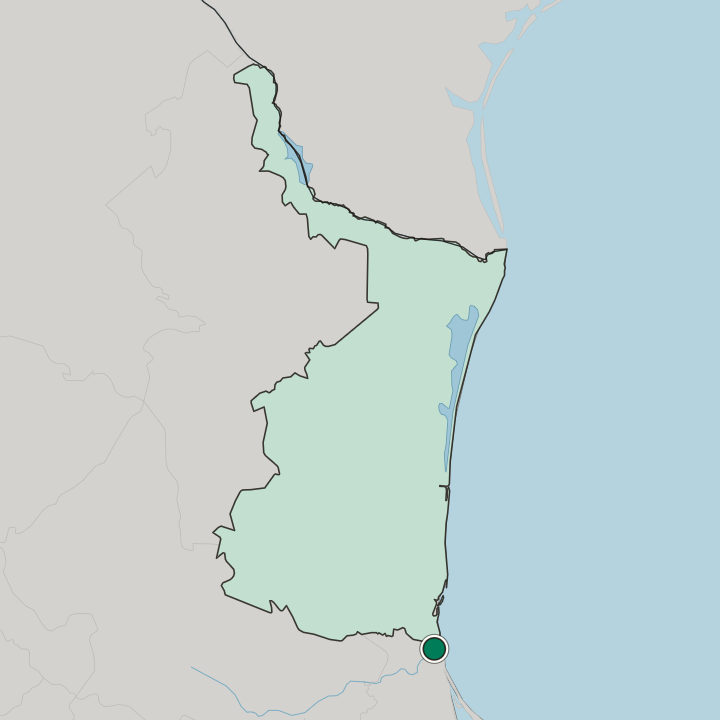
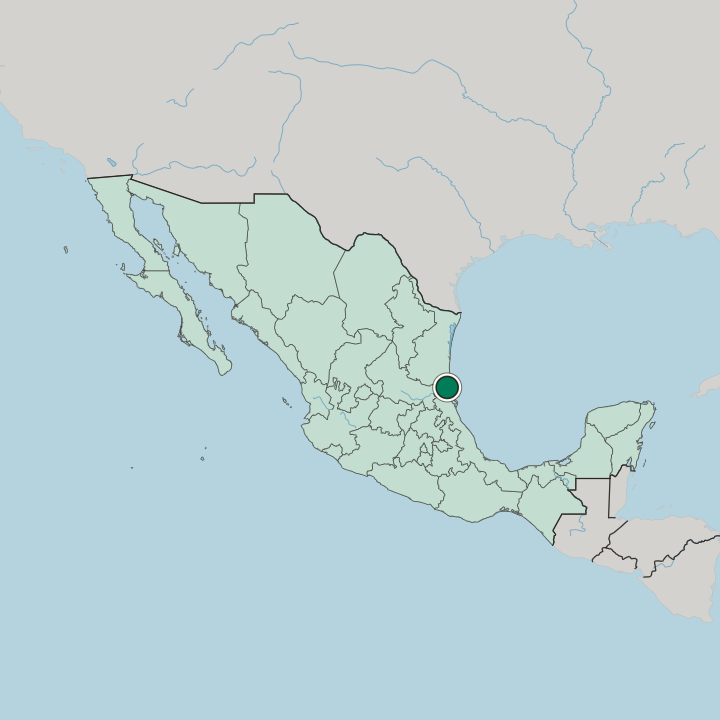
Tampico lies in the far south of Tamaulipas in northeastern Mexico, on the Pánuco river near the Gulf. The city sits on the low flat delta where the Pánuco reaches the sea, among lagoons and marshes of the Huastec coast, hot and humid, with the Gulf to the east and green wetlands around. The river winds to the sea.
Lagoons lie among the streets.
What is the climate of Tampico?
Tampico has a hot, humid tropical climate. Warm damp weather holds all year on the coast, with heavy summer rains and the odd storm off the Gulf, mild and pleasant in the winter. The heat hangs wet through summer.
Winter brings soft warm days.
How do you get to Tampico?
Tampico lies on the Gulf coast, at the mouth of the Pánuco in the far south of Tamaulipas. Roads and buses run to it down the coast from Ciudad Victoria and up from Veracruz, and ships work the river port. Boats cross the lagoons.
Ciudad Victoria lies north up the road.
Common questions
What is the best area to stay in Tampico?
The old centre: Visitors here for the plazas and art-deco. The beach and coast: Stays wanting the Miramar beach and seafood.
Good for
More cities in Estado de Tamaulipas
Updated September 2026