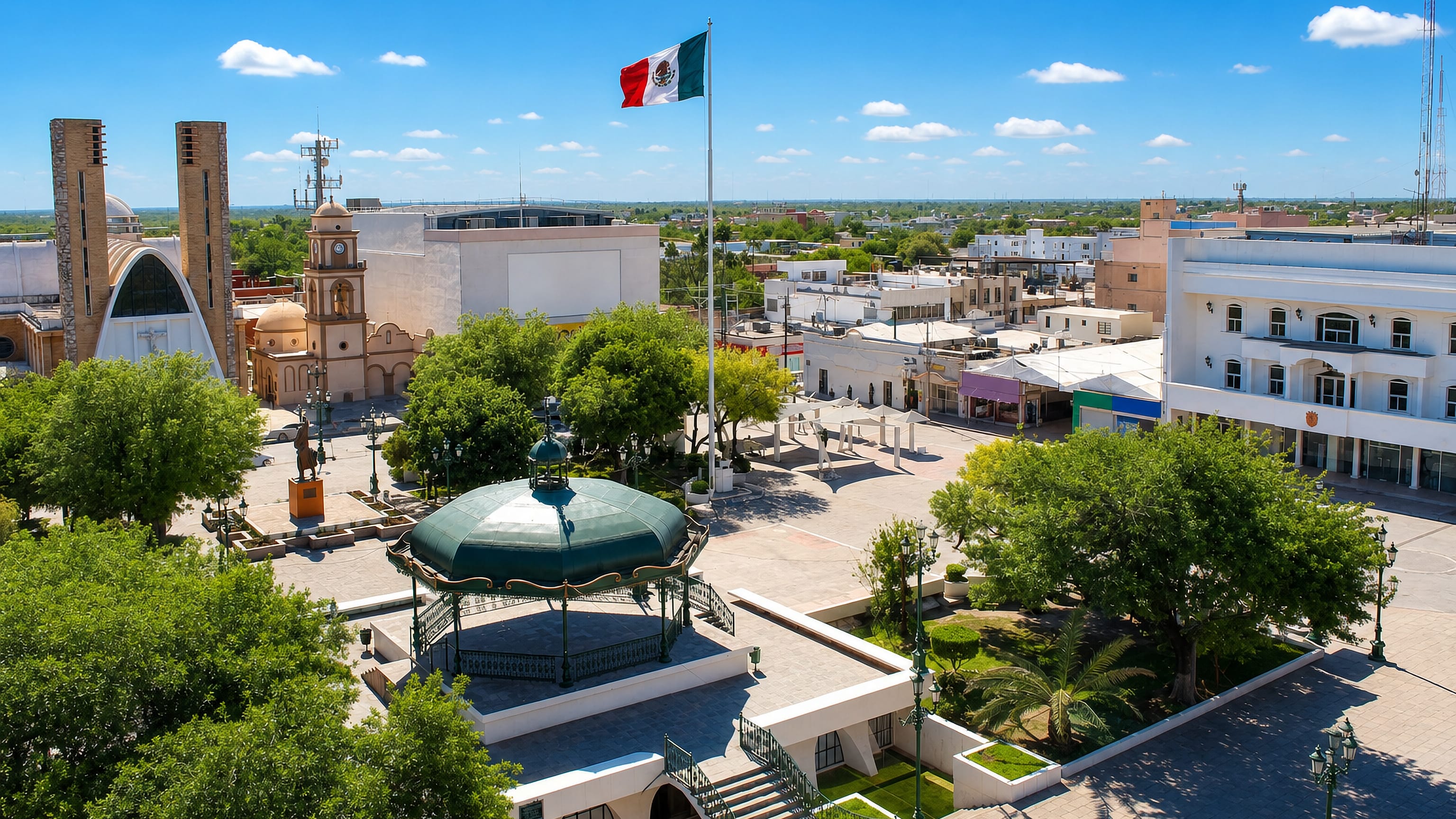
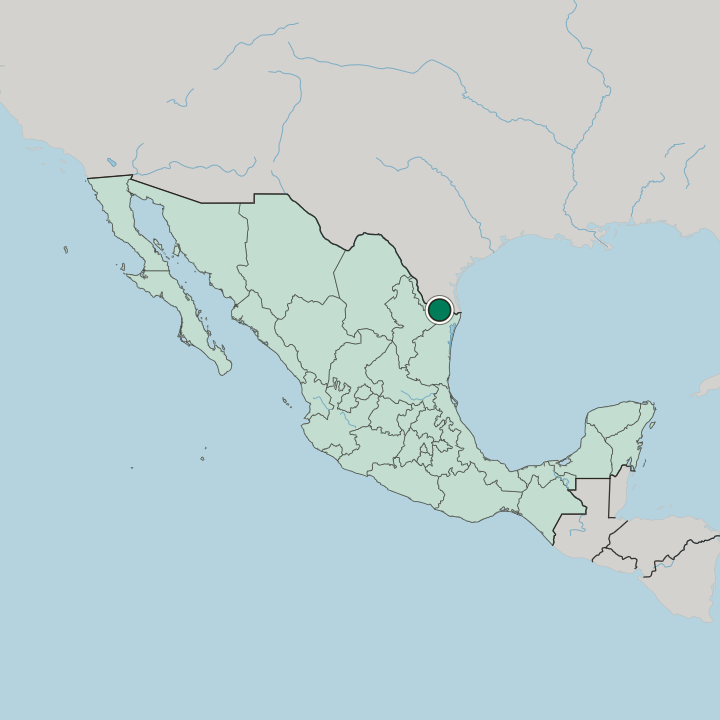
Mexico · Estado de Tamaulipas
Where to Stay in Reynosa, Estado de Tamaulipas
Reynosa is the industrial city of northern Tamaulipas, facing McAllen, Texas, across the Rio Grande, its maquiladora plants making electronics and cars.
Hotel links are affiliate links: booking through them may earn us a commission, at no extra cost to you. It never affects how places are ranked. How this works


Where to stay in Reynosa
One neighbourhood here has its own guide — here's what it is best for.

 ReynosaMexico
Los Cavazos
Los Cavazos sits north-west of Reynosa, on the Tamaulipas bank of the Río Bravo, with Federal Highway 2 and a freight railway at its edge.Where to stay →Hotel links are affiliate links: booking through them may earn us a commission, at no extra cost to you. It never affects how places are ranked. How this works
Find hotels in Reynosa
Direct booking searches for these neighbourhoods.
The Reynosa side of the McAllen crossing
The crossing to McAllen and the seat of Reynosa Municipality both sit hereFind hotels in The Reynosa side of the McAllen crossingLonger stays worked around maquiladora shift timesOut toward the plant districts
The electronics and automotive works of the Rio Grande Valley hub lie on this sideFind hotels in Out toward the plant districtsNights on the Texas bank with a morning crossingMcAllen, across the Rio Grande
McAllen faces Reynosa directly over the water and shares its working dayFind hotels in McAllen, across the Rio GrandeHotel links are affiliate links: booking through them may earn us a commission, at no extra cost to you. It never affects how places are ranked. How this works
About Reynosa
Manufacturing sets the rhythm.
What is Reynosa known for?
The maquiladora plants that fill Reynosa turn out electronics and automotive parts, which makes the city the industrial hub of northern Tamaulipas and the Rio Grande Valley. The border is the other half of it. McAllen, Texas, lies directly across the Rio Grande, and the crossing between the two cities ties the plants here to the United States on the far bank.
Reynosa also holds the municipal seat.
What are the main landmarks in Reynosa?
The landmarks here are working ones. The Rio Grande draws the northern edge, and the crossing to McAllen is the structure that most people here use, whether for work in the plants or for trade across the boundary. Factories fill out the list.
The maquiladora works that make electronics and automotive parts stand as the built landmarks of northern Tamaulipas, and the seat of Reynosa Municipality anchors the civic side.
What is the history of Reynosa?
The town dates from 1749. It began as a settlement on the south bank of the Rio Grande, on the flat country of what is now northern Tamaulipas, long before any factory reached it. The river now carries the boundary.
McAllen grew on the far bank in Texas, and the two cities came to face each other across it, one on the Mexican side and one on the side of the United States. Industry arrived and stayed. Maquiladora plants took hold in Reynosa, working mostly in electronics and automotive manufacturing, and they turned a border town into the industrial hub of northern Tamaulipas and the Rio Grande Valley.
Engineering came with the assembly work. The plants take in direct labour and specialised engineering alike, which sets Reynosa apart from the farm towns of the Rio Grande Valley around it. The municipality took the city's name.
Reynosa holds the municipal seat, and the surrounding municipality carries the same name, which puts the administration of a wide stretch of border country in one place. Mexico and the United States meet at the water. That fact has shaped every stage of the city's growth since 1749, from the settlement on the bank to the assembly lines that run beside the crossing to McAllen.
Where is Reynosa?
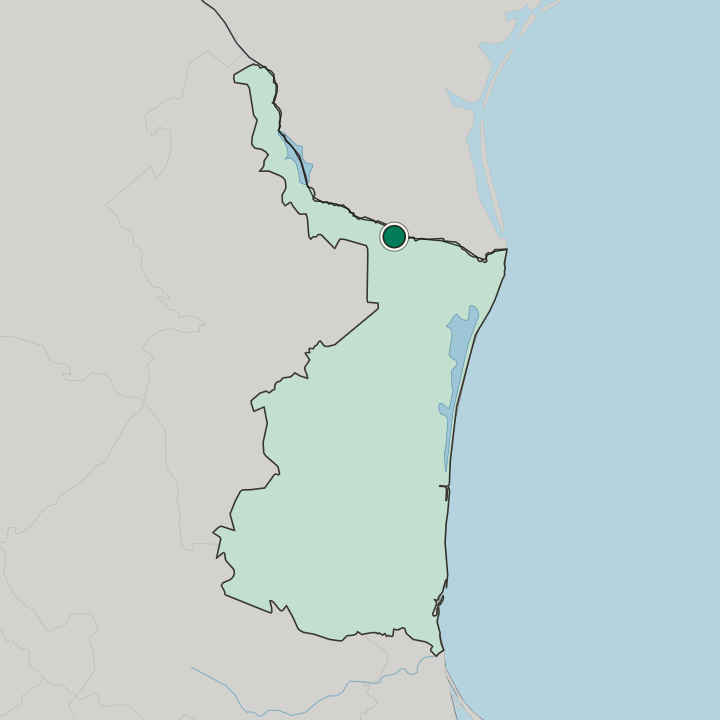
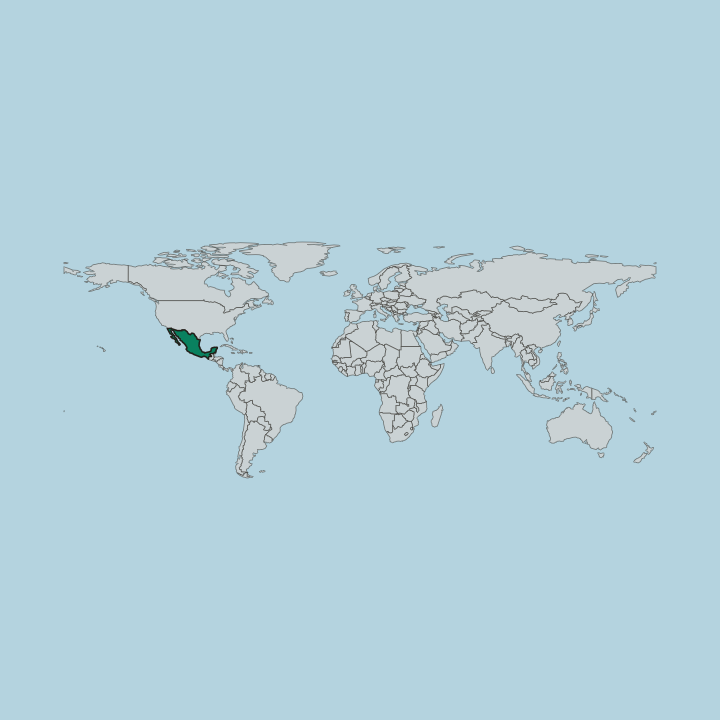
The Rio Grande runs along the city's northern edge. Reynosa sits on the south bank in northern Tamaulipas, with McAllen and the Rio Grande Valley on the Texas side and flat farm country reaching inland behind the built-up ground. Relief is slight.
Reynosa Municipality takes in the plain around the city, which leaves few natural limits on where the built ground can spread.
What is the climate of Reynosa?
The Rio Grande Valley bakes in summer. The plain around the city holds that heat for months, with subtropical air standing over northern Tamaulipas and little in the flat landscape to break it. Reynosa's winters do not last long.
Mild spells run through them, broken by cooler days that pass quickly, and the wettest months arrive unevenly across northern Tamaulipas.
How do you get to Reynosa?
Most people arrive through McAllen. The crossing over the Rio Grande links Reynosa directly to the Texas side, and the traffic that uses it carries both the freight of the plants and the daily movement between the two cities. Roads run inland from there.
They cross Reynosa Municipality into the rest of northern Tamaulipas, which is how most of the region reaches its industrial hub.
Common questions
What is the best area to stay in Reynosa?
The Reynosa side of the McAllen crossing: Plant visits and supplier trips into northern Tamaulipas. Out toward the plant districts: Longer stays worked around maquiladora shift times. McAllen, across the Rio Grande: Nights on the Texas bank with a morning crossing.
More cities in Estado de Tamaulipas
Updated September 2026