Mexico · Estado de Tlaxcala
Where to Stay in Huamantla, Estado de Tlaxcala
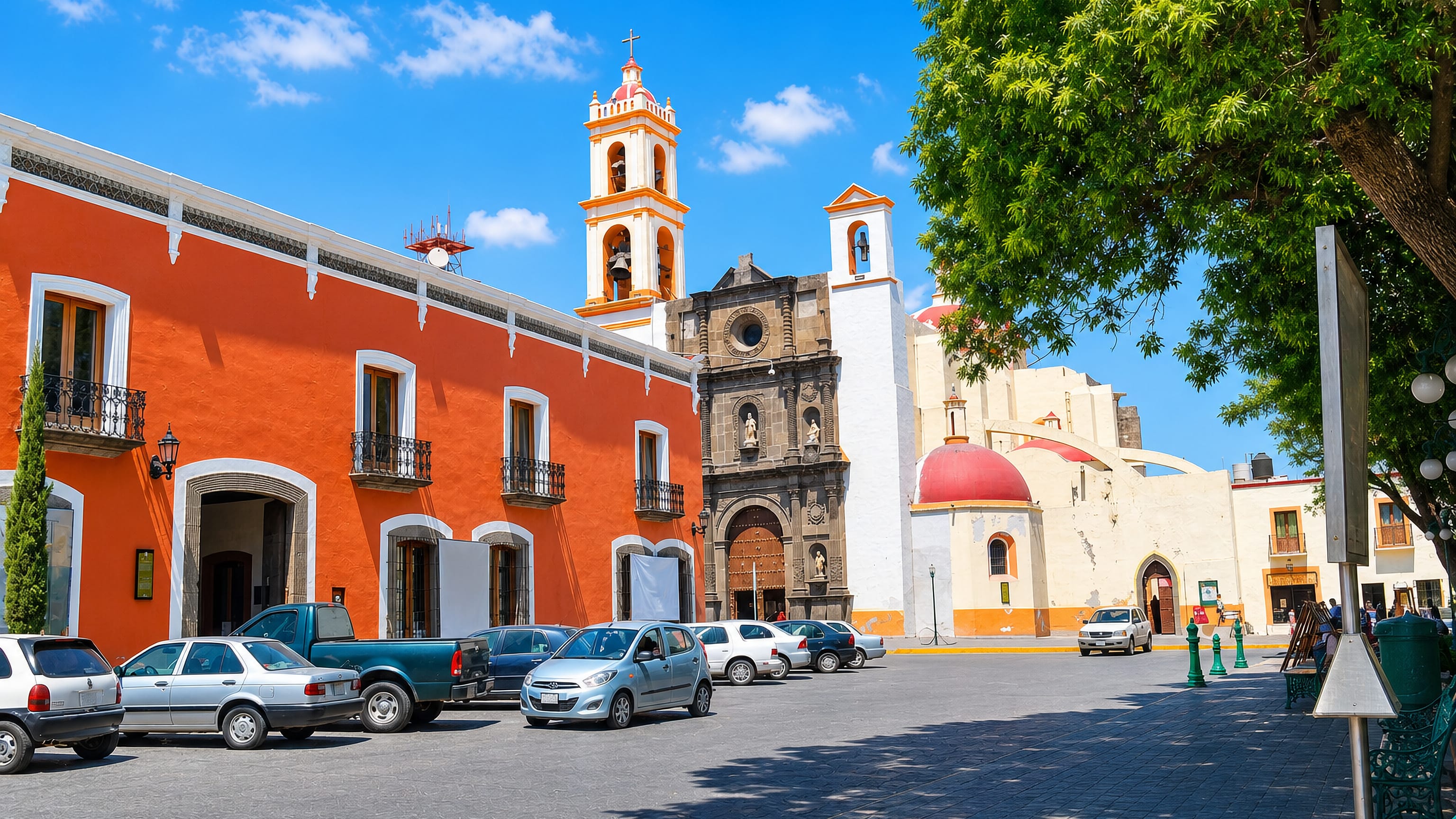
Huamantla, a small city in the eastern half of Tlaxcala, is known for its sawdust carpets, the Huamantlada bull run and bullfighting.
Hotel links are affiliate links: booking through them may earn us a commission, at no extra cost to you. It never affects how places are ranked. How this works


Where to stay in Huamantla
Where the beds are, and what that means for the visit.
The festival month rewrites the arithmetic of a stay. Huamantla is a small city for most of the year, and then the homage to Our Lady of Charity fills it, so the date of a visit matters more here than the choice of street. Rooms are finite in a town this size.
Anyone arriving for the "night no one sleeps" or the Huamantlada should treat a bed as something to arrange well ahead rather than something to find on the day. Outside those weeks it is easy. The centre carries the museums.
The Museo Nacional del Títere and the Museo Taurino de Huamantla both sit in town, and a stay near them puts the streets that take the sawdust carpets within walking distance. Farmland begins almost immediately. The municipality is mostly agricultural, so a room on the edge of Huamantla looks out on working country rather than on more town, which suits travellers who want the quiet.
Bullfighting brings its own calendar. Tlaxcala is a compact state to work from. Nothing in the eastern half of it is far from Huamantla, and a base here reaches the rest of the state without long driving.
Find hotels in Huamantla
Direct booking searches for these neighbourhoods.
Huamantla centre
The heart of the homage to Our Lady of Charity, and the ground the Huamantlada runs through.Find hotels in Huamantla centrethe Museo Nacional del Títere and the Museo Taurino de Huamantla in one walkMuseum quarter
Where Huamantla keeps its puppet museum and its bullfighting museum, both a short distance from the carpet streets.Find hotels in Museum quarterquiet nights on the farmland side of a mostly agricultural municipalityAgricultural edge
The working country around Huamantla, where a room trades festival noise for open ground in the eastern half of Tlaxcala. Rooms are few around here — worth securing early.Find hotels in Agricultural edgeHotel links are affiliate links: booking through them may earn us a commission, at no extra cost to you. It never affects how places are ranked. How this works
About Huamantla
The carpets come first.
What is Huamantla known for?
Huamantla's homage to an image of the Virgin Mary called Our Lady of Charity runs a month, and its "night no one sleeps" fills six km of street with carpets of coloured sawdust and flowers. The Huamantlada follows. That running of the bulls is compared to the one in Pamplona, and it sits beside a bullfighting tradition the town is known by across Tlaxcala.
Farmland surrounds all of it.
What are the main landmarks in Huamantla?
Two museums carry the town's name. The Museo Nacional del Títere and the Museo Taurino de Huamantla both stand here, the second tied to the bullfighting the city is known for across the Mexican state of Tlaxcala. The streets are the third landmark.
For the "night no one sleeps" they carry six km of carpets made from coloured sawdust, flowers and other materials, which is a landmark that exists for one night and then goes.
What is the history of Huamantla?
The area's indigenous history runs long. Huamantla itself is younger than that, since the city was not founded until the early colonial period, and the date the record gives is 1534. The gap matters to how the town reads.
What sits in the eastern half of Tlaxcala is a colonial foundation laid on ground that had been settled and worked for a great deal longer than the city has existed. The municipality is mostly agricultural. The homage is what the city is best known for.
An image of the Virgin Mary called Our Lady of Charity is honoured over a month of festivities, and the two best known parts of it are the "night no one sleeps" and the Huamantlada. The first fills the streets. People of Huamantla lay six km of carpets from coloured sawdust, flowers and other materials, and the whole town stays awake for the length of it.
The second brings out the bulls. The Huamantlada is a running of the bulls, likened to the one held in Pamplona, and it belongs to the same bullfighting tradition the Museo Taurino de Huamantla records.
Where is Huamantla?
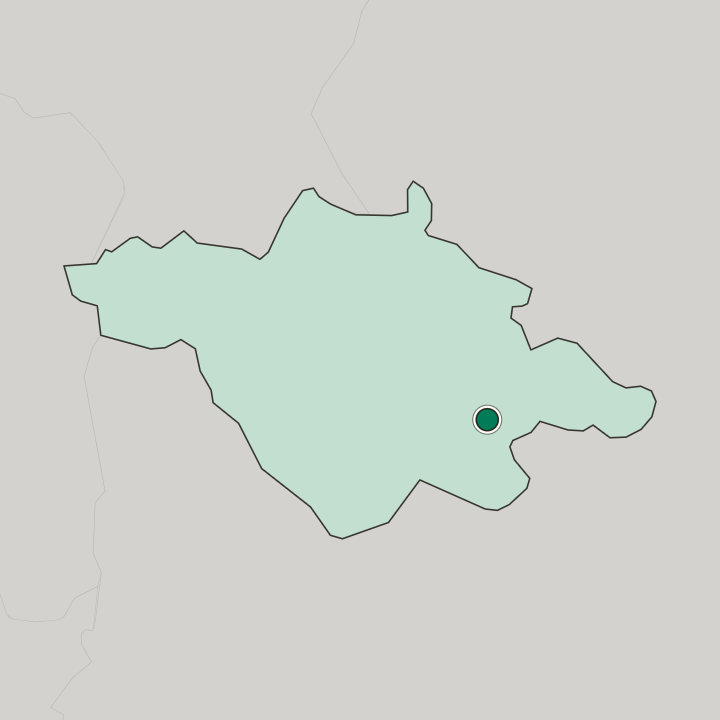
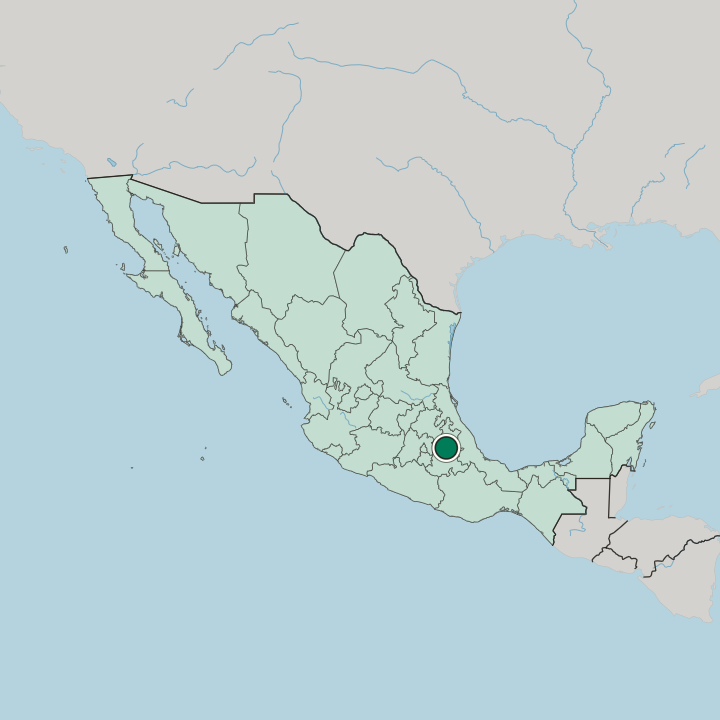
Tlaxcala holds the town in its eastern half. Huamantla sits there as a small city inside a municipality of the same name, on ground the record describes as mostly agricultural rather than as anything urban. The band here is tropical.
That places Huamantla north of the equator in the Mexican state of Tlaxcala, where farmland is what surrounds the built-up part of the municipality. Fields reach the edge of the streets.
What is the climate of Huamantla?
The tropical band reaches this part of Tlaxcala. Huamantla lies north of the equator inside it, and the mostly agricultural municipality around the city depends on what that band delivers over a growing year. Sawdust carpets need dry streets.
The "night no one sleeps" lays six km of coloured sawdust and flowers directly on the street surface, and dry ground is what makes that possible. The Huamantlada runs in the same stretch.
How do you get to Huamantla?
Tlaxcala is the state to aim for. Huamantla lies in its eastern half, so an approach comes across the state from whichever side a traveller enters it, and the municipality of the same name is the unit that ends up on the ticket. The city itself is small.
Arriving is a matter of reaching the centre, where the Museo Nacional del Títere, the Museo Taurino de Huamantla and the carpet streets all sit close together. Festival weeks change the traffic.
Common questions
What is the best area to stay in Huamantla?
Huamantla centre: the streets that carry the sawdust carpets on the night no one sleeps. Museum quarter: the Museo Nacional del Títere and the Museo Taurino de Huamantla in one walk. Agricultural edge: quiet nights on the farmland side of a mostly agricultural municipality.
Another city in Estado de Tlaxcala
Updated September 2026