Mexico · Estado de Tlaxcala
Where to Stay in Tlaxcala, Estado de Tlaxcala
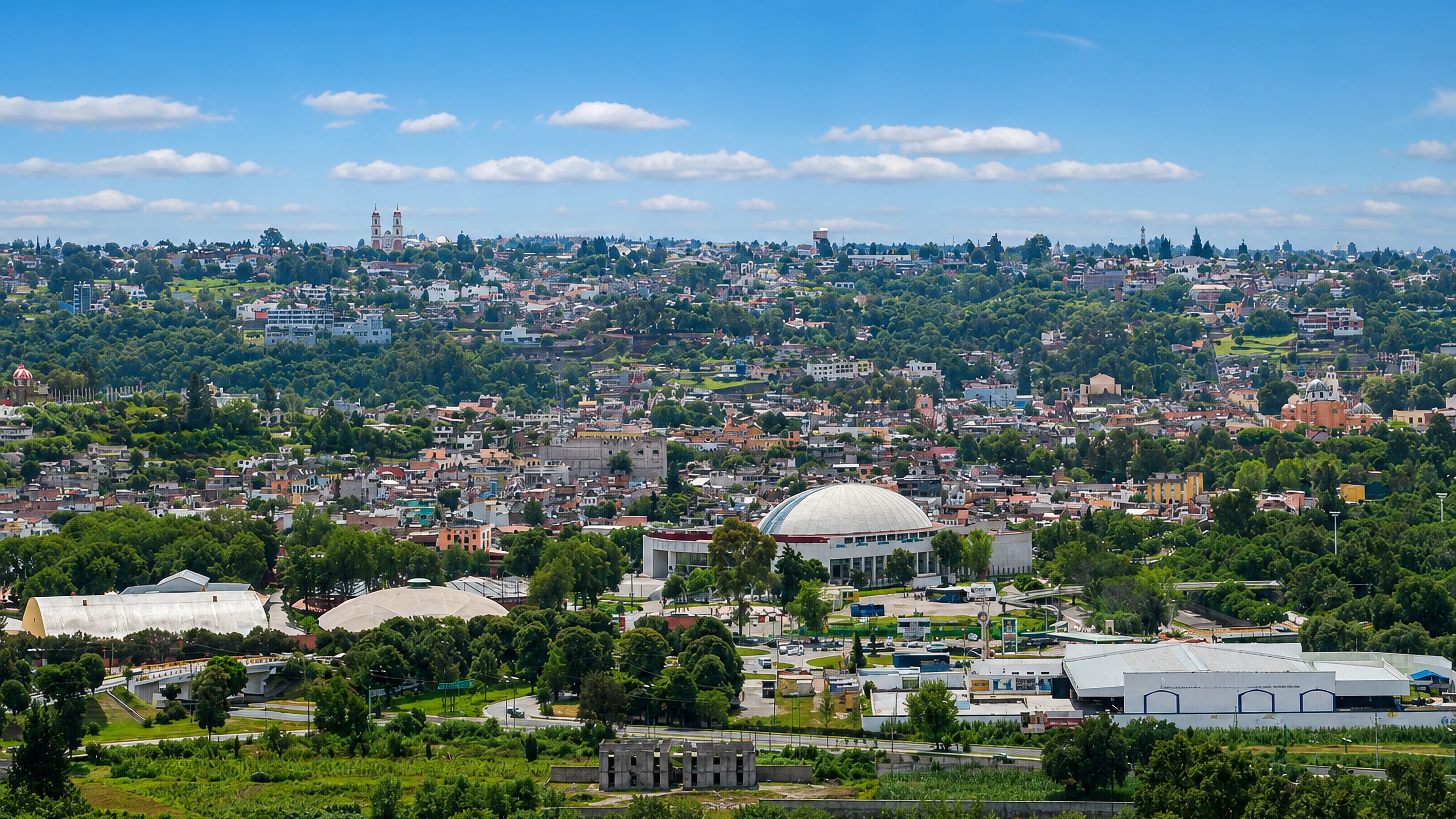
Tlaxcala, officially Tlaxcala de Xicohténcatl, is the capital of the state of Tlaxcala, laid out in 1525 around a monastery and a cathedral.
Hotel links are affiliate links: booking through them may earn us a commission, at no extra cost to you. It never affects how places are ranked. How this works


Where to stay in Tlaxcala
Where the beds are, and what that means for the visit.
Tlaxcala's colonial core does the work. The cathedral, the former Franciscan monastery and the Xicohtencatl Theatre stand inside a few blocks of one another, and a room among them puts the capital's sightseeing within walking distance. That is unusual for a state capital.
Most of what a visitor comes for dates from the century after 1525, and the museums that interpret it stand in the same few streets. The Museo Nacional de Antropología e Historia de Tlaxcala is the anchor among them. Stay central and walk.
The alternatives sit outside the centre. Tizatlán and Ocotelulco are elsewhere in the municipality, and the Iglesia de San Lucas Cuauhtelulpan draws people out of the colonial grid as well, so a car or a short ride matters for anyone building a day around those. Puebla is the other pull.
The diocese was transferred there, and Tlaxcala kept the buildings without the rank, which is why the capital's centre feels smaller and quieter than the cathedral standing in it would suggest. Tlaxcala de Xicohténcatl is the official name, and the municipality of the same name surrounds the seat. Pick the centre if the walking matters.
Find hotels in Tlaxcala
Direct booking searches for these neighbourhoods.
The colonial centre
The grid laid out in 1525, holding the cathedral, the former Franciscan monastery and the Museo Nacional de Antropología e Historia de TlaxcalaFind hotels in The colonial centreDays built around Tizatlán, Ocotelulco and San Lucas CuauhtelulpanOut toward Tizatlán and Ocotelulco
The outer municipality, where Tizatlán, Ocotelulco and the Iglesia de San Lucas Cuauhtelulpan sit clear of the colonial grid. Rooms are few around here — worth securing early.Find hotels in Out toward Tizatlán and OcotelulcoHotel links are affiliate links: booking through them may earn us a commission, at no extra cost to you. It never affects how places are ranked. How this works
Things to do in Tlaxcala
Ranked by global recognition; descriptions from Wikidata (CC0).
Museums & Galleries
2- Museo Nacional de Antropología e Historia de Tlaxcala
- Museo Miguel N. Lira
Churches & Religious Sites
2- Our Lady of the Assumption Cathedral Heritage
- Iglesia de San Lucas Cuauhtelulpan
Castles & Historic Sites
2- Tizatlán
- Ocotelulco
worth knowingacross 3 categories in Tlaxcala
About Tlaxcala
Colonial stone, and a theatre.
What is Tlaxcala known for?
The former Franciscan monastery and Our Lady of the Assumption Cathedral give the centre its oldest fabric, while the Xicohtencatl Theatre stands for the civic building that came much later. Two museums fill the gap. The Museo Nacional de Antropología e Historia de Tlaxcala and the Museo Miguel N. Lira both sit in the capital, and the sites at Tizatlán and Ocotelulco lie within the same municipality.
What are the main landmarks in Tlaxcala?
Our Lady of the Assumption Cathedral stands at the head of the list, and the former Franciscan monastery accounts for the oldest surviving fabric of the capital. The Xicohtencatl Theatre is the civic counterweight. Tizatlán and Ocotelulco lie out in the municipality, the Iglesia de San Lucas Cuauhtelulpan away from the centre as well, and two museums, the Museo Nacional de Antropología e Historia de Tlaxcala and the Museo Miguel N. Lira, interpret the rest.
What is the history of Tlaxcala?
There was no city here before the Spanish. Tlaxcala was laid out in 1525 as a centre of evangelization and governance after the Spanish conquest of the Aztec Empire, which makes its street plan and its oldest buildings the product of a single deliberate act rather than of slow growth. Nothing pre-Hispanic underlies the grid.
Tizatlán and Ocotelulco carry names from the wider area, but the capital itself begins with that foundation and with the Franciscan work that followed it, which is why the monastery rather than any older structure marks the beginning of the record here. A diocese came, and then went. Tlaxcala was designated a see, lost that standing to Puebla, and settled afterwards into the role of a state capital with more colonial building than its size would predict.
Our Lady of the Assumption Cathedral is the survivor of that period. The former Franciscan monastery stands with it, and later centuries added the Xicohtencatl Theatre and the civic architecture around it, while the Museo Nacional de Antropología e Historia de Tlaxcala and the Museo Miguel N. Lira came in to hold what the buildings could not. Tlaxcala de Xicohténcatl remains the official name of the city.
Where is Tlaxcala?
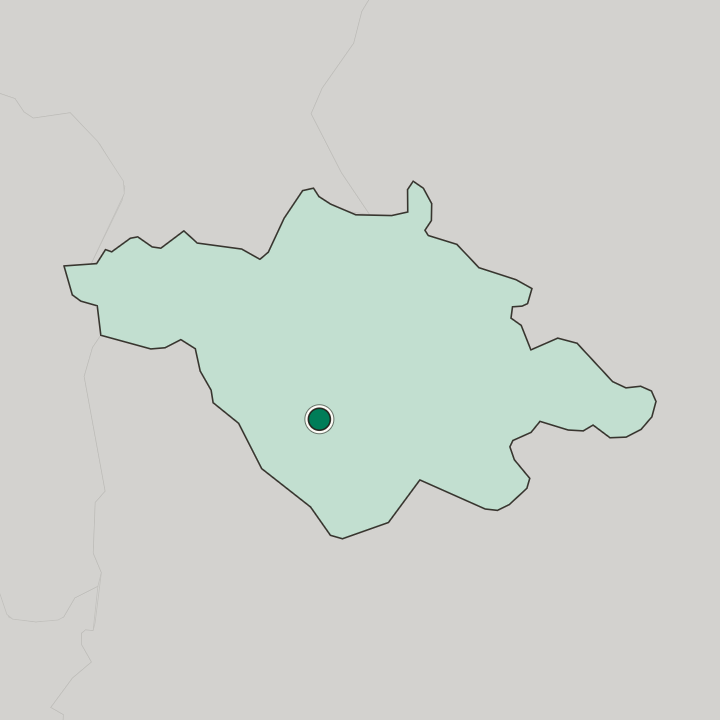
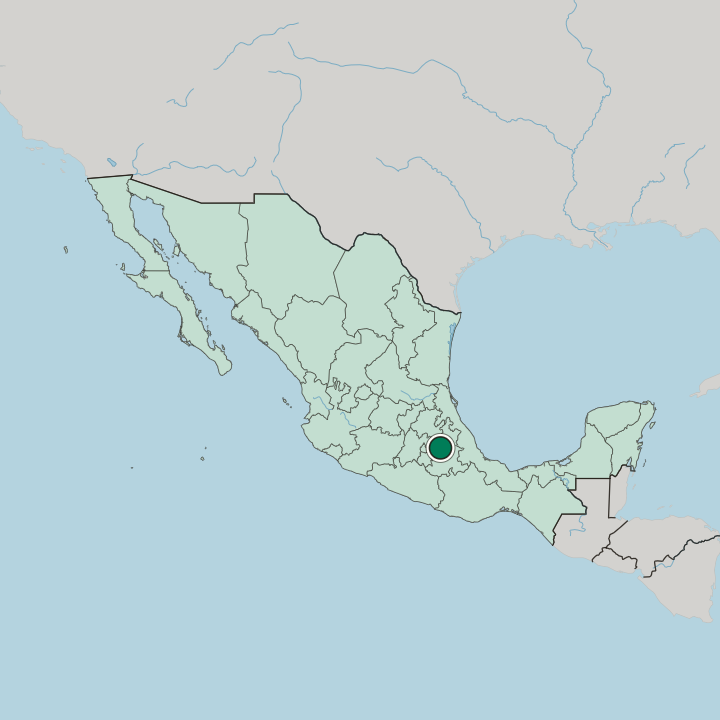
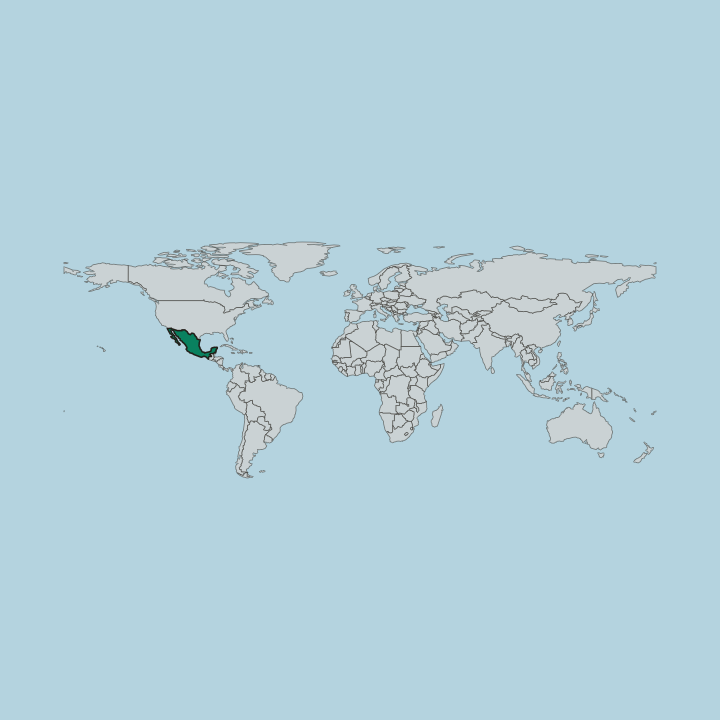
Tlaxcala is the capital of the state that shares its name, and the municipality of the same name spreads out from the seat within the tropical band of the northern hemisphere. The old grid is compact. Tizatlán and Ocotelulco lie beyond it, and the Iglesia de San Lucas Cuauhtelulpan stands further out again in the municipality.
The state of Tlaxcala is administered from here.
What is the climate of Tlaxcala?
Tlaxcala shares the tropical band with the rest of its state. The northern hemisphere sets the order of the year here, so the seasons run opposite to those of anywhere below the equator, and nothing about the calendar in the capital differs from the municipality around it. The colonial centre and the outlying sites at Tizatlán and Ocotelulco see the same weather.
How do you get to Tlaxcala?
Roads converge on the seat of government. Tlaxcala is a state capital, and the colonial centre is what those roads deliver a traveller into, with the cathedral, the former Franciscan monastery and the Xicohtencatl Theatre all within reach of where a car can stop. The outlying sites need their own trips.
Tizatlán, Ocotelulco and the Iglesia de San Lucas Cuauhtelulpan all sit away from the colonial grid, so reaching them means arranging transport rather than adding another block to a walk.
Common questions
What is the best area to stay in Tlaxcala?
The colonial centre: Walking between Our Lady of the Assumption Cathedral and the Xicohtencatl Theatre. Out toward Tizatlán and Ocotelulco: Days built around Tizatlán, Ocotelulco and San Lucas Cuauhtelulpan.
Good for
Another city in Estado de Tlaxcala
Updated October 2026