Malaysia · Kedah
Where to Stay in Alor Setar, Kedah
Alor Setar is a city of northwest Malaysia, the royal capital of Kedah, a town of paddy fields and a black-domed mosque in the rice bowl of the country.
Hotel links are affiliate links: booking through them may earn us a commission, at no extra cost to you. It never affects how places are ranked. How this works


Where to stay in Alor Setar
The practical side of choosing where to sleep.
Alor Setar divides its beds between the royal town and the paddy country beyond it. The streets around the mosque keep the palace, the museums, and the markets within a walk, and staying downtown suits anyone here for the royal city. Black domes rise over the square.
The tower stands tall above. Out toward the paddy country and the coast, the town gives way to the rice fields, the river villages, and the lone green peak. A room out of town trades the streets for the endless paddies, the farm roads, and the view of Gunung Jerai.
Paddy carries on to the shore. Stay downtown for the mosque, or out for the rice country. Neither choice puts the centre far off.
Find hotels in Alor Setar
Direct booking searches for these neighbourhoods.
The royal centre
Around the mosque squareFind hotels in The royal centreStays wanting the paddy plain and peakThe rice country
Out on the Kedah plainFind hotels in The rice countryHotel links are affiliate links: booking through them may earn us a commission, at no extra cost to you. It never affects how places are ranked. How this works
Things to do in Alor Setar
Ranked by global recognition; descriptions from Wikidata (CC0).
Museums & Galleries
3- Paddy Museum
- Kedah State Art Gallery
- Kedah State Museum
Stadiums & Sports
1- Stadium Sultan Abdul Halim
worth knowingacross 2 categories in Alor Setar
About Alor Setar
Alor Setar is the rice-bowl capital of Kedah.
What is Alor Setar known for?
On the wide paddy plain of northwestern Malaysia near the Thai border, it is the royal seat of the old Kedah sultanate, and it keeps the great black-domed Zahir Mosque on its square, the royal halls and palace of the sultans, a tall tower rising over the flat rice country, and the endless green paddy fields that feed the land. The paddy plain runs flat. The green fields reach the sky.
What are the main landmarks in Alor Setar?
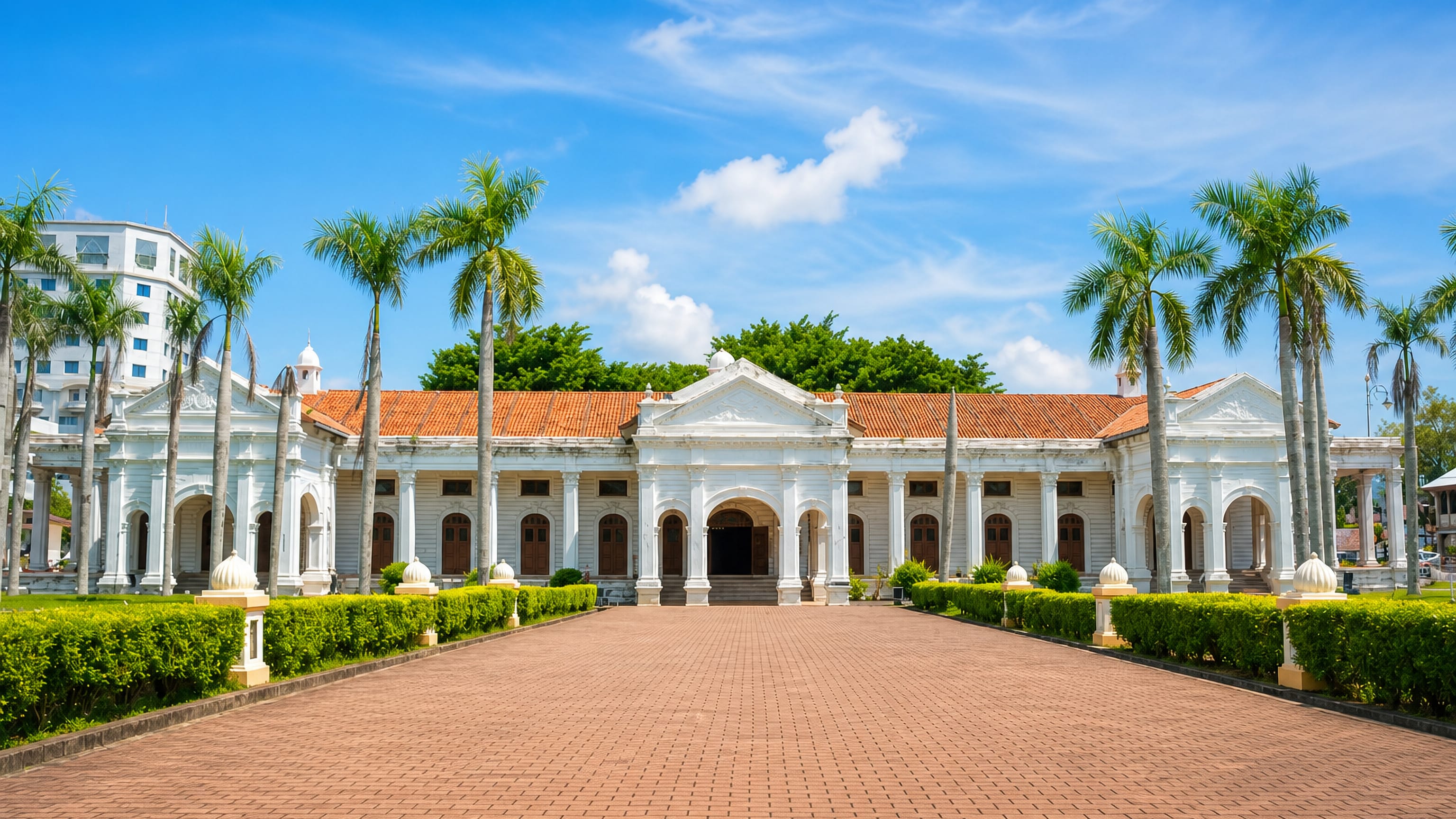
The Zahir Mosque is the pride of Alor Setar. The grand old mosque with its black onion domes and Moorish arches, set in a green square in the heart of the city, is the emblem of Kedah, downtown. Royal halls stand nearby.
The old audience hall and palace of the Kedah sultans keep the court's past close by, while the tall tower, the paddy museum, and the rice fields mark the country around Alor Setar.
What is the history of Alor Setar?
Alor Setar has long been a royal town. The sultans of Kedah, of one of the oldest lines in the Malay lands, made their seat on this river plain, and the town grew as the court and capital of a kingdom of rice. Rice fed the kingdom.
On the flat wet plain the people grew rice by the sea of green, and Kedah became the granary of the peninsula, its paddies feeding the land. The kingdom lay between powers. For long years Kedah bent between the Malay world and the Siamese kings to the north, and later the British held it, yet the sultans kept their palace and their court at Alor Setar.
The town gave the land its leaders. From here came two of the country's chief men, and the city grew as a busy capital of paddy and trade, keeping its mosque, its palace, and its green fields. The rice still ripens on the plain.
Alor Setar keeps its palace and its paddy in the rice bowl of Malaysia.
Where is Alor Setar?
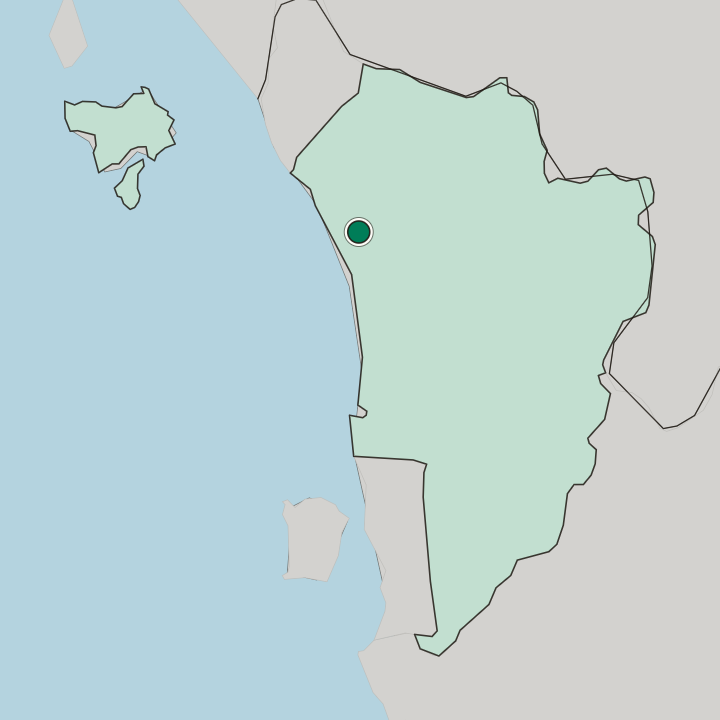
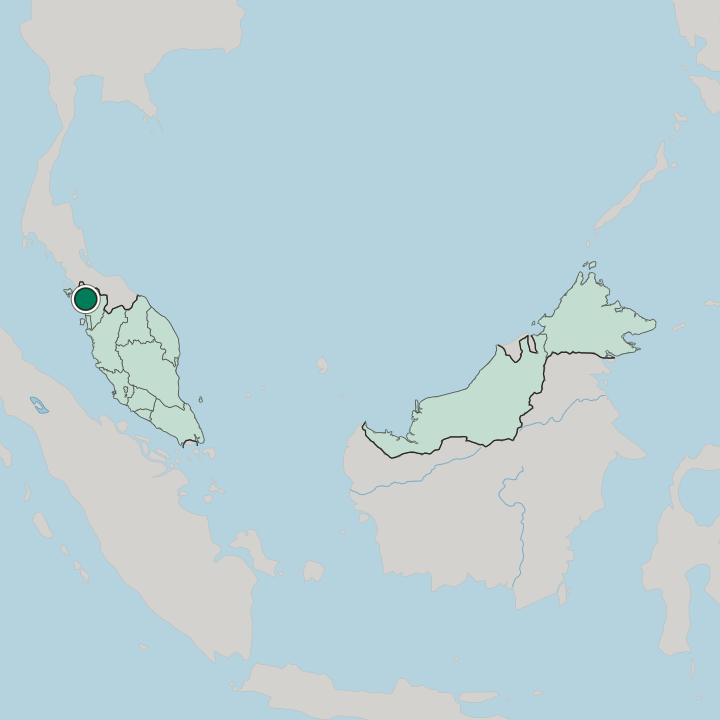
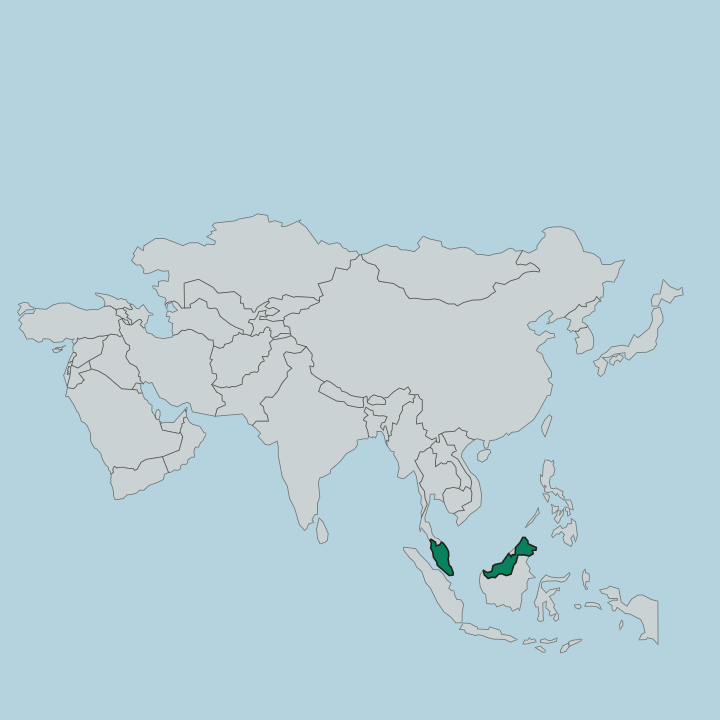
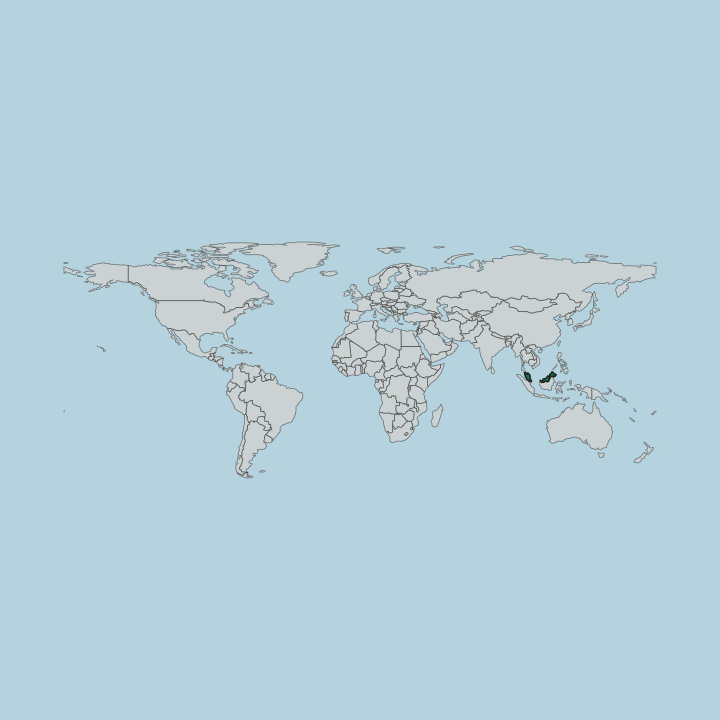
Alor Setar lies in the far northwest of Malaysia, on the flat paddy plain of Kedah near the Thai border. The city sits on the Kedah river amid a vast level land of rice fields that stretches to the sea, one great green plain broken only by the lone peak of Gunung Jerai to the south, with the paddies running to every side. Green paddies run flat and wide.
The lone peak stands to the south.
What is the climate of Alor Setar?
Alor Setar has a hot, wet tropical climate. Warm damp weather holds all year on the plain, with two rainy monsoons and a warm dry spell between, good for the growing of rice. The rains flood the paddies.
Warm days run much alike.
How do you get to Alor Setar?
Alor Setar lies in the far north of Malaysia, on the plain near the Thai border. Rail and the highway run to it up the peninsula from Kuala Lumpur and Penang, and roads cross to Thailand. Buses cross the paddy plain.
Penang lies south down the coast.
Common questions
What is the best area to stay in Alor Setar?
The royal centre: Visitors here for the mosque and palace. The rice country: Stays wanting the paddy plain and peak.
Good for
Another city in Kedah
Updated September 2026